Best Turkish Dishes to Try in Culinary Travel Guide
Turkey’s culinary landscape is a rich tapestry of flavors shaped by centuries of trade, migration, and cultural exchange. From bustling Istanbul street corners to quiet Aegean villages, every region offers unique dishes that reflect local ingredients and traditions. If you’re planning a food-focused trip, knowing the best Turkish dishes to try ensures you experience the country’s authentic tastes. This guide highlights must-try meals, where to find them, and what makes each one special—so you can savor Turkey like a local.
Why Turkish Cuisine Stands Out
Turkish food blends Central Asian, Middle Eastern, Mediterranean, and Balkan influences into a cohesive and diverse cuisine. It emphasizes fresh vegetables, high-quality meats, aromatic herbs, and time-honored cooking techniques. Unlike many global cuisines that rely heavily on processed ingredients, Turkish cooking often features seasonal, locally sourced produce and slow-cooked preparations.
The country’s geographic position has made it a crossroads for spices, grains, and cooking styles. Ottoman palace kitchens once refined these elements into elaborate feasts, many of which evolved into today’s home-cooked staples. Whether you’re dining in a family-run lokanta or a seaside meyhane, the attention to detail and balance of flavors remains consistent.
Iconic Main Courses You Can’t Miss
Kebabs: More Than Just Grilled Meat
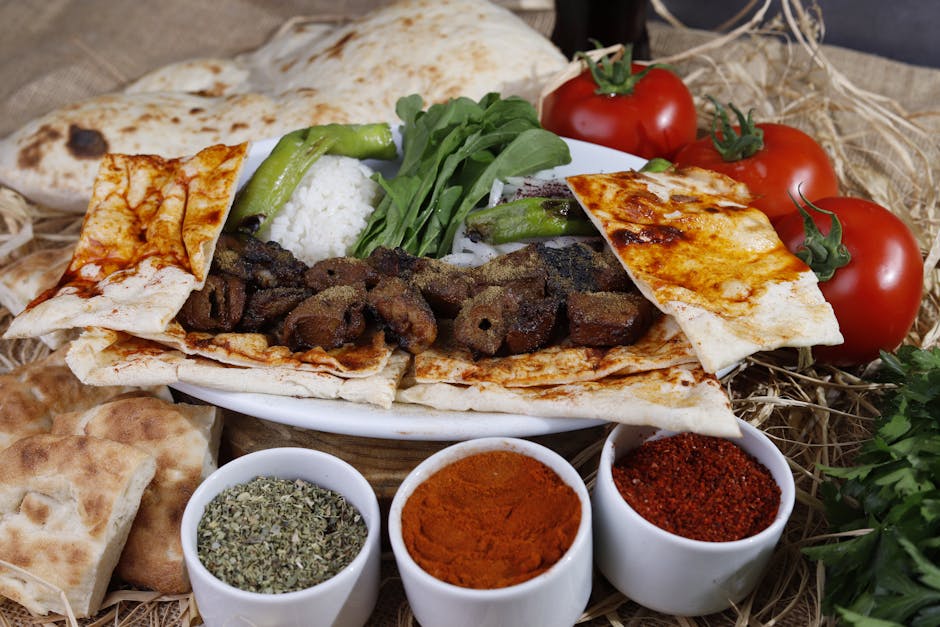
Kebabs are perhaps the most internationally recognized Turkish dish, but they’re far from monolithic. Each type has distinct preparation methods and regional roots. The classic döner kebab—thinly sliced, vertically roasted meat—originated in Bursa and is now a global street food staple.
Adana kebab, a spicy minced lamb skewer from southeastern Turkey, delivers bold heat and smoky char. For a milder option, try şiş kebab, cubes of marinated lamb grilled on a skewer. Always pair kebabs with pilaf, grilled vegetables, and a dollop of yogurt to cut through the richness.
Meat-Filled Manti: Turkey’s Answer to Dumplings
Often called “Turkish ravioli,” manti consists of tiny handmade dough pockets filled with seasoned ground meat, then boiled and topped with garlic yogurt and melted butter infused with paprika or Aleppo pepper. Originating from Central Asian Turkic tribes, manti reflects the nomadic roots of Turkish culture.
What sets manti apart is its size—each piece is smaller than a fingertip—and the labor-intensive process of folding hundreds by hand. In Kayseri, the dish is considered a point of regional pride, and local restaurants often serve it with a side of sumac onions for added tang.
Hunkar Begendi: The Sultan’s Favorite
Translating to “the Sultan’s delight,” this dish features tender braised lamb served over a creamy smoked eggplant purée. The purée, made with béchamel, milk, and grated kaşar cheese, gives the dish a luxurious texture that contrasts beautifully with the savory meat.
Once reserved for Ottoman royalty, hunkar begendi is now available in upscale Istanbul restaurants and traditional homes during special occasions. It’s a testament to how Turkish cuisine elevates simple ingredients through technique and presentation.
Hearty Soups and Stews
Ashure: The Soup of Unity
Ashure, or Noah’s pudding, is a sweet-savory soup made from a mix of grains, legumes, dried fruits, and nuts. Traditionally prepared during the Islamic month of Muharram, it symbolizes sharing and compassion. Each household may have its own variation, but common ingredients include wheat, chickpeas, apricots, and cinnamon.
While ashure is primarily a dessert, its complex texture and subtle sweetness make it a comforting meal any time of day. It’s often served cold or at room temperature, especially in summer months.
Mercimek Çorbası: Red Lentil Soup
This humble red lentil soup is a staple in Turkish homes and restaurants alike. Made with red lentils, onions, carrots, and a touch of mint, it’s both nourishing and deeply flavorful. A squeeze of lemon juice before serving brightens the dish and balances the earthiness of the lentils.
Light yet satisfying, mercimek çorbası is commonly eaten for lunch or as a starter. It’s also a go-to remedy during cold weather or when feeling under the weather—proof of its role as comfort food.
Breakfast Like a Turk
Menemen: Scrambled Eggs with a Twist
Menemen is a beloved Turkish breakfast dish of eggs scrambled with tomatoes, green peppers, and spices, all cooked in olive oil. Unlike Western scrambled eggs, menemen is never beaten—instead, the eggs are stirred gently into the simmering vegetables until softly set.
Served in a clay pot with crusty bread for dipping, menemen is both simple and deeply satisfying. Some variations include sucuk (spicy sausage) or feta cheese, but the classic version highlights the freshness of the vegetables.
Simit: The Ultimate Street Breakfast
Often called “Turkish bagel,” simit is a circular bread encrusted with sesame seeds and baked until crisp. Sold by street vendors from early morning until late afternoon, it’s a quick, portable snack enjoyed across all age groups.
Simit is typically eaten plain or with cheese, jam, or kaymak (clotted cream). In Istanbul, you’ll find simit sellers on nearly every corner, often calling out “Simit! Taze simit!” to attract customers.
Vegetarian Delights
Imam Bayildi: The Dish That Made the Imam Faint
This stuffed eggplant dish gets its name from a legend that a chef’s creation was so delicious, the imam fainted upon tasting it. Eggplants are hollowed out, filled with a mixture of onions, garlic, tomatoes, and herbs, then slow-cooked in olive oil until tender.
Imam bayildi is traditionally served at room temperature, making it ideal for summer meals or meze platters. Its rich, smoky flavor comes from the slow caramelization of the vegetables, enhanced by the natural sweetness of the eggplant.
Zeytinyağlılar: Olive Oil-Based Vegetables
Zeytinyağlılar refers to a category of dishes cooked in olive oil, typically served cold or at room temperature. Examples include fasulye pilaki (white beans with onions and tomatoes), karnıyarık (stuffed eggplant), and ıspanak sote (sautéed spinach).
These dishes highlight Turkey’s abundant produce and the importance of olive oil in daily cooking. They’re common in meze spreads and are especially popular during Ramadan and other festive gatherings.
Sweet Treats and Desserts
Baklava: Layers of Sweet Perfection
Baklava is perhaps Turkey’s most famous dessert—layers of phyllo dough filled with chopped nuts, sweetened with syrup or honey. The best versions are crisp, not soggy, with a balanced sweetness that doesn’t overwhelm the palate.
Different regions have their own styles: Gaziantep baklava uses pistachios and a lighter syrup, while Istanbul versions may include walnuts and a thicker glaze. Always look for freshly made baklava, as quality varies widely.
Künefe: Cheese Dessert with a Crispy Crust
Künefe is a warm dessert made with shredded phyllo dough, melted cheese, and sweet syrup, often topped with clotted cream and pistachios. It’s typically served straight from the pan, piping hot and slightly bubbling.
Best enjoyed fresh, künefe is a favorite in southeastern Turkey, particularly in Gaziantep and Urfa. Many cafes specialize in it, and it’s commonly eaten after dinner or during late-night gatherings.
Turkish Delight: A Chewy Confection
Known locally as lokum, Turkish delight is a gel-like candy flavored with rosewater, lemon, or pomegranate, and often dusted with powdered sugar. It comes in soft, chewy cubes and is sometimes filled with nuts or dried fruit.
While popular with tourists, lokum is also a traditional gift during holidays and celebrations. Look for artisanal versions made with natural ingredients, as mass-produced varieties can be overly sweet or artificial.
Where to Eat: From Street Stalls to Fine Dining
One of the joys of culinary travel in Turkey is the variety of dining experiences. Street food offers quick, affordable bites, while family-run restaurants serve home-style meals with regional flair. For a more refined experience, upscale establishments in Istanbul, Ankara, and Izmir reinterpret classic dishes with modern techniques.
In cities like Istanbul, food tours can guide you to hidden gems—small eateries and historic cafes that locals frequent. In rural areas, village homes sometimes welcome visitors for authentic home-cooked meals, especially during harvest seasons or festivals.
Must-Visit Food Destinations
- Istanbul: A culinary capital with everything from grand bazaar spice stalls to Michelin-recognized restaurants.
- Gaziantep: UNESCO-listed for its gastronomy, known for baklava, künefe, and intricate meat dishes.
- İzmir: Coastal city famous for seafood, olive oil dishes, and fresh produce from the Aegean region.
- Konya: Offers traditional Central Anatolian fare, including etli ekmek (meat-topped flatbread) and gözleme (savory pancakes).
Tips for Food Travelers in Turkey
When exploring Turkish cuisine, a few practical tips can enhance your experience. First, always try seasonal specialties—spring brings fresh herbs and wild greens, while autumn is ideal for pomegranate and quince dishes.
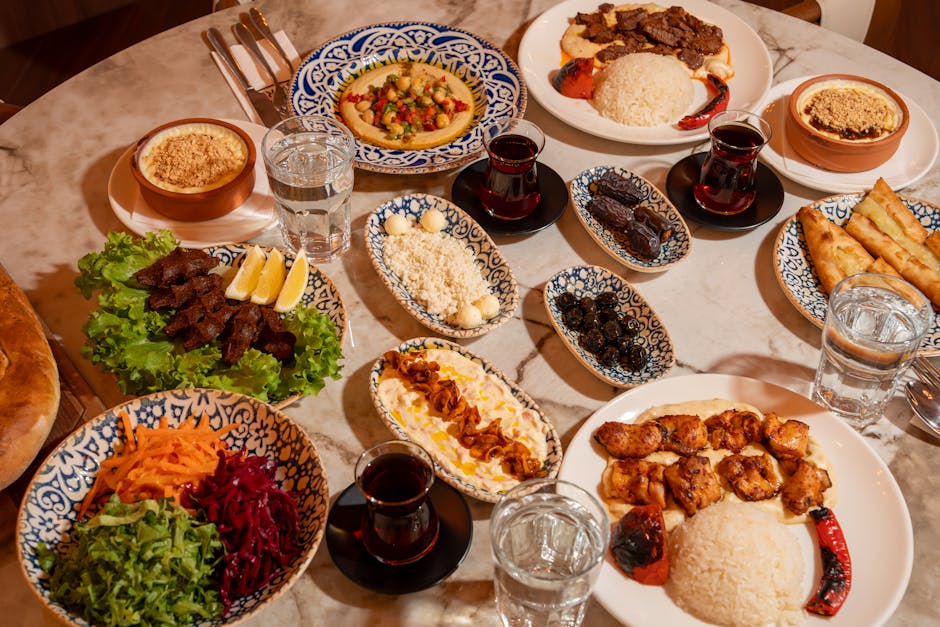
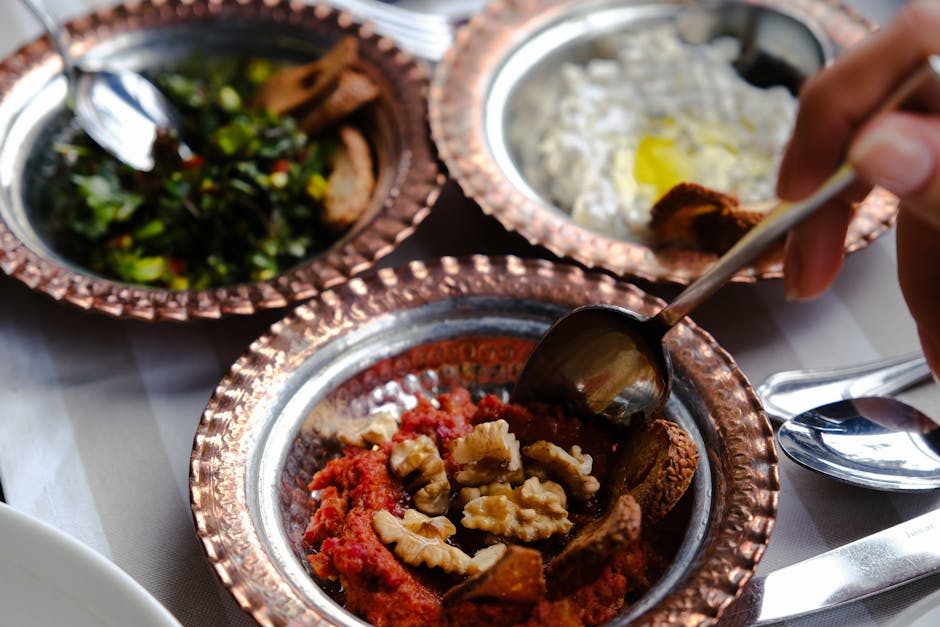
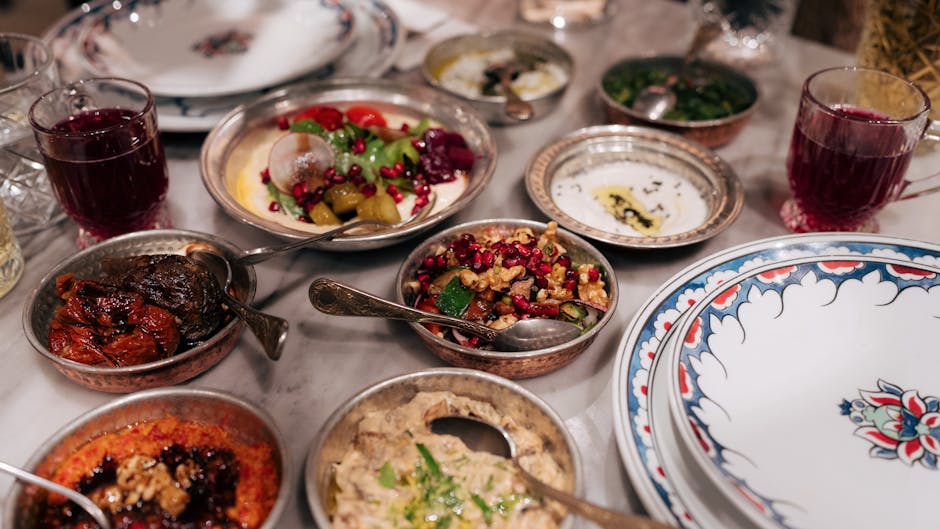
Second, don’t skip the meze. These small appetizers—like haydari (yogurt dip), acılı ezme (spicy tomato salad), and dolma (stuffed grape leaves)—offer a flavorful introduction to the meal and encourage sharing.
Third, be mindful of meal times. Lunch is typically served between 12:30 and 2:00 PM, while dinner starts after 7:00 PM. Many restaurants close between meals, so plan accordingly.
Finally, learn a few food-related Turkish phrases. Saying “Afiyet olsun!” (Enjoy your meal!) shows respect and is always appreciated.
Common Misconceptions About Turkish Food
One myth is that Turkish cuisine is overwhelmingly spicy. In reality, most dishes are mildly seasoned, with heat added optionally through sauces like pul biber (Aleppo pepper) or acı biber (hot red pepper flakes).
Another misconception is that all Turkish food is meat-heavy. While lamb and beef are common, vegetarian options are abundant, especially in regions like the Aegean, where olive oil-based vegetable dishes dominate.
Lastly, some assume Turkish food is the same as Middle Eastern cuisine. While there’s overlap, Turkish dishes have distinct techniques, ingredients, and cultural contexts that set them apart.
How to Recreate Turkish Flavors at Home
If you’re inspired to cook Turkish food after your trip, start with simple recipes like menemen, mercimek çorbası, or zeytinyağlı dishes. Key ingredients include olive oil, garlic, tomatoes, onions, parsley, and spices like cumin, paprika, and mint.
Invest in good-quality phyllo dough for baklava or börek (savory pastries), and use fresh herbs whenever possible. Many Turkish recipes rely on balance—sweet and sour, rich and light—so taste as you go and adjust seasoning accordingly.
Online resources and cookbooks by Turkish chefs can provide authentic guidance, but don’t be afraid to adapt recipes to your taste and available ingredients.
Final Thoughts on Turkish Culinary Travel
Exploring Turkey through its food is one of the most rewarding ways to connect with its culture and people. The best Turkish dishes to try aren’t just about taste—they’re about history, community, and the joy of shared meals.
Whether you’re savoring a simit at sunrise, sharing meze with friends at dusk, or indulging in baklava under Istanbul’s minarets, each bite tells a story. With this guide, you’re well-equipped to navigate Turkey’s culinary landscape and discover flavors that linger long after your trip ends.
FAQ
What is the most popular Turkish dish for first-time visitors?
Menemen and döner kebab are excellent starting points—both are widely available, flavorful, and representative of Turkish cooking styles.
Is Turkish food suitable for vegetarians?
Yes. Many traditional dishes like imam bayildi, zeytinyağlı vegetables, and mercimek çorbası are vegetarian, and meze spreads often include multiple plant-based options.
Where can I find the best baklava in Turkey?
Gaziantep is renowned for its baklava, particularly from historic sweet shops like Güllüoğlu. Look for versions made with fresh phyllo and high-quality pistachios.