Best Adventure Travel Destinations for Every Season of the Year
Adventure travel isn’t limited to one time of year—there’s an ideal destination for every season. Whether you’re chasing snow-capped peaks in winter, wildflower blooms in spring, sun-drenched trails in summer, or crisp autumn hikes, the right location can transform your trip. This guide highlights the best adventure travel destinations for every season, helping you match your outdoor passions with the perfect climate and terrain. From mountain treks to coastal explorations, you’ll find practical recommendations based on weather, accessibility, and seasonal highlights.
Spring: Rebirth and Renewal in Nature
Spring awakens landscapes with melting snow, blooming flora, and mild temperatures—ideal for hikers, cyclists, and nature photographers. As trails dry and wildlife becomes active, destinations from mountain valleys to coastal paths come alive.
Patagonia, Chile and Argentina
From October to November, Patagonia bursts into color with lupines, calafate flowers, and returning birdlife. The region’s vast national parks—Torres del Paine and Los Glaciares—offer moderate trekking conditions before summer crowds arrive.
Day hikes like the Base Torres trail or the Fitz Roy approach are accessible and less crowded. Weather remains unpredictable, so pack layers and waterproof gear. This shoulder season balances solitude and comfort.
Kyoto, Japan
While often associated with cherry blossoms, Kyoto in early April offers more than aesthetics. The city’s temple gardens and forested hills provide peaceful walking routes, such as the Philosopher’s Path or Mount Daimonji trails.
Spring here blends cultural exploration with light adventure. Combine a morning hike with a visit to Kinkaku-ji or Fushimi Inari Shrine. Book accommodations early—cherry blossom season draws significant crowds.
Moab, Utah, USA
March and April bring ideal temperatures to Moab’s red rock landscapes. Hiking, mountain biking, and canyoneering thrive in Canyonlands and Arches National Parks before summer heat sets in.
Popular routes like Delicate Arch or the White Rim Trail are more enjoyable in spring. Nights can still be chilly, so prepare for variable conditions. This is also a prime window for river rafting on the Colorado River.
Summer: Peak Conditions for High-Energy Adventures
Summer opens high-altitude trails, extends daylight hours, and warms northern latitudes—perfect for multi-day treks, water sports, and wildlife viewing. It’s the most popular season for adventure travel, so planning ahead is essential.
Swiss Alps, Switzerland
From June to August, the Swiss Alps offer some of Europe’s most reliable hiking and climbing conditions. Trails like the Haute Route or the Eiger Trail are fully accessible, with mountain huts providing shelter and meals.
Glaciers remain stable, and wildflower meadows dot the slopes. For a less crowded experience, explore the Engadin Valley or the Bernese Oberland. Always check avalanche reports and trail conditions, even in summer.
Banff and Jasper, Canada
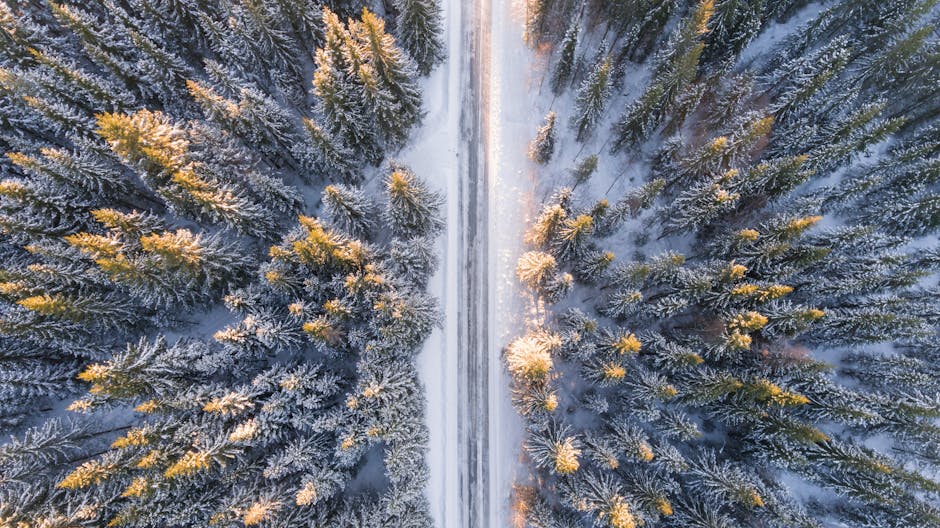
The Canadian Rockies shine in summer with long days and clear skies. Banff and Jasper National Parks offer everything from easy lakeside walks to challenging alpine climbs.
Lake Louise and Moraine Lake are stunning but busy—arrive early. For solitude, try the Skyline Trail in Jasper or the Rockwall in Kootenay. Wildlife is active, so carry bear spray and make noise on trails.
Norwegian Fjords, Norway
June through August brings midnight sun and mild weather to Norway’s fjords. Hiking, kayaking, and cycling routes like the Trolltunga trek or the Romsdalsegge Trail are at their best.
Ferries and buses connect remote areas, making multi-day adventures feasible. Pack for rain—summer storms are common. The long daylight hours allow for extended exploration without rushing.
Autumn: Crisp Air and Changing Colors
Autumn offers cooler temperatures, fewer crowds, and dramatic scenery as foliage shifts and wildlife prepares for winter. It’s an excellent time for hiking, photography, and cultural festivals in temperate zones.
Great Smoky Mountains, USA
September through October delivers peak fall colors in the Smokies. Trails like Alum Cave or Charlies Bunion offer panoramic views of red, orange, and gold forests.
The park’s biodiversity supports black bears, deer, and migratory birds. Visit mid-week to avoid weekend traffic. Nights are cold—pack warm clothing and check for early snow at higher elevations.
Alberta’s Kananaskis Country, Canada
Just outside Banff, Kananaskis offers rugged trails with fewer tourists. In September, larch trees turn golden, creating stunning alpine contrasts.
Routes like the Pocaterra Ridge or Rawson Lake are rewarding and less crowded than Banff’s main attractions. Weather can shift quickly—be prepared for snow at higher elevations.
Tuscany, Italy
October in Tuscany combines mild weather with harvest festivals and vineyard hikes. Trails through the Crete Senesi or the Crete Pisane offer rolling hills and medieval villages.
Combine walking with wine tastings in Chianti or Montalcino. Accommodations are more affordable than in summer. Trails are dry and stable, ideal for multi-day treks.
Winter: Snow, Ice, and Unique Challenges
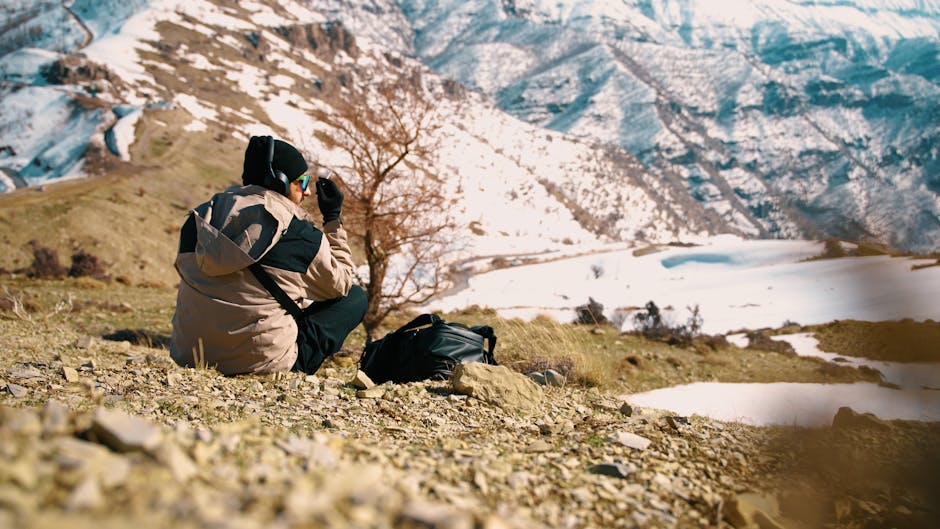
Winter adventure travel demands preparation but rewards with pristine landscapes, unique activities, and solitude. From snowshoeing to ice climbing, cold-weather destinations offer thrilling experiences for the prepared traveler.
Chamonix, France
December to March is prime time for alpine sports in Chamonix. Skiing, snowboarding, and ice climbing draw enthusiasts to Mont Blanc’s slopes.
For non-skiers, snowshoeing routes like the Lac Blanc loop offer quiet forest paths with mountain views. Avalanche risk is real—always travel with a guide or proper training. Rent gear locally to save on luggage.
Lapland, Finland
Winter in Lapland (December to February) means sub-zero temperatures, northern lights, and dog sledding. Rovaniemi and Saariselkä are hubs for snow-based adventures.
Try reindeer sleigh rides, ice fishing, or staying in a glass igloo. Dress in thermal layers—exposed skin can freeze quickly. Book northern lights tours in advance for the best chances.
Queenstown, New Zealand
While Northern Hemisphere winters are cold, Queenstown enjoys summer in June to August. This makes it a top Southern Hemisphere destination for adventure travel.
Bungee jumping, jet boating, and mountain biking thrive in the warm, dry climate. The Remarkables and Ben Lomond offer scenic hikes with lake views. Accommodations fill quickly—reserve early.
How to Choose the Right Destination for Your Adventure
Selecting the best adventure travel destination depends on your interests, fitness level, and tolerance for weather extremes. Consider what type of activity you enjoy—hiking, climbing, paddling, or cultural exploration—and match it to seasonal conditions.
Research average temperatures, rainfall, and daylight hours for your target season. Check government travel advisories and park regulations. Some trails close in winter or require permits in peak season.
Pack appropriately: layering systems work best for variable climates. Invest in quality footwear and weatherproof outerwear. Always carry a map, first-aid kit, and emergency communication device.
Start with shorter trips if you’re new to adventure travel. Build experience gradually before attempting multi-day treks or remote expeditions. Local guides can enhance safety and enrich your experience.
Seasonal Travel Tips for Adventurers
Timing your trip correctly can mean the difference between a great adventure and a frustrating one. Here are key considerations for each season.
Spring
Watch for lingering snow at high elevations. Trails may be muddy or washed out. Check trail reports before departure. Insect activity increases as temperatures rise—bring repellent.
Summer
Book accommodations and permits months in advance, especially in popular parks. Start hikes early to avoid afternoon thunderstorms. Carry extra water—dehydration is a common risk.
Autumn
Fall colors peak at different times depending on elevation and latitude. Use foliage trackers to plan your visit. Nights get cold quickly—pack a warm sleeping bag if camping.
Winter
Shorter days limit hiking time. Plan routes with turnaround points. Learn basic winter survival skills, such as recognizing hypothermia and building emergency shelters.
Safety and Preparation for Year-Round Adventure
No matter the season, preparation is key to a safe and enjoyable trip. Always inform someone of your itinerary and expected return time. Carry a charged phone, but don’t rely solely on it—signal is often unavailable in remote areas.
Check weather forecasts daily. Conditions can change rapidly in mountains or coastal regions. Avoid traveling alone in extreme environments. Group travel increases safety and support.
Respect local wildlife and follow Leave No Trace principles. Stay on marked trails to protect ecosystems and prevent getting lost. Leave natural objects where you find them.
Travel insurance that covers adventure activities is worth the investment. It can assist with medical emergencies, trip cancellations, or gear loss. Read policy details carefully.
Final Thoughts on Adventure Travel Through the Seasons
The best adventure travel destinations shift with the seasons, offering unique experiences year-round. From spring wildflowers to winter snowscapes, each time of year presents new opportunities for exploration and discovery. By matching your interests with seasonal conditions, you can plan trips that are both safe and rewarding.
Whether you’re drawn to mountain peaks, forest trails, or coastal paths, there’s a destination that fits your schedule and skill level. With proper planning and respect for nature, adventure travel can enrich your life in every season.
FAQ
What is the best time of year for adventure travel in mountainous regions?
Summer (June to August in the Northern Hemisphere) typically offers the most stable weather and open trails in mountainous areas. However, shoulder seasons like late spring or early autumn can provide fewer crowds and beautiful scenery.
Can I go adventure travel in winter safely?
Yes, with proper preparation. Winter adventures require appropriate clothing, knowledge of cold-weather safety, and awareness of avalanche or ice risks. Always travel with experienced guides or well-informed companions.
How do I avoid crowds at popular adventure destinations?
Travel during shoulder seasons (spring or autumn), visit mid-week, or explore lesser-known trails within popular regions. Booking accommodations and permits early also helps secure access during peak times.
Related keywords: Best Adventure Travel Destinations for Every Season of Year.