Best Indian Foods to Try in Culinary Travel Guide
India’s culinary landscape is as diverse as its culture, offering a rich tapestry of flavors, textures, and aromas that reflect centuries of tradition and regional influence. From the buttery richness of North Indian curries to the tangy heat of South Indian dosas, every bite tells a story. If you’re planning a culinary journey through India, knowing which dishes to seek out is essential. This guide highlights the best Indian foods to try, helping travelers navigate menus, street stalls, and home kitchens with confidence and curiosity.
Whether you’re a first-time visitor or a seasoned food explorer, this list prioritizes authenticity, regional significance, and flavor impact. We focus on dishes that define local cuisines and offer memorable experiences—avoiding tourist traps in favor of genuine, time-tested favorites. Each recommendation includes context on where to find it, how it’s prepared, and why it matters in India’s food culture.
North Indian Classics: Rich, Aromatic, and Comforting
North Indian cuisine is known for its creamy curries, tandoor-baked breads, and slow-cooked meats. Influenced by Mughal traditions, the food here balances warmth and depth with spices like cardamom, cinnamon, and cumin.
Butter Chicken (Murgh Makhani)
Butter chicken is perhaps India’s most internationally recognized dish. Originating in Delhi in the 1950s, it features tender chicken simmered in a velvety tomato-based gravy enriched with butter and cream. The sauce is mildly spiced, making it accessible even to those new to Indian food.
Best enjoyed with naan or jeera rice, this dish shines in restaurants like Moti Mahal in Delhi, where it was first created. Avoid overly sweet or watery versions—authentic butter chicken should be rich but not cloying.
Dal Makhani
This slow-cooked lentil dish combines black lentils (urad dal) and kidney beans (rajma) with butter, cream, and a blend of whole spices. Traditionally simmered overnight, dal makhani achieves a luxuriously thick consistency.
It’s a staple in Punjabi dhabas—roadside eateries known for hearty, no-frills meals. Pair it with tandoori roti or steamed basmati rice. Look for versions that are deep in color and slightly smoky from the tandoor.
Tandoori Chicken
Marinated in yogurt and spices like Kashmiri red chili, turmeric, and garam masala, tandoori chicken is cooked in a cylindrical clay oven called a tandoor. The result is charred, smoky, and juicy—especially when the skin crisps slightly at the edges.
For the best experience, visit a traditional dhaba in Punjab or Delhi. The chicken should be bright red or orange from natural dyes; avoid overly artificial-looking versions. Serve with mint chutney and onion rings.
Naan and Roti Varieties
No North Indian meal is complete without bread. Naan, leavened with yeast and baked in the tandoor, is soft and pillowy, perfect for scooping up curries. Garlic naan and butter naan are popular variations.
Roti, made from whole wheat flour, is lighter and healthier. Paratha, a flaky, layered flatbread often stuffed with potatoes or paneer, is ideal for breakfast or street food stops. Always order fresh—stale naan loses its appeal quickly.
South Indian Delights: Light, Spicy, and Fermented
South Indian food emphasizes rice, lentils, coconut, and tamarind, with a focus on fermentation and balanced heat. Dishes here are often vegetarian and served in combinations that create a complete meal.
Dosa
A dosa is a thin, crispy crepe made from fermented rice and urad dal batter. It’s typically served with sambar (a lentil-based vegetable stew) and coconut chutney. The fermentation process gives it a slight tang and aids digestion.
Try a masala dosa—stuffed with spiced potato filling—for a filling meal. In Chennai or Bangalore, look for small eateries where dosas are made fresh on cast-iron griddles. A well-made dosa should be golden brown and audibly crisp when folded.
Idli and Vada
Idlis are soft, steamed rice cakes with a spongy texture, while vadas are savory, deep-fried lentil donuts. Both are breakfast staples, especially in Tamil Nadu and Karnataka.
They’re light yet satisfying, often eaten with sambar and chutney. Idlis are low-fat and easy on the stomach, making them ideal for travelers adjusting to new spices. Freshness matters—idlis should spring back when pressed lightly.
Hyderabadi Biryani
This iconic rice dish layers marinated meat—usually chicken or mutton—with fragrant basmati rice, saffron, and fried onions. Cooked using the “dum” method (slow-steamed in a sealed pot), the flavors meld beautifully.
Hyderabad is the undisputed capital of biryani, with restaurants like Paradise and Bawarchi serving legendary versions. Vegetarian biryani with paneer or vegetables is also widely available. Avoid overly greasy or under-seasoned versions.
Filter Coffee
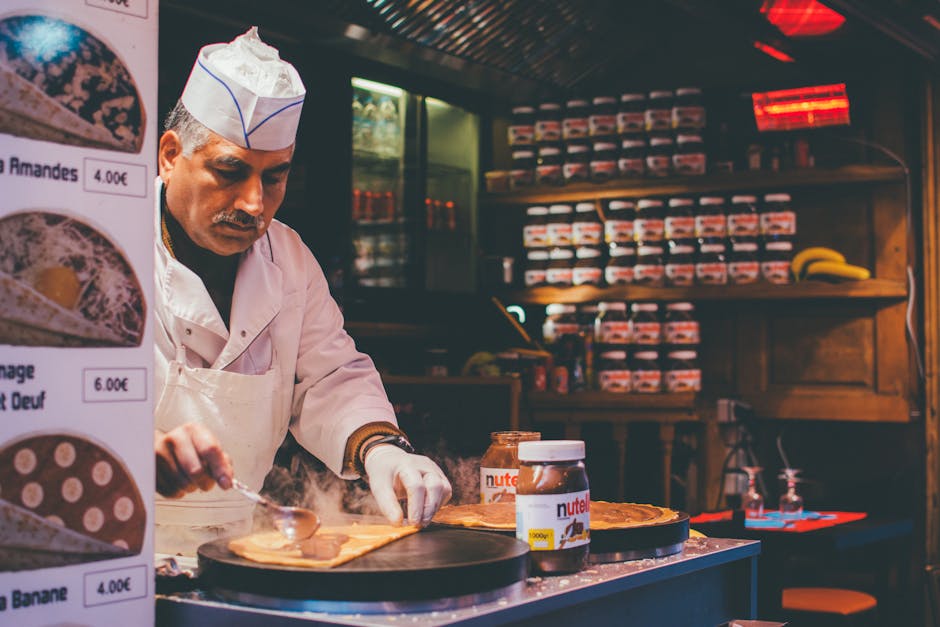
South India takes its coffee seriously. Filter coffee is brewed using a metal filter, mixing dark-roasted coffee with chicory, then diluted with hot milk and sugar. It’s strong, aromatic, and served in small stainless steel tumblers and dabaras (two-piece cups).
Enjoy it in a traditional “mess” or café in Karnataka or Tamil Nadu. The ritual of pouring from a height aerates the drink and enhances flavor. It’s a must-try for coffee lovers.
Street Food Favorites: Bold, Quick, and Unforgettable
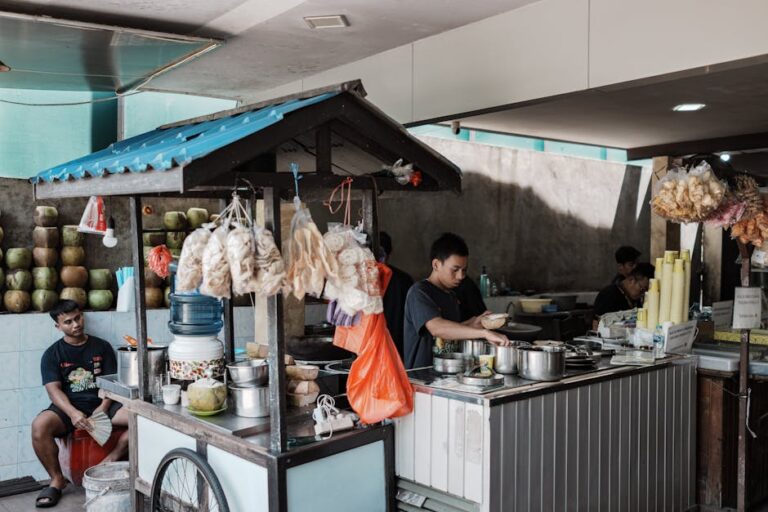
Indian street food is a sensory adventure—spicy, tangy, crunchy, and deeply satisfying. These snacks are best eaten fresh and on the go, often from bustling markets or roadside carts.
Pani Puri (Golgappa)
These hollow, crispy puris are filled with a spicy mix of tamarind water, chickpeas, and potatoes, then popped whole into the mouth. The burst of flavor is immediate and exhilarating.
Common in cities like Mumbai, Delhi, and Kolkata, pani puri vendors often customize the spice level. Choose vendors with high turnover to ensure freshness. Eat quickly—the puris soften fast.
Chaat
Chaat refers to a category of savory snacks featuring fried dough, potatoes, chickpeas, yogurt, and chutneys. Popular varieties include aloo tikki chaat (spiced potato patties) and bhel puri (puffed rice mix).
Found in every major city, chaat is best enjoyed in crowded markets like Chandni Chowk in Delhi or Juhu Beach in Mumbai. Look for stalls that prepare food to order and use clean utensils.
Vada Pav
Often called Mumbai’s answer to the burger, vada pav consists of a deep-fried potato fritter (vada) sandwiched in a soft bread roll (pav) with spicy chutneys. It’s cheap, filling, and deeply satisfying.
Try it at local favorites like Ashok Vada Pav or Jai Jai Maharashtra. The best versions have a crisp exterior and a fluffy interior, with chutneys that add heat and tang.
Kathi Rolls
Originating in Kolkata, kathi rolls are skewered meats or paneer wrapped in paratha with onions, chutneys, and spices. They’re portable, flavorful, and perfect for lunch on the move.
New Delhi and Kolkata have the best kathi roll joints, such as Nizam’s and Khan Chacha. Opt for grilled over fried versions when possible for a lighter option.
Regional Specialties: Hidden Gems Beyond the Mainstream
India’s culinary map extends far beyond the usual suspects. Each state offers unique dishes shaped by geography, climate, and cultural heritage.
Dhokla (Gujarat)
Dhokla is a steamed cake made from fermented rice and chickpea flour, seasoned with mustard seeds and curry leaves. It’s light, spongy, and slightly sour, often served as a snack or breakfast.
Popular in Gujarat and parts of Maharashtra, it’s a great option for vegetarians and those avoiding gluten. Look for bright yellow, moist versions—dry or crumbly dhokla is past its prime.
Momos (Sikkim and Northeast India)
These steamed dumplings, influenced by Tibetan cuisine, are filled with spiced vegetables or meat. Served with fiery tomato or sesame chutney, they’re a favorite in hill stations like Darjeeling and Gangtok.
Fried momos offer a crispier texture, but steamed versions are lighter. Best enjoyed in small eateries near monasteries or market squares.
Appam with Stew (Kerala)
Appam is a lacy, bowl-shaped pancake made from fermented rice batter and coconut milk. It’s typically served with a mild, creamy stew of vegetables or chicken, flavored with coconut and green chilies.
This combination is a breakfast staple in Kerala, especially in Christian households. The contrast between the soft center and crisp edges of the appam is key to its appeal.
Litti Chokha (Bihar)
Litti are baked dough balls stuffed with sattu (roasted gram flour) and spices, served with chokha—a smoky mash of roasted eggplant, tomatoes, and potatoes. Hearty and rustic, it’s a peasant dish elevated by flavor.
Best eaten in rural Bihar or at cultural festivals. The smokiness comes from roasting over wood or charcoal—avoid overly dry or bland versions.
Desserts and Sweets: A Sweet Finish to Every Meal
Indian sweets are rich, diverse, and deeply embedded in festivals and celebrations. They range from milk-based confections to fried, syrup-soaked delights.
Gulab Jamun
These soft, deep-fried milk-solid balls are soaked in a fragrant sugar syrup flavored with rose water and cardamom. Warm gulab jamun is a comforting dessert, especially in winter.
Found nationwide, they’re best fresh—avoid hard or rubbery versions. Pair with a scoop of vanilla ice cream for a decadent treat.
Rasgulla
Originating in Odisha and popularized in West Bengal, rasgulla is made from chenna (cottage cheese) and semolina, cooked in light sugar syrup. It’s spongy, juicy, and refreshing.
The debate between Odia and Bengali rasgulla continues, but both are delicious. Look for soft, springy balls that aren’t overly sweet.
Jalebi
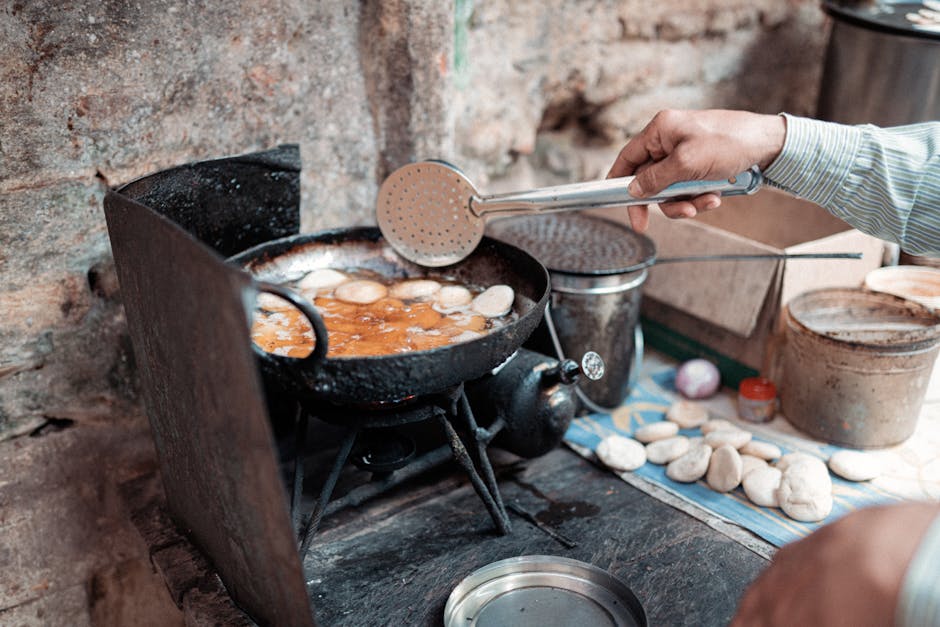
Jalebi is made by deep-frying wheat flour batter in spiral shapes, then soaking it in saffron-infused sugar syrup. It’s crispy on the outside, syrupy inside, and best eaten hot.
Common at festivals and breakfast stalls, jalebi is often paired with yogurt or rabri (reduced milk). Avoid soggy or cold versions—freshness is crucial.
Kulfi
India’s traditional ice cream, kulfi is denser and creamier than Western ice cream, made by slow-cooking milk with sugar and flavors like pistachio, cardamom, or mango.
Served in conical molds, it’s often grilled or dipped in silver leaf. Try it at street carts in Old Delhi or during summer festivals. Avoid overly icy or artificial-tasting versions.
Vegetarian and Vegan Options: Abundant and Flavorful
India is a paradise for vegetarians, with countless plant-based dishes that are both nutritious and delicious. Even strict vegans will find satisfying options.
Paneer Dishes
Paneer, a fresh Indian cheese, is used in curries like palak paneer (spinach) and paneer tikka (grilled). It’s high in protein and absorbs spices well.
Look for soft, white paneer—avoid rubbery or overly processed versions. Many restaurants offer vegan paneer substitutes made from tofu.
Chana Masala
This chickpea curry is a staple across India, made with tomatoes, onions, ginger, garlic, and a blend of spices. It’s hearty, vegan, and often served with rice or roti.
Street vendors and home kitchens alike serve excellent versions. The best chana masala has a thick gravy and well-cooked chickpeas that aren’t mushy.
Vegetable Biryani
A lighter alternative to meat biryani, this version uses mixed vegetables, saffron, and fragrant spices. It’s colorful, flavorful, and satisfying.
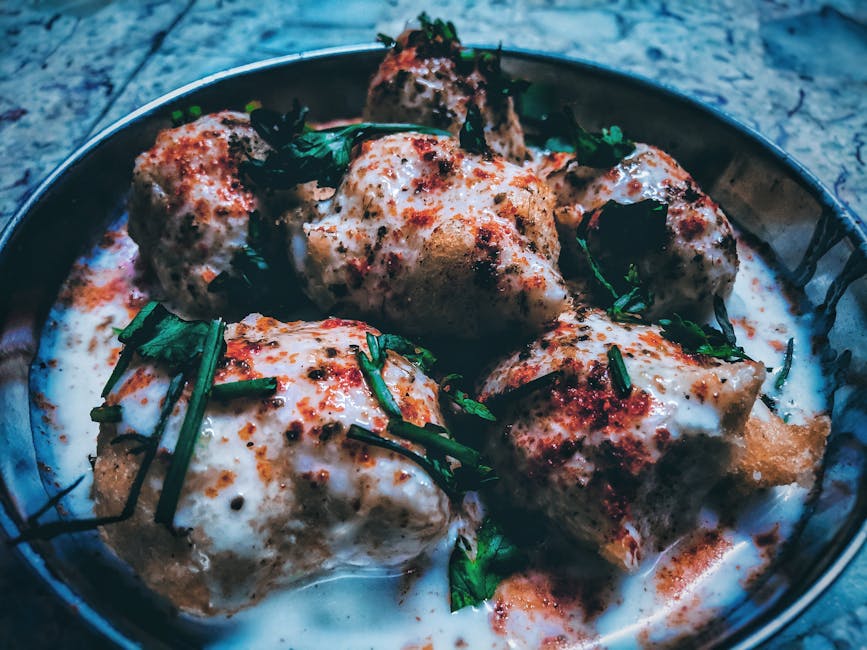
Common in South Indian and Hyderabadi cuisines, it’s often served in thalis (platters with multiple small dishes). Ensure the rice is fluffy and not overcooked.
Tips for Eating Safely While Traveling
Indian food is generally safe and delicious, but travelers should take precautions to avoid stomach issues.
Choose Busy, Clean Stalls
High turnover means fresher food. Look for stalls with long lines or busy service. Clean utensils and handwashing practices are good signs.
Drink Bottled or Filtered Water
Avoid ice in drinks unless you’re sure it’s made from purified water. Stick to sealed bottled water or use a portable filter.
Start Mild, Build Tolerance
If you’re not used to spicy food, begin with milder dishes like dal, idli, or butter chicken. Gradually introduce spicier options like vindaloo or phaal.
Carry Digestive Aids
Probiotics, antacids, or ginger supplements can help ease digestion. Yogurt-based drinks like lassi also aid in soothing the stomach.
Where to Find the Best Indian Food
The best meals often come from unexpected places—not just high-end restaurants.
Local Dhabas
These roadside eateries, especially in North India, serve authentic, home-style meals. They’re affordable, no-frills, and beloved by locals.
Home-Style Restaurants
Look for places labeled “family restaurant” or “home kitchen.” These often serve traditional recipes passed down through generations.
Food Festivals and Melas
Cultural fairs and religious festivals feature regional specialties. Diwali, Pongal, and Eid are great times to sample diverse sweets and snacks.
Guided Food Tours
Join a local food tour in cities like Delhi, Mumbai, or Chennai. Guides introduce you to hidden gems and explain the cultural context of each dish.
Final Thoughts
Exploring India through its food is one of the most rewarding parts of travel. The best Indian foods to try are those that connect you to local life—whether it’s a steaming plate of biryani in Hyderabad, a crispy dosa in Chennai, or a buttery naan in Amritsar. Each dish offers a window into history, geography, and community.
Don’t be afraid to step off the beaten path. Some of the most memorable meals happen in small towns, family kitchens, or bustling markets. Approach each bite with curiosity, respect, and an open mind. Your taste buds—and your travel stories—will thank you.
FAQ
What is the most popular Indian dish for first-time visitors?
Butter chicken is often recommended for newcomers due to its mild spice level and creamy texture. It’s widely available and easy to enjoy with naan or rice.
Is Indian street food safe to eat?
Yes, if you choose busy, clean vendors with high turnover. Avoid raw salads, unpeeled fruits, and tap water. Stick to freshly cooked, hot foods.
Can vegetarians find good food in India?
Absolutely. India has a rich vegetarian tradition, with countless plant-based dishes like dal, chana masala, dosa, and paneer curries available in every region.