
Family Travel Tips for Smarter Packing With Children
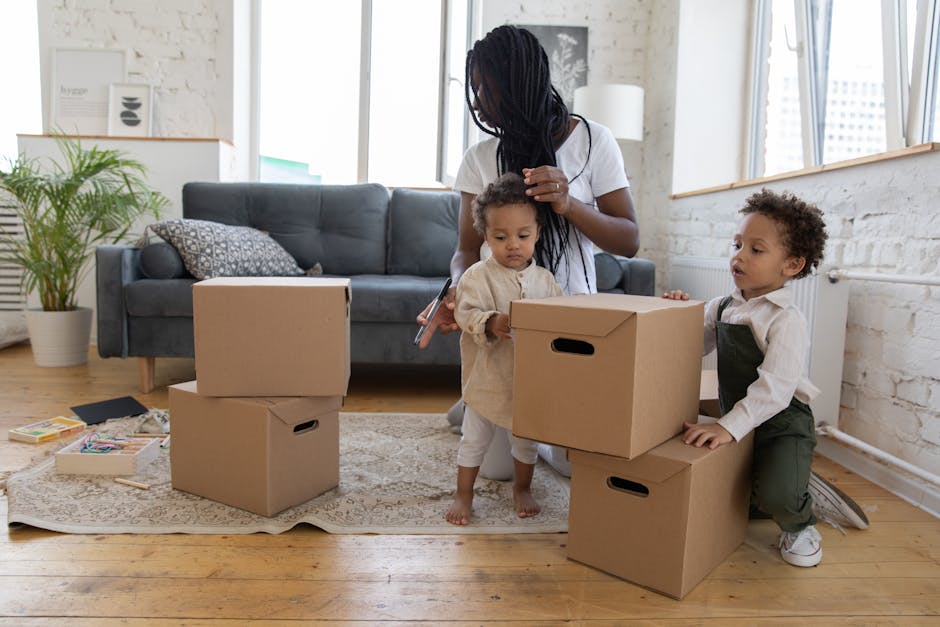
Traveling with kids doesn’t have to mean overpacking or last-minute chaos. With a few smart strategies, you can pack efficiently, reduce stress, and keep your family comfortable on the go. Whether you’re heading to the beach, a mountain cabin, or a city hotel, these family travel tips for smarter packing with children will help you travel lighter and smarter. Focus on essentials, involve your kids in the process, and use space-saving techniques to make every trip smoother.
Start with a Family Packing Checklist
Before you even open a suitcase, create a shared checklist tailored to your destination and trip length. Include categories like clothing, toiletries, medications, entertainment, and travel documents. A checklist prevents forgotten items and reduces the temptation to overpack “just in case.”
Use a digital tool like Google Docs or a family app so everyone can add their must-haves. For younger kids, include simple icons next to items—like a toothbrush or stuffed animal—so they can help check things off. This builds responsibility and excitement.
Customize by Age and Destination
Infants need diapers, formula, and extra changes of clothes. Toddlers require snacks, comfort items, and activity books. School-age children may want their own small backpack with books, tablets, or games.
Destination matters too. A beach trip calls for swimwear, sunscreen, and sand toys. A ski vacation needs layers, gloves, and goggles. Adjust your list based on weather, activities, and local amenities. If your hotel provides toiletries, skip bringing full-size bottles.
Pack Smart: Clothing Strategies That Save Space
Clothing often takes up the most room—and causes the most stress. The key is to pack versatile, mix-and-match outfits that can be layered or reused.
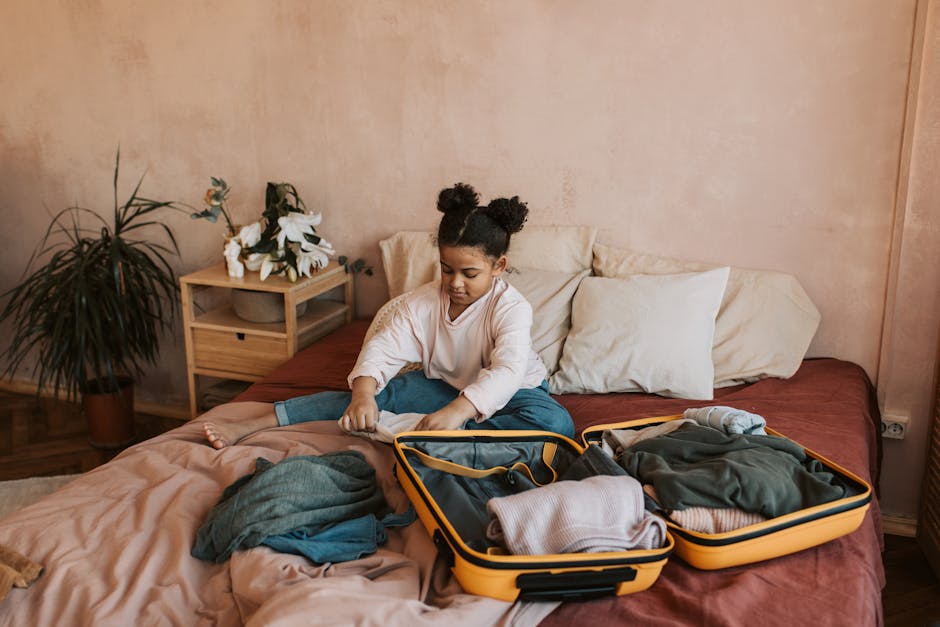
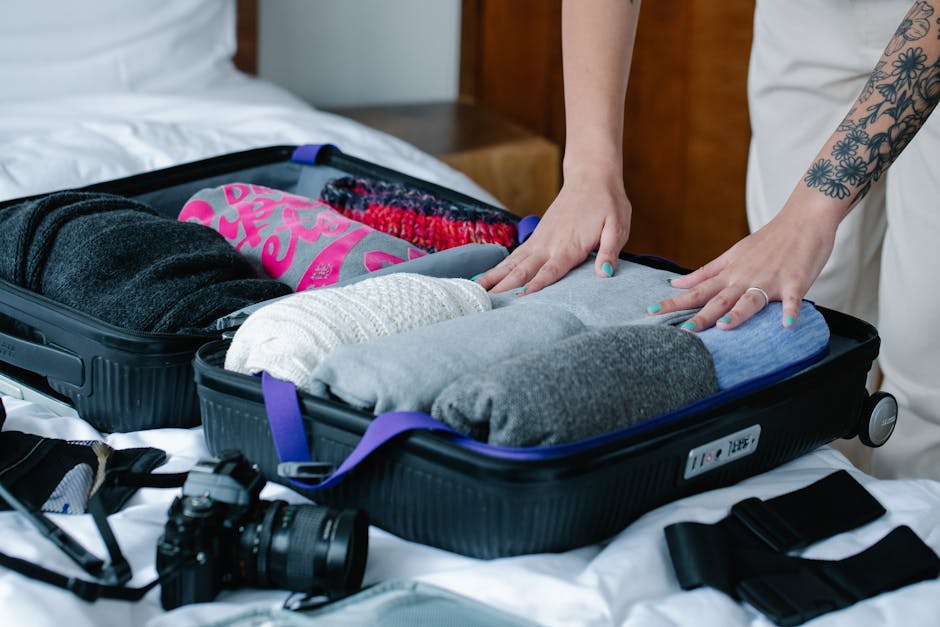
Choose a color scheme—like navy, gray, and white—so every top goes with every bottom. Pack one outfit per day, plus one extra in case of spills or weather changes. Roll clothes instead of folding to save space and reduce wrinkles.
Use Packing Cubes and Compression Bags
Packing cubes keep items organized and make unpacking easier. Assign one cube per child or category (e.g., pajamas, socks, swimwear). Compression bags are ideal for bulky items like jackets or sweaters—they can reduce volume by up to 50%.
Label each cube with a sticky note or color code them. This helps kids find what they need without unpacking everything. It also makes repacking faster at the end of the trip.
Dress the Kids in Their Heaviest Items
On travel days, have children wear their bulkiest shoes, jackets, and jeans. This frees up suitcase space and reduces the number of items you need to carry. It also keeps them warm during transit.
For flights, choose slip-on shoes for easy security checks. Avoid new shoes that might cause blisters. Pack a change of clothes in your carry-on in case of delays or lost luggage.
Essential Items to Keep in Your Carry-On
Always pack a well-stocked carry-on with essentials your family might need during transit or upon arrival. This is your safety net.
Include snacks, water bottles, a change of clothes for each child, diapers and wipes (if needed), medications, hand sanitizer, and a first-aid kit. Don’t forget chargers, headphones, and a portable power bank.
Entertainment That Doesn’t Take Up Space
Long car rides or flights can test even the most patient child. Instead of packing a bag full of toys, opt for compact, reusable entertainment.
Download movies, audiobooks, or games onto a tablet. Bring a small notebook and crayons for drawing. Magnetic travel games like tic-tac-toe or checkers are lightweight and fun. A simple deck of cards offers hours of entertainment.
Rotate activities every 30–60 minutes to maintain interest. Avoid screen overload by scheduling breaks for snacks, stretching, or quiet time.
Involve Kids in the Packing Process
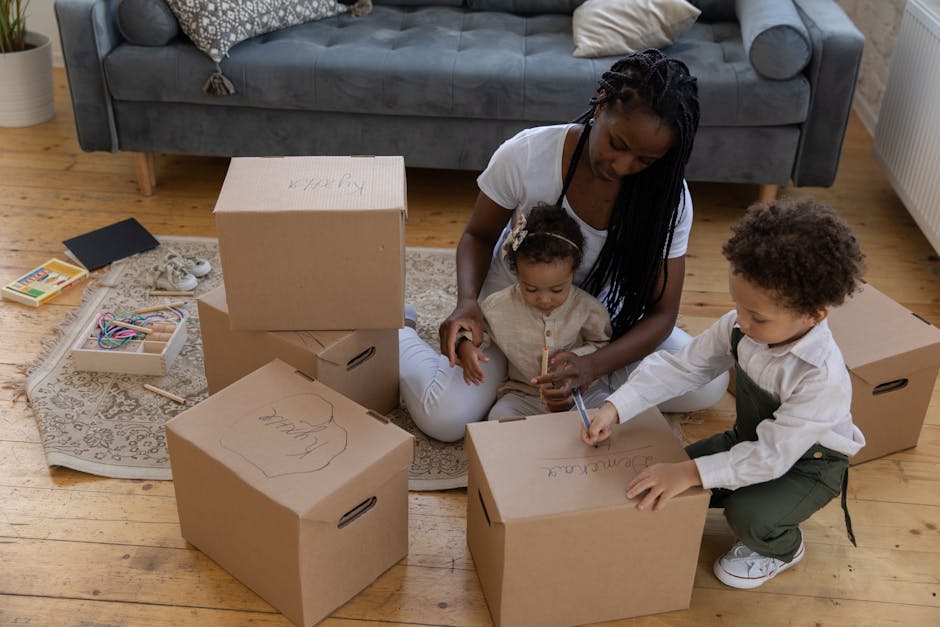
When children help pack, they’re more likely to cooperate during the trip. Give each child a small, personal bag to manage—like a backpack or tote.
Let them choose one special toy, a favorite book, or a comfort item. This gives them a sense of control and makes them feel included. Just set limits: “You can bring one stuffed animal and one small toy.”
Teach Them to Pack Their Own Clothes
For older kids, guide them through selecting outfits. Ask, “What will you wear on the plane?” or “Do you have clothes for swimming?” This builds decision-making skills and reduces last-minute arguments.
Use a visual chart with pictures of clothing items. For younger children, pre-pack outfits in labeled Ziploc bags—each bag contains a complete set for one day. This makes dressing quick and easy.
Minimize Toiletries and Personal Care Items
Toiletries can add weight and take up valuable space. Buy travel-sized containers or use refillable bottles for shampoo, lotion, and toothpaste.
Many hotels provide basics like soap and shampoo, so check ahead. For families, a single bottle of multi-use body wash can serve as shampoo, face wash, and hand soap.
Pack a Compact First-Aid Kit
A small first-aid kit is essential. Include band-aids, antiseptic wipes, pain relievers, allergy medication, and any prescription drugs. Add a small bottle of hand sanitizer and tissues.
Keep medications in their original packaging with labels intact, especially when flying. Include a printed list of dosages and emergency contacts.
Plan for Diapers, Formula, and Baby Gear
If you’re traveling with an infant, plan carefully. Bring enough diapers for the trip, plus extras for delays. Use a diaper caddy to keep wipes, cream, and a changing pad organized.
For formula-fed babies, pre-measure portions in small containers or use ready-to-feed bottles for convenience. If breastfeeding, pack a nursing cover and extra burp cloths.
Rent or Borrow Large Items
Instead of bringing a stroller, high chair, or crib, check if your destination offers rentals. Many vacation rentals, hotels, and airports provide these items for free or a small fee.
Call ahead to confirm availability. This saves space in your vehicle and reduces the risk of damage or loss.
Use Technology to Stay Organized
Apps and digital tools can streamline packing. Try a family packing app like PackPoint or TripIt to generate customized lists based on weather and itinerary.
Take photos of your packed suitcase before you leave. If luggage is lost, you’ll have a visual record to help identify it. Store important documents—like passports and insurance—in a cloud folder accessible from any device.
Set Up a Family Command Center
At home, create a designated spot for travel items—a shelf or bin near the door. Store chargers, passports, and packing cubes there so they’re always ready.
Use a whiteboard to track what’s packed and what’s still needed. Assign tasks: “Mom packs toiletries, Dad handles electronics, kids pack their backpacks.”
Avoid Common Packing Mistakes
Even experienced travelers make errors. One common mistake is overpacking “just in case.” Unless you’re going off-grid, most items can be bought at your destination.
Another pitfall is forgetting travel documents. Keep passports, tickets, and reservations in a single folder or digital wallet. Make copies and store them separately.
Don’t Forget the Snacks
Hunger leads to meltdowns. Pack non-perishable snacks like granola bars, crackers, fruit pouches, and trail mix. Avoid messy or sticky options that are hard to clean up.
For long trips, bring a small cooler with yogurt, cheese sticks, or cut fruit. Reusable silicone bags are great for portioning and reduce waste.
Make the Most of Hotel Amenities
Hotels often provide items you don’t need to pack. Check if your room has a mini-fridge, coffee maker, or microwave. Some offer free toiletries, towels, and even kids’ activity kits.
Ask about laundry services or coin-operated machines. Doing one load of laundry can cut your packing needs in half on longer trips.
Use the Hotel Safe
Store valuables—like extra cash, jewelry, or electronics—in the room safe. This frees up space in your suitcase and gives you peace of mind.
Keep daily essentials like phones, wallets, and keys with you. Avoid leaving items on nightstands or in plain sight.
Prepare for the Unexpected
Delays, weather changes, and lost luggage happen. Pack a “just-in-case” kit with basics: a change of clothes, toiletries, snacks, and entertainment for each child.
Keep this kit in your carry-on. If your checked luggage is delayed, you’ll still have what you need for the first 24 hours.
Know Your Airline’s Baggage Policy
Check weight and size limits before you leave. Some airlines charge extra for overweight bags or second suitcases. Weigh your luggage at home using a bathroom scale.
If flying with strollers or car seats, confirm whether they count toward your baggage allowance. Many airlines allow them for free.
Teach Kids to Be Travel-Ready
Prepare children mentally for the trip. Talk about the destination, the flight, and what to expect. Read books or watch videos about traveling to ease anxiety.
Practice walking through security or sitting quietly in a car. Role-play scenarios like asking for help or staying close in crowds.
Set Clear Expectations
Explain rules in advance: “We stay together in the airport,” or “No running in the hotel hallway.” Offer small rewards for good behavior, like choosing the next audiobook.
Bring a comfort item—like a favorite blanket or stuffed animal—to help younger kids feel secure in new environments.
FAQ
What should I pack in my carry-on when traveling with kids?
Always include a change of clothes, snacks, medications, entertainment, diapers (if needed), and essential documents. Keep this bag lightweight and easy to carry through airports or stations.
How can I prevent overpacking for a family trip?
Use a detailed checklist, pack versatile clothing, and involve kids in choosing their items. Stick to one outfit per day plus one extra, and use packing cubes to stay organized.
Is it worth renting baby gear instead of bringing my own?
Yes, if your destination offers reliable rentals. It saves space, reduces weight, and avoids the risk of damage. Call ahead to confirm availability and condition.