Adventure Travel Planning Guide for Beginners and Experts
Whether you’re a first-time adventurer or a seasoned explorer, planning an adventure trip requires thoughtful preparation. This guide covers everything from choosing your destination to packing smart and staying safe—no matter your experience level. You’ll learn how to match activities to your fitness, budget realistically, and avoid common pitfalls that can turn excitement into stress. By the end, you’ll have a clear, actionable framework for planning your next outdoor journey with confidence.
Understanding Your Adventure Style
Adventure travel isn’t one-size-fits-all. Some travelers seek high-altitude treks, while others prefer kayaking remote coastlines or cycling through rural villages. Start by identifying what “adventure” means to you. Are you drawn to physical challenges, cultural immersion, or solitude in nature?
Consider your fitness level honestly. A multi-day mountain hike demands endurance, while a wildlife safari may require only moderate walking. Be realistic about your limits—pushing too hard can lead to injury or burnout. If you’re new, begin with shorter, well-supported trips before attempting remote or technical routes.
Matching Activities to Skill Level
Beginners should look for guided tours with established safety protocols. Companies like G Adventures or Intrepid Travel offer structured itineraries with local guides. These trips often include transportation, meals, and emergency support—ideal for first-timers.
Experienced travelers might prefer self-planned expeditions. For example, trekking the Torres del Paine Circuit in Chile requires navigation skills and gear knowledge. Always research permit requirements, weather patterns, and trail conditions before going solo.
Defining Your Comfort Zone
Adventure doesn’t mean discomfort. Glamping in Mongolia or staying in eco-lodges in Costa Rica blends exploration with basic luxuries. Decide how much roughing it you’re willing to accept. Sleeping in a tent for a week? Or is a cabin with a hot shower more your speed?
Your comfort preferences affect gear choices, budget, and even destination selection. A desert trek in Jordan will demand different accommodations than a jungle expedition in Borneo. Align your trip design with your personal thresholds.
Choosing the Right Destination
Location sets the tone for your entire trip. Research destinations that align with your interests, season, and travel restrictions. Popular spots like Nepal’s Annapurna Circuit or New Zealand’s South Island offer well-marked trails and reliable infrastructure.
Lesser-known regions—such as Georgia’s Svaneti Mountains or Namibia’s Skeleton Coast—can provide solitude and authenticity but may lack emergency services. Always check government travel advisories and local conditions before booking.
Season and Weather Considerations
Timing is critical. Hiking in the Alps is safest from June to September, while Patagonia’s summer runs from December to February. Traveling off-season may save money but increases risks like snow closures or extreme heat.
Use climate data from sources like WeatherSpark or local tourism boards. Avoid monsoon seasons in Southeast Asia or hurricane periods in the Caribbean. A well-timed trip enhances safety and enjoyment.
Permits, Regulations, and Local Customs
Many adventure destinations require permits. In Peru, the Inca Trail limits daily hikers and mandates guided tours. In Bhutan, all tourists must pay a daily tariff that includes lodging and a guide.
Respect local customs. In Morocco, dress modestly in rural areas. In Japan, remove shoes before entering traditional lodgings. Researching cultural norms prevents misunderstandings and shows respect.
Creating a Realistic Budget
Adventure travel can be affordable or extravagant—it depends on your choices. Budget travelers can explore Thailand’s islands for under $30 a day, while luxury safaris in Kenya can cost thousands per person.
Break down costs: flights, accommodations, gear, food, permits, guides, and insurance. Use tools like Google Flights to track airfare trends and set price alerts. Booking flights 2–3 months in advance often yields savings.
Hidden Costs to Anticipate
Unexpected expenses arise. Rental gear, visa fees, airport transfers, and tips for guides add up. In Nepal, porters expect gratuity—typically $15–20 per day. In Iceland, fuel surcharges for 4×4 rentals can double vehicle costs.
Always budget 10–15% extra for emergencies. A delayed flight, medical issue, or lost gear can derail a tight budget. Flexibility prevents financial stress.
Cost-Saving Strategies
Travel during shoulder seasons for lower prices and fewer crowds. Consider group tours—they often negotiate bulk rates for lodging and transport. Camping or staying in hostels cuts accommodation costs significantly.
Buy used gear from REI or Decathlon’s outlet section. Rent specialized equipment like climbing harnesses or kayaks locally instead of shipping your own. Smart spending lets you extend your trip or upgrade experiences.
Packing Smart for Adventure
Overpacking slows you down; underpacking risks safety. Focus on versatility, weight, and durability. A 40–60L backpack suits most multi-day trips. Choose moisture-wicking base layers, a waterproof shell, and sturdy footwear.
Test your gear before departure. Break in hiking boots on local trails. Set up your tent at home. Familiarity prevents surprises in the field.
Essential Gear Checklist
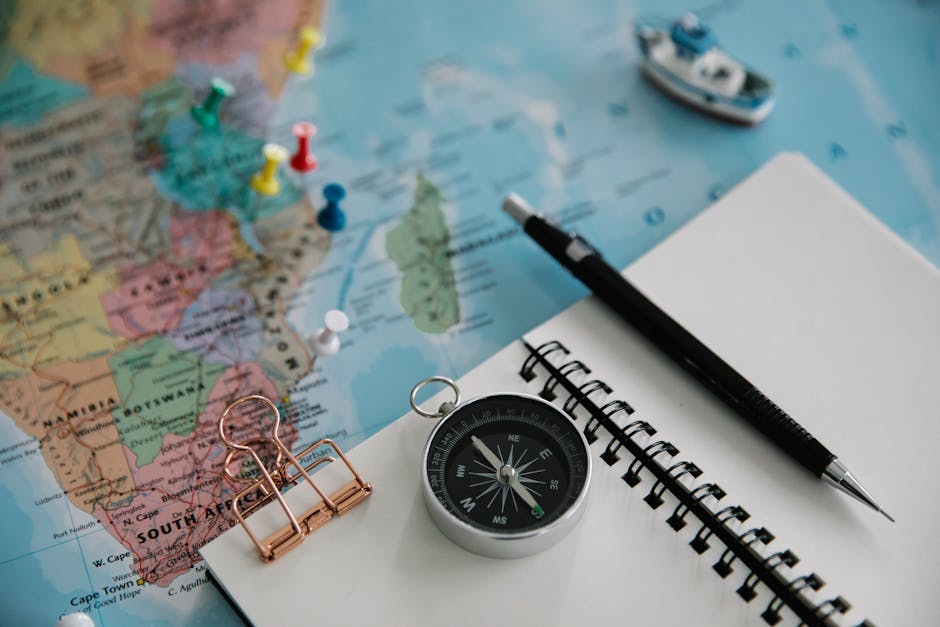
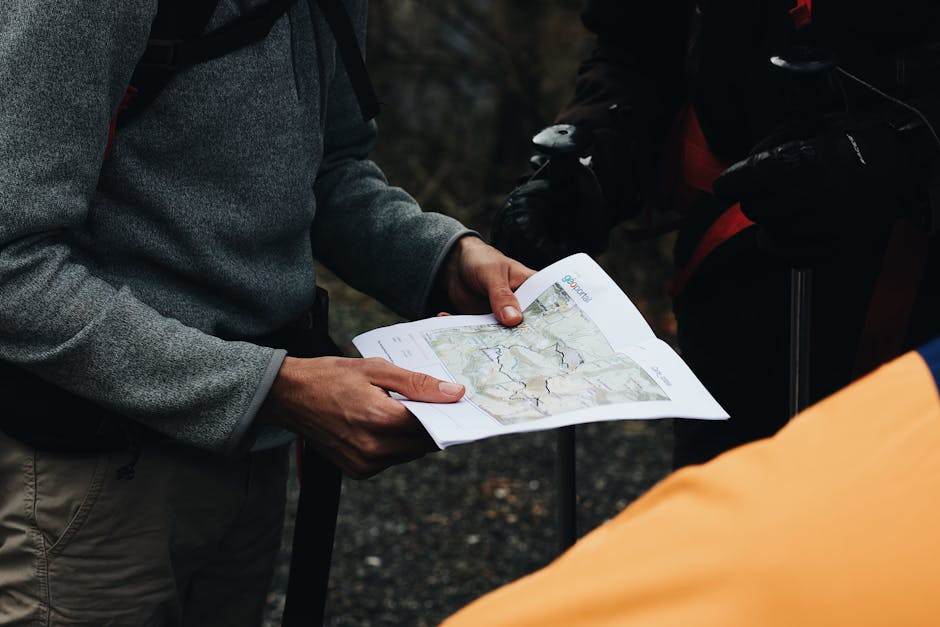
Core items include a first-aid kit, headlamp, water filter, multi-tool, and navigation tools (map, compass, GPS). For cold climates, add insulated sleeping bags and hand warmers. In tropical zones, pack insect repellent and quick-dry clothing.
Electronics: Bring a power bank, universal adapter, and waterproof phone case. Satellite communicators like Garmin inReach are lifesavers in remote areas with no cell service.
What Not to Bring
Avoid cotton clothing—it retains moisture and takes forever to dry. Skip bulky books; use e-readers instead. Leave jewelry and unnecessary gadgets at home. Every ounce counts when you’re carrying your gear.
Check airline baggage policies. Some adventure destinations use small planes with strict weight limits—often 20–30 lbs total. Overweight fees can exceed $100.
Safety and Risk Management
Safety starts with preparation. Share your itinerary with someone at home, including route details and check-in times. Register with your embassy if traveling internationally.
Carry emergency contacts, copies of IDs, and travel insurance documents. Know the location of the nearest hospital or clinic. In remote areas, satellite messaging devices enable SOS signals.
Travel Insurance: Non-Negotiable
Standard health plans rarely cover adventure activities. Purchase specialized travel insurance that includes medical evacuation, trip cancellation, and coverage for high-risk pursuits like rock climbing or white-water rafting.
Companies like World Nomads or SafetyWing offer flexible plans for short or long-term travel. Read the fine print—some exclude altitudes above 4,000 meters or certain sports.
Staying Safe On the Trail
Always hike with a buddy when possible. Inform others of your route and expected return time. Carry extra food and water—dehydration and hunger impair judgment.
Be aware of wildlife. In bear country, carry bear spray and store food properly. In snake-prone regions, watch where you step and avoid tall grass. Local knowledge is your best defense.
Planning Your Itinerary
A well-structured itinerary balances adventure with rest. Over-scheduling leads to fatigue; under-planning causes missed opportunities. Aim for 6–8 hours of activity per day, with buffer time for delays.
Use apps like AllTrails or Gaia GPS to map routes and estimate distances. Factor in elevation gain—climbing 1,000 feet can add 1–2 hours to a hike.
Sample 7-Day Adventure Itinerary: Costa Rica
Day 1: Arrive in San José, transfer to La Fortuna. Rest and acclimate.
Day 2: Hike Arenal Volcano National Park, evening hot springs.
Day 3: Whitewater rafting on the Pacuare River (Class III–IV).
Day 4: Travel to Monteverde, canopy zip-lining tour.
Day 5: Cloud forest hike, night walk for wildlife spotting.
Day 6: Transfer to Manuel Antonio, beach time and coastal trail.
Day 7: Departure from Quepos airport.
This mix of activity, culture, and downtime keeps energy high and stress low. Adjust based on group pace and weather.
Flexibility Is Key
Weather, injuries, or transport delays can disrupt plans. Build in rest days or alternate routes. In Patagonia, storms may close trails for days—have a backup indoor activity like visiting a local museum or café.
Listen to your body. If you’re exhausted, skip a summit attempt. Adventure is about enjoyment, not endurance contests.
Sustainable and Responsible Travel
Adventure travel often takes you to fragile ecosystems and close-knit communities. Minimize your impact by following Leave No Trace principles: pack out all trash, stay on marked trails, and avoid disturbing wildlife.
Support local economies. Hire local guides, eat at family-run restaurants, and buy handmade crafts directly from artisans. This ensures your money benefits the community, not just large tour operators.
Eco-Friendly Gear and Practices
Choose gear made from recycled materials or by ethical brands like Patagonia or Cotopaxi. Use biodegradable soap and sunscreen to protect water sources and coral reefs.
Offset your carbon footprint by contributing to reforestation projects or choosing train travel over flights when possible. Small choices add up.
Final Pre-Trip Checklist
One week before departure, confirm all bookings: flights, accommodations, permits, and tours. Check visa requirements and vaccination recommendations from the CDC or WHO.
Pack and weigh your bag. Charge all devices. Set up automatic email responses. Leave a copy of your itinerary with a trusted contact.
Do a final gear check. Ensure your water filter works, your tent poles aren’t bent, and your boots are broken in. Confidence comes from preparation.
FAQ
How far in advance should I plan an adventure trip?
For popular destinations like the Inca Trail or Everest Base Camp, book permits and guides 4–6 months ahead. Flights and major accommodations should be secured 2–3 months in advance.
Do I need special training for adventure travel?
It depends on the activity. Beginners can join guided tours with no prior experience. Technical climbs, diving, or backcountry skiing require certification or training—consider a course before your trip.
What’s the most important thing to pack for any adventure trip?
A reliable water filtration system. Clean drinking water is essential for health and safety, especially in remote areas where bottled water isn’t available.