Best Adventure Travel Spots for Wildlife and Nature Lovers
For travelers who crave raw natural beauty and close encounters with wildlife, the world offers unforgettable destinations. From dense rainforests to vast savannas, these adventure travel spots deliver immersive experiences with minimal human interference. Whether you’re tracking mountain gorillas in Rwanda or kayaking among orcas in British Columbia, these locations combine awe-inspiring scenery with ethical wildlife observation. This guide highlights ten of the most rewarding destinations for nature enthusiasts, focusing on accessibility, conservation efforts, and unique ecological features.
1. Serengeti National Park, Tanzania
The Serengeti is synonymous with African wilderness. Spanning over 14,750 square kilometers, it hosts the Great Migration—one of Earth’s most dramatic animal movements. Each year, over 1.5 million wildebeest and hundreds of thousands of zebras traverse the plains in search of fresh grazing.
Visitors can witness river crossings at the Grumeti and Mara Rivers, where crocodiles lie in wait. Game drives at dawn and dusk offer the best chances to spot lions, cheetahs, and leopards. The dry season (June to October) is ideal for wildlife viewing, while the wet season brings lush landscapes and newborn animals.
Best Time to Visit
June to October for migration action; January to February for calving season in the southern plains.
Travel Tips
Book guided safaris with licensed operators to ensure safety and support local conservation. Avoid off-road driving to protect fragile ecosystems.
2. Galápagos Islands, Ecuador
A living laboratory of evolution, the Galápagos Islands are home to species found nowhere else on Earth. Giant tortoises, marine iguanas, and blue-footed boobies thrive in this isolated archipelago. Strict visitor regulations limit daily entries, preserving the islands’ delicate balance.
Most travelers explore via small cruise ships or day tours from Santa Cruz or San Cristóbal. Snorkeling with sea lions and walking alongside land iguanas offer intimate wildlife encounters. The islands’ volcanic landscapes—lava tubes, craters, and black sand beaches—add dramatic scenery.
Best Time to Visit
December to May for warmer water and calmer seas; June to November for cooler air and nutrient-rich currents that attract marine life.
Travel Tips</n
Choose eco-certified tour operators. Never touch or feed animals, and stay on marked trails to minimize environmental impact.
3. Costa Rica’s Osa Peninsula
Often called “the most biologically intense place on Earth” by National Geographic, the Osa Peninsula packs incredible diversity into a small area. Corcovado National Park alone contains 2.5% of the world’s biodiversity, including jaguars, tapirs, and scarlet macaws.
Hiking trails wind through primary rainforest, leading to hidden waterfalls and secluded beaches. Night walks reveal frogs, insects, and sleeping birds. The nearby Golfo Dulce offers kayaking and dolphin watching in calm, protected waters.
Best Time to Visit
December to April during the dry season for easier hiking and clearer skies.
Travel Tips</n
Hire local guides familiar with trail conditions and wildlife behavior. Pack rain gear even in dry months—sudden showers are common.

4. Yellowstone National Park, USA
As the world’s first national park, Yellowstone remains a benchmark for conservation and natural wonder. Its geothermal features—like Old Faithful and Grand Prismatic Spring—draw millions, but the park’s true magic lies in its wildlife.
Bison, elk, and grizzly bears roam freely across 2.2 million acres. The Lamar Valley, known as “America’s Serengeti,” is prime territory for wolf sightings. Early morning drives increase chances of spotting predators before crowds arrive.
Best Time to Visit
April to May and September to October for fewer crowds and active wildlife. Winter offers snowshoeing and wolf tracking, but many roads close.
Travel Tips</n
Maintain a distance of at least 23 meters from bison and elk, and 90 meters from bears and wolves. Use bear spray and store food properly.
5. Borneo’s Danum Valley, Malaysia
Deep in Sabah’s rainforest, Danum Valley Conservation Area protects one of the last untouched tracts of lowland dipterocarp forest. This UNESCO-recognized site is a haven for endangered species like the Bornean orangutan, pygmy elephant, and clouded leopard.
Research stations and eco-lodges offer guided treks and canopy walks. The 30-meter-high canopy walkway provides bird’s-eye views of hornbills and gibbons. Night drives spotlight tarsiers and slow lorises.
Best Time to Visit
March to October for drier weather and better trail access.
Travel Tips</n
Permits are required and limited—book months in advance. Bring insect repellent and wear long sleeves to prevent bites.
6. Patagonia, Chile and Argentina
Spanning southern Chile and Argentina, Patagonia delivers rugged mountains, glacial lakes, and windswept steppes. Torres del Paine and Los Glaciares National Parks anchor the region’s appeal for hikers and wildlife watchers.
Guanacos, Andean condors, and pumas inhabit the landscape. Boat tours near Perito Moreno Glacier offer close views of ice calving. The region’s remote trails, like the W Trek, reward endurance with panoramic vistas.
Best Time to Visit
November to March (summer in the Southern Hemisphere) for milder weather and open trails.
Travel Tips</n
Weather changes rapidly—pack layers and waterproof gear. Book refugios (mountain huts) early, especially in peak season.
7. Raja Ampat, Indonesia
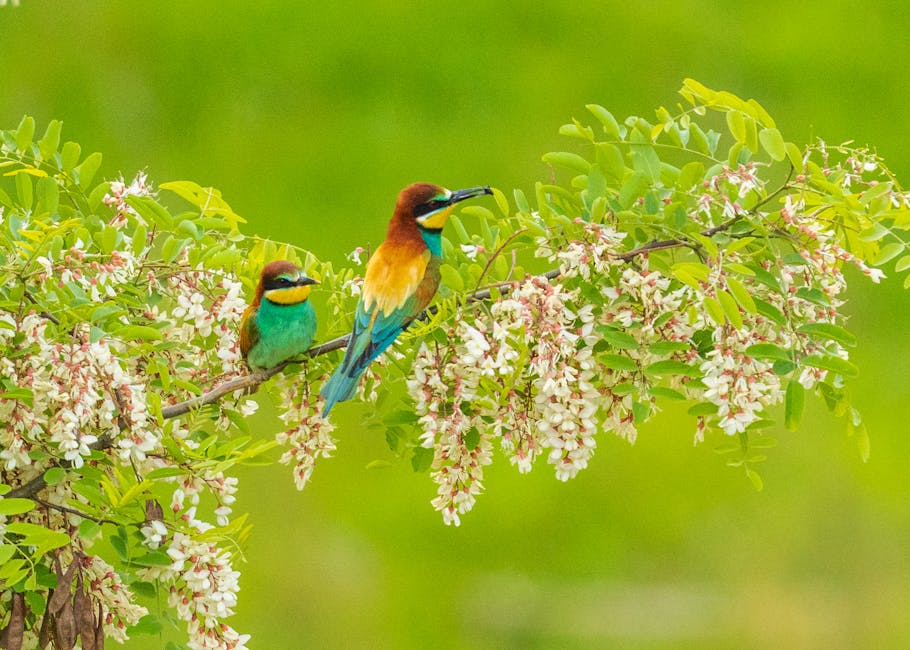
This remote archipelago in West Papua is a global hotspot for marine biodiversity. With over 1,500 fish species and 75% of known coral types, Raja Ampat is a diver’s paradise. Above water, dense jungles shelter birds of paradise and coconut crabs.
Liveaboard boats are the best way to explore multiple islands and dive sites. Manta ray cleaning stations and vibrant coral gardens define underwater experiences. Land visits include traditional Papuan villages and hidden lagoons.
Best Time to Visit
October to April for calm seas and optimal diving conditions.
Travel Tips</n
Choose operators committed to reef-safe practices. Avoid touching coral or feeding fish to preserve ecosystem health.
8. Canadian Rockies, Canada
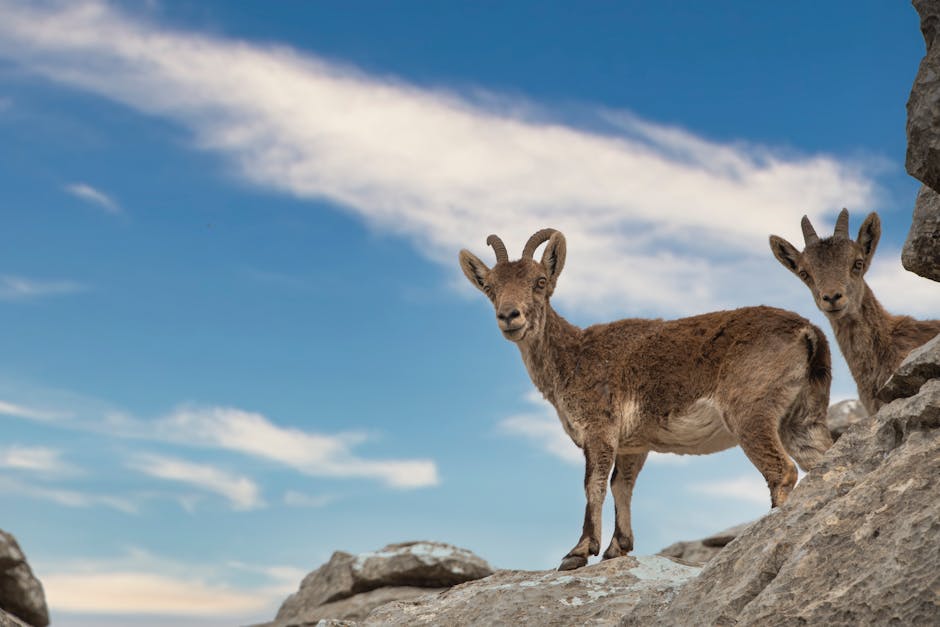
Banff, Jasper, and Yoho National Parks form a stunning corridor of alpine lakes, glaciers, and snow-capped peaks. Wildlife includes grizzly bears, mountain goats, and elk. The Icefields Parkway, one of the world’s most scenic drives, connects these parks.
Hiking, canoeing, and wildlife photography dominate activities. Early mornings in Moraine Lake or Lake Louise offer solitude and mirror-like reflections. Winter brings cross-country skiing and aurora viewing.
Best Time to Visit
June to September for hiking and wildlife; December to March for snow sports and fewer tourists.
Travel Tips</n
Carry bear spray on trails and make noise while hiking. Respect seasonal road closures and wildlife corridors.
9. Madagascar’s Rainforests
Madagascar’s isolation has produced unique species found nowhere else—lemurs, fossas, and over half the world’s chameleon species. Andasibe-Mantadia and Ranomafana National Parks are top destinations for primate tracking.
Night walks in Andasibe reveal tiny mouse lemurs and tree frogs. Ranomafana’s hot springs and dense canopy host golden bamboo lemurs and carnivorous tenrecs. Local guides enhance sightings and share cultural knowledge.
Best Time to Visit
April to November for dry weather and active wildlife.
Travel Tips</n
Support community-based tourism initiatives. Avoid purchasing wildlife products, which fuels illegal trade.
10. Antarctica
For the ultimate polar adventure, Antarctica offers unparalleled scenery and wildlife. Zodiac landings allow close encounters with penguins, seals, and whales. Icebergs, glaciers, and endless white horizons define the landscape.
Most trips depart from Ushuaia, Argentina, crossing the Drake Passage. Expedition ships carry naturalists who educate passengers on climate science and conservation. Visits are strictly regulated to protect fragile ecosystems.
Best Time to Visit
November to March during the Antarctic summer, when temperatures rise slightly and wildlife is active.
Travel Tips</n
Book with IAATO-member operators to ensure responsible travel. Prepare for rough seas and pack thermal clothing.
How to Choose the Right Adventure Destination
Selecting the best spot depends on your interests, fitness level, and travel style. Consider whether you prefer land or marine environments, group tours or solo expeditions, and how much time you can commit.
Research visa requirements, vaccination recommendations, and local regulations. Check if permits are needed for parks or wildlife areas. Compare tour operators based on sustainability practices, guide qualifications, and guest reviews.
Key Questions to Ask
- What wildlife am I most likely to see, and when?
- Are there physical demands or health risks?
- How does tourism support local conservation?
Responsible Travel Practices
Wildlife and nature travel carries responsibility. Choose operators that follow Leave No Trace principles and contribute to local communities. Avoid attractions that exploit animals, such as elephant rides or photo ops with sedated wildlife.
Minimize plastic use, respect quiet zones in parks, and never litter. Support conservation fees—they fund anti-poaching efforts and habitat restoration. Share your experiences to raise awareness, but avoid geotagging sensitive locations online.
Final Thoughts
The best adventure travel spots for wildlife and nature lovers balance accessibility with preservation. Each destination offers unique ecosystems and species, but all require mindful visitation. By planning carefully and traveling ethically, you protect these places for future generations while creating lifelong memories.
FAQ
What is the best time of year to see wildlife on safari in Africa?
The dry season (June to October) is ideal for game viewing in most African parks, as animals gather around water sources. In the Serengeti, timing depends on the migration cycle—calving occurs in January–February, while river crossings peak in July–August.
Are adventure travel destinations safe for solo travelers?
Many destinations are safe for solo travelers when using reputable guides and staying in established lodges. Research local conditions, register with your embassy, and avoid isolated areas at night. Group tours often provide added security and social opportunities.
How can I ensure my trip supports conservation efforts?
Book with eco-certified operators, pay park fees, and choose accommodations that fund local projects. Avoid activities that disturb wildlife, and donate to verified conservation groups working in the region.