
Top Family Travel Plans for Smooth Weekend Getaways
Planning a family weekend getaway doesn’t have to be stressful. With the right preparation, your trip can be relaxing, enjoyable, and memorable for everyone. The key is choosing destinations and activities that suit all ages, packing smart, and setting realistic expectations. Whether you’re heading to a national park, a lakeside cabin, or a nearby city, these top family travel plans ensure smooth, hassle-free weekends away from home.
Why Weekend Getaways Work for Families
Short trips offer a perfect balance of adventure and convenience. They’re long enough to unwind but short enough to avoid burnout. Weekend getaways also fit easily into busy schedules, making them ideal for working parents and school-aged kids.
Unlike longer vacations, weekend trips require less planning and fewer resources. You can explore new places without the pressure of fitting in every tourist attraction. This flexibility allows families to focus on connection, not itineraries.
Benefits of Short Family Trips
One major advantage is cost. Weekend trips are generally more affordable than week-long vacations. You save on accommodation, meals, and transportation while still enjoying quality time together.
They also reduce decision fatigue. With only two or three days, there’s less need to over-plan. Families can enjoy spontaneity—like stopping at a roadside ice cream stand or taking an unplanned hike.
How to Choose the Right Destination
Start by considering travel time. Aim for destinations within a 2–4 hour drive. Longer drives can be tiring for young children and may cut into your actual vacation time.
Look for places with a mix of activities. A good family-friendly spot offers outdoor adventures, quiet downtime, and maybe a museum or local event. Avoid overly touristy areas that feel crowded or overwhelming.
Top Destination Types for Families
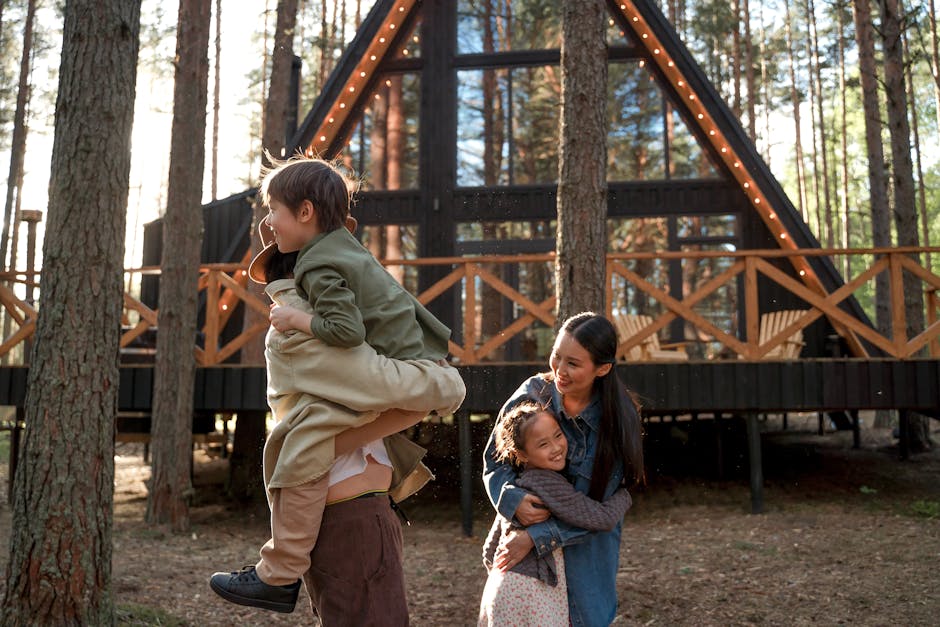
National and State Parks: Ideal for nature lovers. Parks like Shenandoah or Great Smoky Mountains offer hiking, wildlife viewing, and ranger-led programs. Many have campgrounds or cabins for overnight stays.
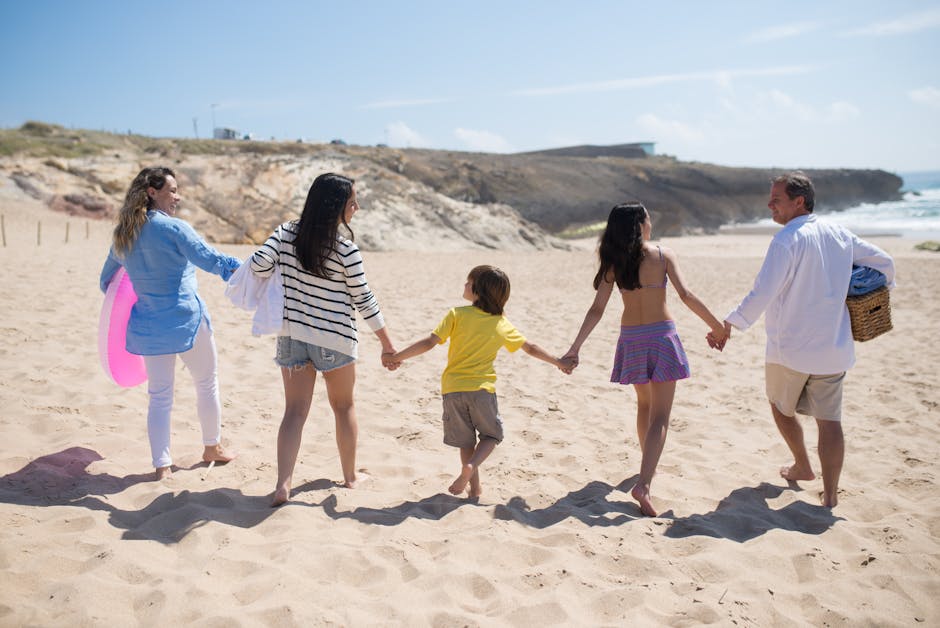
Lake and Beach Towns: Perfect for relaxation. Places like Lake George in New York or Traverse City in Michigan provide swimming, kayaking, and sandy shores. These locations often have vacation rentals with kitchens, reducing meal costs.
Small Historic Cities: Great for culture and charm. Cities like Savannah, Georgia, or Annapolis, Maryland, offer walking tours, local festivals, and family-friendly museums. They’re usually walkable and safe for kids.
Packing Smart for a Stress-Free Trip
Overpacking is a common mistake. Stick to essentials and use a checklist. Roll clothes instead of folding to save space and reduce wrinkles.
Pack one bag per person, plus a shared daypack for snacks, maps, and first-aid items. Include entertainment for the car—audiobooks, coloring books, or travel games work well.
Must-Have Items for Families
- Reusable water bottles and snacks
- First-aid kit with bandages, antiseptic, and medications
- Portable phone charger and car adapter
- Weather-appropriate clothing layers
- Copies of IDs and insurance cards
Don’t forget comfort items for kids—a favorite stuffed animal or blanket can ease transitions in new environments.
Creating a Flexible Itinerary
A loose schedule prevents stress. Plan one main activity per day, like a morning hike or an afternoon at the aquarium. Leave room for breaks and unexpected discoveries.
Involve kids in planning. Let them choose between two activities or pick a restaurant. This builds excitement and gives them a sense of control.
Sample Weekend Itinerary
Friday Evening: Arrive, check into lodging, and take a short walk or visit a local park. Keep it low-key to ease into the trip.
Saturday: Morning nature hike, picnic lunch, afternoon at a museum or beach, dinner at a family-friendly restaurant.
Sunday: Visit a farmers market, enjoy a leisurely breakfast, and begin the drive home by midday.
Accommodation Options That Work for Families
Hotels with pools and free breakfast are reliable choices. Look for suites or family rooms with separate sleeping areas.
Vacation rentals offer more space and kitchen access. Platforms like Airbnb or Vrbo list properties with cribs, high chairs, and laundry—ideal for longer stays or families with infants.
Things to Check Before Booking
- Proximity to attractions and grocery stores
- Pet policies if traveling with animals
- Noise levels and neighborhood safety
- Cancellation policies in case plans change
Read recent reviews from other families. They often mention practical details like stair safety, Wi-Fi reliability, or nearby playgrounds.
Dining Tips for Happy Mealtimes
Eating out for every meal gets expensive and tiring. Plan for at least one home-cooked meal if your lodging has a kitchen.
Pack non-perishable snacks like granola bars, fruit, and crackers. These help avoid meltdowns during long drives or between activities.
Kid-Friendly Restaurant Strategies
Choose places with high chairs, kids’ menus, and quick service. Avoid fine dining unless you’re confident your children can sit quietly.
Call ahead during off-peak hours. Many restaurants are more accommodating before 6 PM or after 8 PM.
Managing Travel with Young Children
Timing is everything. Depart after naps or meals to reduce crankiness. For toddlers, plan stops every 1–2 hours for bathroom breaks and stretching.
Use a stroller or carrier for little ones, even in walkable towns. It saves energy and provides a safe spot for tired kids.
Car Travel Essentials
- Sunshades for windows
- Travel tray for snacks and toys
- Extra clothes in an easily accessible bag
- Trash bag to keep the car clean
Download offline maps and playlists in case of poor signal. Avoid relying solely on GPS in rural areas.
Staying Safe and Prepared
Share your itinerary with a trusted friend or family member. Include lodging details, route plans, and emergency contacts.
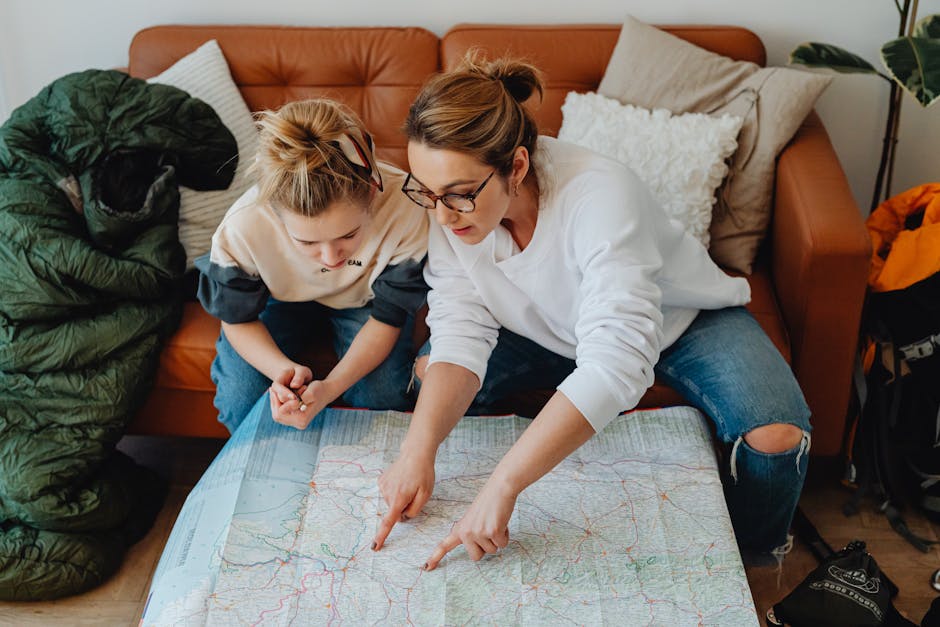
Carry a physical map as a backup. Cell service can be spotty in mountains or remote parks.
Health and Safety Checklist
- Know the location of the nearest hospital or clinic
- Bring sunscreen, bug spray, and hand sanitizer
- Ensure car seats are properly installed and up to date
- Check weather forecasts and road conditions before leaving
Teach older kids what to do if they get lost—stay in one place, find a store employee, or call a parent.
Budgeting for Your Weekend Trip
Set a realistic budget before you go. Include gas, lodging, food, activities, and a small buffer for souvenirs or unexpected expenses.
Use cash or a dedicated travel card to track spending. This helps avoid overspending and keeps the trip affordable.
Ways to Save Without Sacrificing Fun
- Visit free attractions like parks, beaches, or local festivals
- Pack lunches instead of eating out daily
- Look for hotel packages that include breakfast or activity passes
- Travel during shoulder seasons for lower rates and fewer crowds
Many museums and national parks offer free admission days. Check official websites in advance.
Making the Most of Downtime
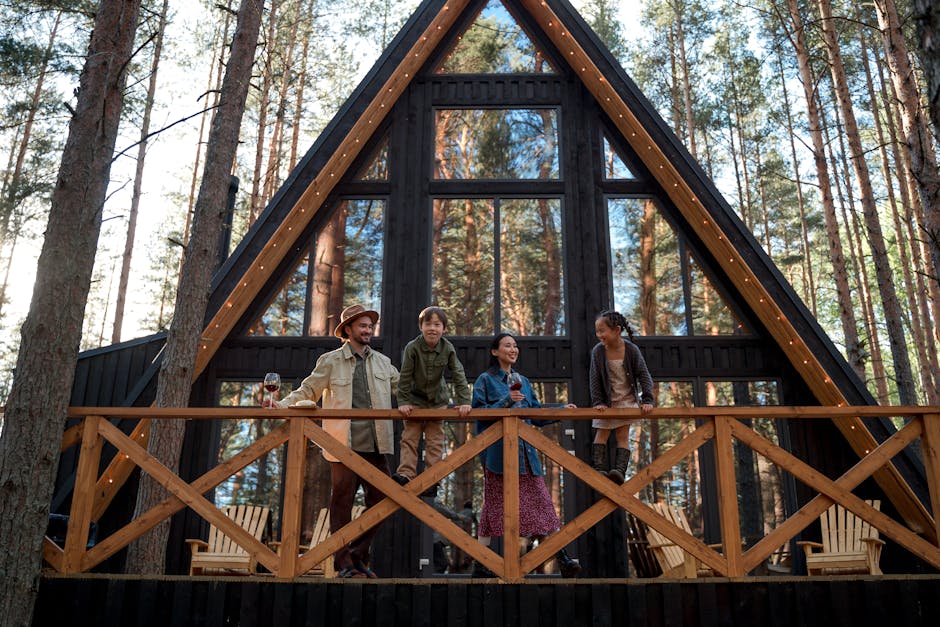
Not every moment needs to be scheduled. Allow time for reading, napping, or simply sitting by the water. These quiet moments often become the most cherished memories.
Encourage kids to keep a travel journal or collect small souvenirs like rocks or postcards. It adds meaning without extra cost.
Unplugged Family Time
Consider limiting screen time during the trip. Instead, play card games, tell stories, or stargaze at night. These activities strengthen bonds and create lasting impressions.
If devices are needed, use them intentionally—like watching a short documentary about the area you’re visiting.
Returning Home Without the Post-Trip Stress
Unpack immediately upon return. Wash clothes, restock supplies, and charge devices. This prevents a backlog of chores from piling up.
Take a family photo from the trip and print it. Display it as a reminder of the fun you shared.
Reflect and Plan Ahead
Talk about what everyone enjoyed most. Use these insights to plan your next getaway. Keep a folder of brochures, maps, and notes for future reference.
Start a “family travel bucket list” with ideas from kids and adults. It builds anticipation and makes future planning easier.
Final Thoughts on Smooth Family Getaways
The best family travel plans prioritize simplicity, flexibility, and connection. You don’t need luxury or perfection—just time together in a new setting.
With thoughtful preparation, even short trips can feel like true escapes. Focus on experiences over itineraries, and your weekends away will become something everyone looks forward to.
FAQ
How far in advance should I plan a weekend family trip?
For popular destinations, book lodging 4–6 weeks ahead. For less crowded areas, 1–2 weeks is usually enough. Always check cancellation policies in case plans change.
What’s the best way to keep kids entertained during travel?
Bring a mix of quiet activities like books, puzzles, and coloring supplies. Audiobooks and music playlists also help. Plan regular stops to let kids stretch and burn off energy.
Can I take a weekend trip with an infant or toddler?
Yes—many families do. Choose destinations with easy access to essentials like pharmacies and grocery stores. Bring a portable crib, favorite toys, and plenty of snacks. Keep the schedule flexible to accommodate naps and feeding times.