Best Adventure Travel Tours for Thrill Seekers and Hikers
Looking for the best adventure travel tours for thrill seekers and hikers? You’re in the right place. These handpicked experiences deliver heart-pounding trails, rugged terrain, and unforgettable natural wonders—perfect for those who crave elevation, elevation gain, and real outdoor challenge. Whether you’re scaling volcanic peaks, trekking through remote jungles, or navigating high-altitude passes, these tours are built for active explorers who want more than just a scenic view.
Why Choose an Adventure Travel Tour?
Adventure travel tours offer structured, expert-led experiences that balance safety with excitement. Unlike solo trips, guided tours provide local knowledge, logistical support, and access to remote locations that might otherwise be difficult or dangerous to reach.
For hikers and thrill seekers, this means more time exploring and less time worrying about permits, weather, or navigation. Many tours also include gear, meals, and cultural immersion, turning a simple hike into a full-spectrum adventure.
Top Adventure Travel Destinations for 2024
1. Torres del Paine, Chile – The W Trek
The W Trek in Patagonia is one of the most iconic multi-day hikes in South America. Spanning roughly 50 miles over five to seven days, it winds through granite towers, glacial lakes, and windswept grasslands.
Thrill seekers love the unpredictable weather and dramatic landscapes. Most tours include refugio stays, packed lunches, and guided segments through the most technical sections, like the French Valley ascent.
2. Annapurna Circuit, Nepal – High-Altitude Challenge
The Annapurna Circuit is a classic Himalayan trek that circles the Annapurna massif, reaching 17,769 feet at Thorong La Pass. This 150-mile route takes two to three weeks and passes through diverse ecosystems—from subtropical forests to arid high desert.
It’s ideal for experienced hikers seeking altitude and cultural depth. Teahouse lodges along the route offer basic comforts, and most tour operators provide acclimatization days to reduce altitude sickness risk.
3. Mont Blanc Circuit, France/Italy/Switzerland
Circling Western Europe’s highest peak, this 110-mile trek takes 10–12 days and crosses three countries. The route offers alpine meadows, glacial valleys, and panoramic views of the Alps.
Unlike point-to-point treks, the circuit returns to the same starting village, making logistics easier. Guided tours often include mountain huts, local cuisine, and optional via ferrata climbs for added adrenaline.
4. Kilimanjaro, Tanzania – Summit Africa’s Highest Peak
Climbing Mount Kilimanjaro is a bucket-list goal for many hikers. At 19,341 feet, it’s the tallest free-standing mountain in the world and doesn’t require technical climbing skills—just endurance and proper acclimatization.
The Machame Route is the most popular for adventure tours, offering scenic diversity and a high success rate. Most operators provide porters, meals, and certified guides trained in altitude medicine.
5. Torres del Paine “O” Circuit, Chile
For those who want more than the W Trek, the full “O” Circuit adds the backside of the park, including the challenging Dickson and Grey Glacier detours. This 70-mile trek takes 8–10 days and is best suited for seasoned backpackers.
It’s less crowded than the W, offering true solitude and raw wilderness. Tour packages often include glacier walks and boat transfers across Lake Pehoé.
6. The Dolomites, Italy – Via Ferrata Adventures
The Dolomites offer some of Europe’s most dramatic limestone formations and a network of via ferrata routes—iron rungs and cables bolted into the rock for safe climbing.
These routes range from beginner-friendly to expert-level, making them perfect for thrill seekers who want exposure without technical climbing experience. Many tours combine hiking, climbing, and rifugi (mountain huts) stays.
7. The Inca Trail to Machu Picchu, Peru
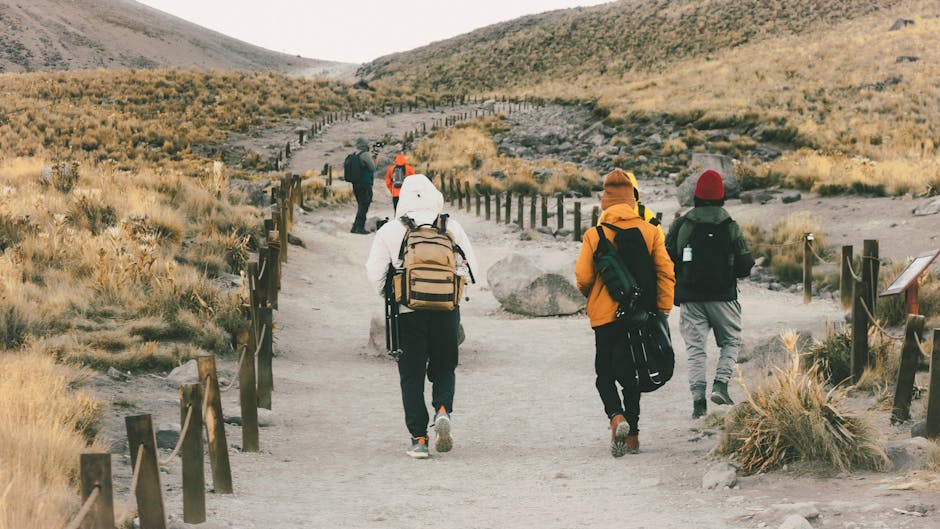
This 26-mile trek over four days ends at the Sun Gate overlooking Machu Picchu. It’s one of the most famous hikes in the world, blending history, culture, and mountain scenery.
Permits are limited and sell out months in advance, so booking with a reputable tour operator is essential. Most include porters, camping gear, and a guided tour of the citadel.
8. The Great Himalaya Trail, Nepal
For the ultimate challenge, the Great Himalaya Trail spans over 1,000 miles across Nepal. Most travelers tackle a high section, such as the Kanchenjunga or Makalu regions.
These remote treks require advanced planning, high fitness levels, and tolerance for isolation. Tour operators provide satellite communication, medical support, and local Sherpa guides.
9. The West Coast Trail, Canada
Located on Vancouver Island, this 47-mile coastal trek is known for its rugged terrain, tidal crossings, and old-growth rainforests. It’s a test of endurance and navigation.
Permits are required, and the trail is only open from May to September. Guided tours include safety briefings, emergency protocols, and support for river crossings.
10. The Drakensberg Traverse, South Africa
This 110-mile route across the Drakensberg Mountains offers dramatic cliffs, ancient rock art, and high-altitude plateaus. It’s less touristy than other African treks but equally rewarding.
Most tours include cultural visits to San communities and overnight stays in mountain caves or lodges. The chain ladders and exposed ridges appeal to thrill seekers.
How to Choose the Right Adventure Tour
Assess Your Fitness Level
Not all adventure tours are created equal. Some require only moderate hiking, while others demand multi-day backpacking, high-altitude climbing, or river crossings.
Be honest about your experience. If you’ve never carried a 30-pound pack for 10 miles, don’t book a technical alpine trek. Start with well-supported tours that include porters or vehicle support.
Check the Itinerary and Daily Mileage
Review the daily distance, elevation gain, and terrain type. A typical day might involve 8–12 miles with 2,000–4,000 feet of elevation change.
Look for rest days or acclimatization stops on high-altitude trips. These are critical for avoiding altitude sickness and enjoying the experience.
Understand the Support Level
Tour support varies widely. Some include full-service camping with cooks and porters, while others are self-supported with minimal gear provided.
Ask about group size, guide qualifications, and emergency protocols. A smaller group with a certified guide is safer and more personalized.
Consider the Season and Weather
Timing is everything. The best time to hike the Inca Trail is during the dry season (May–September). In Patagonia, summer (December–February) offers milder weather.
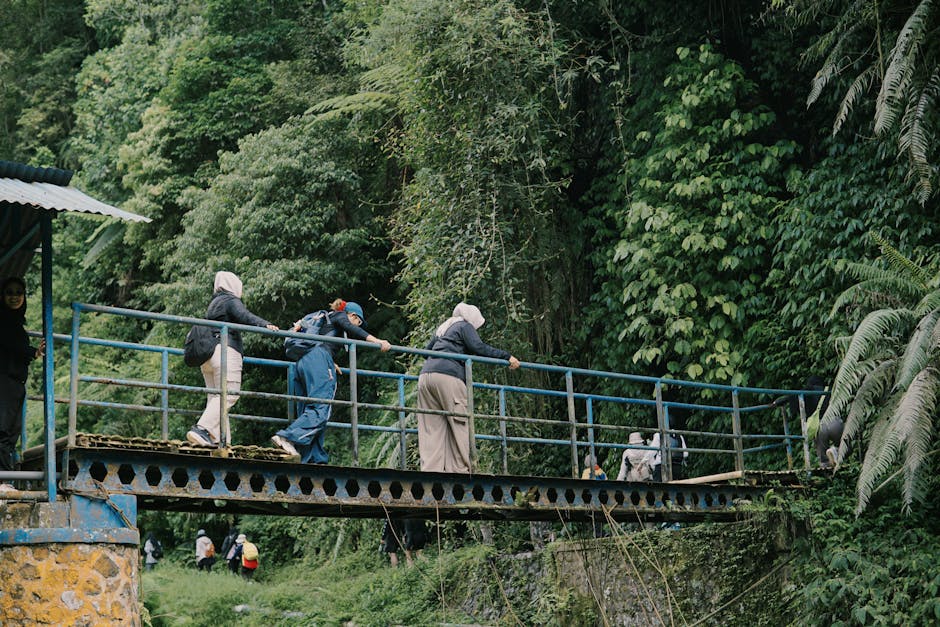
Avoid monsoon seasons in Nepal or hurricane months in Central America. Check historical weather patterns and pack accordingly.
Essential Gear for Adventure Travel
Footwear
Invest in high-quality, broken-in hiking boots with ankle support and Vibram soles. Trail runners work for lighter trips, but boots are better for rocky or wet terrain.
Bring moisture-wicking socks and consider gaiters for snow or mud.
Backpack
A 40–60 liter pack is ideal for multi-day treks. Look for a comfortable hip belt, adjustable torso, and rain cover.
Test your pack with weight before departure. A poorly fitted pack can cause back pain or injury.
Clothing
Layering is key. Use a moisture-wicking base layer, insulating mid-layer (like fleece or down), and a waterproof outer shell.
Avoid cotton—it retains moisture and increases hypothermia risk. Merino wool is a better choice for base layers.
Navigation and Safety
Even with a guide, carry a map, compass, and GPS device. Learn basic navigation skills before you go.
Pack a first-aid kit, headlamp, whistle, and emergency blanket. Know how to use them.
Hydration and Nutrition
Carry a water filter or purification tablets. Many trails have streams, but water quality varies.
Bring high-calorie snacks like nuts, dried fruit, and energy bars. Aim for 2,500–4,000 calories per day on long hikes.
Safety Tips for Thrill Seekers
Know Your Limits
Pushing too hard can lead to injury or exhaustion. Listen to your body and speak up if you’re struggling.
Altitude, heat, and fatigue affect everyone differently. Don’t compare yourself to others in the group.
Stay on Marked Trails
Off-trail hiking increases the risk of getting lost or damaging fragile ecosystems. Stick to designated paths.
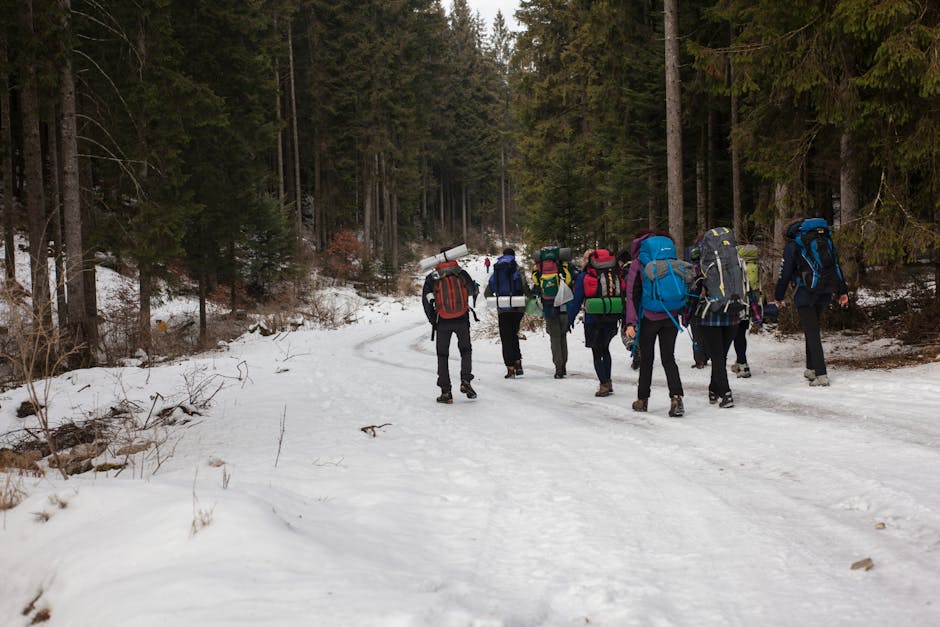
In remote areas, even a small detour can be dangerous without GPS or local knowledge.
Communicate with Your Guide
Inform your guide of any medical conditions, injuries, or concerns. They can adjust the pace or route if needed.
Ask questions about terrain, weather, and wildlife. A good guide enhances safety and enjoyment.
Prepare for Emergencies
Carry a personal locator beacon (PLB) or satellite messenger on remote treks. Cell service is unreliable in mountains.
Know the symptoms of altitude sickness, hypothermia, and dehydration. Early recognition saves lives.
Environmental Responsibility on the Trail
Leave No Trace Principles
Pack out all trash, including food scraps and toilet paper. Use designated toilets or dig catholes 6–8 inches deep and 200 feet from water sources.
Respect wildlife by observing from a distance and never feeding animals.
Support Local Communities
Choose tour operators that hire local guides and support community projects. This ensures your travel benefits the region.
Buy local snacks, crafts, or services when possible. Avoid exploitative practices like orphanage tourism.
Minimize Carbon Footprint
Offset your flight emissions and choose ground transportation when feasible. Some tours offer carbon-neutral options.
Travel in small groups to reduce environmental impact. Large groups can damage trails and disturb wildlife.
Final Thoughts: Making the Most of Your Adventure
The best adventure travel tours for thrill seekers and hikers combine physical challenge, natural beauty, and cultural connection. Whether you’re drawn to the Andes, the Himalayas, or the Canadian coast, there’s a trek that matches your ambition.
Start by assessing your goals, fitness, and budget. Research operators with strong safety records and positive reviews. Book early—popular routes fill up fast.
With the right preparation, your next adventure could be the most rewarding experience of your life.
FAQ
Q: How far in advance should I book an adventure tour?
A: For popular routes like the Inca Trail or Torres del Paine, book 6–12 months ahead. Less crowded treks may allow 2–3 months’ notice.
Q: Do I need travel insurance for hiking tours?
A: Yes. Look for policies that cover high-altitude trekking, emergency evacuation, and trip cancellation. Many operators require proof of insurance.
Q: Can beginners join adventure travel tours?
A: Absolutely. Many tours are designed for all levels. Choose beginner-friendly routes with support and gradual elevation gain.