Best Adventure Travel Routes for Backpackers Worldwide
Backpackers seeking authentic adventure know that the journey matters as much as the destination. The best adventure travel routes for backpackers worldwide combine affordability, safety, cultural immersion, and natural beauty—without sacrificing comfort or accessibility. Whether you’re trekking through mountain passes, island-hopping across archipelagos, or riding overnight buses through remote regions, these routes offer real experiences with minimal frills. This guide highlights proven paths that balance challenge and reward, helping you plan a trip that’s both transformative and practical.
What Makes an Adventure Route Ideal for Backpackers?
Not every scenic trail or rugged road qualifies as a top backpacking route. The most respected paths share common traits: reliable transport links, affordable lodging, English-speaking support in key areas, and a strong community of fellow travelers. Routes should also offer flexibility—backpackers often change plans based on weather, budget, or spontaneous opportunities.
Safety is non-negotiable. While adventure implies risk, smart routes minimize unnecessary danger through established infrastructure and local knowledge. Think marked trails, frequent guesthouses, and accessible emergency services—even in remote zones.
Finally, the best routes encourage cultural exchange. Homestays, local guides, and regional food markets deepen the experience far more than luxury resorts ever could.
Top 7 Adventure Travel Routes for Backpackers
The Annapurna Circuit, Nepal
The Annapurna Circuit remains a benchmark for Himalayan trekking. Spanning roughly 230 kilometers, it circles the Annapurna massif and crosses the 5,416-meter Thorong La Pass. Most backpackers complete it in 15–20 days, staying in teahouses along the way.
This route offers dramatic shifts in landscape—from subtropical forests to arid high-altitude deserts. Villages like Manang and Muktinath provide rest stops with hot meals and basic lodging. Altitude sickness is a real concern; acclimatization days are essential.
Permits are required: the Annapurna Conservation Area Permit (ACAP) and TIMS card. Costs around $50 total. Best time to go is October to November or March to April.
The Great Ocean Road, Australia
Stretching 243 kilometers along Australia’s southeast coast, the Great Ocean Road is perfect for backpackers who prefer wheels over boots. Hitchhiking is common and generally safe, but renting a campervan or using regional buses offers more control.
Key stops include Torquay (surf culture), Port Campbell (Twelve Apostles), and Apollo Bay (coastal hikes). Free camping is limited; national park sites charge $10–$20 per night. Hostels in towns like Lorne and Port Fairy offer dorm beds from $30.
This route suits those wanting moderate adventure with reliable amenities. Wildlife sightings—koalas, kangaroos, and parrots—are frequent. Avoid summer holidays when crowds and prices peak.
The Banana Pancake Trail, Southeast Asia
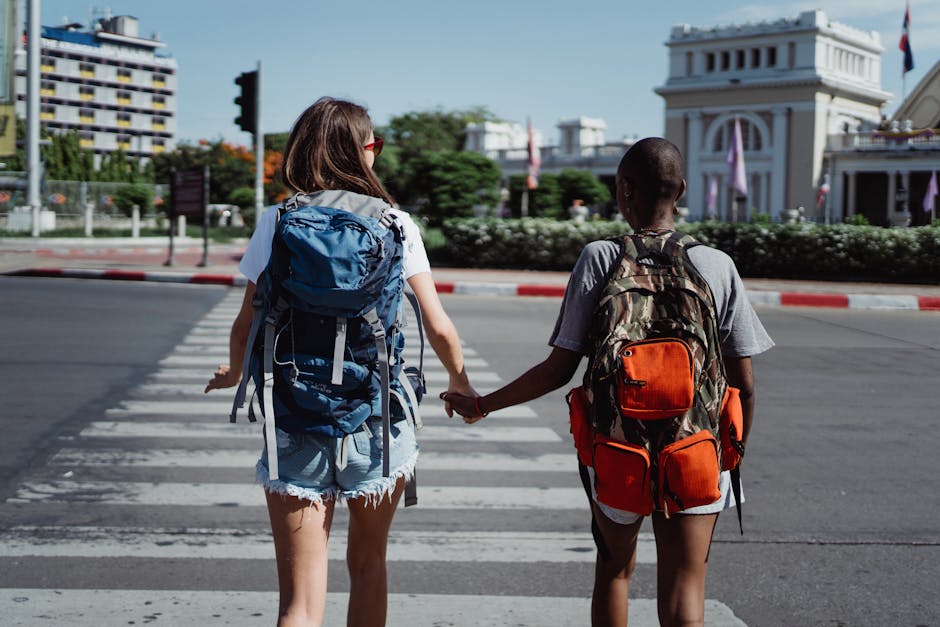
Stretching from Bangkok to Hanoi via Laos and Cambodia, the Banana Pancake Trail is the original backpacker circuit. Named after the ubiquitous breakfast dish, it’s a network of budget-friendly routes connecting iconic sites like Angkor Wat, Ha Long Bay, and Chiang Mai.
Transport is cheap and frequent: overnight sleeper buses, local trains, and shared minivans link major hubs. Guesthouses start at $5 per night, and street food costs under $2. English is widely spoken in tourist zones.
While some criticize it as overly touristy, the trail’s strength lies in its accessibility. Newcomers can ease into long-term travel here before venturing off-grid.
The Camino de Santiago, Spain
The Camino Francés—the most popular route to Santiago de Compostela—spans 780 kilometers from Saint-Jean-Pied-de-Port in France. Most walk it in 30–35 days, though shorter segments are possible.
Albergues (hostels) dot the path, charging €8–€15 per bed. Meals are simple but hearty: tortilla española, lentil stew, and fresh bread. The route is well-marked with yellow arrows and offers strong community support.
A pilgrim’s credential (passport) is needed to earn the Compostela certificate upon completion. Start early in the day to avoid afternoon heat. Spring and fall offer the best weather.
The Inca Trail to Machu Picchu, Peru
The classic 4-day Inca Trail is one of South America’s most iconic treks. It ends at sunrise in Machu Picchu, passing through cloud forests, Inca ruins, and high-altitude passes.
Permits are mandatory and limited to 500 people per day (including guides and porters). Book 4–6 months in advance. Independent hiking is not allowed—only licensed tour operators can lead groups.
Costs range from $500–$700 per person, covering transport, meals, camping gear, and entrance fees. Altitude affects many; arrive in Cusco a few days early to adjust.
The Trans-Siberian Railway, Russia
Spanning 9,289 kilometers from Moscow to Vladivostok, the Trans-Siberian Railway is the ultimate overland journey. Most backpackers break it into segments, focusing on key cities like Yekaterinburg, Irkutsk (for Lake Baikal), and Ulan-Ude.
Third-class tickets (platskartny) cost under $200 for multi-day legs and offer authentic local interaction. Bring your own food, a sleeping bag liner, and patience—delays are common.
Visa requirements are strict. Apply early and ensure your itinerary matches your visa dates. Winter travel offers stunning snowscapes but extreme cold.
The West Coast Trail, Canada
Located on Vancouver Island, British Columbia, the West Coast Trail is a 75-kilometer wilderness trek through temperate rainforest, rocky shores, and old-growth cedars. It takes 6–8 days to complete.
Permits are required and allocated via lottery. Only 76 hikers are allowed per day. The trail is physically demanding—expect mud, ladders, river crossings, and tidal timing challenges.
Best attempted between May and September. Pack waterproof gear and practice navigation skills. Rescue services are available but not immediate.
How to Choose the Right Route for Your Style
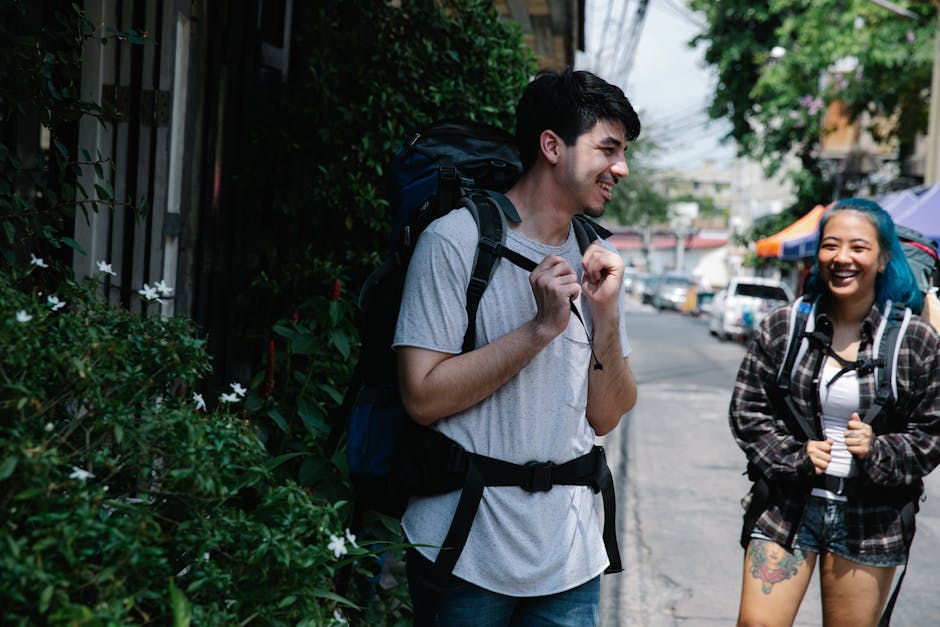
Adventure travel isn’t one-size-fits-all. Your ideal route depends on fitness level, budget, time, and comfort tolerance. Solo travelers may prefer well-trodden paths with strong hostel networks, while pairs or groups might tackle more remote trails.
Consider your pace. Some backpackers thrive on 60-kilometer hikes; others enjoy slow travel with frequent rest days. Research average daily distances and elevation gains before committing.
Budget matters too. Southeast Asia and South America offer low-cost options, while Europe and North America require more planning. Always include buffer funds for emergencies.
Seasonality affects accessibility and safety. Monsoon seasons, snowmelt, or extreme heat can close routes or increase risks. Check local advisories and traveler forums before departure.
Packing Essentials for Long-Distance Backpacking
A well-packed bag makes or breaks an adventure. Prioritize lightweight, multi-use items. A 40–50 liter backpack suits most multi-week trips.
Clothing should be quick-drying and layered. Merino wool base layers resist odor and regulate temperature. Pack one set of casual clothes for rest days.
Footwear is critical. Break in hiking boots before departure. Bring sandals for camp use and river crossings. Socks—bring extras.
Electronics: a power bank, universal adapter, and offline maps (via apps like Maps.me) are lifesavers. Solar chargers work in sunny regions but aren’t reliable everywhere.
Health kit basics: rehydration salts, blister treatment, antiseptic wipes, and any personal medications. Travel insurance with emergency evacuation coverage is non-negotiable.
Safety Tips Every Backpacker Should Know
Share your itinerary with someone at home. Check in weekly via email or messaging apps. In remote areas, carry a satellite communicator (like Garmin inReach).
Trust your instincts. If a situation feels off—whether a guide, accommodation, or route—leave. Most incidents are preventable with awareness.
Learn basic phrases in the local language. “Help,” “hospital,” and “police” can be crucial in emergencies. Carry a printed copy of your passport and insurance details.
Avoid displaying valuables. Use money belts or hidden pockets. In crowded areas, keep your bag in front of you.
Respect local customs. Dress modestly in conservative regions. Ask before photographing people or sacred sites.
Budgeting for Adventure Travel
Daily costs vary wildly. In Southeast Asia, $20–$30 covers food, lodging, and transport. In Western Europe or North America, expect $50–$80 per day.
Track expenses with a simple app or notebook. Unexpected costs—like gear repairs or medical visits—can derail budgets. Aim to save 10–15% extra as a buffer.
Work opportunities exist on some routes. Teaching English in Nepal, fruit picking in Australia, or hostel work in Spain can extend your trip. Research visa rules first.
Travel during shoulder seasons for lower prices and fewer crowds. Avoid major holidays and festivals unless they’re part of your goal.
Environmental and Ethical Considerations
Leave no trace. Pack out all trash, including biodegradable items like fruit peels. Use established campsites and trails to minimize erosion.
Support local economies. Eat at family-run restaurants, buy handicrafts directly from makers, and hire local guides. Avoid exploitative “orphanage tourism” or wildlife attractions.
Offset your carbon footprint where possible. Trains and buses have lower emissions than flights. When flying is necessary, choose direct routes and economy class.
Respect wildlife. Observe from a distance. Never feed animals or remove natural souvenirs like rocks or shells.
Final Thoughts
The best adventure travel routes for backpackers aren’t just about scenery—they’re about connection, resilience, and discovery. Whether you’re crossing continents by rail or hiking ancient trails, these journeys reshape how you see the world and yourself.
Start small if you’re new to long-term travel. A two-week trek or regional bus tour builds confidence and skills. With each trip, you’ll refine your preferences and expand your comfort zone.
Adventure doesn’t require extremes. Sometimes, the most rewarding moments come from a shared meal with locals, a wrong turn that leads to a hidden waterfall, or the quiet satisfaction of reaching a summit at dawn.
FAQ
How do I stay safe while backpacking alone?
Share your route with a trusted contact, check in regularly, and avoid risky areas at night. Use reputable transport and accommodations, and trust your instincts.
What’s the cheapest continent for backpacking?
Southeast Asia offers the lowest daily costs, with meals under $2 and dorm beds from $3. South America is also affordable, especially in Bolivia and Peru.
Can I do these routes without prior experience?
Yes—many routes, like the Camino de Santiago or Banana Pancake Trail, cater to beginners. Start with shorter segments and build up your stamina and skills.