Best Adventure Travel Places for Backpackers on a Budget
Backpacking doesn’t have to drain your wallet. Some of the world’s most thrilling adventure destinations are also the most affordable. From misty mountain trails to sun-drenched coastlines, budget-conscious travelers can find incredible experiences without sacrificing safety, comfort, or excitement.
Whether you’re chasing waterfalls in Southeast Asia, hiking ancient trails in South America, or island-hopping in the Mediterranean, there are plenty of places where your dollar—or euro, or peso—stretches further. This guide highlights the best adventure travel places for backpackers on a budget, with practical tips, real costs, and honest advice to help you plan your next trip wisely.
Why Budget Adventure Travel Matters
Adventure travel often carries a premium reputation, but that doesn’t mean it’s out of reach. With smart planning, backpackers can access world-class experiences at a fraction of the cost. The key is choosing destinations where local economies support low-cost travel and infrastructure caters to independent explorers.
Affordable doesn’t mean low-quality. In fact, many budget-friendly destinations offer richer cultural immersion and fewer crowds. You’ll interact more with locals, eat authentic food, and often have more flexibility in your itinerary.
What Makes a Destination Budget-Friendly?
Several factors determine whether a place is truly affordable for backpackers. Accommodation costs, food prices, transportation options, and free or low-cost activities all play a role. Exchange rates also matter—countries with weaker currencies often offer better value for travelers from stronger economies.
Safety and accessibility are equally important. A cheap destination isn’t worth it if it’s difficult to navigate or poses unnecessary risks. The best budget adventure spots balance affordability with reliability and traveler-friendly infrastructure.
Top Budget Adventure Destinations for Backpackers
Below are ten of the best adventure travel places for backpackers on a budget. Each offers a mix of natural beauty, outdoor activities, and cultural depth—all at prices that won’t break the bank.
Nepal: Himalayan Treks on a Shoestring
Nepal remains the gold standard for budget adventure travel. The Annapurna Circuit and Everest Base Camp treks are legendary, and costs are remarkably low. A basic teahouse stay runs $5–$10 per night, and meals average $2–$4.
Permits are required for most treks, but they’re affordable—around $30–$50 depending on the region. Guides and porters can be hired locally, often for less than $20 per day. While altitude sickness is a real concern, proper acclimatization and preparation reduce risks significantly.
Vietnam: Coastal Adventures and Mountain Villages
Vietnam offers diverse landscapes at unbeatable prices. Backpackers can cycle through rice paddies in Sapa, kayak in Halong Bay, or motorbike the Hai Van Pass—all for under $30 a day.
Street food is delicious and costs less than $1 per meal. Hostels and guesthouses are plentiful, with dorm beds starting at $3. Domestic buses and trains are cheap and efficient, making it easy to cover long distances without overspending.
Bolivia: High-Altitude Wonders in South America
Bolivia is one of the most affordable countries in South America. The Salar de Uyuni, the world’s largest salt flat, can be explored on multi-day tours for as little as $150—including transport, meals, and lodging in basic salt hotels.
La Paz offers free walking tours, vibrant markets, and access to the Andes. Altitude can be challenging, so spend a day or two acclimatizing before heading into the mountains. Public transportation is inexpensive, and local buses connect most major towns.
Georgia: Caucasus Culture and Mountain Trails

Nestled between Europe and Asia, Georgia is a hidden gem for budget adventurers. Tbilisi’s old town, Svaneti’s rugged peaks, and the wine regions of Kakheti offer rich experiences at low costs.
A meal in a local restaurant costs $3–$5, and guesthouses run $10–$15 per night. The country is safe, English is increasingly common, and the hospitality is legendary. Hiking trails in the Caucasus are free to access, and many lead to remote villages where you can stay with families for minimal cost.
Portugal: Affordable European Adventure
Portugal stands out in Europe for its affordability and adventure potential. The Alentejo coast offers wild beaches and surf spots, while the Serra da Estrela mountains provide hiking and snow sports in winter.
Hostels in Lisbon and Porto start at €10, and public transportation is reliable and cheap. Trains connect major cities for under €20, and regional buses reach smaller towns. Portugal also has a strong network of hiking trails, including the famous Rota Vicentina.
Indonesia: Island Hopping on a Budget
Indonesia’s thousands of islands offer endless adventure. While Bali gets most of the attention, islands like Lombok, Flores, and Sumbawa are cheaper and less crowded.
Accommodation ranges from $3 beach huts to $10 bungalows. Local warungs serve meals for under $2. Ferries connect islands affordably, and scooter rentals cost $3–$5 per day. Komodo National Park requires a permit, but group tours can split costs effectively.
Morocco: Desert Treks and Mountain Villages
Morocco blends North African culture with dramatic landscapes. The Atlas Mountains offer trekking routes to Berber villages, while the Sahara Desert invites overnight camel treks under star-filled skies.
Riads in cities like Marrakech and Fes cost $10–$20 per night. Tagines and mint tea are cheap and widely available. Trains and grand taxis are the main transport options—both affordable and safe for solo travelers.
Romania: Carpathian Wilderness and Medieval Towns
Romania is one of Europe’s best-kept secrets. The Carpathian Mountains offer hiking, wildlife spotting, and access to remote monasteries. Transylvania’s castles and medieval towns add cultural depth.
Hostels in Bucharest and Brasov start at €8. Local food is hearty and inexpensive—try mici (grilled sausages) for under €2. Trains are slow but cheap, and rural buses connect smaller villages. The country is safe, and English is spoken in tourist areas.
Guatemala: Jungle Ruins and Volcanic Peaks
Guatemala offers a mix of Mayan history, volcanic landscapes, and jungle adventures. Tikal’s ancient temples rise from the rainforest, while Lake Atitlán sits beneath three volcanoes.
Budget hostels cost $5–$10, and meals at local comedores are under $3. Chicken buses—colorful, repurposed school buses—are the cheapest way to travel between towns. Volcano hikes, like Pacaya, can be done independently or with local guides for under $20.
Sri Lanka: Teardrop Island with Big Adventure
Sri Lanka packs beaches, wildlife, and mountains into a compact island. Backpackers can surf in Arugam Bay, hike in Ella, and spot elephants in Yala National Park—all on a tight budget.
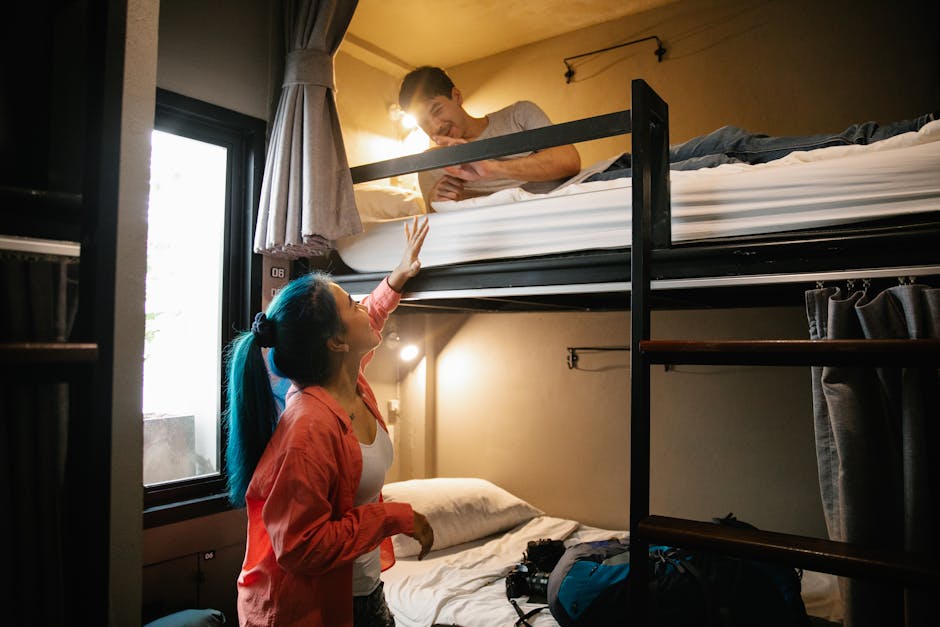
Guesthouses start at $5, and local meals cost $1–$2. Trains are scenic and affordable, especially the route from Kandy to Ella. Tuk-tuks are negotiable, but agree on a price before starting the ride.
How to Maximize Your Budget While Traveling
Even in affordable destinations, costs can add up. Smart habits help stretch your money further and reduce stress on the road.
Choose the Right Accommodation
Hostels, guesthouses, and homestays are the backbone of budget travel. Look for places with kitchens to cook your own meals—this cuts food costs dramatically. Many hostels also offer free walking tours or bike rentals.
Avoid tourist traps in major cities. Staying slightly outside the center often means lower prices and a more authentic experience. Use platforms like Hostelworld or Booking.com to compare options and read recent reviews.
Eat Like a Local
Street food and local markets are your best friends. Not only are they cheap, but they also offer a genuine taste of the culture. In Southeast Asia, a bowl of pho or pad thai costs less than a coffee back home.
Avoid restaurants in tourist-heavy areas—they often inflate prices. Ask locals where they eat, or look for places filled with residents. Sharing meals can also reduce costs and food waste.
Use Public Transportation
Taxis and private transfers are convenient but expensive. Buses, trains, and shared minivans are far more economical. In countries like Vietnam or Bolivia, overnight buses save on a night’s accommodation.
Always confirm routes and schedules in advance. In some places, apps like Rome2Rio or local transit apps help navigate systems. Learning a few key phrases in the local language can prevent misunderstandings.
Travel Off-Season
Prices drop significantly during the off-season, and crowds thin out. In Nepal, spring and autumn are peak trekking times, but winter offers lower costs and clearer skies—just colder temperatures.
Research weather patterns before you go. Some destinations, like the Andes or Southeast Asia, have rainy seasons that can disrupt plans. But with proper gear, off-season travel can be rewarding and far cheaper.
Pack Light and Smart
Carrying less means fewer baggage fees and more mobility. A 40–50L backpack is usually sufficient for multi-week trips. Pack quick-dry clothing, a reusable water bottle, and a basic first-aid kit.
Buy gear locally when possible. In Nepal or Bolivia, you can rent or purchase warm layers cheaply. Avoid overpacking electronics—most hostels have shared computers and charging stations.
Safety and Preparation Tips

Budget travel doesn’t mean cutting corners on safety. Being prepared helps prevent problems and ensures a smoother journey.
Research Local Conditions
Check government travel advisories before departure. Some regions may have political unrest, natural disasters, or health risks. Register with your embassy if required.
Learn about local customs and laws. In Morocco, for example, dress modestly in rural areas. In Southeast Asia, avoid touching someone’s head—it’s considered disrespectful.
Get the Right Insurance
Travel insurance is non-negotiable for adventure travel. Look for policies that cover trekking, scuba diving, or motorbike riding—activities often excluded from basic plans.
Compare providers like World Nomads, SafetyWing, or IATI. Ensure coverage includes medical evacuation, especially for remote destinations like Nepal or Bolivia.
Stay Connected
A local SIM card is cheaper than international roaming. In most countries, you can buy one at the airport or in major cities. Google Maps works offline—download maps before heading into rural areas.
Share your itinerary with someone at home. Check in regularly, especially when traveling alone or in remote regions.
Final Thoughts
The best adventure travel places for backpackers on a budget prove that incredible experiences don’t require deep pockets. With careful planning, cultural awareness, and a spirit of flexibility, you can explore the world’s most stunning landscapes without overspending.
Focus on value, not just cost. The cheapest option isn’t always the best—sometimes paying a little more for safety, comfort, or local support is worth it. Prioritize experiences that align with your interests, whether that’s hiking, diving, or cultural immersion.
Start small if you’re new to budget travel. A two-week trip to Vietnam or Portugal can build confidence and skills for longer journeys. Keep a travel journal, track your spending, and reflect on what worked—and what didn’t.
FAQ
Q: How much should I budget per day for adventure travel?
A: It varies by destination, but $20–$40 per day is realistic in most budget-friendly countries. This covers dorm beds, street food, local transport, and basic activities. In Western Europe or tourist hotspots, expect $50–$70.
Q: Is it safe to travel alone on a budget?
A: Yes, with precautions. Stick to well-traveled routes, avoid walking alone at night, and trust your instincts. Hostels often have social events that make solo travel easier and safer.
Q: Can I find free adventure activities?
A: Absolutely. Hiking, swimming, beach days, and exploring towns are often free. Many cities offer free walking tours, and national parks may have low or no entry fees—especially in developing countries.