Best Adventure Travel Experiences for Outdoor Beginners
Adventure travel doesn’t have to mean scaling mountains or whitewater rafting down Class V rapids. For outdoor beginners, the best experiences balance excitement with safety, accessibility, and manageable physical demands. Whether you’re drawn to forest trails, coastal kayaks, or mountain viewpoints, there are plenty of beginner-friendly adventures that build confidence while delivering unforgettable moments in nature.
This guide highlights ten of the most rewarding adventure travel experiences tailored for newcomers. Each option includes practical tips, what to expect, and how to prepare—so you can step outside your comfort zone without stepping into danger.
Why Start with Beginner-Friendly Adventure Travel?
Starting with low-risk, high-reward outdoor activities helps build foundational skills like navigation, gear use, and weather awareness. These early wins boost confidence and reduce anxiety about more challenging trips later.
Many beginners avoid adventure travel due to fear of the unknown or lack of experience. But with proper planning and realistic expectations, even first-timers can enjoy safe, enriching outdoor adventures. The key is choosing destinations and activities that match your fitness level and comfort zone.
Top 10 Adventure Travel Experiences for Outdoor Beginners
1. Guided Day Hikes in National Parks
National parks like Yosemite, Zion, and Acadia offer well-marked trails and ranger-led programs perfect for beginners. These guided hikes often cover 2–5 miles with minimal elevation gain and include educational stops about local ecology and geology.
Look for “easy” or “family-friendly” trail ratings on park websites. Trails like the Lower Yosemite Falls Loop or the Jordan Pond Path in Maine provide scenic views without technical challenges. Always check trail conditions before heading out.
2. Kayaking on Calm Lakes or Slow Rivers
Paddling is an excellent low-impact activity that builds upper-body strength and coordination. Beginners should start on flatwater lakes or slow-moving rivers with minimal currents.
Popular beginner kayaking spots include Lake Tahoe (California/Nevada), Boundary Waters (Minnesota), and the Everglades (Florida). Many outfitters offer single or tandem kayaks with basic instruction included. Wear a life jacket at all times—even in calm water.
3. Overnight Camping in Designated Campgrounds
Camping is a foundational outdoor skill, and starting in established campgrounds simplifies the process. These sites typically offer restrooms, fire rings, picnic tables, and proximity to ranger stations.
Try state parks like Cuyahoga Valley (Ohio) or Big Bend (Texas) for your first overnight trip. Rent gear from local outfitters if you don’t own a tent or sleeping bag. Practice setting up your tent at home first to avoid frustration at the campsite.
4. Bike Tours on Rail Trails or Greenways
Rail-to-trail conversions like the Katy Trail (Missouri) or the Great Allegheny Passage (Pennsylvania to Maryland) offer smooth, flat paths ideal for casual cyclists. These routes are car-free and pass through forests, farmland, and small towns.
Most trails are 10–50 miles long but can be ridden in short segments. Bring a helmet, water, and a basic repair kit. Many towns along these routes offer bike rentals and luggage shuttle services.
5. Wildlife Safaris in National Refuges
Observing animals in their natural habitat is thrilling and requires little physical effort. Refuges like Bosque del Apache (New Mexico) or Chincoteague (Virginia) offer guided auto tours and observation decks.
Bring binoculars and a field guide. Early morning or dusk are the best times for sightings. Stay in your vehicle and maintain a respectful distance—especially with bears, bison, or nesting birds.
6. Beginner Rock Climbing with a Guide
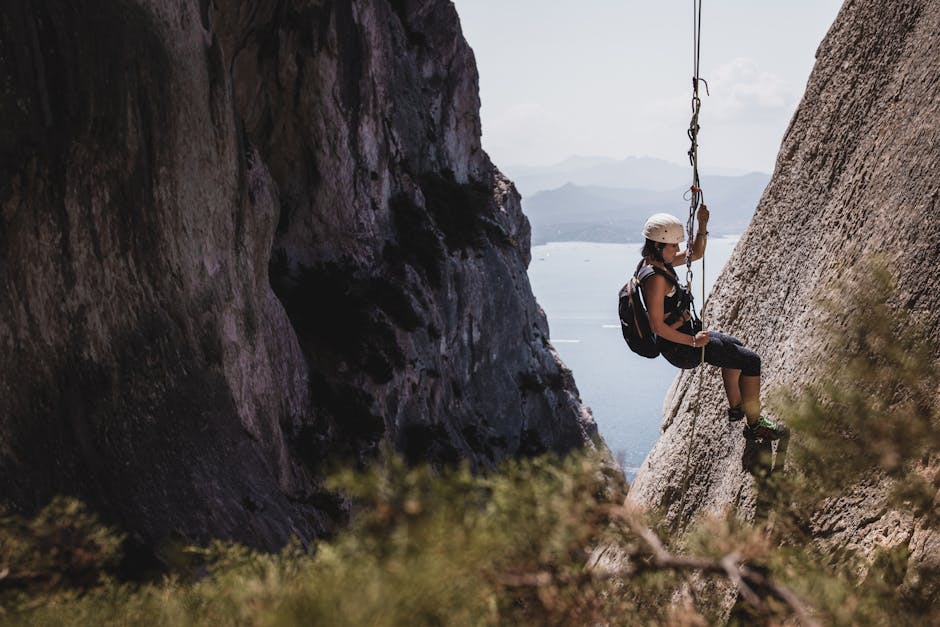
Top-rope climbing with a certified guide is a safe way to try rock climbing. Guides handle rope management and safety checks while teaching basic techniques like belaying and footwork.
Areas like Joshua Tree (California) and Red River Gorge (Kentucky) have routes graded 5.4 to 5.7—ideal for first-timers. Most outfitters provide harnesses, helmets, and shoes. Focus on balance and technique, not strength.
7. Snorkeling in Protected Marine Areas
Snorkeling offers underwater adventure without needing scuba certification. Choose calm, shallow waters with clear visibility and abundant marine life.
Hanauma Bay (Oahu), John Pennekamp Coral Reef State Park (Florida), and Catalina Island (California) are top picks. Rent or buy a mask, snorkel, and fins that fit properly. Avoid touching coral or feeding fish.
8. Snowshoeing in Gentle Winter Landscapes
Snowshoeing is easier than skiing and requires no prior experience. Rentals are widely available, and most trails are groomed and marked.
Try places like Tahoe Donner (California), Bear Mountain (New York), or Mount Snow (Vermont). Dress in layers and wear waterproof boots. Start with flat terrain before attempting hills.
9. Multi-Day Backpacking on Easy Trails
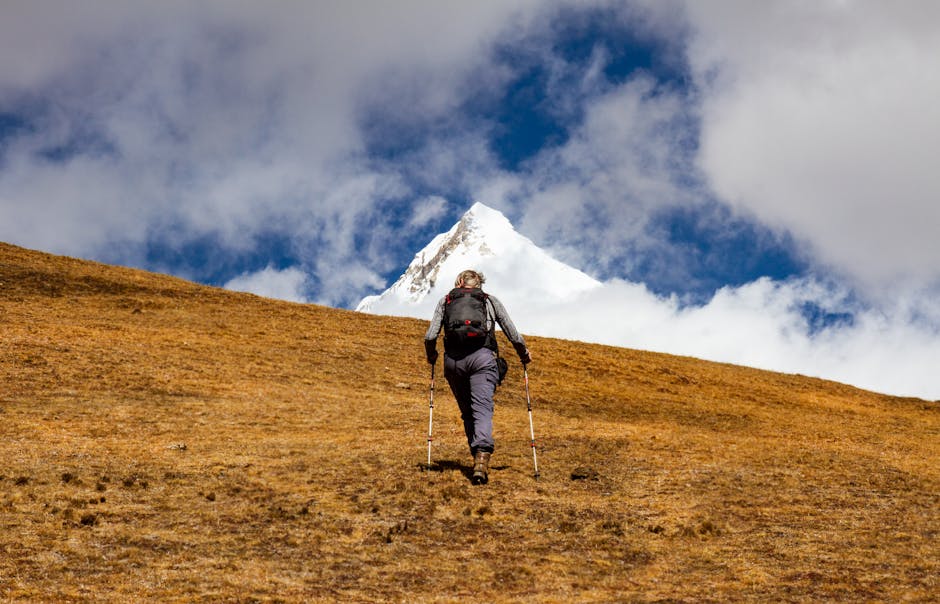
While backpacking sounds intense, beginner routes exist with light packs and short daily mileage. The Wonderland Trail (Washington) has easier sections, and the Appalachian Trail offers accessible segments in Virginia and Tennessee.
Plan for 3–5 miles per day with a pack under 25 pounds. Use a shuttle service or arrange a car drop to avoid long drives. Test your gear on a local overnight trip first.
10. Geocaching Adventures in Urban and Rural Areas
Geocaching combines hiking with treasure hunting using GPS coordinates. It’s a fun way to explore parks, historic sites, and neighborhoods while practicing navigation.
Download the free Geocaching app and search for caches near you. Start with “traditional” caches rated 1 or 2 in difficulty. Bring a pen to sign the logbook and trade small trinkets if desired.
How to Prepare for Your First Adventure Trip
Assess Your Fitness Level
Be honest about your current physical condition. If you’re new to hiking, start with flat trails and short distances. Gradually increase difficulty as your stamina improves.
Consult a doctor if you have health concerns like heart conditions or joint issues. Many outdoor activities can be adapted—kayaking from a dock, using trekking poles, or choosing shorter routes.
Invest in Proper Gear
You don’t need expensive equipment to start. Focus on essentials: sturdy footwear, moisture-wicking clothing, a daypack, and weather-appropriate layers.
Rent or borrow specialized gear like kayaks, climbing harnesses, or snowshoes before buying. Check online reviews and ask outfitters for recommendations. Always test new gear before your trip.
Learn Basic Safety Skills
Know how to read a trail map, use a compass, and identify signs of hypothermia or heat exhaustion. Carry a first-aid kit and know how to use it.
Tell someone your itinerary and expected return time. Check the weather forecast and avoid storms or extreme temperatures. Pack extra food and water—even on short trips.
Start with a Group or Guide
Guided tours reduce risk and provide instant support. Guides handle logistics, safety, and education, letting you focus on enjoying the experience.
Join local hiking clubs or outdoor recreation groups. Many offer beginner trips with experienced leaders. Group travel also adds social motivation and shared learning.
Common Mistakes to Avoid
Overestimating your abilities is the most common beginner error. A trail rated “moderate” may still be too challenging if you’re unfit or unprepared.
Ignoring the weather can turn a fun trip into a dangerous situation. Rain makes trails slippery, and high winds increase risk in exposed areas. Always have a backup plan.
Poor footwear leads to blisters, slips, and injuries. Avoid wearing new boots on long hikes. Break them in with short walks first. Choose shoes with good grip and ankle support.
Skipping hydration and nutrition affects energy and judgment. Drink water regularly, even if you don’t feel thirsty. Pack high-energy snacks like nuts, granola bars, or dried fruit.
What to Expect on Your First Adventure
Expect a mix of excitement, fatigue, and awe. Your muscles may ache, but that’s normal. Focus on the scenery, sounds, and sense of accomplishment.
You might feel nervous at first—especially on heights or water. That’s okay. Take deep breaths, go slow, and trust your guide or group.
Most beginners report feeling more confident after their first trip. The key is to reflect on what went well and what to improve next time.
FAQs
What’s the easiest adventure travel experience for a complete beginner?
A guided day hike in a national park is the most accessible option. Trails are marked, distances are short, and rangers provide support and education.
Do I need special training before trying outdoor adventures?
Not for beginner activities. Most require only basic fitness and common sense. Guides and outfitters teach necessary skills on-site.
How much does it cost to start adventure travel?
Costs vary, but many beginner trips can be done for under $100. Rent gear, use free trails, and join group outings to save money.
Final Thoughts
The best adventure travel experiences for outdoor beginners are those that match your interests, fitness level, and comfort zone. Start small, prioritize safety, and build skills gradually.
Whether you’re hiking a forest trail, paddling a calm lake, or sleeping under the stars for the first time, each trip builds confidence and connection to nature. With the right preparation, your outdoor journey can be both safe and deeply rewarding.