Best Adventure Travel Destinations for Adrenaline Junkies
For thrill-seekers who live for the rush of high-speed descents, vertical climbs, and wild natural terrain, the world offers no shortage of heart-pounding escapes. The best adventure travel destinations for adrenaline junkies combine challenging activities with stunning landscapes, offering experiences that go far beyond typical tourist trails. Whether you’re into white-water rafting, mountain climbing, skydiving, or backcountry skiing, these locations deliver intense, memorable adventures. From Patagonia’s icy peaks to New Zealand’s rugged fjords, this guide highlights top global spots where adventure meets awe-inspiring scenery—so you can plan your next high-octane getaway with confidence.
Why Adventure Travel Appeals to Adrenaline Seekers
Adventure travel isn’t just about physical exertion—it’s about pushing personal limits in environments that demand focus, skill, and courage. For many, the appeal lies in the combination of natural beauty and controlled risk. Activities like rock climbing, paragliding, or cave diving require preparation and awareness, but they also offer profound rewards: a sense of accomplishment, connection to nature, and memories that last a lifetime. Unlike passive vacations, adventure travel engages all the senses and often takes place in remote, unspoiled regions where modern comforts are minimal and self-reliance is essential.
These experiences also foster mental resilience. Facing fears—whether it’s jumping from a plane or navigating a Class V rapid—builds confidence that often carries over into daily life. And because many adventure activities require teamwork, they can strengthen relationships and create shared stories that deepen bonds.
Top Global Destinations for High-Octane Adventures
1. Queenstown, New Zealand – The Adventure Capital of the World
Queenstown earns its reputation as the adventure capital for good reason. Nestled on the shores of Lake Wakatipu and surrounded by the Southern Alps, it offers a compact hub of extreme sports within easy reach. Bungee jumping originated here with the famous Kawarau Bridge jump, and today visitors can leap from heights of over 40 meters. Skydiving provides panoramic views of snow-capped peaks and glacial lakes, while jet boating through narrow canyons delivers high-speed thrills with 360-degree spins.
For those who prefer ground-based challenges, Queenstown offers world-class mountain biking trails, heli-skiing in winter, and multi-day trekking routes like the Routeburn Track. The town itself is compact and well-equipped with gear shops, guiding services, and experienced operators, making it ideal for both solo travelers and groups.
2. Interlaken, Switzerland – Alpine Thrills in the Heart of Europe
Set between Lake Thun and Lake Brienz, Interlaken is a gateway to the Swiss Alps and a magnet for adrenaline enthusiasts. Paragliding here is legendary—tandems launch from mountain ridges with views of the Eiger, Mönch, and Jungfrau peaks. The region also offers canyoning through glacial streams, ice climbing on frozen waterfalls, and via ferrata routes that combine hiking with protected climbing.
One standout experience is the Lauterbrunnen Valley, where cliffs rise nearly vertically from the valley floor. BASE jumping is technically illegal but historically significant here, drawing thrill-seekers from around the globe. For legal alternatives, consider the high ropes courses or zip-lining across alpine gorges. Winter brings ski touring and snowmobiling, ensuring year-round excitement.
3. Moab, Utah, USA – Desert Adventures on Red Rock
Moab’s dramatic desert landscape, carved by the Colorado River and framed by sandstone arches, makes it a premier destination for off-road and technical adventures. Mountain biking on the Slickrock Trail is a rite of passage—its grippy sandstone surface allows for steep climbs and sharp turns unlike any other trail. Jeep tours through Hell’s Revenge or Poison Spider Mesa test driving skills on near-vertical inclines.
Rock climbers flock to Indian Creek for its perfect crack systems, while canyoneering in nearby Fisher Towers involves rappelling down narrow slots and navigating technical descents. In spring and fall, white-water rafting on the Colorado River through Cataract Canyon offers Class III–V rapids in a remote, scenic setting. Always check water levels and weather conditions, as flash floods can occur with little warning.
4. Chamonix-Mont-Blanc, France – The Birthplace of Alpine Mountaineering
Chamonix has long been a mecca for climbers and skiers. At the foot of Mont Blanc, Europe’s highest peak, the town offers access to some of the most challenging alpine terrain on the continent. The Vallée Blanche ski route is a 20-kilometer off-piste descent through glacial icefalls—only recommended for expert skiers with guides. In summer, the same terrain transforms into a mountaineering playground, with routes like the Cosmiques Arête demanding technical climbing and exposure management.
Via ferrata routes such as the Grand Balcon Sud provide protected climbing with stunning views, ideal for those new to alpine environments. Paragliding launches from the Aiguille du Midi station offer flights over glaciers and valleys. Due to the high altitude and variable weather, proper acclimatization and equipment are critical.
5. Queen Charlotte Sound, New Zealand – Sea Kayaking and Wildlife Encounters
While Queenstown dominates the adventure scene, the Marlborough Sounds on New Zealand’s South Island offer a different kind of thrill: open-water kayaking in remote fjords. Paddling through Queen Charlotte Sound allows adventurers to navigate calm waters by day and camp on uninhabited islands by night. The area is rich in marine life—dolphins, seals, and even orcas are common sightings.
Multi-day expeditions often include hiking the Queen Charlotte Track, a well-maintained trail with ridge-top views. Tides and wind can change quickly, so experience with sea kayaking and navigation is essential. Guided tours are widely available and recommended for first-timers.
6. Moab’s Sister: Wadi Rum, Jordan – Desert Dunes and Rock Formations
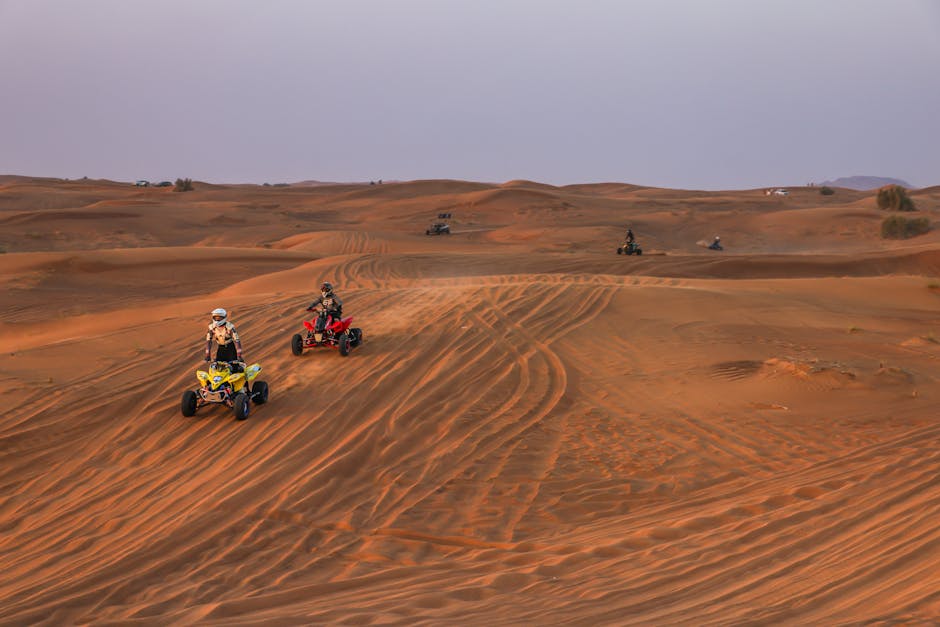
Known as the “Valley of the Moon,” Wadi Rum’s vast red desert landscape has served as a backdrop for films like Lawrence of Arabia and The Martian. Adventure here takes the form of 4×4 dune bashing, rock climbing on towering sandstone arches, and overnight camping under star-filled skies. Guided climbs on routes like Burdah Bridge offer exposure and technical challenges in a surreal environment.
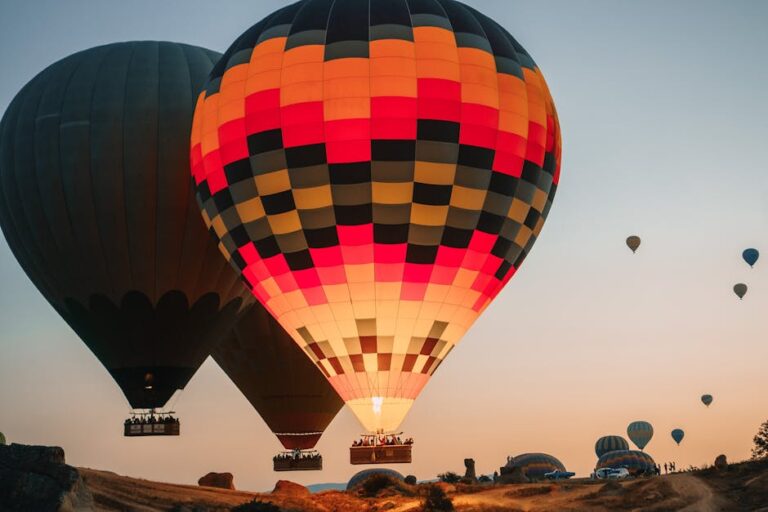
Sandboarding down dunes provides a unique twist on snowboarding, while hot air balloon rides offer a serene contrast to the day’s physical demands. Cultural immersion with Bedouin guides adds depth to the experience, blending adventure with tradition.
7. The Canadian Rockies – Ice Climbing and Backcountry Skiing
Canada’s Banff and Jasper National Parks offer world-class winter adventures. Ice climbing in Ouray, Colorado’s “Switzerland of America,” is legendary, but the Canadian Rockies hold their own with frozen waterfalls like those in the Ghost River Wilderness. Guided ice climbs range from beginner-friendly flows to multi-pitch vertical ice walls.
Backcountry skiing in areas like the Wapta Icefield requires avalanche training and proper gear, including transceivers, probes, and shovels. Heli-skiing operators provide access to untouched powder in remote valleys. Always travel with certified guides and check avalanche forecasts before venturing out.
8. Costa Rica – Jungle Ziplining and Surfing
Costa Rica blends tropical beauty with high-energy activities. The Monteverde Cloud Forest offers some of the longest zipline courses in the world, with cables stretching over 1,000 feet and speeds exceeding 50 mph. White-water rafting on the Pacuare River cuts through rainforest and past waterfalls, with Class III–IV rapids ideal for intermediate paddlers.
Surfing hotspots like Tamarindo and Pavones attract wave riders year-round, with consistent swells and warm water. For a different kind of rush, try waterfall rappelling in La Fortuna, where you descend alongside cascades like the 70-meter La Fortuna Waterfall. Always use certified operators and check for seasonal conditions, especially during rainy months.
9. Patagonia, Chile and Argentina – End-of-the-World Challenges
Patagonia’s remote, wind-swept landscapes offer some of the most demanding adventures on Earth. Trekking the Torres del Paine “W” route involves river crossings, steep ascents, and unpredictable weather. For climbers, the Fitz Roy massif presents technical rock and ice routes that test even seasoned alpinists.
Glacier trekking on the Perito Moreno or Grey Glacier allows walkers to explore blue ice caves and crevasses—always with crampons and ropes. Winds can exceed 100 km/h, so layers and windproof gear are non-negotiable. Due to the region’s isolation, self-sufficiency and emergency planning are crucial.
10. Nepal – High-Altitude Trekking and Paragliding
While Everest Base Camp is the most famous trek, Nepal offers countless high-altitude adventures. The Annapurna Circuit challenges hikers with river valleys, subtropical forests, and the Thorong La pass at 5,416 meters. Paragliding in Pokhara provides flights over Phewa Lake and the Himalayas, often combined with ultralight flights for extended air time.
For the truly daring, high-altitude mountaineering on peaks like Island Peak or Mera Peak offers summit experiences without the commitment of an 8,000-meter climb. Acclimatization is critical—ascend slowly and recognize symptoms of altitude sickness. Guides and porters are highly recommended.
How to Choose the Right Adventure Destination
With so many options, selecting the right destination depends on your experience level, interests, and physical condition. Beginners should start with guided tours and well-established routes, while experienced adventurers may seek remote or technical challenges. Consider the following factors:
- Skill Level: Match activities to your training. Ice climbing or Class V rafting require prior experience and conditioning.
- Season and Weather: Research optimal travel windows. Monsoons, snowmelt, or extreme heat can affect safety and accessibility.
- Local Regulations: Some activities, like BASE jumping or drone use, are restricted or illegal in certain areas.
- Guided vs. Independent: Guided tours offer safety, local knowledge, and equipment, while solo travel requires more planning and self-reliance.
- Environmental Impact: Choose operators committed to Leave No Trace principles and sustainable practices.
Safety First: Essential Tips for Adventure Travel
Adventure travel carries inherent risks, but preparation minimizes danger. Always use certified guides for technical activities like climbing, diving, or backcountry skiing. Check that operators are licensed and insured, and read recent reviews from other travelers.
Carry appropriate safety gear, including helmets, harnesses, first-aid kits, and communication devices like satellite messengers in remote areas. Inform someone of your itinerary and expected return time. Travel insurance that covers adventure sports is a must—standard policies often exclude high-risk activities.
Be honest about your physical condition. Overestimating ability leads to accidents. Stay hydrated, eat well, and rest adequately. In high-altitude or extreme environments, listen to your body and descend or stop if symptoms of illness appear.
Packing Essentials for Adventure Trips
What you bring can make or break an adventure. While gear varies by activity, these essentials apply to most trips:
| Category | Essential Items |
|---|---|
| Clothing | Moisture-wicking base layers, insulated mid-layers, waterproof shell, gloves, hat |
| Footwear | Activity-specific shoes (hiking boots, climbing shoes, water shoes), spare socks |
| Safety | Helmet, harness, headlamp, first-aid kit, whistle, multi-tool |
| Navigation | Map, compass, GPS device or smartphone with offline maps |
| Hydration & Nutrition | Water bottles or hydration bladder, water filter, high-energy snacks |
| Emergency | Satellite messenger, emergency blanket, fire starter |
Test gear before departure and pack light—every ounce counts when you’re moving under your own power. Rent specialized equipment (like climbing ropes or kayaks) locally when possible to avoid transport issues.
Final Thoughts on Adventure Travel
The best adventure travel destinations for adrenaline junkies offer more than just thrills—they provide transformative experiences in some of the planet’s most breathtaking settings. Whether you’re soaring over the Swiss Alps, navigating desert canyons, or trekking through Patagonian wilderness, these journeys challenge the body and inspire the spirit. Success comes not from conquering nature, but from respecting it, preparing thoroughly, and embracing the unknown with humility and courage.
Start with destinations that match your skill level, invest in quality guidance, and always prioritize safety. The world’s wild places are waiting—not to be tamed, but to be explored with care and excitement.
FAQ
What is the safest way to start adventure travel?
Begin with guided tours led by certified professionals. Choose well-established destinations with reputable operators, and gradually build experience before attempting solo or technical expeditions.
Do I need special insurance for adventure activities?
Yes. Standard travel insurance often excludes high-risk activities like rock climbing, skydiving, or backcountry skiing. Purchase a policy that specifically covers your planned adventures.
Can beginners participate in extreme sports?
Absolutely. Many destinations offer beginner-friendly options with instruction and safety support, such as introductory rock climbing, tandem skydiving, or guided rafting trips.