Adventure Travel Guide with Hiking, Trekking and Camping Tips
Planning an outdoor adventure? Exploring hiking trekking camping reveals important insights. This adventure travel guide covers essential hiking, trekking, and camping tips to help you prepare safely and confidently. Whether you’re exploring mountain trails, multi-day backcountry routes, or setting up camp under the stars, knowing what to pack, how to navigate, and how to stay safe makes all the difference. From choosing the right gear to understanding weather risks and Leave No Trace principles, this guide delivers practical advice for beginners and experienced adventurers alike.
Why Adventure Travel Matters
Adventure travel isn’t just about physical challenge—it’s about connection. It’s the crisp morning air on a high-altitude trail, the satisfaction of reaching a summit after hours of steady climbing, or the quiet peace of a forest campsite at dusk. These experiences build resilience, deepen appreciation for nature, and often lead to lasting memories. But adventure comes with responsibility. Proper preparation ensures you enjoy the journey without compromising safety or the environment.
Choosing the Right Adventure: Hiking, Trekking, or Camping?
Not all outdoor adventures are the same. Understanding the differences between hiking, trekking, and camping helps you select the right trip for your fitness level, time, and goals.
Hiking
Hiking typically involves day trips on marked trails, ranging from easy walks to strenuous climbs. Trails may be in national parks, forests, or urban green spaces. Most hikes last a few hours to a full day, with return to a vehicle or lodge by nightfall.
- Best for: Beginners, families, or those seeking a short escape
- Examples: Angels Landing in Zion National Park, Half Dome in Yosemite (permit required), or the Inca Trail day hike to Machu Picchu
- Gear needed: Daypack, water, snacks, map or GPS, first-aid kit, sun protection
Trekking
Trekking refers to multi-day journeys through remote or rugged terrain, often at high elevations. These routes may lack established facilities and require navigation skills, endurance, and self-sufficiency. Treks can last from three days to several weeks.
- Best for: Experienced hikers seeking challenge and solitude
- Examples: The Everest Base Camp trek in Nepal, the Torres del Paine W-Trek in Chile, or the Annapurna Circuit
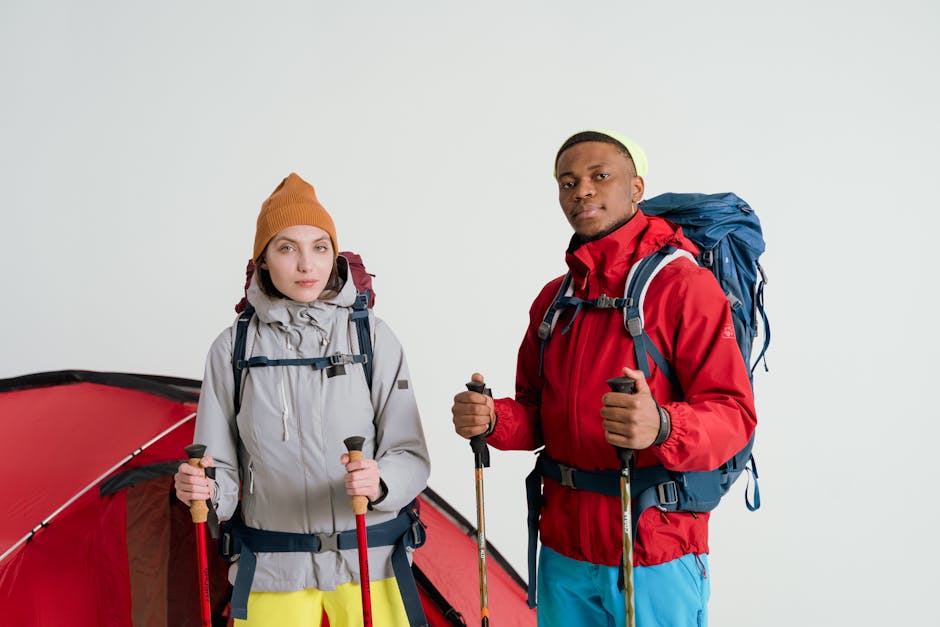
- Gear needed: Backpack (50–70L), sleeping bag, tent or shelter, cooking system, water filter, trekking poles, layered clothing
Camping
Camping can be standalone or part of a larger adventure. It involves spending one or more nights outdoors, either in a tent, hammock, or vehicle. Camping ranges from car camping with amenities to backcountry wilderness sites.
- Best for: Anyone wanting to immerse in nature overnight
- Examples: Yellowstone backcountry sites, Appalachian Trail shelters, or dispersed camping in national forests
- Gear needed: Tent, sleeping pad, sleeping bag, camp stove, food storage (bear canister if required), headlamp
Essential Gear for Every Adventure Traveler
Having the right equipment is critical. Poor gear choices can turn a rewarding trip into a dangerous ordeal. Focus on quality, weight, and functionality—especially for longer trips.
The Ten Essentials (Updated for Modern Travel)
Originally developed by the Mountaineers, the Ten Essentials remain a cornerstone of outdoor preparedness. While some items have evolved, the core principles hold.
| Category | Item | Notes |
|---|---|---|
| Navigation | Map, compass, GPS device | GPS batteries die; always carry a paper map and know how to use it |
| Sun Protection | Sunglasses, sunscreen, hat | UV exposure increases with altitude |
| Insulation | Extra clothing (layers) | Weather changes fast in mountains; pack for worst-case scenarios |
| Illumination | Headlamp + extra batteries | Essential for setting up camp after dark or emergencies |
| First-Aid Supplies | Personalized kit | Include blister treatment, antiseptic, and any personal medications |
| Fire | Waterproof matches, lighter, fire starter | Critical for warmth, cooking, and signaling |
| Repair Kit & Tools | Multi-tool, duct tape, cordage | Patch a torn tent or fix a broken buckle |
| Nutrition | Extra food (1–2 days’ worth) | High-calorie, non-perishable items like nuts, bars, dehydrated meals |
| Hydration | Water bottles/bladder + filter or purifier | Assume all natural water sources need treatment |
| Emergency Shelter | Bivy sack, space blanket, or tarp | Can save your life if stranded overnight |
Packing Smart: Weight vs. Necessity
Overpacking slows you down and increases fatigue. Underpacking risks safety. Aim for a base weight (pack weight minus food and water) under 20 pounds for backpacking. Use ultralight gear when possible, but never sacrifice critical safety items.
- Ultralight tip: Cut toothbrush handles, use a bandana instead of a towel, choose multi-use items
- Warning: Avoid “just in case” items that add bulk without clear purpose
Safety Tips for Hiking, Trekking, and Camping
Safety starts before you leave home. Research, preparation, and awareness are your best defenses against accidents.
Check the Weather—Then Check It Again
Weather in mountainous or remote areas can shift rapidly. A sunny morning can turn into a thunderstorm by afternoon. Use reliable sources like the National Weather Service (U.S.), Mountain Forecast, or local ranger stations.
- Red flags: Lightning risk above treeline, sudden temperature drops, high winds
- Action: Postpone trips during severe weather warnings
Tell Someone Your Plan
Always share your itinerary—route, expected return time, and emergency contacts—with a trusted person. If you don’t return on time, they can alert authorities.
Know Basic First Aid
Blisters, sprains, hypothermia, and dehydration are common in the backcountry. Take a wilderness first aid course if you plan regular trips. At minimum, know how to treat cuts, manage shock, and recognize altitude sickness.
Avoid Wildlife Conflicts
Respect wildlife by keeping a safe distance and storing food properly. In bear country, use bear-resistant containers or hang food at least 100 yards from camp and 10 feet off the ground.
- Bear spray: Carry it accessible (not in your pack) and know how to use it
- Food storage: Never keep food in your tent
Navigation Skills Save Lives
GPS devices and phone apps are helpful, but they fail. Exploring hiking trekking camping reveals important insights. Learn to read a topographic map and use a compass. Practice before your trip. Know key landmarks, elevation changes, and escape routes.
Leave No Trace: Protecting the Wild Places We Love
Adventure travel depends on healthy ecosystems. Follow the seven Leave No Trace principles to minimize your impact.
- Plan ahead and prepare – Research regulations, weather, and necessary skills
- Travel and camp on durable surfaces – Stick to trails and established sites
- Dispose of waste properly – Pack out all trash, including food scraps and toilet paper (or bury human waste 6–8 inches deep, 200 feet from water)
- Leave what you find – Don’t take rocks, plants, or artifacts
- Minimize campfire impacts – Use a camp stove instead; if you must have a fire, use existing rings and keep it small
- Respect wildlife – Observe from a distance, don’t feed animals
- Be considerate of other visitors – Keep noise down, yield on trails, share space
Training and Fitness: Get Ready Before You Go
Physical preparation prevents injuries and increases enjoyment. Start training weeks or months in advance, especially for multi-day treks.
Build Endurance
Cardio is key. Aim for 3–5 sessions per week of brisk walking, running, cycling, or stair climbing. Gradually increase duration and intensity.
Strengthen Key Muscles
Focus on legs, core, and back. Squats, lunges, planks, and step-ups mimic trail movement. Carry a loaded backpack on practice hikes to simulate real conditions.
Practice with Gear
Wear your hiking boots on shorter walks to break them in. Test your tent, stove, and water filter at home. Nothing ruins a trip like a leaking tent or a stove that won’t light.
Top Destinations for Adventure Travel
Some locations stand out for their scenery, trail quality, and adventure opportunities. Here are a few proven favorites.
United States
- Appalachian Trail (East Coast): 2,200-mile route from Georgia to Maine; ideal for section hiking
- Grand Canyon (Arizona): South Kaibab and Bright Angel trails offer stunning views and challenging descents
- Glacier National Park (Montana): High alpine trails with grizzly bear activity—requires permits and caution
International
- Torres del Paine (Chile): Patagonia’s iconic granite towers and windswept landscapes
- Annapurna Circuit (Nepal): Classic Himalayan trek with diverse culture and terrain
- Milford Track (New Zealand): “Finest walk in the world” through rainforests, waterfalls, and fjords
Budgeting for Your Adventure
Adventure travel doesn’t have to be expensive, but costs add up. Plan ahead to avoid surprises.
- Gear: $200–$1,000+ depending on quality and new vs. used
- Travel: Flights, gas, shuttles, or bus fares to trailheads
- Permits: $10–$100+ for popular trails (e.g., $90 for Inca Trail)
- Food: $5–$15 per day for backpacking meals
- Guides/porters: Optional but recommended for remote or technical routes
Save money by borrowing gear, carpooling, or choosing less crowded destinations. Many national forests allow free dispersed camping.
What to Do When Things Go Wrong
Even the best-prepared travelers face setbacks. Stay calm and act methodically.
- Lost: Stop, assess, use map/compass or GPS. If unsure, stay put—rescuers can find stationary people easier
- Injury: Administer first aid, signal for help (whistle, mirror, bright clothing), and decide whether to self-evacuate
- Storm hits: Seek lower ground, avoid ridges and trees, stay dry, and wait it out
- Gear fails: Use repair kit, improvise, or adjust plans (e.g., shorten trip)
Final Thoughts: Adventure Travel Done Right
This adventure travel guide with hiking, trekking, and camping tips is designed to help you explore the outdoors safely and responsibly. The best adventures aren’t the most extreme—they’re the ones where you return home with stories, not injuries. Prepare thoroughly, respect nature, and embrace the journey, not just the destination.
FAQ
What’s the difference between hiking and trekking?
Hiking is typically a day trip on marked trails, while trekking involves multi-day journeys through remote terrain, often requiring navigation and camping gear.
Do I need a permit for camping or hiking?
It depends on the location. Popular parks like Yosemite, the Grand Canyon, and the Inca Trail require permits. Check with local land managers before your trip.
How much water should I carry when hiking?
A general rule is 2 liters per person for a full-day hike in moderate conditions. Increase in heat or at high altitude. Always have a way to treat natural water sources.