Adventure Travel Guide with Essential Gear and Safety Advice
Planning an adventure trip? Whether you’re hiking remote trails, scaling mountains, or exploring wild rivers, preparation is everything. This adventure travel guide covers must-have gear, proven safety strategies, and practical tips to help you stay safe and make the most of your journey. From choosing the right backpack to understanding weather risks, we’ll walk you through the essentials—so you can focus on the thrill, not the trouble.
Why Preparation Matters in Adventure Travel
Adventure travel pushes boundaries. It takes you off the beaten path and into unpredictable environments. Without proper planning, even short excursions can turn dangerous.
Consider a weekend trek in the Rockies. One hiker packed light, skipped the rain jacket, and got caught in a sudden storm. Hypothermia set in within hours. Another traveler brought a satellite communicator and survived a fall by calling for help when cell service failed.
These real-world examples show how gear and knowledge directly impact outcomes. Preparation isn’t about fear—it’s about respect for the environment and your own limits.
Essential Gear for Every Adventure Traveler
Your gear list depends on your activity, destination, and season. But some items are non-negotiable across all adventure travel scenarios.
Backpacks: Fit and Function
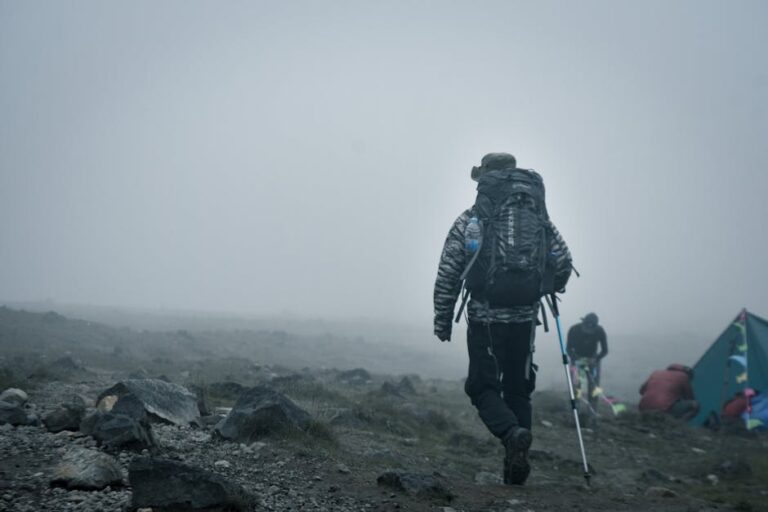
A well-fitted backpack is your foundation. Look for adjustable shoulder straps, a padded hip belt, and a torso-length match. A 40–60L pack works for most multi-day trips.
Test it before you go. Load it with weight and walk around. If it shifts or digs into your shoulders, adjust or replace it. Brands like Osprey and Deuter offer reliable options with lifetime warranties.
Footwear: Traction and Support
Your feet carry you everywhere. Choose boots or shoes based on terrain. For rocky trails, go with high-ankle boots for ankle support. On flat, dry paths, lightweight trail runners may suffice.
Break them in before your trip. Blisters can ruin a journey. Bring moisture-wicking socks and consider gaiters for muddy or snowy conditions.
Shelter and Sleep Systems
Even day hikers should carry an emergency bivy or ultralight tarp. For overnight trips, a three-season tent is standard. Pair it with a sleeping bag rated for the lowest expected temperature.
Use a sleeping pad for insulation and comfort. Closed-cell foam pads are durable and inexpensive. Inflatable ones offer better comfort but can puncture.
Navigation Tools: Beyond Your Phone
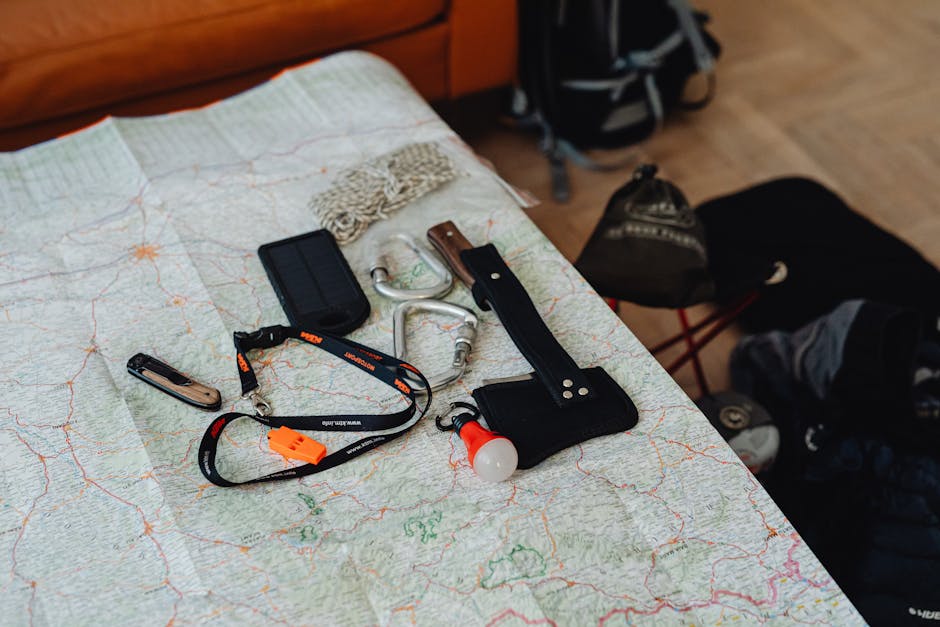
GPS devices and smartphones fail. Batteries die. Signals drop. Always carry a physical map and compass—and know how to use them.
Topographic maps show elevation, water sources, and trails. Practice triangulation and contour line reading at home. A baseplate compass is simple and reliable.
First Aid Kit: Compact but Complete
Your kit should include bandages, antiseptic wipes, blister treatment, tweezers, medical tape, and pain relievers. Add personal medications and a small guidebook.
Customize it for your trip. A desert hike needs extra electrolyte tablets. A jungle trek requires antifungal cream. Keep it accessible, not buried in your pack.
Hydration and Water Purification
Dehydration sneaks up fast. Carry at least two liters of water capacity. Use a hydration bladder for easy sipping or wide-mouth bottles for cleaning.
Always purify natural water. Boiling works but takes fuel. Filters like the Sawyer Squeeze remove bacteria and protozoa. Chemical drops (iodine or chlorine dioxide) are lightweight backups.
Lighting: Headlamps Over Flashlights
A headlamp keeps your hands free. Choose one with red-light mode to preserve night vision. Bring extra batteries or a rechargeable model with a power bank.
Test it before departure. A dim beam at dusk can leave you stranded in total darkness.
Fire Starters: Reliable and Redundant
Matches, lighters, and ferro rods each have pros and cons. Waterproof matches survive rain. Lighters are quick but can fail in wind. Ferro rods work wet or dry.
Carry at least two methods. Store one in your pack and one on your person. Practice building a fire in damp conditions before you need to.
Multi-Tool or Knife: Versatility in Your Pocket
A good knife cuts rope, prepares food, and assists in first aid. A multi-tool adds pliers, screwdrivers, and scissors. Leatherman and Victorinox are trusted names.
Keep it sharp and clean. A dull blade is more dangerous than a sharp one—it slips under pressure.
Clothing: Layer Smart, Stay Dry
Weather changes fast in the wild. Dress in layers to adapt.
Base Layer: Moisture Management
Wear synthetic or merino wool next to skin. Cotton absorbs sweat and dries slowly—avoid it. Base layers wick moisture to keep you warm and dry.
Mid Layer: Insulation
Fleece or down jackets trap heat. Fleece works when wet; down is lighter but loses insulation if damp. Choose based on climate.
Outer Layer: Weather Protection
A waterproof, breathable shell blocks wind and rain. Look for pit zips and adjustable hoods. Gore-Tex and similar membranes offer solid performance.
Don’t forget gloves, a hat, and a buff. You lose significant heat through your head and hands.
Safety Advice for Adventure Travel
Gear keeps you comfortable. Safety knowledge keeps you alive.
Tell Someone Your Plans
Always share your itinerary with a trusted contact. Include your route, expected return time, and emergency contacts. If you don’t check in, they can alert authorities.
Use a written plan, not just a text. Include trail names, camp locations, and alternate routes.
Check the Weather—Then Check Again
Weather forecasts change. Check them the night before and the morning of your trip. Mountain weather can shift in minutes.
Watch for signs: dark clouds, dropping temperatures, sudden wind. If conditions worsen, turn back. No summit is worth your life.
Know Your Limits
Pushing too hard leads to exhaustion and mistakes. Start with shorter trips and build experience. Don’t let group pressure override your judgment.
Listen to your body. Fatigue, dizziness, or confusion are red flags. Rest, hydrate, and reassess.
Stay on Marked Trails
Off-trail travel increases risk. You’re more likely to get lost, damage ecosystems, or encounter hazards like loose rock or wildlife.
Use trail markers, cairns, and maps. If you lose the path, stop and retrace your steps.
Wildlife Awareness: Respect, Don’t Fear
Most animals avoid humans. Make noise while hiking to alert bears and mountain lions. Store food in bear canisters or hang it properly.
Never feed wildlife. It alters their behavior and can lead to aggressive encounters. Carry bear spray in bear country and know how to use it.
Water Safety: Rivers and Rapids
Fast-moving water is deceptive. Even shallow streams can knock you down. Always scout rapids before running them.
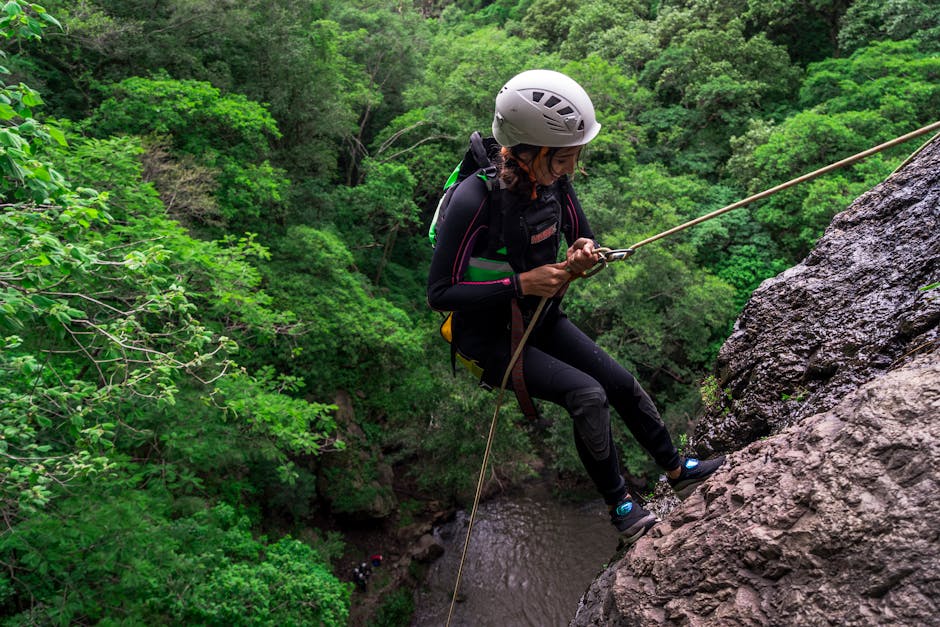
Wear a life jacket. Helmets are essential for whitewater. Never swim alone in remote areas.
Altitude Sickness: Recognize the Signs
Above 8,000 feet, altitude sickness can strike. Symptoms include headache, nausea, dizziness, and shortness of breath.
Ascend slowly. Allow time for acclimatization. Descend immediately if symptoms worsen. Medications like acetazolamide can help prevent it.
Planning Your Adventure: Step-by-Step
Good planning turns dreams into safe, enjoyable trips.
Step 1: Choose Your Destination
Pick a location that matches your skill level. Beginners should start with well-marked trails and established campsites.
Research permits, regulations, and seasonal closures. Some parks require reservations months in advance.
Step 2: Research the Terrain and Climate
Study elevation profiles, water availability, and typical weather. A desert hike needs sun protection and extra water. A alpine climb requires ice axes and crampons.
Talk to rangers or local outfitters. They offer up-to-date insights you won’t find online.
Step 3: Build Your Gear List
Use a checklist tailored to your activity. Print it and mark off items as you pack. Include extras: extra socks, a repair kit, duct tape.
Weigh your pack. Aim for no more than 20–25% of your body weight. Every ounce counts on long treks.
Step 4: Test Your Gear
Set up your tent at home. Cook a meal with your stove. Wear your boots on a short hike. Fix any issues before you leave.
Practice using your compass and map. Time yourself purifying water. Know your gear inside and out.
Step 5: Prepare for Emergencies
Carry a whistle, signal mirror, and emergency blanket. Learn basic first aid and CPR. Consider a personal locator beacon (PLB) for remote areas.
Know the local emergency number and how to describe your location. GPS coordinates are more useful than “near the big tree.”
Common Mistakes to Avoid
Even experienced travelers make errors. Learn from these common pitfalls.
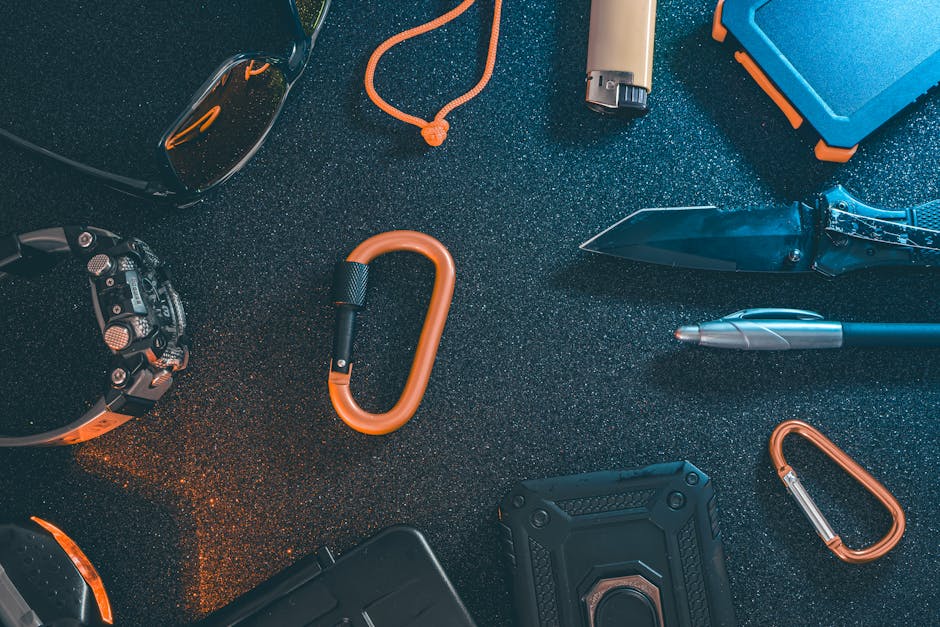
Overpacking
More gear doesn’t mean safer. Heavy packs slow you down and increase injury risk. Pack only what you need.
Use the “ounce-pound rule”: if you don’t use it in the first day, you probably don’t need it.
Ignoring the Weather
A sunny forecast can lie. Always prepare for rain, wind, or cold. A sudden storm can drop temperatures 20 degrees.
Check hourly forecasts if possible. Mountain tops can be freezing while valleys are warm.
Poor Food Planning
Underestimating calories leads to fatigue. Aim for 2,500–4,000 calories per day, depending on activity.
Pack high-energy foods: nuts, dried fruit, energy bars, and instant meals. Avoid bulky, heavy items.
Skipping the Check-In
Many rescues happen because someone didn’t tell others their plans. A simple note can save your life.
Update your contact if your plans change. “I’m extending by one day” is better than silence.
Gear Maintenance: Keep It Ready
Your gear is only as good as its condition. Maintain it regularly.
Clean After Every Trip
Wash tents, sleeping bags, and clothing. Salt, dirt, and sweat degrade materials. Air out damp gear to prevent mold.
Inspect for Damage
Check zippers, seams, and straps. Repair small tears with patches or seam sealant. Replace worn-out items before they fail.
Store Properly
Keep gear in a cool, dry place. Don’t compress sleeping bags long-term—store them loose. Avoid direct sunlight, which fades and weakens fabrics.
Final Thoughts: Adventure with Confidence
Adventure travel rewards those who prepare. With the right gear and safety habits, you can explore with confidence and return home safely.
This adventure travel guide gives you the foundation. Use it to build your own checklist, adapt to your destination, and respect the wild spaces you visit. The best adventures aren’t the ones without risk—they’re the ones where you’re ready for whatever comes.
FAQ
What’s the most important piece of gear for adventure travel?
A well-fitted backpack and reliable navigation tools—like a map and compass—are critical. Even the best gear fails if you can’t carry it comfortably or find your way.
How can I stay safe in remote areas with no cell service?
Carry a satellite communicator or personal locator beacon (PLB). Tell someone your itinerary, and check in when possible. Always have a physical map and compass as backup.
Should I bring a first aid kit even on short hikes?
Yes. Even day hikes can lead to injuries. A compact kit with bandages, antiseptic, and blister treatment can prevent small issues from becoming serious.