Best Family Travel Spots for Cultural Family Vacations
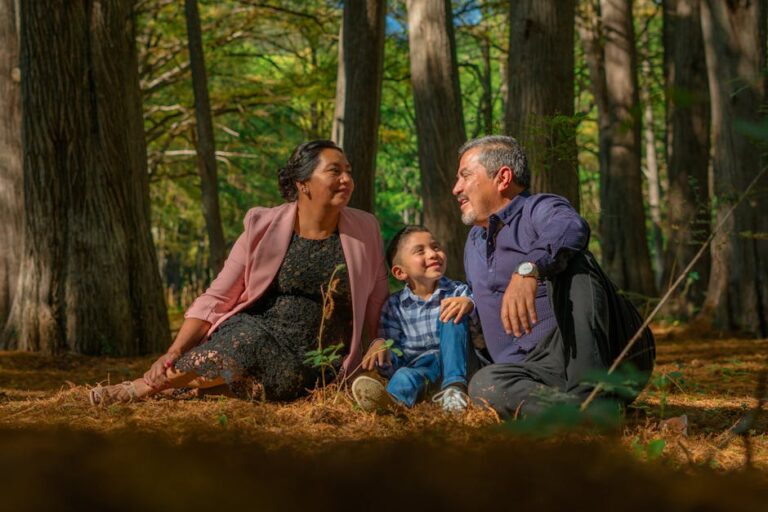
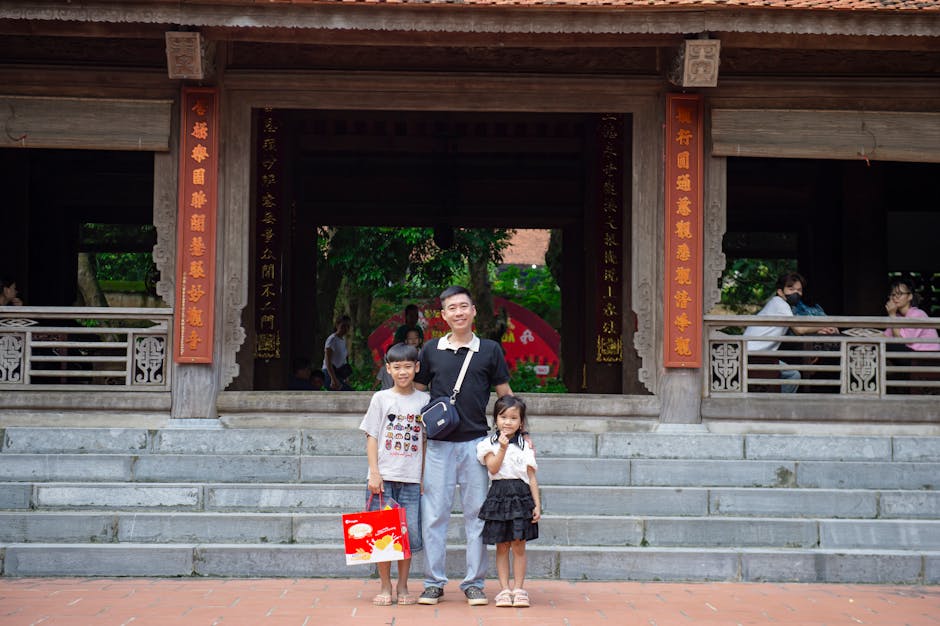
Planning a cultural family vacation doesn’t have to mean sacrificing comfort or fun. The best family travel spots for cultural family vacations blend history, local traditions, and interactive experiences that engage both kids and adults. From ancient ruins to vibrant festivals, these destinations offer immersive learning without feeling like a classroom. Whether you’re exploring temples in Kyoto or cooking classes in Tuscany, cultural travel strengthens family bonds while broadening perspectives.
Why Choose a Cultural Family Vacation?
Cultural travel goes beyond sightseeing—it’s about meaningful engagement with local communities, traditions, and histories. Unlike typical beach resorts, these trips encourage curiosity, empathy, and real-world learning. Children gain global awareness, while parents enjoy deeper travel experiences.
Research shows that families who travel together report stronger relationships and improved communication. Cultural immersion adds another layer by exposing kids to diverse ways of life in a safe, structured environment. These experiences often become lifelong memories and shape future interests.
Benefits Beyond Education
Cultural vacations teach adaptability and problem-solving. Navigating public transit in a foreign city or trying a new language builds confidence. Families also develop shared stories and inside jokes that strengthen emotional connections.
Moreover, these trips often support local economies. Staying in family-run guesthouses or eating at neighborhood restaurants ensures your spending benefits the community directly.
Top Destinations for Cultural Family Vacations
Not all cultural destinations are equally suited for families. The best spots balance education with entertainment, offer safety, and provide age-appropriate activities. Below are standout locations that consistently deliver enriching experiences for all ages.
1. Kyoto, Japan – Tradition Meets Modernity
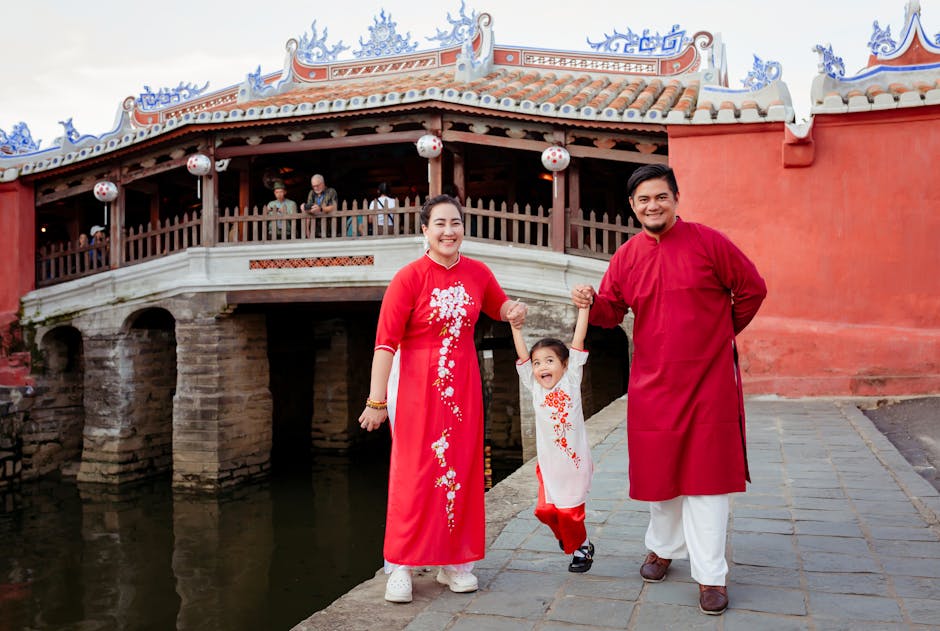
Kyoto is a living museum of Japanese culture, with over 2,000 temples, traditional tea houses, and preserved geisha districts. Families can participate in tea ceremonies, wear kimonos, and learn calligraphy in hands-on workshops.
The city is safe, clean, and highly walkable, with excellent public transportation. Many temples offer family-friendly audio guides and interactive exhibits. The Fushimi Inari Shrine, with its thousands of red torii gates, is especially captivating for children.
For a modern twist, visit the Nintendo headquarters or explore the futuristic architecture of the Kyoto Station building. This blend of old and new keeps kids engaged while deepening cultural understanding.
2. Rome, Italy – Ancient Wonders and Family Fun
Rome is a treasure trove of ancient history, art, and cuisine. The Colosseum, Roman Forum, and Vatican Museums offer guided family tours that simplify complex history into digestible stories. Many tours include games, scavenger hunts, or augmented reality features.
Kids love tossing coins into the Trevi Fountain and eating gelato on the Spanish Steps. Cooking classes are popular, where families learn to make pasta or pizza from local chefs. These hands-on activities make culture tangible and delicious.
Public transit is reliable, and many museums offer free entry for children under 18. Avoid peak summer months to escape crowds and heat.
3. Oaxaca, Mexico – Vibrant Arts and Indigenous Heritage
Oaxaca is a cultural gem in southern Mexico, known for its indigenous Zapotec and Mixtec roots, colorful markets, and world-class cuisine. Families can visit Monte Albán, a pre-Columbian archaeological site with pyramid ruins and panoramic views.
Local artisans offer workshops in weaving, pottery, and alebrije (colorful folk art sculptures). These activities are not only educational but also support community-based tourism.
Oaxaca’s food scene is a highlight. Families can take a mezcal tasting (for adults) or a chocolate-making class (for all ages). The city is compact and walkable, with a strong emphasis on safety and hospitality.
4. Marrakech, Morocco – A Sensory Adventure
Marrakech offers a rich tapestry of North African culture, from bustling souks to serene gardens. The medina (old city) is a maze of alleys filled with spice stalls, metalworkers, and storytellers—perfect for sparking curiosity.
Families can take a guided tour of the Bahia Palace or visit the Yves Saint Laurent Museum. Camel rides in the Palmeraie and cooking classes featuring tagine and mint tea add fun and flavor.
While Marrakech is safe for tourists, it’s wise to dress modestly and stay in well-reviewed riads (traditional guesthouses). Hire local guides to navigate the souks and avoid common scams.
5. Cusco and the Sacred Valley, Peru – Andean Culture and Inca Legacy
Cusco, the former capital of the Inca Empire, is a gateway to Machu Picchu and Andean traditions. Families can explore Sacsayhuamán, a massive stone fortress, or visit local weaving cooperatives in the Sacred Valley.
Many tours include visits to rural communities where families demonstrate traditional farming, textile dyeing, and llama herding. These interactions foster respect for indigenous knowledge and sustainable living.
Altitude can be a concern—Cusco sits at 11,000 feet. Allow a day or two to acclimate before hiking or visiting high-altitude sites. Choose family-friendly lodges with oxygen enrichment if needed.
6. Edinburgh, Scotland – History, Myth, and Festivals
Edinburgh blends medieval architecture with vibrant cultural events. The Edinburgh Festival Fringe, held every August, offers family-friendly performances in theater, music, and comedy.
Families can tour Edinburgh Castle, explore the Royal Mile, or take a ghost tour (mild versions available for kids). The National Museum of Scotland has interactive exhibits on science, culture, and natural history.
The city is compact, safe, and English-speaking, making it ideal for first-time international travelers. Public buses and trams are easy to use, and many attractions offer family passes.
7. Chiang Mai, Thailand – Temples, Elephants, and Local Life
Chiang Mai offers a gentle introduction to Thai culture. Families can visit Doi Suthep Temple, participate in almsgiving ceremonies, or take a Thai cooking class using fresh local ingredients.
Ethical elephant sanctuaries, like Elephant Nature Park, allow families to observe and learn about conservation without riding. These experiences teach compassion and environmental responsibility.
The city has a relaxed pace, affordable accommodations, and excellent street food. Avoid the rainy season (July–October) for the most comfortable travel experience.
How to Plan a Successful Cultural Family Trip
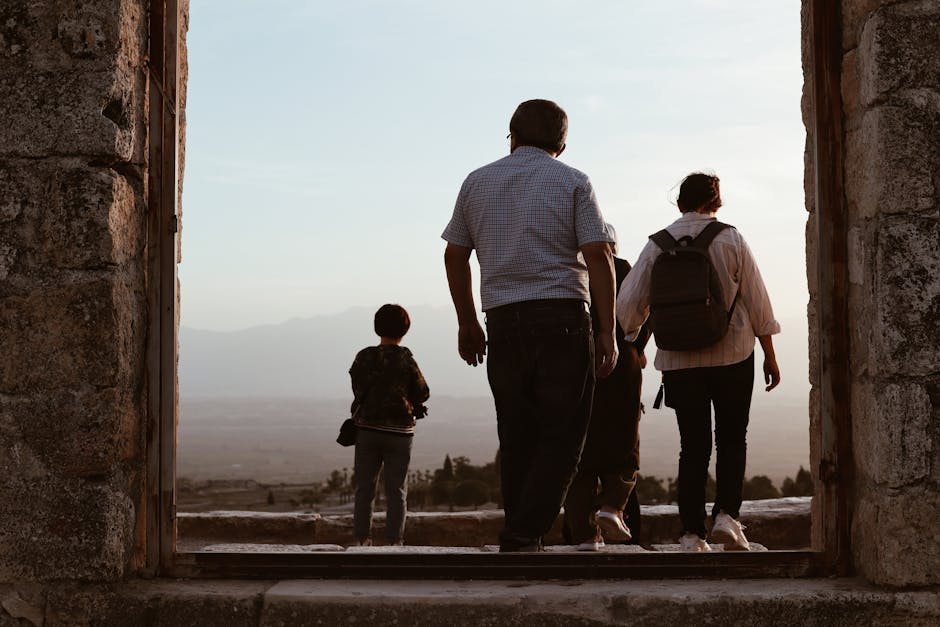
Good planning ensures your cultural vacation is enriching, not exhausting. Start by aligning your destination with your family’s interests and energy levels. Not every site needs to be a UNESCO World Heritage location—sometimes a local market or village festival offers deeper connection.
Step 1: Choose the Right Destination
Consider your children’s ages and attention spans. Younger kids may enjoy hands-on activities like crafting or cooking, while teens might appreciate historical depth or adventure elements.
Research safety, language barriers, and healthcare access. Countries with strong tourism infrastructure—like Japan, Italy, and Thailand—are often easier for families.
Step 2: Book Family-Friendly Accommodations
Look for hotels or guesthouses that offer family rooms, kitchen facilities, and proximity to attractions. In cultural destinations, consider staying in restored heritage buildings for an authentic experience.
Read recent reviews from other families. Amenities like laundry service, Wi-Fi, and on-site dining can make a big difference, especially with young children.
Step 3: Plan Interactive Experiences
Prioritize activities that involve participation over passive observation. Workshops, local guides, and community visits create lasting memories. Avoid over-scheduling—allow downtime for reflection and relaxation.
Use apps or audio guides designed for families. Many museums now offer multilingual, kid-friendly content that enhances understanding without overwhelming.
Step 4: Prepare Your Family
Talk to your kids about the culture, language, and customs before you go. Simple phrases in the local language go a long way. Discuss etiquette—such as removing shoes or dressing modestly—to show respect.
Pack appropriately: comfortable shoes, weather-appropriate clothing, and any necessary medications. Bring a small first-aid kit and copies of important documents.
Step 5: Be Flexible and Open-Minded
Travel rarely goes exactly as planned. Delays, weather, or unexpected closures happen. Use these moments as teaching opportunities about patience and adaptability.
Encourage your family to try new foods, engage with locals, and embrace differences. The best cultural experiences often come from unplanned interactions.
Common Mistakes to Avoid
Even well-intentioned families can fall into common traps that reduce the quality of their cultural vacation. Being aware of these pitfalls helps ensure a smoother, more meaningful trip.
Overloading the Itinerary
Trying to see every monument in one day leads to burnout. Focus on depth over breadth. One meaningful experience is better than ten rushed photo ops.
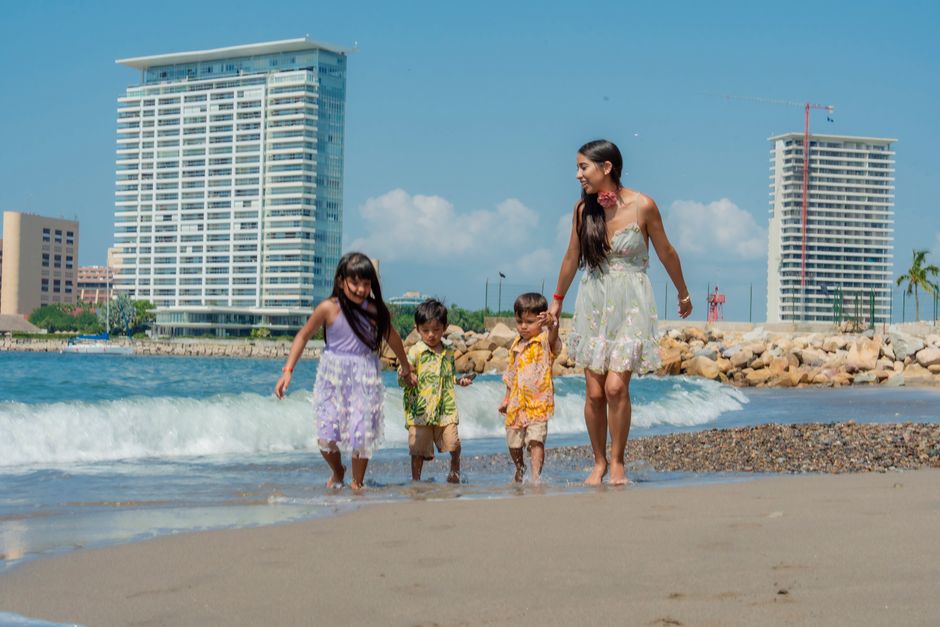
Build in free time for spontaneous exploration or rest. Kids (and parents) need downtime to process what they’ve learned.
Ignoring Local Customs
Respect is key to cultural travel. Dress appropriately, ask before taking photos of people, and follow local guidelines. In many cultures, pointing with your feet or touching someone’s head is offensive.
Learn basic greetings and thank-yous. A simple “thank you” in the local language can open doors and warm hearts.
Sticking to Tourist Zones
While tourist areas are convenient, they often lack authenticity. Venture into residential neighborhoods, local cafes, and community events for a truer sense of place.
Ask your hotel staff or guide for off-the-beaten-path recommendations. These hidden gems often provide the most memorable moments.
Making Culture Stick: Post-Trip Reflection
The learning doesn’t end when you return home. Help your family reflect on the experience to deepen its impact. Create a travel journal or scrapbook with photos, tickets, and notes.
Discuss favorite moments, new foods tried, or surprising discoveries. Encourage kids to share what they learned with friends or at school.
Consider supporting a cause related to your destination—donating to a local school, adopting an animal, or volunteering remotely. This reinforces the values of global citizenship.
Final Thoughts
The best family travel spots for cultural family vacations offer more than just sights—they provide shared growth, understanding, and connection. Whether you’re marveling at ancient temples or learning a traditional craft, these experiences shape how your family sees the world.
With thoughtful planning and an open mind, cultural travel can be both educational and deeply enjoyable. Start small, stay curious, and let each trip build toward a lifetime of global awareness.
FAQ
What age is best to start cultural family travel?
There’s no perfect age—cultural travel can begin as early as toddlerhood. Even young children absorb language, sounds, and customs. Focus on short trips with engaging, sensory-rich activities.
How do I keep kids engaged during cultural tours?
Choose interactive experiences like cooking classes, craft workshops, or scavenger hunts. Use storytelling to explain history, and let kids ask questions. Breaks and treats help maintain energy and interest.
Are cultural destinations safe for families?
Many cultural destinations are very safe, especially those with established tourism industries. Research travel advisories, stay in reputable areas, and use trusted guides. Common sense and preparation go a long way.