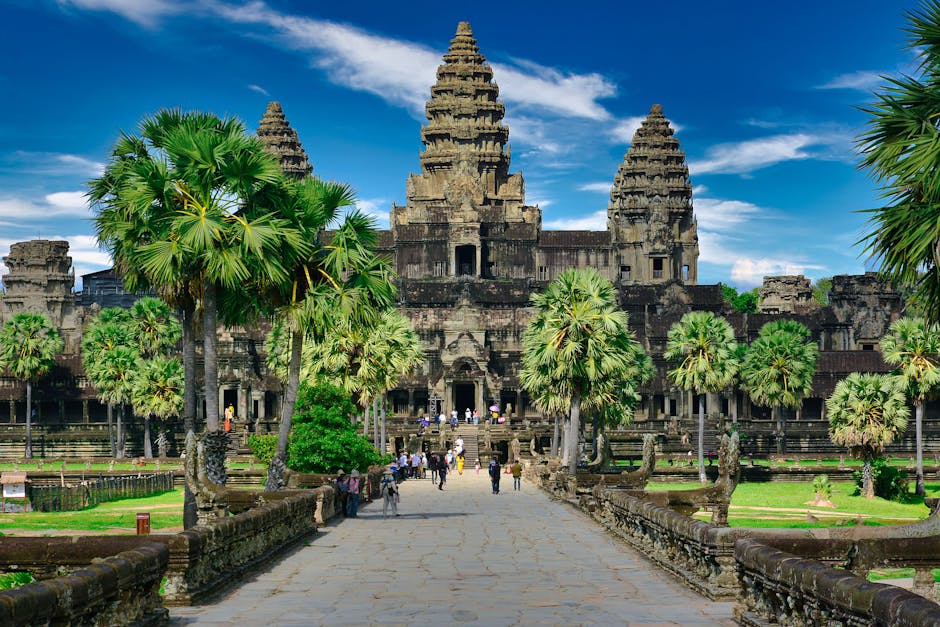
Cambodia Travel Guide: Angkor Wat and Travel Tips
Planning a trip to Cambodia? This guide covers everything you need to know about visiting Angkor Wat, the country’s most iconic landmark, plus essential travel tips for a smooth and memorable journey. From temple-hopping strategies to cultural etiquette, we’ll help you navigate Siem Reap and beyond with confidence. Whether you’re a first-time visitor or returning for a deeper exploration, this Cambodia travel guide delivers practical advice grounded in real experience.
Why Visit Angkor Wat?
Angkor Wat isn’t just Cambodia’s most famous temple—it’s one of the world’s greatest archaeological wonders. Built in the 12th century as a Hindu temple dedicated to Vishnu, it later transformed into a Buddhist site. Its intricate carvings, massive moat, and sunrise views draw millions of visitors each year.
More than just a photo op, Angkor Wat represents centuries of Khmer engineering, artistry, and spiritual devotion. Walking through its corridors feels like stepping into a living museum. The scale is staggering: the temple complex spans over 400 acres, making it larger than Paris.
Best Time to Visit Cambodia and Angkor Wat
The ideal time to visit Cambodia is during the dry season, from November to March. Temperatures are cooler, and rainfall is minimal, making temple exploration more comfortable. December and January are peak months—expect crowds, especially at sunrise.
Avoid the hot season (April–May), when temperatures can soar above 40°C (104°F). The rainy season (June–October) brings lush landscapes but also muddy paths and unpredictable downpours. If you visit during this time, pack a lightweight rain jacket and waterproof footwear.
Sunrise at Angkor Wat: Worth the Early Start?
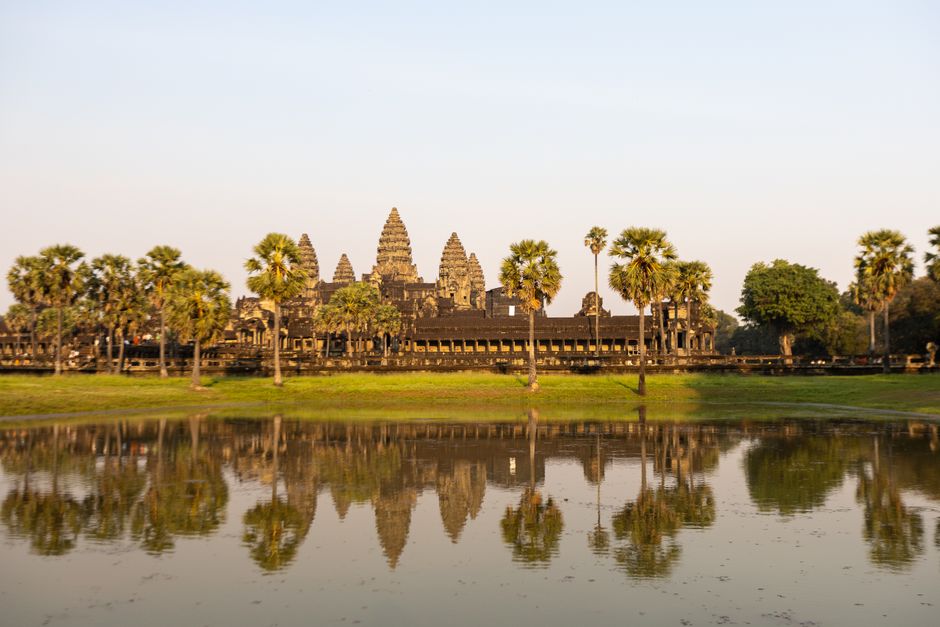
Yes—but only if you prepare properly. The sunrise view from the main temple’s reflection pool is iconic, but it requires arriving by 5:00 AM. Expect long lines and packed viewing areas. Bring a headlamp, water, and a small towel to sit on.
Alternative sunrise spots include Phnom Bakheng (fewer crowds, panoramic views) or Banteay Srei (smaller temple with detailed carvings). If you skip sunrise, arrive by 7:30 AM to beat the tour buses and heat.
How to Get to Angkor Wat
Most travelers fly into Siem Reap International Airport (SAI), located about 7 km from the city center. Direct flights are available from Bangkok, Ho Chi Minh City, Kuala Lumpur, and Singapore. From the airport, tuk-tuks, taxis, and Grab are affordable and convenient.
Angkor Wat is just 5 km north of Siem Reap town. Once there, you’ll need a pass to enter the archaeological park. Passes are sold at the official ticket office, located 2 km from the temple. Don’t buy from unofficial vendors—counterfeit tickets are common.
Angkor Pass Options
One-day pass: $37
Three-day pass: $62 (valid for 10 days, not consecutive)
Seven-day pass: $72 (valid for 30 days, not consecutive)
For most visitors, the three-day pass offers the best balance of value and flexibility. It allows you to explore major temples at a relaxed pace without feeling rushed.
Top Temples to Visit Beyond Angkor Wat
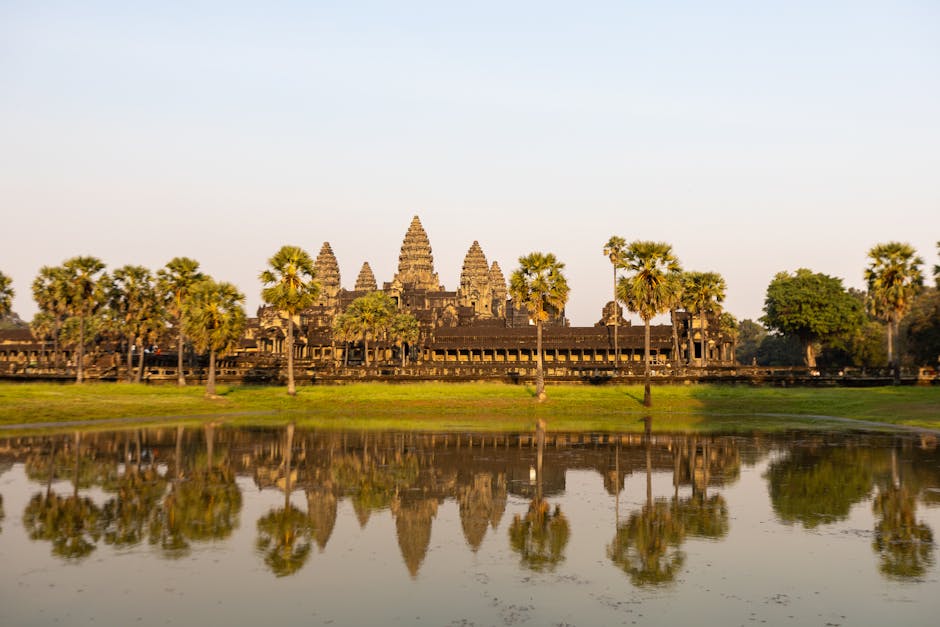
While Angkor Wat is the star, the Angkor Archaeological Park contains over 1,000 temples. Don’t miss these highlights:
Angkor Thom
This walled city includes Bayon Temple, famous for its 216 smiling stone faces. Enter through the South Gate, where five-meter-tall statues line the causeway. The symmetry and scale are breathtaking.
Ta Prohm
Known as the “Tomb Raider Temple,” Ta Prohm is engulfed by jungle roots and vines. It’s less restored than others, offering a raw, atmospheric experience. Visit early to avoid crowds and capture dramatic photos.
Banteay Srei
Located 25 km northeast of the main complex, this 10th-century temple is famed for its pink sandstone and intricate carvings. It’s smaller but exceptionally detailed—worth the extra travel time.
Preah Khan
A sprawling monastic complex once home to 100,000 people. Its maze-like layout and jungle-covered ruins make it feel like an explorer’s discovery. Bring insect repellent—mosquitoes are common.
Getting Around Siem Reap and the Temples
Tuk-tuks are the most popular way to get around. They’re affordable, open-air, and perfect for short trips. Negotiate fares in advance or use metered services. A full-day temple tour typically costs $15–$25.
Bicycles are another option, especially for the inner temple circuit. Rentals cost $2–$5 per day. However, distances can be long, and midday heat is intense—start early and carry plenty of water.
Private cars with drivers are available for $30–$50 per day. Ideal for families or groups, they offer air conditioning and flexibility. Avoid unlicensed drivers; use reputable agencies or hotel recommendations.
What to Wear and Pack
Dress modestly when visiting temples. Shoulders and knees must be covered—no tank tops, shorts, or short skirts. Lightweight, breathable fabrics like cotton or linen work best.
Pack a hat, sunglasses, sunscreen, and a reusable water bottle. Dehydration is common, especially during long temple walks. A small backpack helps carry essentials without weighing you down.
Comfortable walking shoes are a must. Temples have uneven steps, steep staircases, and gravel paths. Flip-flops won’t cut it. Also bring a light scarf or sarong—it doubles as a cover-up and picnic blanket.
Cultural Etiquette and Temple Rules
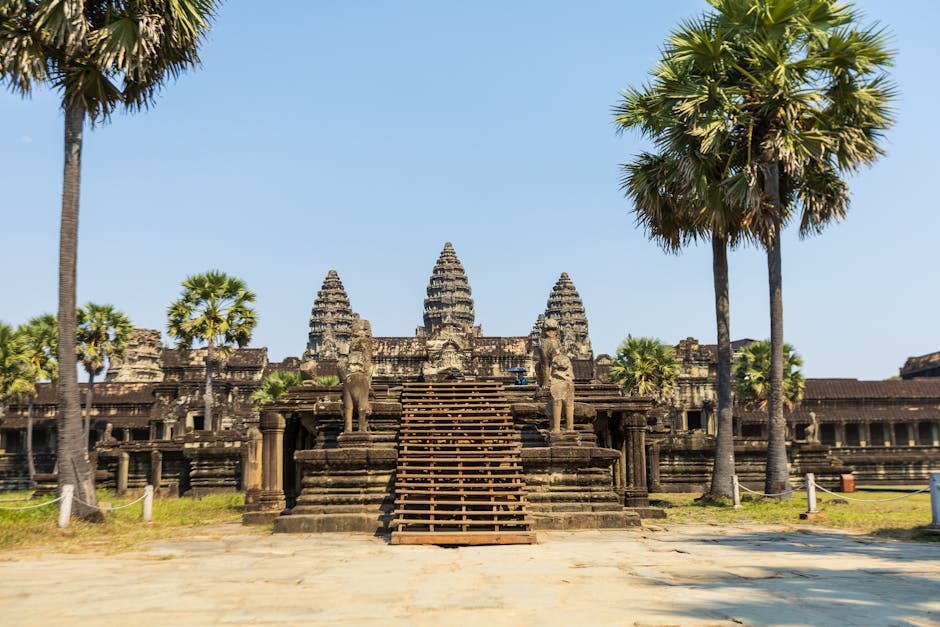
Respect local customs. Always remove your shoes before entering temple buildings. Don’t touch carvings or climb on structures—many are fragile and centuries old.
Avoid pointing your feet at Buddha statues or monks. Sit with feet tucked behind you. Photography is allowed in most areas, but flash and drones are prohibited.
When interacting with locals, a slight bow or “sampeah” (hands pressed together at chest level) is appreciated. Learn a few Khmer phrases like “sous-dey” (hello) and “orkun” (thank you).
Food and Drink in Siem Reap
Siem Reap offers a mix of Khmer cuisine and international fare. Try local dishes like amok (coconut curry), lok lak (stir-fried beef), and nom banh chok (rice noodles with fish gravy). Street food is safe if it’s freshly cooked and served hot.
Popular dining spots include Khmer Kitchen, Chanrey Tree, and Marum. For a unique experience, visit a cooking class or night market. Avoid tap water—drink bottled or filtered water only.
Beer is cheap and widely available. Angkor Beer is the national favorite. Happy hour deals are common in pub street bars, but drink responsibly—heat and dehydration increase alcohol’s effects.
Safety and Health Tips
Cambodia is generally safe for travelers. Petty theft, like bag snatching, can occur in crowded areas. Keep valuables secure and avoid flashing expensive items.
Use reputable transportation and avoid unmarked taxis. Stick to well-lit areas at night, especially around Pub Street. Travel insurance is strongly recommended.
Malaria risk is low in Siem Reap, but dengue fever is present. Use insect repellent with DEET, wear long sleeves at dawn and dusk, and sleep under mosquito nets if needed.
Money, Costs, and Tipping
The official currency is the Cambodian riel, but US dollars are widely accepted. Keep small bills (under $20) for tuk-tuks, markets, and tips. ATMs are common in Siem Reap.
Average daily budget: $30–$50 for budget travelers, $70–$120 for mid-range. Temple passes, food, and transport are the main expenses. Entry to museums and shows costs extra.
Tipping isn’t mandatory but appreciated. Round up fares, leave $1–$2 at restaurants, and tip guides $5–$10 per day for good service.
Sustainable and Responsible Travel
Support local communities by hiring Cambodian guides, buying handmade crafts, and dining at family-run restaurants. Avoid elephant rides—many involve cruel training practices.
Carry a reusable water bottle with a filter. Plastic waste is a major issue in Cambodia. Refill stations are available at many hotels and cafes.
Respect wildlife and natural sites. Don’t feed monkeys or touch coral if you snorkel. Leave no trace—pack out all trash, even if others don’t.
Day Trips and Nearby Attractions
Beyond the temples, explore Tonlé Sap Lake, home to floating villages like Kampong Phluk. Boat tours ($10–$20) offer insight into local life and stunning water landscapes.
Visit the Landmine Museum to learn about Cambodia’s history and ongoing recovery efforts. Admission is $5, and donations support demining and victim assistance.
For adventure, try zip-lining at Flight of the Gibbon or cycling through rural villages. Sunset at Phnom Kulen, a sacred mountain with waterfalls and reclining Buddha, is unforgettable.
Packing Checklist for Cambodia
- Modest clothing (shoulders and knees covered)
- Comfortable walking shoes
- Sunscreen, hat, sunglasses
- Insect repellent with DEET
- Reusable water bottle with filter
- Power bank and universal adapter
- First-aid kit (band-aids, antiseptic, rehydration salts)
- Copies of passport and travel insurance
Final Tips for a Smooth Trip
Book accommodations in advance during peak season. Siem Reap has options for every budget, from hostels to luxury resorts. Staying near the Old Market puts you close to restaurants, shops, and transport.
Download offline maps and translation apps. Google Maps works well in Siem Reap, but signal can be spotty in rural areas. The Google Translate app supports Khmer with camera translation.
Stay flexible. Temple visits take longer than expected. Allow extra time for rest, meals, and unexpected discoveries. Travel in Cambodia is about the journey, not just the destination.
FAQ
Do I need a visa to visit Cambodia?
Most travelers can obtain a visa on arrival at airports and land borders. A 30-day tourist visa costs $30. Alternatively, apply online for an e-visa at evisa.gov.kh. Passports must be valid for at least six months.
Can I visit Angkor Wat without a guide?
Yes, but a local guide enhances the experience. They explain history, point out hidden details, and help navigate the complex. Licensed guides charge $25–$40 per day. Hire through your hotel or a reputable agency.
Is it safe to drink tap water in Siem Reap?
No. Always drink bottled or filtered water. Avoid ice in drinks unless you’re sure it’s made from purified water. Stick to sealed beverages and hot drinks like tea or coffee.