Best Island Travel Destinations for Tropical Escapes
Dreaming of turquoise waters, swaying palms, and powdery white sand? The best island travel destinations for tropical escapes offer more than just postcard-perfect scenery—they provide immersive experiences in nature, culture, and relaxation. Whether you’re seeking adventure, romance, or solitude, these islands deliver unforgettable getaways under warm sun and clear skies. From the Caribbean to Southeast Asia, we’ve handpicked top islands that combine accessibility, natural beauty, and authentic local charm. This guide helps you choose the right destination based on climate, activities, and travel style—so you can book with confidence.
Why Island Escapes Are the Ultimate Tropical Retreat
Islands naturally offer seclusion and a break from daily routines. Surrounded by ocean, they create a sense of escape that’s hard to replicate on the mainland. The rhythm of island life—slow, sun-focused, and nature-driven—encourages mindfulness and rejuvenation.
Tropical islands, in particular, benefit from consistent warm weather, lush vegetation, and rich marine ecosystems. Many are also culturally distinct, with traditions shaped by centuries of isolation or colonial influence. This blend of natural beauty and cultural depth makes them ideal for travelers looking to unwind and explore simultaneously.
What Makes a Tropical Island Destination Stand Out
Not all tropical islands are created equal. The best ones share key traits: reliable dry seasons, well-maintained beaches, and a range of accommodations from budget guesthouses to luxury resorts. Accessibility matters too—some islands require multiple flights, while others are a short hop from major cities.
Safety, local infrastructure, and environmental sustainability also play a role. Islands with strong conservation efforts, like marine protected areas or eco-certified lodges, often offer more authentic and responsible travel experiences. Look for destinations that balance tourism with preservation.
Top Tropical Island Destinations Around the World
Bali, Indonesia: Culture, Beaches, and Volcanic Landscapes
Bali consistently ranks among the most popular tropical escapes thanks to its diverse offerings. The island blends Hindu temples, rice terraces, and world-class surfing with a vibrant arts scene and wellness culture. Ubud draws yoga enthusiasts and creatives, while Seminyak and Canggu cater to beach lovers and digital nomads.
Best time to visit: April to October, during the dry season. Avoid Nyepi, the Day of Silence, when the entire island shuts down. Pack modest clothing for temple visits and always carry cash—many small vendors don’t accept cards.
Maldives: Overwater Villas and Coral Reefs
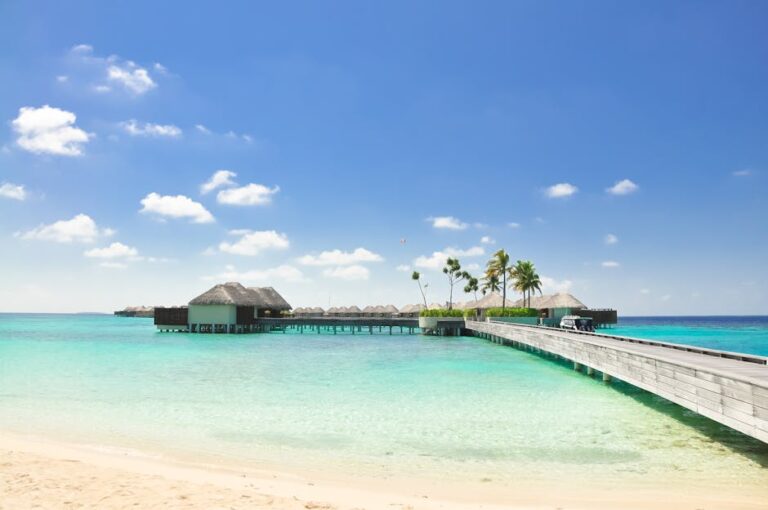
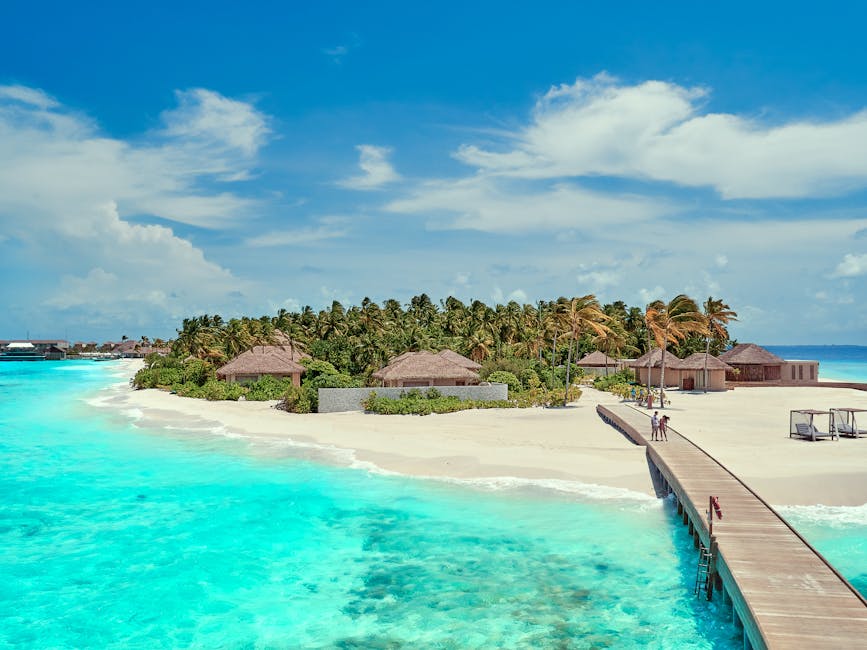
The Maldives is synonymous with luxury and seclusion. This Indian Ocean archipelago consists of over a thousand coral islands, many privately owned by resorts. Overwater bungalows, private beaches, and house reefs make it a top pick for honeymoons and high-end escapes.
Most visitors arrive via seaplane from Malé International Airport. While expensive, the experience justifies the cost for many. Note: alcohol is prohibited on local islands but available at resort islands. Book transfers and excursions in advance, especially during peak season (November to April).
Seychelles: Granite Boulders and Pristine Nature
Unlike most tropical islands formed from coral, Seychelles’ granitic islands feature dramatic rock formations, dense jungles, and rare wildlife. Anse Source d’Argent on La Digue is one of the world’s most photographed beaches, with pink sand and sculpted granite.
The islands are malaria-free and relatively safe, but remote. Flights connect through Dubai, Doha, or Johannesburg. Renting a car is recommended for exploring, though roads can be narrow and winding. Pack reef-safe sunscreen—Seychelles bans oxybenzone to protect its reefs.
Palawan, Philippines: Hidden Lagoons and Limestone Cliffs
Palawan’s El Nido and Coron offer some of Southeast Asia’s most dramatic scenery. Towering karst cliffs rise from emerald waters, framing hidden lagoons and secret beaches accessible only by boat. Island-hopping tours are the best way to experience the region’s diversity.
Travelers should book tours early, especially during the dry season (December to May). Monsoon rains from June to October can disrupt plans. Respect local guidelines—many lagoons are protected, and feeding fish or touching coral is prohibited.
Mauritius: Multicultural Charm and Coastal Diversity
Mauritius blends African, Indian, Chinese, and European influences into a unique cultural mosaic. Beyond its beaches, the island offers hiking in Black River Gorges National Park, tea plantations, and colonial architecture in Port Louis.
The island is well-connected by road, making day trips easy. Best visited from May to December, when humidity is lower and rainfall minimal. Try local dishes like dholl puri and seafood rougaille. Avoid swimming during jellyfish season (typically January to March).
St. Lucia: Volcanic Peaks and Rainforest Trails
St. Lucia stands out in the Caribbean for its dramatic topography. The Pitons—twin volcanic spires—are a UNESCO World Heritage Site and a hiker’s dream. The island also boasts sulfur springs, waterfalls, and dense rainforests.
While beaches are smaller than in other Caribbean islands, the island’s natural diversity compensates. Soufrière is the cultural heart, with historic plantations and local markets. Hurricane season runs from June to November—consider travel insurance.
Fiji: Warm Hospitality and Remote Atolls
Fiji’s 300+ islands offer everything from luxury resorts to traditional village stays. Known for its friendly locals and strong cultural traditions, Fiji provides a more immersive experience than many commercialized destinations.
The Mamanuca and Yasawa Islands are popular for snorkeling and diving. Nadi is the main gateway, with ferries connecting to outer islands. Best visited May to October. Respect local customs—cover shoulders and knees when visiting villages, and always ask before photographing people.
How to Choose the Right Island for Your Trip
With so many options, narrowing down your choice can be overwhelming. Start by defining your travel goals: Are you looking for relaxation, adventure, or cultural immersion? Your answer will guide your destination selection.
Consider your budget. Islands like Bali and the Philippines offer great value, while the Maldives and Seychelles cater to higher-end travelers. Also factor in travel time—some islands require long flights and layovers, which may affect your decision.
Matching Destinations to Travel Styles
For couples: The Maldives and Seychelles offer privacy and luxury. St. Lucia and Fiji provide romantic settings with a mix of nature and comfort.
For families: Mauritius and Bali have a range of accommodations and activities suitable for children. St. Lucia’s calm beaches and easy access make it family-friendly.
For solo travelers: Bali and the Philippines have strong backpacker networks and social hostels. Fiji’s village stays offer safe, welcoming environments.
For adventure seekers: Palawan’s diving spots, St. Lucia’s hiking trails, and Fiji’s surfing breaks deliver excitement. Always check local safety conditions before booking extreme activities.
Practical Tips for Island Travel
Island logistics differ from mainland travel. Flights may be limited, and weather can change quickly. Plan ahead to avoid common pitfalls.
Book inter-island transport early, especially ferries and small planes. Delays are common due to weather or mechanical issues. Keep digital and printed copies of tickets and reservations.
Packing Essentials for Tropical Islands
Pack light, breathable clothing, a wide-brimmed hat, and UV-blocking sunglasses. Reef-safe sunscreen is a must—many islands ban harmful chemicals. Bring a reusable water bottle and a waterproof phone case.
Don’t forget insect repellent, especially in regions with dengue or Zika. A small first-aid kit with antiseptic, bandages, and motion sickness tablets can be a lifesaver. Power adapters vary by country—check voltage and plug types in advance.
Staying Safe and Responsible
Respect local laws and customs. In some islands, public displays of affection or alcohol consumption may be frowned upon. Always ask permission before entering private property or sacred sites.
Protect marine life by not touching coral or feeding fish. Use biodegradable toiletries and avoid single-use plastics. Support local businesses—eat at family-run restaurants and buy handmade crafts.
When to Visit Tropical Islands
Timing is crucial for a smooth island getaway. Most tropical destinations have distinct wet and dry seasons. Dry seasons typically offer calmer seas, clearer skies, and better visibility for snorkeling and diving.
Peak tourist seasons often align with school holidays and winter escapes from colder climates. Expect higher prices and crowds during these times. Shoulder seasons—just before or after peak—can offer better deals and fewer tourists.
Seasonal Guide by Region
Caribbean: December to April is ideal. Hurricane risk increases from June to November.
Southeast Asia: November to March is generally dry, though monsoon patterns vary by island.
Indian Ocean (Maldives, Seychelles): November to April offers the best weather. May to October brings stronger winds but fewer tourists.
Pacific (Fiji): May to October is dry and pleasant. Cyclone season runs from November to April.
Always check local forecasts and travel advisories before departure. Some islands have microclimates—weather can vary significantly between regions.
Final Thoughts on Planning Your Tropical Escape
The best island travel destinations for tropical escapes offer more than just beautiful views—they provide transformative experiences. Whether you’re diving with manta rays in the Maldives, hiking through Balinese rice fields, or sipping rum on a Fijian beach, these islands invite you to slow down and reconnect with nature.
Choose a destination that aligns with your interests, budget, and travel style. Prioritize safety, sustainability, and local culture. With thoughtful planning, your island getaway can be as enriching as it is relaxing.
FAQ
What is the best time of year to visit tropical islands?
It depends on the region. Generally, dry seasons—such as December to April in the Caribbean or May to October in Fiji—offer the best weather. Always check local climate patterns before booking.
Are tropical islands safe for solo travelers?
Yes, many tropical islands are safe for solo travelers, especially those with established tourism infrastructure like Bali, Mauritius, and the Maldives. Research local customs, stay in reputable accommodations, and share your itinerary with someone you trust.
How can I travel sustainably to island destinations?
Choose eco-certified accommodations, avoid single-use plastics, use reef-safe sunscreen, and support local businesses. Respect wildlife and natural sites by not touching coral or littering. Offset your flight emissions when possible.