Adventure Travel Guide for Stunning Landscapes and Trails
Looking to explore breathtaking natural scenery on foot, by bike, or via remote routes? This adventure travel guide for stunning landscapes and trails highlights top destinations, practical planning tips, and essential safety advice. Whether you’re drawn to alpine ridges, desert canyons, or coastal paths, you’ll find actionable insights to help you choose the right trail, pack smart, and travel responsibly. From well-marked routes to hidden gems, this guide supports every stage of your journey—so you can focus on the views, not the logistics.
Why Choose Adventure Travel for Scenic Exploration
Adventure travel offers more than just physical activity—it connects you directly with nature’s most dramatic backdrops. Unlike traditional tourism, it emphasizes immersion, challenge, and discovery. Trails wind through forests, across plateaus, and alongside rivers, offering views that are often inaccessible by car or tour bus.
These experiences build resilience and provide lasting memories. A sunrise hike in Patagonia or a multi-day trek through the Canadian Rockies delivers a sense of accomplishment no museum or monument can match. The reward isn’t just the destination—it’s the journey itself.
Top Destinations for Stunning Landscapes and Trails
Some regions consistently deliver awe-inspiring scenery and well-maintained trails. These locations combine natural beauty with infrastructure that supports safe exploration.
Patagonia, Chile and Argentina
Patagonia’s jagged peaks, glacial lakes, and endless windswept plains define wild adventure. The W Trek in Torres del Paine National Park is a classic 5–7 day route with refuges for overnight stays. For solitude, consider the Dientes de Navarino Circuit on Navarino Island, near the southern tip of South America.
Weather changes fast here. Pack layers, waterproof gear, and always check forecasts. Trails are well-marked but remote—carry a GPS device and know how to use it.
The Canadian Rockies, Canada
Banff and Jasper National Parks offer some of North America’s most photographed landscapes. The Skyline Trail in Jasper spans 44 kilometers with panoramic views of the Front Ranges. In Banff, the Plain of Six Glaciers Trail delivers alpine meadows and glacier-fed lakes within a day hike.
Wildlife is abundant. Carry bear spray, make noise on narrow trails, and store food properly. Permits are required for backcountry camping—book early, especially in summer.
Torres del Paine, Chile
This UNESCO Biosphere Reserve features granite towers, turquoise lakes, and vast grasslands. The O Circuit is a 7–10 day loop that circles the entire range, while the shorter W Trek focuses on the park’s highlights.
Strong winds are common. Secure tents tightly and avoid exposed ridges during storms. Refuges provide basic lodging, but supplies are limited—pack all essentials.
Laugavegur Trail, Iceland
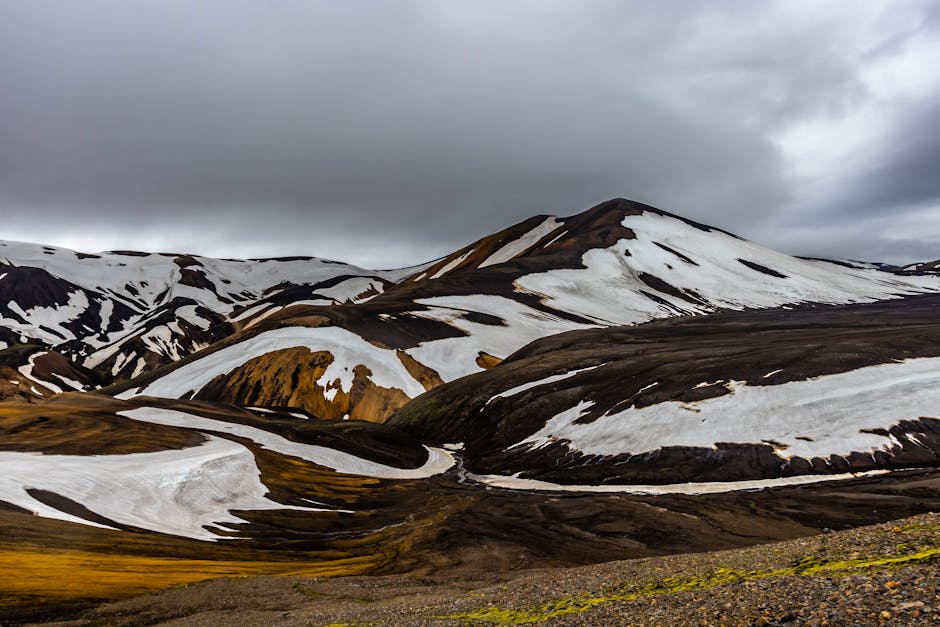
Stretching 55 kilometers from Landmannalaugar to Þórsmörk, this trail crosses volcanic deserts, hot springs, and glacial rivers. The landscape shifts dramatically every few kilometers, from rhyolite mountains to moss-covered lava fields.
River crossings require caution. Use trekking poles and cross in groups. Weather can turn icy even in summer—waterproof boots and gaiters are essential.
Annapurna Circuit, Nepal
One of the world’s great treks, this 200-kilometer route circles the Annapurna Massif. It passes through subtropical forests, high-altitude deserts, and traditional villages. The Thorong La Pass at 5,416 meters is the highest point.
Altitude sickness is a real risk. Ascend slowly, stay hydrated, and descend immediately if symptoms worsen. Teahouses offer food and shelter, but bring a sleeping bag rated for cold conditions.
How to Choose the Right Trail for Your Skill Level
Not all trails are created equal. Match your experience, fitness, and time availability to the route’s demands. Start with shorter, well-marked paths if you’re new to backpacking or high-altitude hiking.
Beginner-Friendly Trails
Look for routes under 10 kilometers with minimal elevation gain and clear signage. The Johnston Canyon Trail in Banff or the Fairy Pools on the Isle of Skye are excellent starting points. These trails offer dramatic scenery without technical challenges.
Check trail conditions before you go. Some paths close due to snow, flooding, or maintenance. Always carry a map, even on popular routes.
Intermediate Trails
These typically span 10–20 kilometers with moderate elevation changes. The Sky Pond Trail in Rocky Mountain National Park or the Kalalau Trail’s first 3 miles in Hawaii fit this category. You’ll need solid footwear and basic navigation skills.
Pack extra food and water. Weather can shift quickly in mountainous areas. A lightweight emergency shelter is a smart addition.</n
Advanced and Multi-Day Treks
Long-distance routes demand physical endurance, navigation ability, and self-sufficiency. The Tour du Mont Blanc or the West Coast Trail in British Columbia require permits, detailed planning, and experience with river crossings and weather exposure.
Train beforehand. Practice carrying a loaded pack over varied terrain. Know how to read a topographic map and use a compass—GPS batteries die.
Essential Gear for Safe and Enjoyable Adventures
Your gear can make or break a trip. Focus on reliability, weight, and functionality. Invest in quality where it matters most.
Footwear and Clothing
Sturdy, broken-in hiking boots prevent blisters and ankle injuries. Choose models with good ankle support and Vibram soles for grip. Wear moisture-wicking base layers and pack a waterproof shell—even in summer.
Avoid cotton. It retains moisture and increases the risk of hypothermia in cold or wet conditions. Wool and synthetic fabrics dry faster and insulate better when damp.
Navigation Tools
Carry a physical map and compass, even if you rely on GPS. Download offline maps on your phone using apps like Gaia GPS or Maps.me. Know how to triangulate your position using landmarks.
Mark waypoints at trail junctions and campsites. Note distances between key points to avoid getting lost if your device fails.
Shelter and Sleep System
A lightweight tent or bivy sack provides protection from wind, rain, and insects. For summer trips, a tarp and bug net may suffice. Pair your shelter with a sleeping bag rated for the expected low temperature and a closed-cell foam or inflatable sleeping pad.
Test your setup at home. Practice pitching your tent in the dark or in windy conditions. A dry, warm night’s sleep is critical for recovery.
Food and Water
Pack calorie-dense, non-perishable foods like nuts, dried fruit, pasta, and energy bars. For multi-day trips, consider dehydrated meals—they’re lightweight and easy to prepare.
Always treat water from natural sources. Use a filter, purification tablets, or a UV sterilizer. Boiling is effective but fuel-intensive. Carry at least two liters of capacity and refill at reliable sources.
Planning Your Adventure: Timing, Permits, and Logistics
Good planning prevents problems on the trail. Research your destination thoroughly and prepare for variables beyond your control.
Best Times to Travel
Seasonality affects trail conditions, weather, and crowd levels. In the Alps, July and August offer stable weather but heavy traffic. September brings fewer people and colorful foliage. In Patagonia, December to February is summer—long days, but strong winds.
Avoid monsoon seasons in tropical regions. In Nepal, trek between October–November or March–April. In Iceland, summer provides nearly 24-hour daylight, ideal for long hikes.
Permits and Regulations
Many protected areas require permits for entry or camping. In the U.S., national parks like Yosemite and Zion limit daily hikers on popular trails. In New Zealand, Department of Conservation (DOC) huts require bookings.
Apply early. Some permits are issued via lottery systems. Failure to secure one can cancel your trip. Always follow Leave No Trace principles—pack out all trash, including toilet paper.
Transportation and Access
Some trailheads are remote. Research shuttle services, public transit, or car rental options. In Torres del Paine, buses run from Puerto Natales. In the Canadian Rockies, park-and-ride lots reduce congestion.
For international trips, check visa requirements and travel advisories. Notify your bank of travel plans to avoid card issues. Carry a copy of your passport and travel insurance details.
Safety Tips for Remote and Challenging Environments
Adventure travel involves risk. Preparation and awareness reduce the chance of accidents and improve outcomes if something goes wrong.
Weather Awareness
Mountain weather changes rapidly. Check forecasts daily and monitor cloud formations. Cumulonimbus clouds signal potential thunderstorms. Descend early if skies darken or winds pick up.
Hypothermia can occur even in mild temperatures if you’re wet and exposed. Layer clothing and seek shelter at the first sign of fatigue or shivering.
Wildlife Encounters
In bear country, carry bear spray and know how to use it. Make noise while hiking to avoid surprising animals. Store food in bear-proof containers or hang it properly.
In areas with snakes or insects, wear long pants and inspect your gear before use. Carry a basic first aid kit with antiseptic, bandages, and antihistamines.
Emergency Preparedness
Carry a personal locator beacon (PLB) or satellite messenger in remote areas. These devices can send distress signals when cell service is unavailable. Let someone know your itinerary and expected return time.
If lost, stay put. Conserve energy and resources. Use bright clothing or a signal mirror to attract attention. Avoid splitting up if in a group.
Leave No Trace: Traveling Responsibly in Nature
Preserving these landscapes ensures they remain accessible and beautiful for future travelers. Follow the seven Leave No Trace principles.
Plan ahead and prepare. Travel and camp on durable surfaces. Dispose of waste properly—pack out all trash, including food scraps and toilet paper. Leave what you find. Minimize campfire impact—use a stove instead. Respect wildlife by observing from a distance. Be considerate of other visitors.
These practices protect ecosystems and maintain trail access. Overuse leads to closures. Do your part to keep these places open and pristine.
Final Thoughts: Making the Most of Your Adventure
An adventure travel guide for stunning landscapes and trails is only as good as the effort you put into preparation. Research your destination, train appropriately, and pack wisely. Respect the environment and local communities.
The best trips aren’t always the longest or most difficult. Sometimes, a quiet sunrise over a mountain lake or a chance encounter with wildlife defines the experience. Stay flexible, stay safe, and stay curious.
FAQ
What should I pack for a multi-day trek?
Pack lightweight, essential gear: a tent or shelter, sleeping bag and pad, stove, food, water treatment, map and compass, first aid kit, headlamp, and layered clothing. Prioritize weight and functionality—every gram counts over long distances.
How do I avoid altitude sickness on high-elevation trails?
Ascend gradually, allowing time for acclimatization. Stay hydrated, avoid alcohol, and recognize symptoms like headache, nausea, or dizziness. Descend immediately if symptoms worsen. Consider medication like acetazolamide for prevention, but consult a doctor first.
Are guided tours better than solo travel for scenic trails?
Guided tours offer safety, local knowledge, and logistical support, especially in remote or politically complex regions. Solo travel provides flexibility and solitude but requires more planning and self-reliance. Choose based on your experience, destination, and comfort level.