Beach Travel Guide with Surfing and Diving Tips
Planning a beach vacation that combines thrilling water sports with relaxation? This beach travel guide delivers expert surfing and diving tips to help you choose the right destination, gear up safely, and make the most of your time in the water. Whether you’re a beginner catching your first wave or an experienced diver exploring coral reefs, you’ll find practical advice tailored to real-world conditions. From ideal swell patterns to essential safety checks, this guide covers everything you need for a rewarding coastal adventure.
Choosing the Right Beach Destination
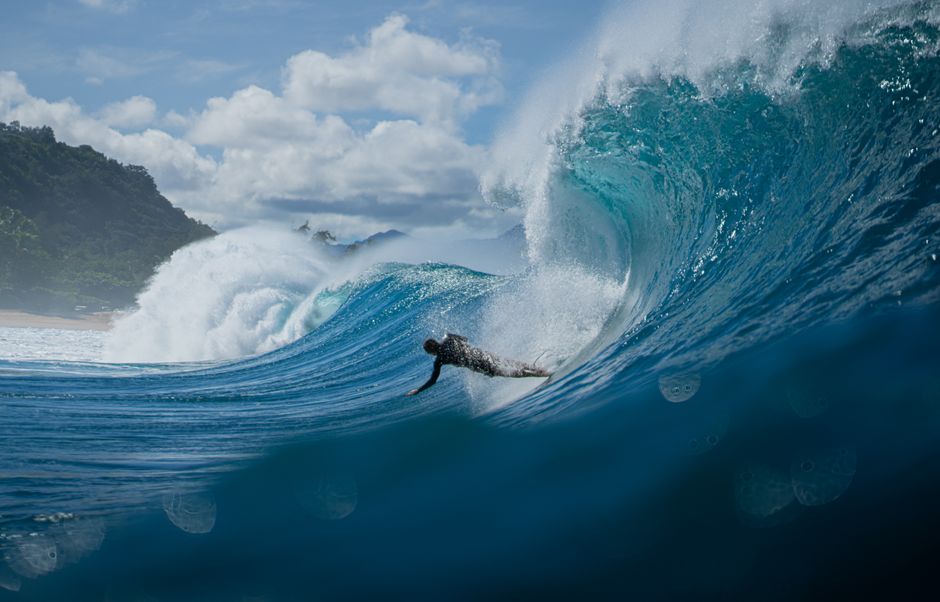
Not all beaches are created equal when it comes to surfing and diving. Look for locations with consistent wave action for surfing and clear, calm waters for diving. Popular spots like Hawaii’s North Shore offer powerful winter swells perfect for experienced surfers, while Bali’s Uluwatu provides year-round breaks suitable for intermediate riders.
For diving, prioritize destinations with protected marine parks and minimal boat traffic. The Great Barrier Reef in Australia and Tubbataha Reefs in the Philippines are world-renowned for biodiversity and visibility. Always check seasonal conditions—monsoon seasons can drastically affect water clarity and wave quality.
Coastal Geography Matters
Beach shape and underwater topography influence both surfing and diving experiences. Sandy bottoms are safer for beginner surfers, while rocky or reef breaks generate faster, more powerful waves preferred by advanced riders.
Divers should seek out drop-offs, caves, and coral gardens. Locations like Blue Corner in Palau feature strong currents that attract pelagic species, but require advanced certification. Always research local conditions before entering the water.
Best Times to Visit
Surfing conditions vary by hemisphere and season. In the Northern Hemisphere, winter months (November–February) typically bring larger swells to Pacific coasts. Southern Hemisphere surfers should target June–August for peak conditions.
Diving is often best during dry seasons when rainfall is low and visibility exceeds 30 meters. In the Caribbean, April to June offers calm seas and warm water. Avoid hurricane season (June–November) in tropical regions unless you’re prepared for cancellations.
Essential Surfing Tips for Every Level
Surfing combines physical skill, timing, and respect for ocean dynamics. Start by assessing your ability honestly—paddling into large waves without proper technique increases injury risk.
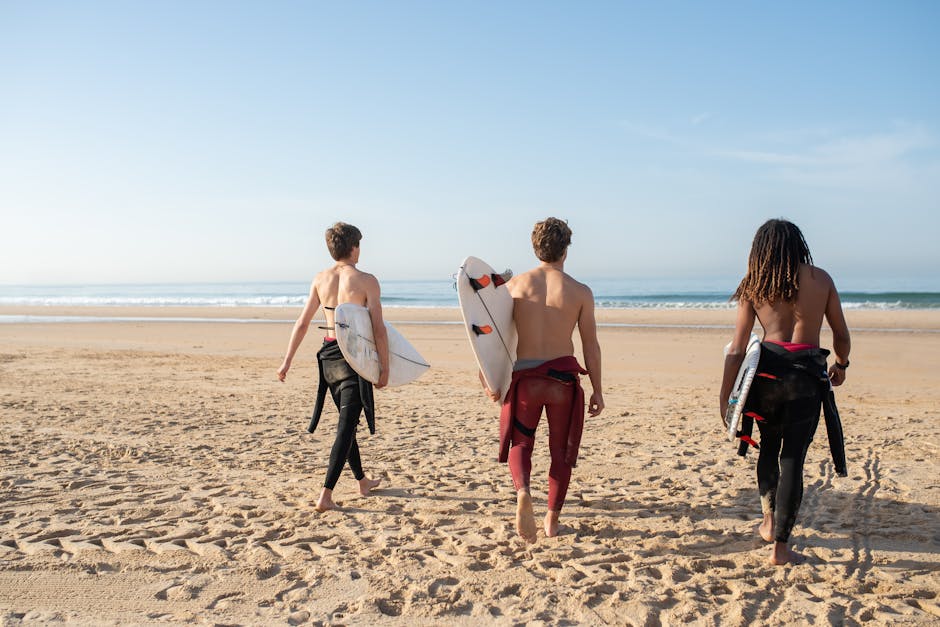
Beginners should take a lesson from a certified instructor. Schools in Costa Rica’s Tamarindo or Portugal’s Ericeira offer structured programs with soft-top boards and safety briefings. Always surf near lifeguard stations and avoid crowded lineups until you can read waves confidently.
Gear Checklist for Surfers
Your board should match your skill level. Longboards (8–9 feet) offer stability for learning; shortboards (under 7 feet) suit advanced maneuvers. Rent locally to test different styles before buying.
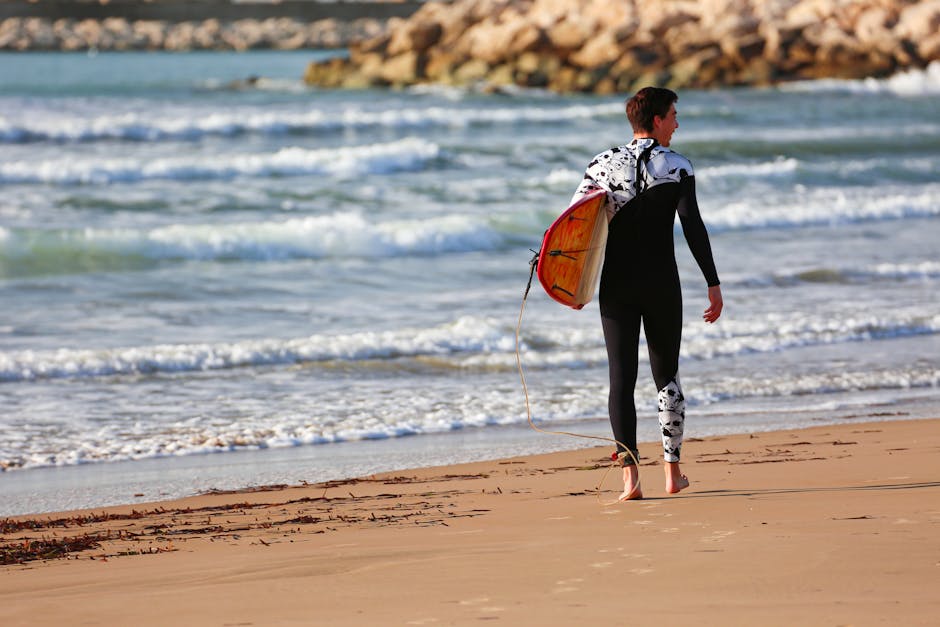
Wear a leash to prevent board loss and a rash guard to protect against sun and chafing. In colder waters, a 3/2mm wetsuit keeps you warm without restricting movement. Always inspect your gear for cracks or worn straps before entering the water.
Reading Waves and Ocean Conditions
Learn to identify wave types: close-outs (breaking all at once) are dangerous for beginners, while peeling waves allow for long rides. Watch how other surfers position themselves—this reveals where the best sets break.
Check tide charts and wind forecasts. Offshore winds (blowing from land to sea) groom waves into clean faces. Onshore winds create choppy, messy conditions. Avoid surfing during rip currents—if you’re caught, paddle parallel to shore until you escape the pull.
Safety and Etiquette
Surfing has unwritten rules. Don’t drop in on someone else’s wave—wait your turn. Yield to the surfer closest to the peak. If you fall, cover your head and dive under incoming waves.
Never surf alone in remote areas. Inform someone of your plans and expected return time. Carry a whistle or signaling device in case of emergency. Respect local surfers—some breaks have strong community norms.
Diving Fundamentals and Best Practices
Scuba diving opens access to underwater ecosystems, but requires training and discipline. Beginners should enroll in an Open Water certification course from organizations like PADI or SSI. These programs cover buoyancy control, emergency procedures, and equipment use.
Always dive with a buddy. Stay within your depth limits—recreational diving should not exceed 40 meters. Plan your dive and dive your plan, including descent, bottom time, and safety stops.
Choosing the Right Dive Gear
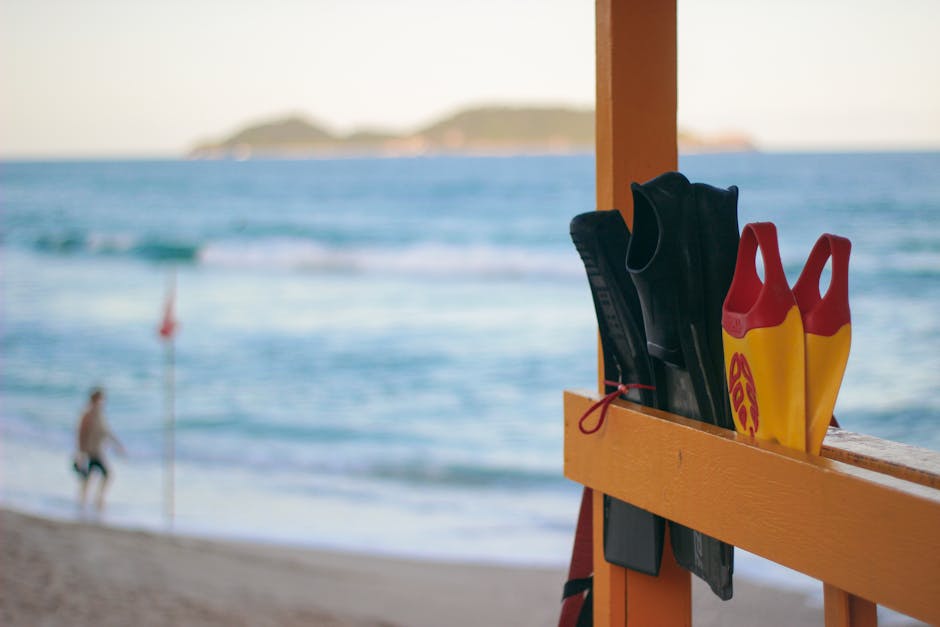
Mask, fins, and snorkel are essential even for certified divers. A well-fitting mask prevents leaks and fogging. Full-foot fins suit warm waters; open-heel fins with boots work better in cold conditions.
Rent BCDs (buoyancy control devices) and regulators from reputable dive shops. Ensure your weight system matches your exposure suit thickness. Carry a dive computer to monitor depth and no-decompression limits—avoid relying solely on tables.
Marine Life Awareness
Observe marine creatures without touching or feeding them. Coral reefs are fragile—even light contact can damage polyps. Maintain neutral buoyancy to avoid kicking up sediment or disturbing habitats.
Some species, like lionfish or sea urchins, have venomous spines. Learn to identify local hazards. If stung, rinse with seawater (not freshwater) and seek medical help if pain persists.
Night and Deep Diving Considerations
Night dives reveal nocturnal behaviors but require extra caution. Use a primary light and backup. Stay close to your buddy and avoid shining lights directly into marine animals’ eyes.
Deep diving (below 30 meters) increases nitrogen absorption and decompression risk. Only attempt with advanced certification and proper gas mixes. Never exceed your training limits.
Combining Surfing and Diving on One Trip
Some destinations offer both world-class surfing and diving within short distances. Bali, Indonesia features surf breaks at Kuta Beach and vibrant reef dives at Tulamben. Oahu, Hawaii offers Waikiki for beginners and shark dives off the North Shore.
Plan your days wisely. Surfing in the morning often yields cleaner waves, while afternoon light enhances underwater visibility. Allow time for surface intervals between activities—diving too soon after surfing increases decompression sickness risk.
Logistics and Local Knowledge
Use local surf and dive shops as resources. They provide up-to-date conditions, gear rentals, and guided tours. Many offer combo packages that save money and simplify planning.
Respect local regulations. Some marine parks require permits or restrict access during breeding seasons. Support eco-conscious operators that follow sustainable practices.
Packing Smart for Beach Adventures
Pack light but thoroughly. Bring reef-safe sunscreen to protect both your skin and marine environments. Regular sunscreens contain oxybenzone, which harms coral.
Use waterproof bags for electronics and documents. Dry bags keep gear protected during boat trips or beach walks. Include a basic first-aid kit with bandages, antiseptic, and pain relievers.
Clothing and Footwear
Quick-dry clothing and rash guards are ideal for beach days. Flip-flops work for casual wear, but water shoes protect feet from sharp rocks or coral. Avoid walking barefoot on unknown terrain.
Bring a lightweight towel and change of clothes for post-activity comfort. In tropical climates, breathable fabrics prevent overheating.
Environmental Responsibility
Leave no trace. Carry out all trash, including food wrappers and plastic bottles. Avoid single-use items—opt for reusable water bottles and utensils.
Support conservation efforts. Join beach cleanups or donate to local marine protection groups. Choose accommodations with eco-certifications and responsible waste management.
Wildlife Interaction Guidelines
Maintain a safe distance from animals. Feeding fish alters natural behaviors and can lead to aggression. Never chase or corner marine life.
Report illegal activities like coral harvesting or unregulated tours to local authorities. Responsible tourism helps preserve destinations for future visitors.
Final Tips for a Successful Beach Trip
Research your destination thoroughly. Read recent traveler reviews and check government travel advisories. Weather apps and surf reports provide real-time updates.
Stay hydrated and protect yourself from UV exposure. Drink plenty of water, especially after physical activity. Reapply sunscreen every two hours.
Be flexible. Conditions change daily. If the surf is flat or visibility is poor, explore cultural sites, local markets, or coastal hikes. A great beach vacation balances adventure with relaxation.
FAQ
What’s the best time of year for surfing and diving in tropical destinations?
Dry seasons (typically April–June or November–December, depending on location) offer the best balance of calm seas, clear water, and consistent waves. Avoid monsoon or hurricane seasons for safety and comfort.
Can I surf and dive on the same day?
Yes, but allow at least 12–24 hours between diving and flying, and avoid deep or repetitive dives before surfing. Surfing first is safer—exertion after diving increases decompression risk.
Do I need special insurance for surfing and diving?
Standard travel insurance often excludes high-risk water sports. Purchase adventure-specific coverage that includes medical evacuation, equipment loss, and activity-related injuries.