Best Wildlife Travel Destinations for Jungle Safaris
Planning a jungle safari means choosing a destination where wildlife thrives in natural habitats, guided experiences are safe and ethical, and conservation efforts are respected. The best wildlife travel destinations for jungle safaris offer diverse ecosystems, rare animal sightings, and immersive adventures led by knowledgeable local guides. Whether you’re tracking tigers in India, spotting gorillas in Rwanda, or exploring the Amazon rainforest, these locations deliver unforgettable encounters with nature at its most raw and beautiful.
Why Jungle Safaris Are a Unique Wildlife Experience
Jungle safaris stand apart from typical wildlife tours by placing travelers deep within dense forests, river basins, and protected reserves. Unlike zoo visits or open savanna drives, jungle safaris emphasize stealth, patience, and respect for animal behavior. These excursions often occur at dawn or dusk—peak activity times for many species—and rely on expert trackers to locate elusive creatures.
What makes jungle safaris special is their focus on biodiversity hotspots. These regions host a higher concentration of endemic species than most other ecosystems. From canopy-dwelling birds to ground-level predators, the layered complexity of jungle environments supports life in ways few other places can match.
Key Features of a Quality Jungle Safari
A well-organized jungle safari prioritizes safety, sustainability, and education. Reputable operators use small groups, low-impact vehicles, and trained naturalists to minimize disturbance to wildlife. Many partner with local communities to ensure tourism benefits both conservation and residents.
Look for certifications like those from the Global Sustainable Tourism Council or partnerships with recognized conservation groups. These signals help distinguish responsible safari providers from those that may prioritize profit over preservation.
Top Jungle Safari Destinations Around the World
From Asia’s lush rainforests to Africa’s ancient woodlands and South America’s riverine jungles, the planet offers several standout locations for wildlife enthusiasts. Each destination presents unique species, landscapes, and cultural contexts that shape the safari experience.
1. Ranthambore National Park, India
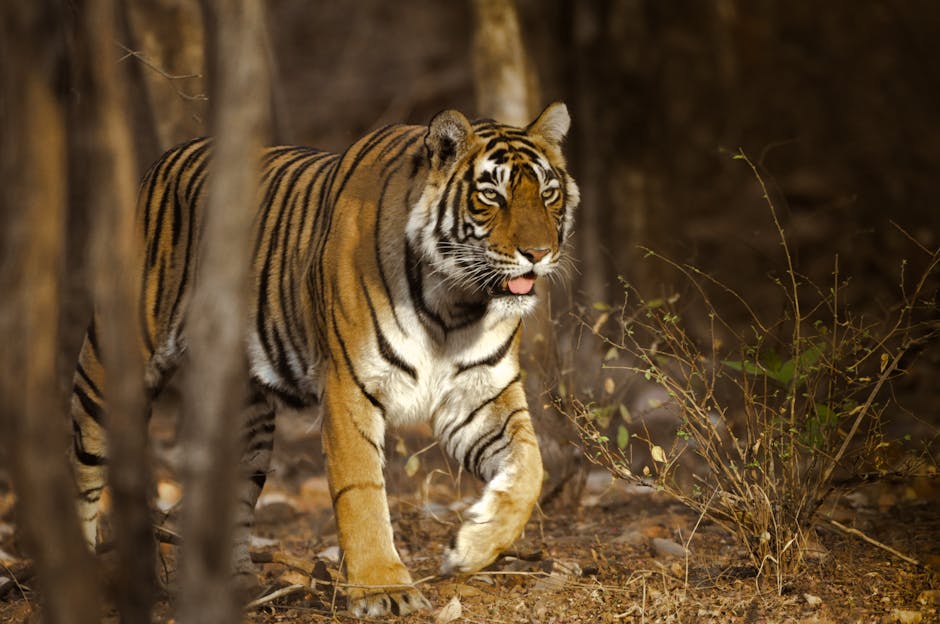
Ranthambore is one of India’s most accessible and celebrated tiger reserves. Located in Rajasthan, it combines rugged terrain, historic ruins, and dense deciduous forests. Tigers are frequently spotted near waterholes, especially during dry months when visibility improves.
Jeep safaris are the primary mode of exploration, with morning and afternoon slots available. Early bookings are essential, as permits are limited to protect the park’s carrying capacity. Besides tigers, visitors may see leopards, sloth bears, and over 300 bird species.
2. Bwindi Impenetrable National Park, Uganda
Home to nearly half of the world’s remaining mountain gorillas, Bwindi offers one of the most profound wildlife experiences on Earth. Trekking through mist-covered forests to observe these gentle giants in their natural habitat is both humbling and awe-inspiring.
Gorilla permits are strictly regulated—only eight visitors per group per day—to reduce stress on the animals. The trek can be physically demanding, involving steep climbs and muddy trails, but the reward is a rare, intimate encounter with endangered primates.
3. Tambopata National Reserve, Peru
Nestled in the Peruvian Amazon, Tambopata is a biodiversity powerhouse. The reserve features oxbow lakes, clay licks (collpas), and towering kapok trees that shelter macaws, capybaras, and jaguars. River-based safaris along the Tambopata River allow access to remote areas inaccessible by road.
Night walks reveal nocturnal species like tree frogs and kinkajous, while dawn boat rides offer chances to see giant river otters and caimans. Eco-lodges in the area emphasize low-impact design and community involvement.
4. Taman Negara, Malaysia
One of the world’s oldest rainforests, Taman Negara spans over 4,000 square kilometers across Peninsular Malaysia. Its ancient trees and complex understory support species like clouded leopards, Asian elephants, and the endangered Malayan tapir.
Canopy walks, night safaris, and river cruises provide varied perspectives of the jungle. The park’s research station also offers educational programs on rainforest ecology and conservation challenges.
5. Manú National Park, Bolivia
Though less visited than its Peruvian neighbor, Manú in Bolivia’s Amazon basin is a UNESCO World Heritage Site with extraordinary ecological integrity. It ranges from lowland rainforest to cloud forest, hosting pink river dolphins, harpy eagles, and jaguars.
Access is limited and requires advance planning, often involving flights to remote airstrips followed by river travel. This remoteness helps preserve its pristine condition but demands flexibility and preparation from travelers.
6. Madikwe Game Reserve, South Africa
While not a traditional “jungle,” Madikwe’s mixed woodland and grassland ecosystem supports a rich array of wildlife, including the Big Five. What sets it apart is its malaria-free status and strong anti-poaching record.
Open-sided vehicles allow unobstructed views, and expert rangers share insights into animal behavior and conservation strategies. The reserve also runs community outreach programs that link tourism revenue to local development.
7. Danum Valley, Borneo
This protected area in Sabah, Malaysia, is a haven for Bornean orangutans, pygmy elephants, and clouded leopards. Its old-growth rainforest has remained largely undisturbed for centuries, making it a living laboratory for scientists and a sanctuary for wildlife.
Visitors stay at research-focused lodges where guided walks emphasize forest ecology. Sightings of orangutans are common, especially at feeding platforms, though sightings remain wild and unpredictable.
How to Choose the Right Jungle Safari Destination
Selecting the ideal location depends on your interests, budget, physical ability, and travel timeline. Consider what species you most want to see—big cats, primates, birds, or reptiles—and match that to a region known for those animals.
Research seasonal patterns. For example, dry seasons often improve visibility and animal concentration near water sources, while wet seasons bring lush scenery and newborn wildlife. Monsoon months may limit access in some areas.
Assessing Accessibility and Infrastructure
Some jungle destinations require long flights, internal transfers, and rugged travel. Others are more accessible, with nearby airports and established lodge networks. Evaluate your comfort level with remoteness and logistical complexity.
Check visa requirements, vaccination recommendations, and local health advisories. Travel insurance that covers medical evacuation is strongly advised for remote jungle locations.
Understanding Permit and Booking Systems
Many top safari destinations limit daily visitors through permit systems. In places like Bwindi or Ranthambore, permits can sell out months in advance—especially during peak seasons. Book early and confirm cancellation policies.
Work with reputable tour operators who handle logistics, permits, and local guides. Avoid last-minute bookings unless you’re flexible with dates and destinations.
Essential Tips for a Safe and Respectful Jungle Safari
Jungle environments demand preparation and mindfulness. Weather can shift quickly, trails may be slippery, and wildlife behavior is unpredictable. Prioritize safety without sacrificing the sense of adventure.
Packing the Right Gear
Pack lightweight, breathable clothing in neutral colors—avoid bright hues that may disturb animals. Long sleeves and pants protect against insects and vegetation. Waterproof jackets, sturdy boots, and moisture-wicking layers are essential.
Bring binoculars, a headlamp with red-light mode (to preserve night vision), and a reusable water bottle. Avoid strong perfumes or scented products, as they can attract insects or alert animals to your presence.
Following Ethical Wildlife Practices
Never feed, touch, or chase wild animals. Maintain a respectful distance and follow your guide’s instructions at all times. Loud noises and sudden movements can stress animals and alter natural behaviors.
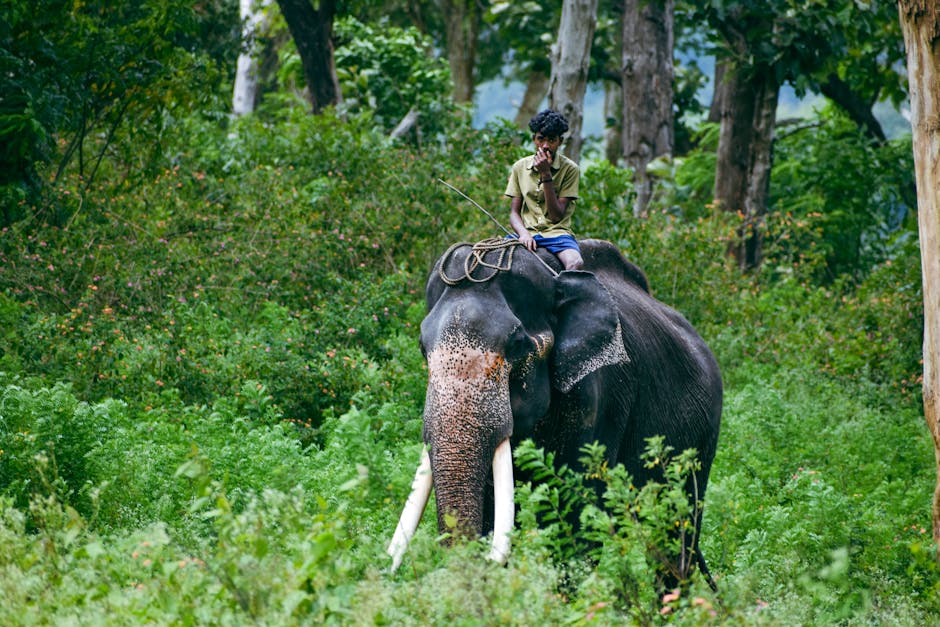
Support lodges and guides that prioritize animal welfare and habitat protection. Avoid attractions that offer staged interactions or exploit wildlife for photo opportunities.
Staying Healthy in Remote Areas
Consult a travel clinic 4–6 weeks before departure. Vaccinations for yellow fever, typhoid, and hepatitis A are often recommended for jungle regions. Malaria prophylaxis may be necessary depending on the destination.
Carry a basic first-aid kit with antiseptic, rehydration salts, and any personal medications. Drink only purified or bottled water, and avoid raw foods that may carry pathogens.
Conservation and Community Impact of Jungle Safaris
Well-managed safaris contribute directly to conservation funding and local economies. Entrance fees, permits, and lodge revenues often support anti-poaching units, habitat restoration, and community projects.
In Uganda, gorilla tourism has helped stabilize mountain gorilla populations through funded patrols and veterinary care. In Peru, eco-lodges employ local guides and fund school programs, creating incentives to protect forests.
Choosing Operators with Proven Impact
Look for companies that publish sustainability reports or partner with NGOs like the World Wildlife Fund or local conservation trusts. Transparency about where your money goes builds trust and ensures accountability.
Avoid operators that promise guaranteed sightings or use baiting techniques. These practices undermine conservation goals and distort natural animal behavior.
Final Thoughts on Planning Your Jungle Safari
The best wildlife travel destinations for jungle safaris combine ecological richness, responsible tourism practices, and meaningful cultural connections. Whether you’re drawn to the roar of a tiger, the gaze of a gorilla, or the silence of a rainforest at dawn, these journeys offer more than sightseeing—they foster a deeper appreciation for the planet’s wild places.
Take time to research, prepare thoroughly, and choose partners who share your values. A well-planned safari not only enriches your life but also supports the ongoing protection of the world’s most vital ecosystems.
FAQ
What is the best time of year for a jungle safari?
The ideal time varies by region. In India and Southeast Asia, dry seasons (typically November to March) offer better visibility and easier access. In the Amazon, the dry season (June to September) reduces flooding and concentrates wildlife near rivers.
Do I need special vaccinations for a jungle safari?
Yes, depending on your destination. Common recommendations include yellow fever, typhoid, hepatitis A, and malaria prophylaxis. Always consult a travel health specialist at least a month before departure.
Are jungle safaris safe for families with children?
Many destinations welcome families, but age and activity restrictions apply—especially for gorilla trekking or night walks. Choose family-friendly lodges and operators experienced in guiding younger travelers safely through jungle environments.