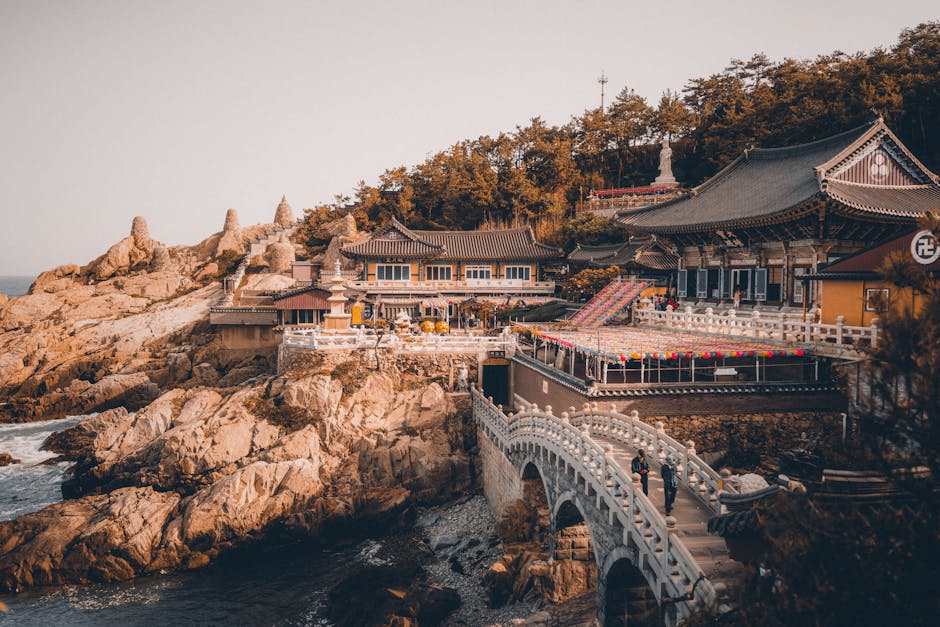
South Korea Travel Guide: Top Attractions and Tips
South Korea blends ancient traditions with cutting-edge innovation, offering travelers a dynamic mix of culture, nature, and modern comfort. From bustling Seoul to serene temples and scenic coastlines, this guide covers essential destinations, practical advice, and insider tips to help you plan a smooth and memorable trip. Whether you’re exploring historic palaces, hiking mountain trails, or savoring street food, South Korea delivers a rich, accessible experience for first-time and returning visitors alike.
Why Visit South Korea?
South Korea stands out as a top travel destination due to its efficient infrastructure, safety, and cultural depth. Public transportation is reliable and affordable, making it easy to navigate cities and countryside. The country consistently ranks high for cleanliness, low crime rates, and tourist-friendly services.
Beyond convenience, South Korea offers unique experiences: traditional hanok villages, UNESCO World Heritage sites, and a thriving food scene that goes far beyond kimchi and bibimbap. Seasonal highlights include cherry blossoms in spring, vibrant autumn foliage, and snowy mountain resorts in winter. With so much to see and do, a well-planned itinerary ensures you make the most of your time.
Top Attractions in South Korea
Gyeongbokgung Palace, Seoul
Gyeongbokgung is the largest and most iconic of Seoul’s five grand palaces. Built in 1395, it served as the main royal residence during the Joseon Dynasty. The palace complex features traditional Korean architecture, expansive courtyards, and the National Palace Museum.
Visit early in the morning to avoid crowds and witness the changing of the guard ceremony, a colorful ritual held daily at the main gate. Free guided tours are available in multiple languages. Don’t miss the Gyeonghoeru Pavilion overlooking a lotus pond—perfect for photos.
Bukchon Hanok Village
Nestled between Gyeongbokgung and Changdeokgung palaces, Bukchon is a preserved neighborhood of traditional Korean houses. These hanok homes, with their curved tiled roofs and wooden frames, offer a glimpse into life centuries ago.
Wander the narrow alleys for panoramic views of Seoul’s skyline. While the area is open to visitors, remember it’s a residential zone—keep noise levels down and avoid entering private properties. Several hanok have been converted into cafes and cultural centers, ideal for a quiet break.
Jeju Island
Known as Korea’s “Hawaii,” Jeju Island is a volcanic island off the southern coast. It’s famous for Hallasan Mountain, pristine beaches, and unique lava tubes. The island is a UNESCO Biosphere Reserve and a popular domestic and international getaway.
Hike to the summit of Hallasan for sweeping views, or explore Manjanggul Cave, one of the world’s longest lava tunnels. Jeju’s black pork and fresh seafood are local specialties. Rent a car to explore at your own pace, as public transport can be limited outside major towns.
Busan’s Haeundae Beach
South Korea’s second-largest city, Busan, shines with its coastal charm. Haeundae Beach is the most famous stretch, drawing crowds in summer for sunbathing, swimming, and festivals. The nearby Dongbaekseom Island offers scenic walking paths and the iconic Nurimaru APEC House.
Visit the Jagalchi Fish Market for the freshest seafood—many vendors will cook your selection on the spot. For a quieter alternative, head to Gwangalli Beach, known for its illuminated Gwangan Bridge at night.
Seoraksan National Park
Located in the northeast, Seoraksan is one of Korea’s most stunning mountain parks. It’s particularly popular in autumn when the foliage turns brilliant shades of red and gold. The park features hiking trails, Buddhist temples, and the towering Ulsanbawi Rock.
The Sinheungsa Temple, founded in 652 AD, sits at the base of the mountain and is a peaceful retreat. Cable cars provide access to mid-level viewpoints, but serious hikers can tackle the full ascent. Pack layers—weather changes quickly at higher elevations.
DMZ (Demilitarized Zone)
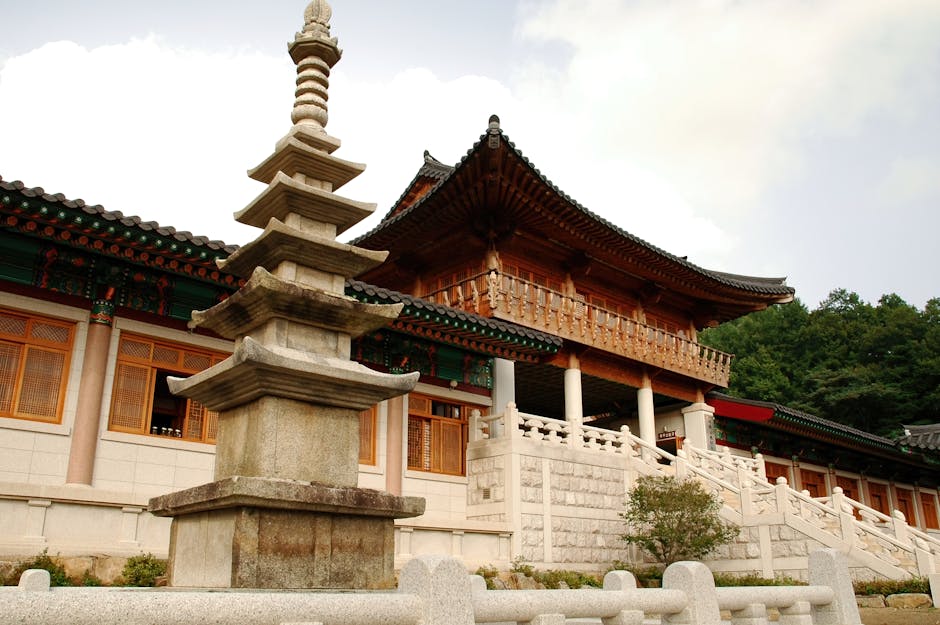
The DMZ is a 250-kilometer buffer zone between North and South Korea. While it marks one of the world’s most tense borders, it’s also a symbol of peace and a unique tourist destination. Guided tours offer access to sites like the Third Infiltration Tunnel and Dora Observatory.
Book your tour in advance through authorized operators. Photography is restricted in certain areas, and visitors must carry identification. The experience is sobering but educational, offering insight into Korea’s divided history.
Best Time to Visit South Korea
Spring (April to June) and autumn (September to November) are the most popular times to visit. Spring brings mild weather and cherry blossoms, especially in early April. Autumn offers crisp air and vibrant fall colors, particularly in mountainous regions.
Summer (July to August) is hot and humid, with frequent rain during the monsoon season. While beaches and festivals are active, outdoor activities can be uncomfortable. Winter (December to February) is cold but ideal for skiing in Pyeongchang or enjoying hotteok (sweet pancakes) at winter markets.
Consider shoulder seasons for fewer crowds and lower prices. Major holidays like Chuseok (Korean Thanksgiving) and Seollal (Lunar New Year) see domestic travel spikes—book accommodations early if visiting during these times.
Getting Around South Korea
Public Transportation
South Korea has one of the world’s most efficient public transit systems. In cities, subways and buses are clean, punctual, and well-marked in English. Seoul’s subway alone has over 20 lines and connects to nearby cities like Incheon and Suwon.
Purchase a T-money card for seamless travel across buses, subways, and even taxis. The card can be refilled at convenience stores and offers small discounts on transfers. Download apps like KakaoMap or Naver Map for real-time directions and route planning.
Trains and KTX
The Korea Train Express (KTX) is a high-speed rail network linking major cities. The journey from Seoul to Busan takes just under 2.5 hours. Tickets can be booked online or at stations, with options for reserved or general seating.
For budget travel, consider slower but cheaper ITX or Mugunghwa trains. Overnight sleeper trains are available on select routes. Always validate your ticket before boarding—gates are automated and require scanning.
Domestic Flights and Ferries
Domestic flights connect Seoul with Jeju Island, Daegu, and other regional hubs. Airlines like Jeju Air and T’way offer competitive fares, especially if booked in advance. Flights to Jeju take about an hour.
Ferries operate between the mainland and islands like Jeju and Ulleungdo. Overnight ferries to Jeju are economical and include cabin options. Check schedules in advance, as weather can cause delays.
Where to Stay in South Korea
Hotels and Business Hotels
International hotel chains like Lotte, Shilla, and Grand Hyatt offer luxury stays in major cities. Business hotels (commonly called “business motels”) are affordable, clean, and often located near transit hubs. They typically include private bathrooms and basic amenities.
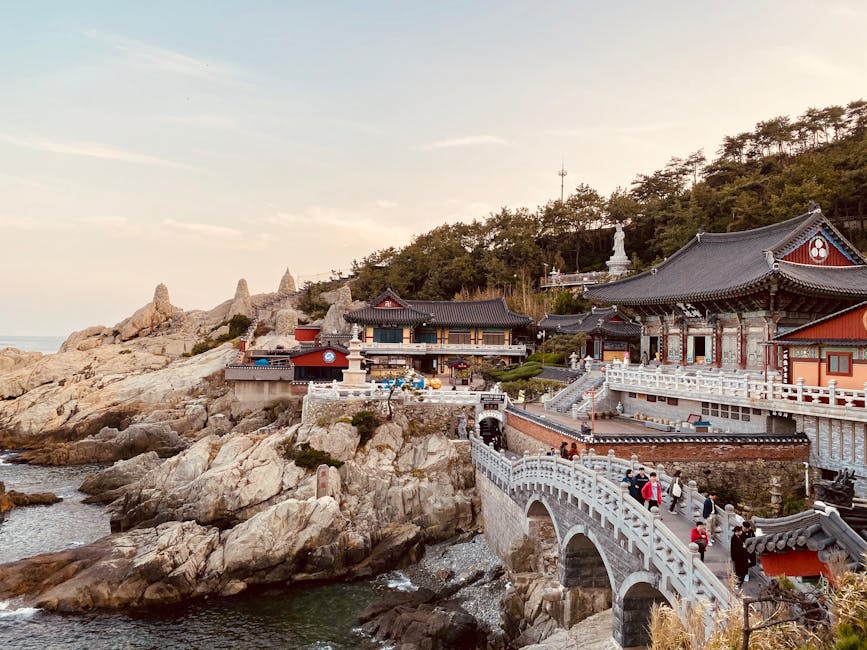
For a unique experience, consider staying in a hanok guesthouse in Seoul’s traditional villages or rural areas. These accommodations blend historic charm with modern comfort and often include cultural activities.
Guesthouses and Hostels
Guesthouses and hostels are popular among budget travelers and backpackers. Many offer private and dorm-style rooms, communal kitchens, and social events. Areas like Hongdae, Itaewon, and Myeongdong in Seoul have a high concentration of options.
Look for places with good reviews on platforms like Booking.com or Hostelworld. Free Wi-Fi, lockers, and breakfast are common perks. Some guesthouses provide luggage storage for early check-ins or late departures.
Jjimjilbang (Korean Spas)
While not traditional accommodations, jjimjilbang overnight stays are a cultural and budget-friendly option. These gender-segregated spa complexes offer sleeping areas, saunas, and bathing facilities. Popular chains include Dragon Hill and Spa Land.
Entry typically costs 15,000–25,000 KRW and includes access to showers, lounges, and sometimes food courts. Bring a towel and toiletries, or rent them on-site. It’s a great way to relax after a long day of sightseeing.
South Korean Cuisine: What to Eat
Must-Try Dishes
Korean food is diverse and deeply flavorful. Start with classics like bibimbap (mixed rice with vegetables and gochujang), bulgogi (marinated grilled beef), and samgyeopsal (grilled pork belly). Street food favorites include tteokbokki (spicy rice cakes), hotteok, and odeng (fish cakes on a stick).
Don’t miss trying kimchi—fermented napa cabbage that’s a staple at every meal. Regional specialties vary: try Busan’s milmyeon (cold noodle soup) or Jeju’s black pork BBQ. Most restaurants offer banchan (side dishes) included with your meal.
Dining Etiquette and Tips
It’s polite to wait until the eldest person begins eating. Use chopsticks and spoons—forks are rarely used. Never leave chopsticks upright in rice, as it resembles a funeral ritual.
Many restaurants have picture menus or English translations. If unsure, point to what others are eating. Tipping is not expected and may be refused. Pay at the counter after your meal—some places use ticket machines for ordering.
Practical Travel Tips
Language and Communication
Korean is the official language, and while English is taught in schools, proficiency varies. In tourist areas, signs and menus are often in English, but learning a few basic phrases helps. “Annyeonghaseyo” (hello), “Gamsahamnida” (thank you), and “Eolmayeyo?” (how much?) go a long way.
Download translation apps like Papago or Google Translate. Many support offline use and camera translation for menus and signs. Free Wi-Fi is widely available in cafes, hotels, and public spaces.
Money and Payments
The currency is the South Korean won (KRW). Credit cards are accepted in most urban areas, but cash is still king in markets, small restaurants, and rural regions. ATMs are plentiful, but check for international withdrawal fees.
Exchange money at banks or licensed exchanges in airports and major cities. Avoid unlicensed street exchangers. Notify your bank before traveling to prevent card blocks.
Safety and Health
South Korea is one of the safest countries in the world. Violent crime is rare, and pickpocketing is uncommon. Still, keep an eye on your belongings in crowded areas like subway stations and markets.
Tap water is safe to drink, but many locals prefer bottled water. Pharmacies are easy to find, and basic medications are available without a prescription. For serious issues, major hospitals have international clinics with English-speaking staff.
Etiquette and Cultural Norms
Respect is deeply valued in Korean culture. Bow slightly when greeting, and use both hands when giving or receiving items, especially money or business cards. Remove shoes before entering homes, temples, and some traditional restaurants.
Avoid loud conversations in public. Public displays of affection are generally frowned upon. When using public transport, offer seats to elders and avoid eating on subways in Seoul.
Packing Essentials for South Korea
Pack layers, especially if traveling between seasons. Comfortable walking shoes are a must—cobblestone streets and temple grounds can be uneven. Bring a universal power adapter; outlets are Type C and F (220V).
A compact umbrella is useful year-round. For winter trips, include thermal wear and a good coat. In summer, sunscreen and a hat are essential. A small daypack helps carry water, snacks, and souvenirs.
Consider packing a reusable shopping bag—many stores charge for plastic. A portable Wi-Fi device or local SIM card ensures connectivity. Available at airports and convenience stores, they’re affordable and easy to set up.
Sample Itineraries
5-Day Seoul Highlights
- Day 1: Gyeongbokgung Palace, Bukchon Hanok Village, Insadong for shopping and tea.
- Day 2: Namsan Seoul Tower, Myeongdong for street food and cosmetics, Hongdae for nightlife.
- Day 3: DMZ tour (full day), return to Seoul for dinner in Itaewon.
- Day 4: Day trip to Suwon (Hwaseong Fortress) or Nami Island.
- Day 5: Lotte World or COEX Mall, departure.
7-Day Classic Loop: Seoul, Busan, Jeju
- Days 1–3: Explore Seoul’s palaces, markets, and neighborhoods.
- Day 4: KTX to Busan—visit Haeundae Beach, Gamcheon Culture Village.
- Day 5: Day trip to Tongdosa Temple or Taejongdae Park.
- Day 6: Fly to Jeju—Hallasan hike or coastal drive.
- Day 7: Jeju’s lava tubes and beaches, return flight.
Final Thoughts
South Korea offers a compelling mix of history, nature, and modern energy. With careful planning, travelers can experience ancient temples, vibrant cities, and breathtaking landscapes—all within a compact, well-connected country. Use this South Korea travel guide to navigate your journey with confidence.
From must-see attractions to practical tips, the insights here will help you make the most of your trip. Whether you’re a first-time visitor or returning for more, South Korea continues to surprise and delight.
FAQ
Do I need a visa to visit South Korea?
Citizens of over 100 countries, including the U.S., Canada, and EU nations, can enter South Korea visa-free for up to 90 days. Check the latest requirements with your local embassy before traveling.
Is South Korea expensive for tourists?
South Korea offers good value. Budget travelers can get by on $50–70 per day, while mid-range trips cost $100–150. Street food and public transport are affordable, but accommodations and fine dining can add up.
Can I use my phone in South Korea?
Yes. Most travelers can use international roaming or purchase a local SIM card at airports. Portable Wi-Fi devices are also available for rent and provide reliable internet access throughout your stay.