

Best Travel Tips for Booking Hotels at Best Prices
Finding the best travel tips for booking hotels at best prices doesn’t require luck—just strategy. With the right approach, you can secure quality accommodations without overspending. This guide covers proven methods to compare rates, time your bookings, and avoid common pitfalls. Whether you’re planning a weekend getaway or a month-long adventure, these practical steps will help you book smarter and save more.
Start with Flexible Travel Dates
One of the most effective ways to lower hotel costs is by being flexible with your travel dates. Room rates can vary significantly from one day to the next, often by 20% or more. Midweek stays—Tuesday through Thursday—typically offer the lowest prices.
Use fare comparison tools like Google Hotels or Kayak to view a calendar of prices across multiple days. Shifting your trip by just one or two days can lead to substantial savings. For example, a Saturday check-in might cost $180 per night, while arriving on Monday could drop the rate to $130.
Compare Prices Across Multiple Platforms
Never book the first hotel deal you see. Different booking sites often list the same room at different prices. Always check at least three platforms before committing.
Start with major aggregators like Booking.com, Expedia, and Hotels.com. Then, visit the hotel’s official website directly. Some hotels offer exclusive discounts, free breakfast, or room upgrades when you book through their site.
For instance, a four-star hotel in downtown Chicago might list a standard room for $220 on Expedia but offer it for $195 on their own site with complimentary Wi-Fi and late checkout. These small perks add up and improve your overall experience.
Use Price Alerts and Track Rate Changes
Set up price alerts on platforms like Google Hotels or Hopper. These tools monitor your selected destination and notify you when rates drop. This is especially useful for trips planned weeks or months in advance.
Price tracking allows you to wait for the optimal booking window. For domestic trips, prices often dip 2–6 weeks before check-in. International destinations may see better deals 6–12 weeks out.
Avoid booking too early or too late. Last-minute deals exist but are risky—popular locations may sell out, leaving only overpriced options.
Book Directly When Possible
While third-party sites are convenient, booking directly with the hotel can unlock hidden savings. Many hotels reserve special rates or packages for direct bookings.
Call the hotel’s front desk to inquire about unadvertised deals. Mention you found a lower rate online and ask if they can match or beat it. Staff often have discretion to offer discounts to secure your reservation.
Direct bookings also simplify changes or cancellations. If your plans shift, you’re more likely to receive a full refund or flexible rebooking when working with the hotel directly.
Leverage Loyalty Programs
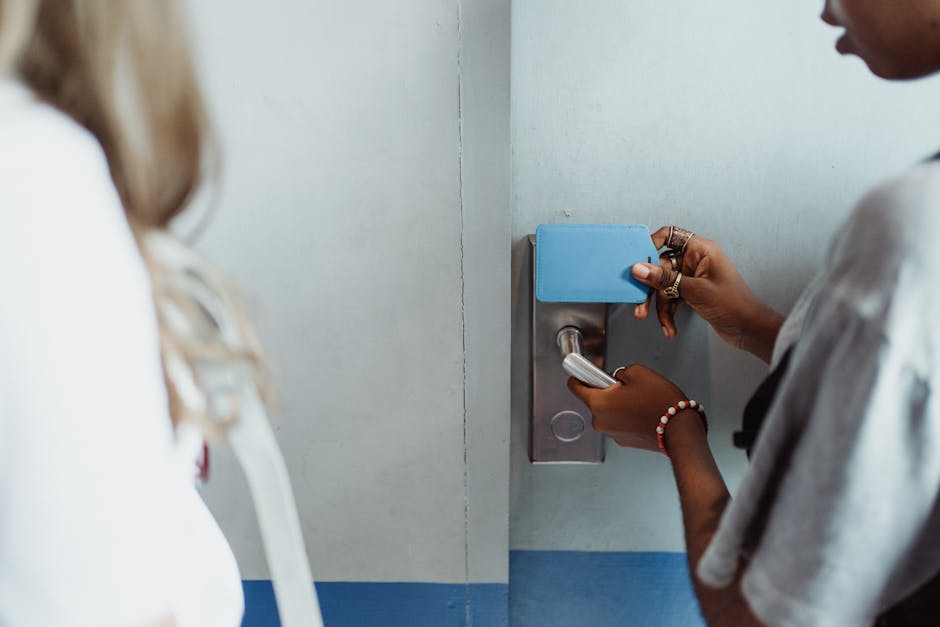
Join hotel loyalty programs—they’re free and offer immediate benefits. Members often receive discounted rates, early check-in, late checkout, and points redeemable for future stays.
For example, Marriott Bonvoy members get exclusive member rates and earn points on every stay. After just a few trips, you could earn a free night. Even if you don’t travel frequently, signing up ensures you’re not missing out on savings.
Stack loyalty rewards with credit card points for maximum value. Many travel credit cards offer bonus points for hotel stays and can be redeemed for statement credits or free nights.
Consider Alternative Accommodations
Hotels aren’t the only option for comfortable stays. Expanding your search to include vacation rentals, hostels, or boutique inns can lead to better prices and unique experiences.
Platforms like Airbnb and Vrbo often list entire apartments or homes at rates comparable to mid-tier hotels. These options provide kitchen access, more space, and local charm—ideal for longer stays or group travel.
In cities like Lisbon or Tokyo, a well-reviewed Airbnb might cost $90 per night, while a nearby hotel with similar amenities runs $140. Just verify host ratings, read recent reviews, and confirm cancellation policies before booking.
Time Your Booking Right
Timing plays a crucial role in securing the best hotel prices. Avoid booking during peak demand periods like holidays, festivals, or major conferences. Rates can double or triple during these times.
Instead, aim for shoulder seasons—periods between peak and off-peak travel. For example, visiting Paris in late April or early October offers pleasant weather and lower prices compared to summer months.
Domestic travelers should consider booking 30–45 days in advance for the best balance of availability and price. International trips benefit from earlier planning, ideally 60–90 days out.
Watch for Flash Sales and Promo Codes
Subscribe to hotel newsletters and follow brands on social media to catch flash sales and limited-time promotions. These deals can offer 20–40% off standard rates.
Search for promo codes before finalizing any booking. Sites like RetailMeNot or Honey often list active discount codes for major hotel chains. A simple search could save you $30 or more on a two-night stay.
Be cautious with “secret” or “member-only” rates. While they can offer savings, they may come with stricter cancellation terms. Always read the fine print.
Read the Fine Print Before You Book

A low nightly rate can be misleading if hidden fees inflate the total cost. Always review the full price breakdown before confirming your reservation.
Common add-ons include resort fees, parking charges, Wi-Fi fees, and taxes. A $120 room might actually cost $150 after fees. Compare the total price, not just the base rate.
Also, check the cancellation policy. “Non-refundable” rates are often cheaper but risky if your plans change. If flexibility matters, pay a little more for a free cancellation option.
Verify Amenities and Location
A cheap hotel isn’t a good deal if it’s far from attractions or lacks essential amenities. Use maps to assess proximity to public transit, restaurants, and key sights.
Look for included perks like free breakfast, airport shuttles, or gym access. These can offset higher nightly rates and improve convenience.
For example, a $160 hotel with free breakfast and parking might cost less overall than a $130 hotel where you pay $25 for breakfast and $20 for parking each day.
Use a Travel Credit Card Wisely
A travel rewards credit card can help you save on hotel bookings over time. Many cards offer bonus points for travel purchases, travel insurance, and no foreign transaction fees.
Use your card to pay for hotel stays and redeem points for free nights or upgrades. Some cards also provide access to exclusive hotel discounts or concierge services.
Just avoid carrying a balance. Interest charges can erase any savings from rewards. Pay off your statement in full each month to maximize benefits.
Book a Package Deal
Combining your hotel with flights or car rentals can unlock package discounts. Sites like Expedia and Priceline often offer lower total prices when booking multiple services together.
For example, a flight and hotel package to Orlando might cost $1,200, while booking separately totals $1,350. You save $150 and simplify your planning.
Compare package prices against individual bookings. Sometimes, standalone rates are cheaper—especially if you already have flights booked.
Avoid Common Booking Mistakes

Even experienced travelers make errors that cost them money. Avoid these common pitfalls to ensure you get the best value.
Don’t assume all booking sites offer the same cancellation terms. Some third-party platforms make it difficult to modify or cancel reservations, even if the hotel allows it.
Never skip reading recent guest reviews. A hotel might look great in photos but have ongoing issues with cleanliness, noise, or service. Focus on reviews from the past three months for accuracy.
Finally, don’t ignore location. A $90 room in a remote area may require expensive taxis or long commutes. Factor in transportation costs when comparing options.
Final Tips for Smarter Hotel Bookings
To consistently book hotels at the best prices, adopt a routine. Start researching early, use multiple tools, and stay flexible. Small adjustments in timing, location, or booking method can lead to big savings.
Keep a spreadsheet of your favorite hotels and their typical rates. This helps you recognize a true deal when you see one. Over time, you’ll develop a sense of fair pricing for different destinations.
Remember, the cheapest option isn’t always the best. Prioritize value—comfort, location, and reliability matter as much as price. A slightly higher rate for a well-reviewed, centrally located hotel can enhance your entire trip.
FAQ
How far in advance should I book a hotel to get the best price?
For domestic trips, booking 30–45 days in advance often yields the best rates. International travel may require booking 60–90 days ahead, especially for popular destinations.
Is it cheaper to book hotels through third-party sites or directly with the hotel?
It depends. Third-party sites offer convenience and comparison tools, but hotels sometimes provide lower rates, free perks, or better cancellation terms when you book directly.
Can I negotiate hotel room rates?
Yes, especially if you’re booking directly. Call the hotel and mention a lower rate you found online. Front desk staff may match or beat it to secure your reservation.