Best Nature Travel Experiences for Wildlife Lovers
Wildlife enthusiasts know that the most rewarding travel experiences come from connecting with animals in their natural habitats. Whether you’re tracking mountain gorillas in Rwanda, spotting polar bears in Churchill, or snorkeling with sea turtles in the Galápagos, the world offers unforgettable encounters for those who seek them responsibly. These journeys blend adventure, conservation, and education—offering more than just photo opportunities. The best nature travel experiences for wildlife lovers prioritize ethical practices, support local communities, and contribute to habitat preservation. This guide highlights top destinations, practical tips, and essential considerations to help you plan a meaningful wildlife-focused trip.
Why Ethical Wildlife Tourism Matters
Not all wildlife encounters are created equal. Some attractions exploit animals for entertainment, while others support conservation and research. Ethical wildlife tourism ensures that your visit benefits both animals and local ecosystems. It avoids activities like riding elephants, petting cubs, or feeding wild animals, which can disrupt natural behaviors and spread disease.
Look for operators certified by organizations such as the Global Sustainable Tourism Council (GSTC) or those affiliated with local conservation groups. These providers follow strict guidelines to minimize human impact and often reinvest profits into protecting species and habitats. Choosing responsible travel isn’t just about feel-good ethics—it’s about preserving the very experiences future travelers will cherish.
Top Destinations for Wildlife Encounters
1. Rwanda’s Volcanoes National Park
Home to endangered mountain gorillas, this park offers one of the most intimate wildlife experiences on Earth. Visitors trek through dense bamboo forests to spend one hour with a habituated gorilla family. Permits are limited and must be booked months in advance through the Rwanda Development Board.
The experience is tightly regulated: groups are small, distances are maintained, and health protocols protect both humans and gorillas. Revenue from permits funds anti-poaching efforts and community development projects. For many, this is the pinnacle of wildlife travel—raw, emotional, and deeply respectful.
2. Churchill, Manitoba – Polar Bear Capital of the World
Every fall, polar bears gather along the shores of Hudson Bay, waiting for sea ice to form. Churchill offers guided tundra buggy tours that allow safe, close-up viewing without disturbing the animals. These vehicles are designed to withstand bear encounters and keep visitors elevated and secure.
Operators like Frontiers North and Great White Bear Tours emphasize education, sharing insights about climate change and Arctic ecology. The best time to visit is October and November, when bear activity peaks. It’s cold—temperatures often drop below -20°C—but the chance to see these apex predators in the wild is unmatched.
3. Galápagos Islands, Ecuador
A living laboratory of evolution, the Galápagos is home to species found nowhere else: marine iguanas, blue-footed boobies, and giant tortoises. Strict visitor rules limit group sizes and dictate where you can walk and swim. Only licensed naturalist guides can lead tours, ensuring minimal disruption.
Most travelers explore via small cruise ships or day trips from islands like Santa Cruz and San Cristóbal. Snorkeling with sea lions and penguins is a highlight. Because the islands are a UNESCO World Heritage Site, tourism fees directly support conservation and invasive species control.
4. Serengeti National Park, Tanzania
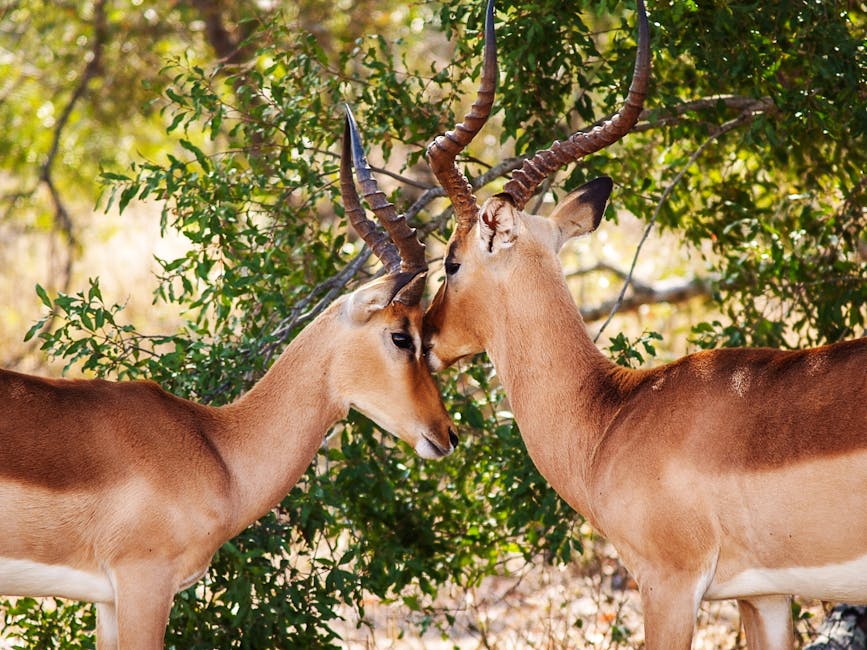
The Serengeti hosts the Great Migration—one of nature’s greatest spectacles. Over 1.5 million wildebeest and hundreds of thousands of zebras move in a circular pattern across the plains, followed by predators like lions and cheetahs. Game drives offer front-row seats to this ancient rhythm.
Visiting during the calving season (January–March) in the southern plains increases chances of witnessing births and predator activity. Lodges and camps range from luxury tented suites to budget-friendly options. Always choose operators that follow park regulations and support anti-poaching units.
5. Borneo’s Rainforests – Orangutans and Pygmy Elephants
Borneo’s lush jungles shelter critically endangered orangutans, pygmy elephants, and proboscis monkeys. Kinabatangan Wildlife Sanctuary in Sabah, Malaysia, offers river cruises and jungle walks led by local guides. Sepilok Orangutan Rehabilitation Centre provides a chance to see semi-wild orangutans during feeding sessions.
While rehabilitation centers play a vital role, avoid facilities that allow direct contact or perform shows. True wildlife experiences happen in the wild, where animals behave naturally. Support eco-lodges that employ indigenous communities and fund reforestation.
How to Plan Your Wildlife Adventure
Step 1: Define Your Priorities
Ask yourself what kind of experience you want. Are you drawn to big cats, marine life, or rare primates? Do you prefer active trekking or comfortable vehicle-based viewing? Your answers will help narrow down destinations and tour types.
Consider physical demands: gorilla trekking requires moderate fitness, while polar bear tours involve long hours in cold conditions. Be honest about your limits to ensure a safe and enjoyable trip.
Step 2: Research Operators Carefully
Not all tour companies are equal. Read reviews on platforms like TripAdvisor and Google, but also check for affiliations with conservation organizations. Look for transparency about where your money goes—do they support local guides, hire from nearby villages, or fund research?
Avoid last-minute bookings for high-demand experiences. Gorilla permits in Rwanda cost $1,500 and sell out quickly. Similarly, Galápagos cruises often fill a year in advance. Planning early ensures availability and better pricing.
Step 3: Pack Smart and Responsibly
Pack neutral-colored clothing to blend into natural surroundings. Bright colors can startle animals. Bring binoculars, a good camera with zoom lens, and reusable water bottles. Avoid single-use plastics—many parks ban them to protect wildlife.
Don’t forget essentials like insect repellent, sunscreen, and a first-aid kit. In tropical regions, malaria prophylaxis may be recommended. Always check health advisories before departure.
What to Avoid When Traveling for Wildlife
Some wildlife attractions appear exciting but harm animals behind the scenes. Elephant rides, tiger petting zoos, and dolphin shows often involve cruel training methods and poor living conditions. These activities prioritize profit over welfare.
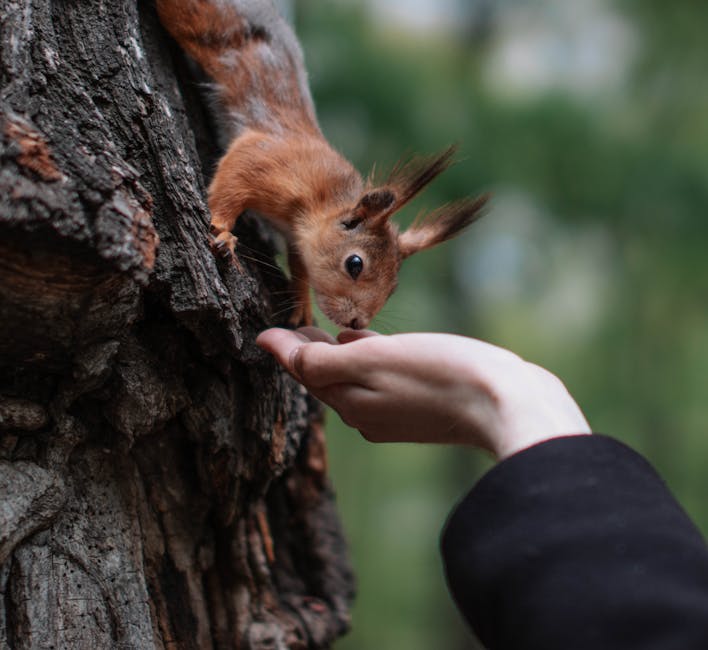
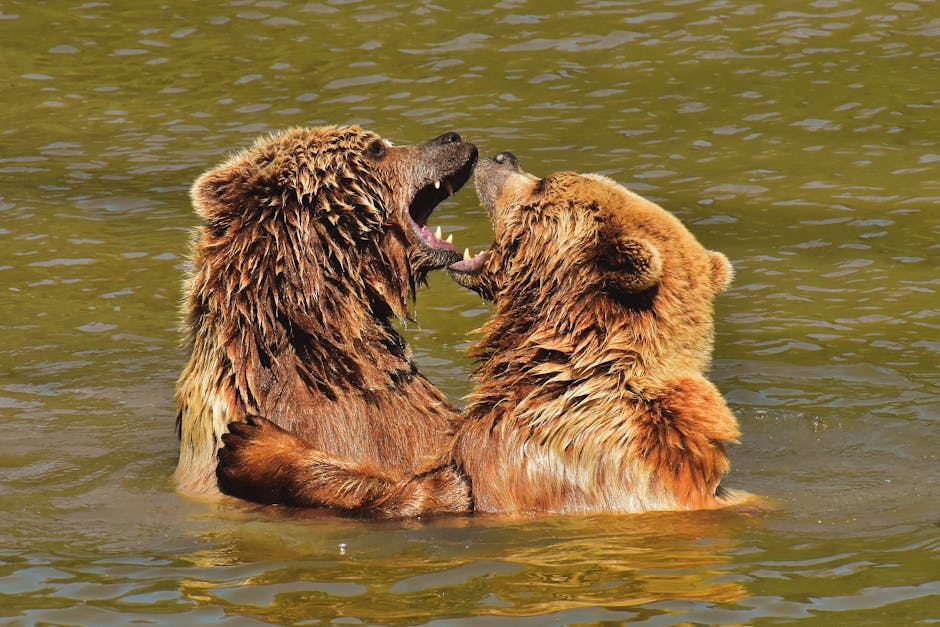
Even seemingly harmless interactions—like feeding monkeys or touching sea turtles—can stress animals and alter their natural behaviors. Remember: wild animals are not pets. Observe from a distance, follow guide instructions, and never litter. Trash can injure or kill wildlife through ingestion or entanglement.
Also avoid traveling during peak tourist seasons if your goal is solitude and minimal disturbance. In places like the Galápagos, overcrowding can degrade trails and stress animals. Consider shoulder seasons for a more peaceful experience.
Supporting Conservation Through Travel
Your trip can do more than satisfy curiosity—it can actively help protect species. Many eco-tourism operators partner with NGOs to fund anti-poaching patrols, habitat restoration, and community education. For example, a portion of every safari booking in Kenya supports the Sheldrick Wildlife Trust, which rescues orphaned elephants.
You can also contribute by volunteering with reputable organizations. Programs like Earthwatch or local ranger initiatives offer short-term fieldwork opportunities. Even simple actions—like buying locally made crafts or choosing eco-certified lodges—help sustain conservation economies.
After your trip, share your experience responsibly. Avoid geotagging sensitive locations on social media, as this can lead to overcrowding or poaching. Instead, focus on the beauty of the animals and the importance of protecting their homes.
Seasonal Considerations for Wildlife Viewing
Timing dramatically affects what you’ll see. In East Africa, the dry season (June–October) concentrates animals around water sources, making them easier to spot. In contrast, the wet season brings lush landscapes and newborn animals but can limit access due to muddy roads.
In the Arctic, summer offers 24-hour daylight and migratory bird activity, while autumn is prime for polar bears. In tropical regions like Costa Rica, the dry season (December–April) is ideal for birdwatching and turtle nesting, though some areas remain accessible year-round.
Research seasonal patterns for your destination. A knowledgeable guide can explain local cycles and help you choose the best window for your interests.
Wildlife Photography Tips for Travelers
Great wildlife photos require patience and preparation. Use a telephoto lens (at least 200mm) to capture close-ups without disturbing animals. Shoot during golden hours—early morning and late afternoon—for soft, warm light.
Turn off your camera’s flash, which can startle animals. Use silent shutter mode if available. Always prioritize the animal’s comfort over the perfect shot. If an animal shows signs of stress—such as vocalizing, fleeing, or changing posture—back away immediately.
Respect photography rules in protected areas. Some parks ban drones entirely due to noise and disturbance. When in doubt, ask your guide.
Final Thoughts: Travel with Purpose
The best nature travel experiences for wildlife lovers are those that leave no trace—except in memory. They foster awe, deepen understanding, and inspire action. By choosing ethical operators, respecting animal boundaries, and supporting conservation, you become part of a global effort to protect Earth’s biodiversity.
These journeys aren’t just vacations. They’re opportunities to witness the wild world as it truly is—untamed, fragile, and profoundly beautiful. Plan thoughtfully, travel responsibly, and let every encounter deepen your connection to nature.
FAQ
Q: How can I ensure my wildlife tour is ethical?
A: Choose operators certified by recognized sustainability bodies, avoid direct animal contact, and verify that profits support conservation and local communities.
Q: What’s the best time of year to see wildlife in Africa?
A: The dry season (June–October) is ideal, as animals gather near water sources, making them easier to spot during game drives.
Q: Are gorilla trekking permits worth the high cost?
A: Yes—permits fund critical conservation efforts, limit visitor numbers to reduce stress on gorillas, and support local development projects.