
China Travel Guide: Top Cities and Travel Tips
Planning a trip to China? This China travel guide highlights the country’s most captivating cities—from ancient capitals to modern metropolises—and delivers practical advice to help you navigate culture, transportation, language, and etiquette. Whether you’re exploring Beijing’s imperial palaces, cruising the Yangtze River, or sampling street food in Chengdu, this guide offers clear, actionable insights for a smooth and enriching journey.
Why Visit China?
China blends 5,000 years of history with cutting-edge innovation. From the Great Wall snaking across northern mountains to Shanghai’s glittering skyline, the country offers dramatic contrasts. Travelers can experience UNESCO World Heritage sites, diverse regional cuisines, and landscapes ranging from deserts to tropical islands—all within one nation.
Despite its size, China is increasingly accessible to international visitors. High-speed rail networks connect major cities, English signage is common in tourist areas, and mobile payment systems like Alipay make transactions seamless. With proper planning, even first-time visitors can enjoy a rewarding trip.
Top Cities to Visit in China
Beijing: The Imperial Capital
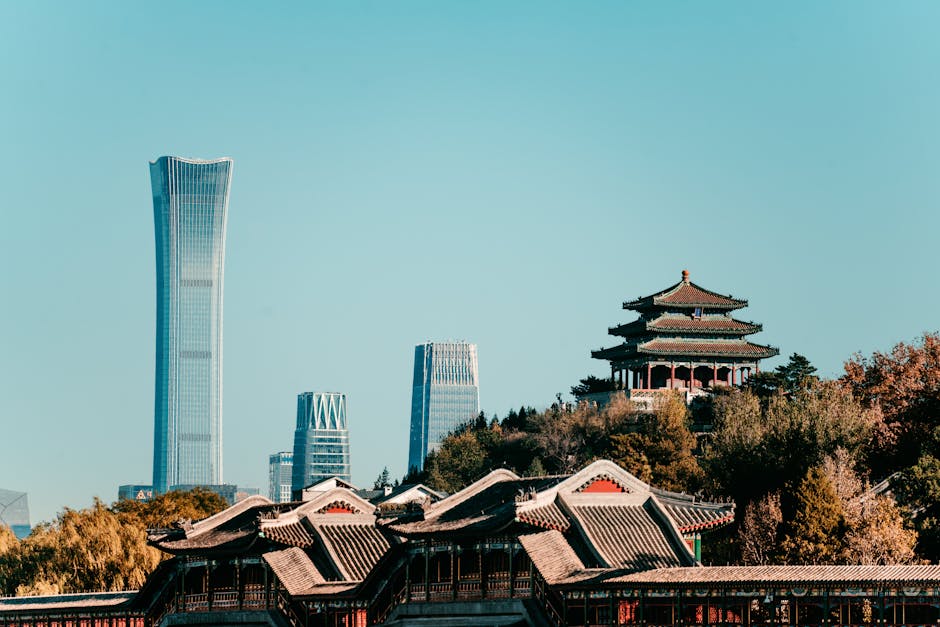
Beijing serves as China’s political and cultural heart. The Forbidden City, once home to emperors, now welcomes millions of visitors annually. Just north of the city, the Great Wall at Mutianyu offers a less crowded alternative to Badaling, with cable car access and well-preserved ramparts.
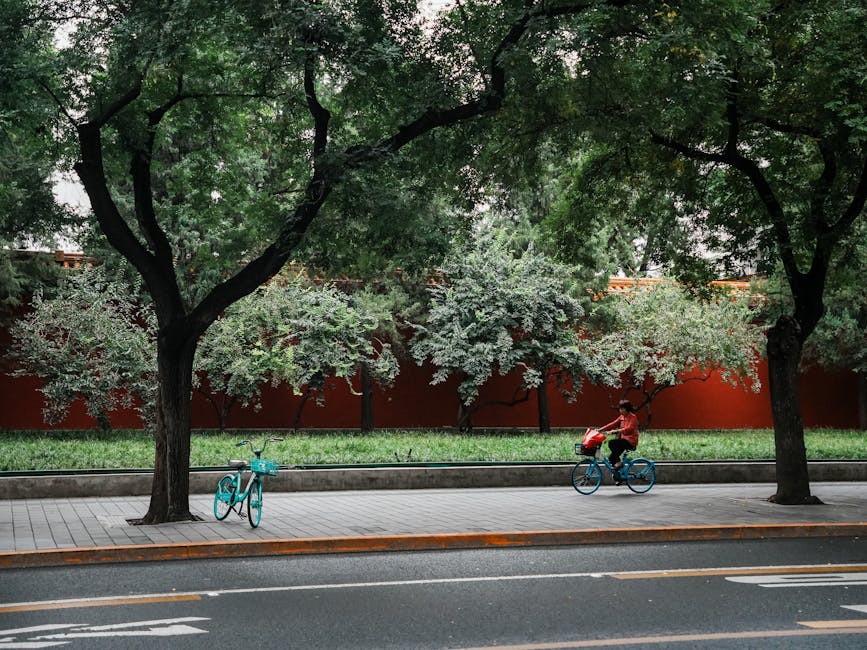
Don’t miss the Temple of Heaven, where Ming and Qing dynasty rulers performed rituals for good harvests. For a taste of local life, wander through hutongs—traditional alleyways lined with courtyard homes. Try Peking duck at Quanjude or Da Dong, two of the city’s most respected restaurants.
Shanghai: East Meets West
Shanghai dazzles with its futuristic skyline along the Huangpu River. The Bund showcases colonial-era architecture, while across the water, Pudong’s skyscrapers symbolize China’s economic rise. Visit the Shanghai Tower for panoramic views or explore the French Concession’s tree-lined streets and boutique cafes.
The city excels in both fine dining and street food. Sample xiaolongbao (soup dumplings) at Din Tai Fung or hunt for local favorites at Yuyuan Bazaar. Public transit is efficient—ride the Maglev train from Pudong Airport or use the extensive metro system.
Xi’an: Gateway to Ancient China
Xi’an was the starting point of the Silk Road and capital of 13 dynasties. Its most famous attraction, the Terracotta Army, features over 8,000 life-sized soldiers buried with Emperor Qin Shi Huang. The site is vast—plan at least half a day and wear comfortable shoes.
The city’s Muslim Quarter offers vibrant night markets with lamb skewers, roujiamo (Chinese hamburger), and persimmon cakes. Rent a bike to circle the ancient city wall, one of the best-preserved in China. Trains from Beijing or Shanghai take about 5–6 hours on high-speed rail.
Guilin and Yangshuo: Karst Landscapes
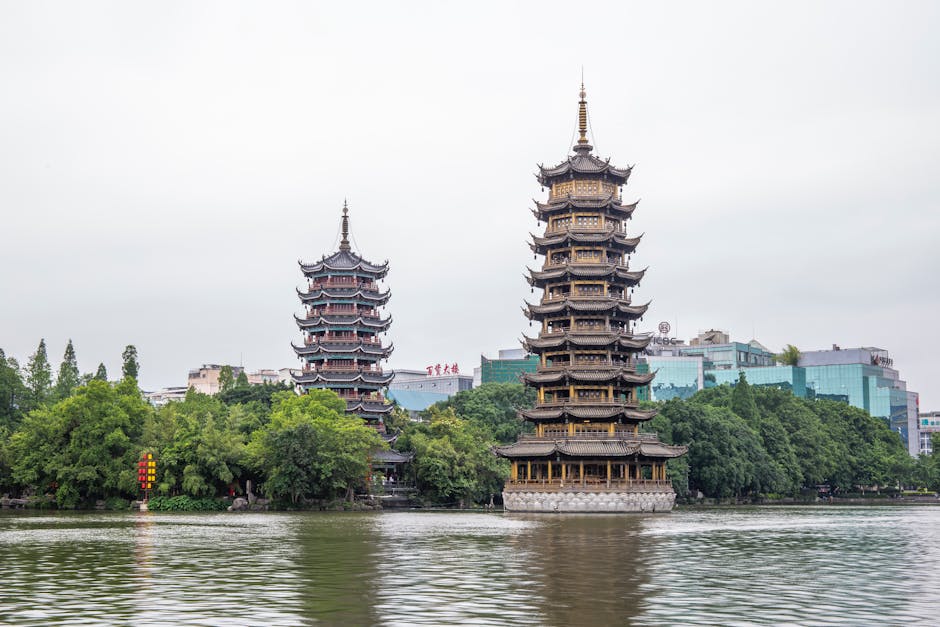
Guilin’s limestone peaks and winding rivers define southern China’s scenic beauty. A Li River cruise from Guilin to Yangshuo reveals iconic vistas often depicted in traditional Chinese paintings. The journey takes about four hours and passes fishing villages and rice paddies.
Yangshuo offers outdoor adventures: bamboo rafting, rock climbing, and cycling through countryside dotted with karst hills. Stay in a riverside guesthouse and watch cormorant fishermen at sunset. The area is also known for its relaxed vibe and growing expat community.
Chengdu: Pandas and Spice
Chengdu, capital of Sichuan Province, is famed for its giant panda research base. Visit early morning when pandas are most active. The city also anchors China’s spicy cuisine—mapo tofu, hotpot, and dan dan noodles are local staples.
Take a tea break at People’s Park, where locals play mahjong and sip jasmine tea. Chengdu’s slower pace contrasts with eastern megacities, making it ideal for travelers seeking culture and comfort. Flights connect it to most major Chinese cities.
Hangzhou: The “Paradise on Earth”
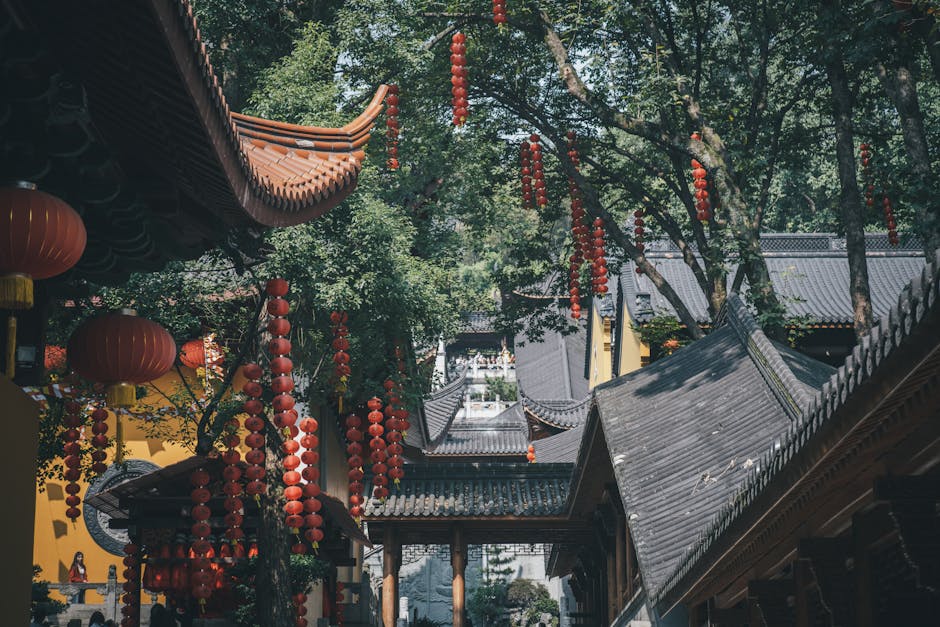
Hangzhou’s West Lake is a serene escape just 45 minutes by high-speed train from Shanghai. Boat rides, pagodas, and willow-lined paths create a poetic atmosphere. The lake inspired poets and painters for centuries and remains a symbol of natural harmony.
Nearby Longjing tea plantations offer tastings and tours. Visit during spring for the freshest leaves. Hangzhou also boasts modern attractions like the Alibaba headquarters, reflecting its role in China’s digital economy.
Lhasa: The Roof of the World
Lhasa, capital of Tibet, sits at 3,650 meters above sea level. Altitude sickness is a real concern—arrive gradually and avoid strenuous activity for the first 48 hours. The Potala Palace, former home of the Dalai Lama, dominates the skyline with its white and red walls.
Barkhor Street circles the Jokhang Temple, a pilgrimage site for Tibetan Buddhists. Respect local customs: walk clockwise around temples and avoid photographing monks without permission. A Tibet Travel Permit is required—arrange it through a licensed tour operator.
Essential Travel Tips for China
Visa Requirements
Most travelers need a visa to enter China. Apply at a Chinese consulate or embassy with a valid passport, completed application form, photo, and proof of travel plans. Tourist (L) visas are typically valid for 30–90 days.
Some cities offer visa-free transit for up to 144 hours if you’re connecting to a third country. Check eligibility based on your nationality and itinerary. Always confirm requirements before booking flights.
Transportation Options
China’s high-speed rail network is one of the world’s most extensive. Trains like the Beijing–Shanghai line reach speeds over 300 km/h and are punctual, clean, and affordable. Book tickets online via Trip.com or at station counters with your passport.
Domestic flights are convenient for long distances—Urumqi to Guangzhou, for example. Use apps like Fliggy or Ctrip to compare prices. In cities, ride-hailing (Didi), metro systems, and taxis are widely available. Avoid unlicensed cabs.
Language and Communication
Mandarin is the official language, but dialects vary regionally. English is spoken in major tourist areas, but learning basic Mandarin phrases improves interactions. Use translation apps like Pleco or Google Translate with offline packs.
Download WeChat for messaging, payments, and bookings—it’s essential for daily life in China. Note that Google, Facebook, and WhatsApp are blocked; use a reliable VPN if needed, though access remains inconsistent.
Money and Payments
China is largely cashless. Mobile payments via Alipay and WeChat Pay dominate, even in small vendors. Foreign cards aren’t always accepted—link an international card to Alipay or carry some RMB for emergencies.
ATMs are plentiful in cities. Inform your bank of travel plans to avoid card blocks. Tipping isn’t customary, though service charges may appear in upscale hotels or tour packages.
Cultural Etiquette
Respect local customs to enhance your experience. Dress modestly at religious sites, remove shoes when entering homes, and avoid public displays of affection. When dining, wait to be seated and don’t stick chopsticks upright in rice—it resembles funeral rites.
Gift-giving follows etiquette: avoid clocks, white flowers, or items in sets of four (associated with death). Present gifts with both hands. Bargaining is expected in markets but not in department stores.
Safety and Health
China is generally safe for travelers. Petty theft occurs in crowded areas—keep valuables secure and use hotel safes. Traffic can be chaotic; look both ways before crossing streets, even at marked crosswalks.
Tap water isn’t safe to drink. Use bottled water or boil tap water. Carry hand sanitizer and masks, especially during flu season or in polluted cities. Register with your embassy upon arrival for emergency support.
Best Time to Visit
Spring (April–May) and autumn (September–October) offer mild weather and fewer crowds. Summer brings heat and humidity, especially in southern cities, while winter is cold in the north but dry and clear—ideal for seeing the Great Wall dusted with snow.
Avoid national holidays like Golden Week (early October) and Chinese New Year (late January or February), when transport is packed and attractions overcrowded. Book accommodations and tickets well in advance during peak seasons.
Packing Essentials
Pack light but include versatile clothing. Layers work best due to varying climates. Comfortable walking shoes are a must—many sites involve extensive walking on uneven surfaces.
Bring a universal power adapter (China uses Type A, C, and I plugs), portable charger, and reusable water bottle. Download offline maps and translation tools. A small daypack helps during day trips.
Final Thoughts
China rewards curious travelers with unforgettable experiences. From ancient wonders to modern marvels, its cities showcase the country’s depth and dynamism. With thoughtful planning and cultural awareness, your journey can be both smooth and deeply enriching.
Use this China travel guide as your foundation—then embrace the unexpected. Whether you’re sipping tea in a Chengdu park or watching sunrise over the Li River, China leaves a lasting impression.
FAQ
Do I need a visa to travel to China?
Yes, most visitors require a tourist visa. Apply in advance through a Chinese embassy or consulate with your passport, application form, photo, and travel itinerary.
Is it safe to travel alone in China?
Yes, China is generally safe for solo travelers. Stick to well-lit, populated areas, keep copies of your documents, and use trusted transportation. Women travelers report few issues in major cities.
Can I use my credit card in China?
Foreign credit cards have limited acceptance. Mobile payments like Alipay are preferred. Carry some cash and link an international card to Alipay for broader usability.