Top Travel Destinations for Festival Lovers Worldwide
Festival lovers know that travel isn’t just about sightseeing—it’s about immersion. The best destinations combine vibrant local culture, unforgettable music, and once-in-a-lifetime experiences. Whether you’re drawn to electronic beats in the desert or traditional dances under full moons, the world offers countless festivals that transform cities into global party hubs. This guide highlights the top travel destinations for festival lovers worldwide, offering practical insights to help you plan your next cultural adventure.
Why Festival Travel Stands Out
Festival travel offers a unique blend of entertainment, culture, and community. Unlike typical vacations, festivals create shared moments that linger long after the final note fades. You’re not just visiting a place—you’re participating in its rhythm.
These events often showcase local traditions, cuisine, and artistry in ways that tourist attractions rarely do. From street food stalls to impromptu jam sessions, festivals reveal the soul of a destination. For travelers seeking authenticity, there’s no better way to connect.
What Makes a Festival Destination Worth Visiting
Not all festivals are created equal. The best ones offer more than just music or performance—they provide context. Look for events rooted in local history or seasonal cycles. These often feel more meaningful and less commercial.
Accessibility matters too. A world-class lineup means little if the venue is hard to reach or lacks basic amenities. Safety, crowd management, and environmental responsibility are also key indicators of a well-run festival.
Finally, consider timing. Some festivals align with national holidays or natural phenomena, like cherry blossoms or solstices. These moments amplify the experience, making them ideal for first-time visitors.
Europe’s Festival Hotspots
Europe remains a top choice for festival-goers, thanks to its compact geography and rich cultural calendar. From electronic music meccas to centuries-old folk celebrations, the continent offers something for every taste.
Tomorrowland – Boom, Belgium
Held annually in the small town of Boom, Tomorrowland is one of the world’s most iconic electronic music festivals. With stages designed like fantasy kingdoms and a lineup featuring top DJs, it draws over 400,000 attendees from 200+ countries.
The festival runs for two weekends in July, offering both general admission and luxury camping options. Tickets sell out within minutes, so early registration is essential. While the music is world-class, the real magic lies in the immersive theming and global camaraderie.
Sziget Festival – Budapest, Hungary
Set on an island in the Danube River, Sziget transforms Budapest into a week-long cultural playground. Running for seven days in August, it features over 1,000 performances across music, theater, circus, and art.
What sets Sziget apart is its diversity. You can catch a rock band one hour and a spoken word poet the next. The island setting creates a self-contained festival village, complete with beaches, food courts, and pop-up installations. It’s often called the “Island of Freedom” for its inclusive, open-minded vibe.
Notting Hill Carnival – London, UK
Every August bank holiday, London’s Notting Hill neighborhood erupts in color, music, and Caribbean culture. This street festival is Europe’s largest, attracting over two million visitors annually.
Steel bands, soca music, and elaborate costumes parade through the streets, while jerk chicken and plantain stalls line the route. Unlike ticketed festivals, Notting Hill is free and open to all—though crowds can be intense. Arrive early and wear comfortable shoes.
Asia’s Rising Festival Scene
Asia is quickly becoming a major player in the global festival circuit. With growing infrastructure and increasing international interest, the region offers fresh, culturally rich experiences.
Sunburn Festival – Goa, India
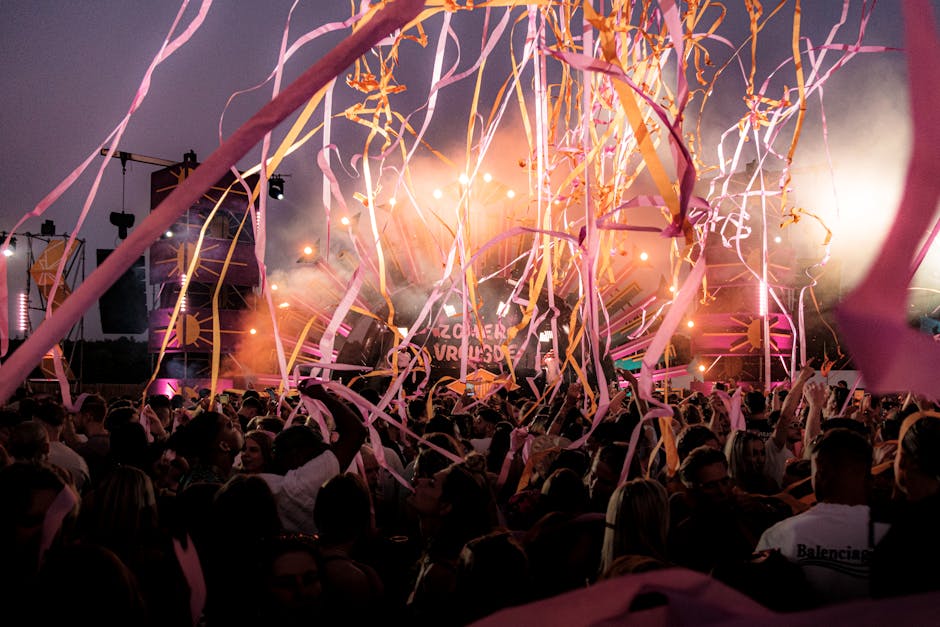
Sunburn is Asia’s largest electronic dance music festival, held annually in Goa during December. Founded in 2007, it now rivals global giants like Ultra and EDC in scale and production.
The beachfront venue adds a tropical twist, with sunset sets and ocean breezes. International DJs headline, but local talent also gets spotlighted. Attendees should book accommodations early—Goa fills up fast during festival season.
Rainbow Serpent Festival – Victoria, Australia
Though technically in Oceania, Rainbow Serpent is a must-mention for its unique blend of music, art, and spirituality. Held over four days in January, it takes place on private farmland surrounded by forest and hills.
The festival emphasizes sustainability and community. Workshops on yoga, permaculture, and indigenous culture run alongside all-night dance floors. It’s less commercial than many Western festivals, offering a more introspective experience.
Gion Matsuri – Kyoto, Japan
For travelers seeking tradition over trance, Gion Matsuri in Kyoto is a standout. This month-long festival in July dates back to the 9th century and culminates in a grand parade of ornate floats.
The event honors Yasaka Shrine and was originally held to appease spirits during a plague. Today, it’s a living museum of Japanese craftsmanship. Visitors can explore float interiors and watch artisans at work. It’s quieter than modern festivals but deeply atmospheric.
North America’s Festival Powerhouses
North America hosts some of the most diverse and high-profile festivals in the world. From desert raves to urban jazz fests, the continent caters to every musical preference.
Coachella – Indio, California, USA
Coachella is synonymous with festival culture. Held over two weekends in April at the Empire Polo Club, it blends music, fashion, and celebrity sightings into a cultural phenomenon.
The lineup spans genres—rock, hip-hop, electronic, and indie—with surprise performances often stealing the show. Beyond music, art installations and food vendors add to the experience. Tickets are expensive and sell out quickly, but the atmosphere is unmatched.
Burning Man – Black Rock Desert, Nevada, USA
Burning Man isn’t just a festival—it’s a temporary city built on principles of radical self-expression and community. Held annually in late August, it takes place in a remote desert where participants create art, camps, and experiences from scratch.
There’s no commercial sponsorship or traditional entertainment. Instead, attendees contribute through art installations, theme camps, and shared resources. It’s physically demanding and requires preparation, but many describe it as life-changing.
Osheaga – Montreal, Canada
Osheaga brings international music to Parc Jean-Drapeau each August. With a strong focus on indie, rock, and alternative acts, it’s a favorite among music purists.
The park setting offers scenic views of the St. Lawrence River and Montreal skyline. Family-friendly zones and local food vendors make it accessible for a range of travelers. It’s less crowded than Coachella but equally well-curated.
Latin America’s Cultural Celebrations
Latin America’s festivals are deeply tied to heritage, religion, and seasonal rhythms. They’re often more participatory than passive, inviting visitors to join in the dance.
Carnival – Rio de Janeiro, Brazil
Rio’s Carnival is the world’s most famous street party. Held 40 days before Easter, it features samba schools competing in the Sambadrome with elaborate floats and costumes.
But the real energy is in the neighborhoods, where blocos (street parties) pop up across the city. Anyone can join—just wear comfortable shoes and stay hydrated. Book accommodations months in advance; prices spike dramatically during Carnival.
Inti Raymi – Cusco, Peru
Inti Raymi, or Festival of the Sun, is a reenactment of an Inca ceremony held every June 24 in Cusco. It celebrates the winter solstice and honors Inti, the sun god.
The event includes a dramatic procession, traditional music, and a theatrical performance at Sacsayhuamán fortress. It’s a powerful blend of history and spectacle. Visitors should arrive early to secure viewing spots, as crowds gather citywide.
Day of the Dead – Oaxaca, Mexico
While celebrated across Mexico, Oaxaca offers one of the most authentic Day of the Dead experiences. From October 31 to November 2, families build altars, decorate graves, and share food with departed loved ones.
Visitors can join parades, watch sand tapestries being created, and sample traditional dishes like mole and pan de muerto. It’s a solemn yet joyful event—respectful participation is encouraged. Avoid treating it as a costume party.
Africa and the Middle East: Hidden Gems
These regions are gaining recognition for their unique festivals, which often blend music, dance, and ancient traditions.
Festival au Désert – Timbuktu, Mali
Once a major event, Festival au Désert was suspended due to regional instability but remains a symbol of Mali’s musical heritage. When held, it took place in the Sahara, with Tuareg, Songhai, and Fulani musicians performing under the stars.
It emphasized peace and cultural exchange, drawing international artists like Tinariwen and Ali Farka Touré. While currently on hold, efforts are underway to revive it safely. Travelers should monitor local conditions before planning a visit.
White Nights Festival – St. Petersburg, Russia
Held during the summer solstice, the White Nights Festival celebrates the near-24-hour daylight with ballet, opera, and classical music. Performances take place at the Mariinsky Theatre and other historic venues.
The city’s golden hour—when the sun barely sets—creates a dreamlike atmosphere. It’s a refined alternative to high-energy festivals, ideal for culture lovers. Book tickets early, as demand is high among locals and tourists alike.
How to Choose the Right Festival for You
With so many options, selecting the right festival can feel overwhelming. Start by identifying your priorities: music genre, cultural immersion, budget, and travel style.
If you love electronic music and luxury camping, Tomorrowland or Sunburn might suit you. For history and tradition, Gion Matsuri or Inti Raymi offer deeper connections. Families may prefer Osheaga or Sziget, which have dedicated kids’ areas.
Consider the season and climate. Desert festivals like Burning Man require heat preparedness, while monsoon-prone regions like Goa demand rain gear. Always check visa requirements and local health advisories.
Budgeting for Festival Travel
Festival costs vary widely. Ticket prices range from free (Notting Hill) to over $1,000 (Coachella VIP). Add travel, lodging, food, and extras like merchandise or workshops.
Look for early-bird tickets and travel packages. Some festivals offer volunteer programs in exchange for entry. Camping is usually cheaper than hotels, but book early—prime spots fill fast.
Set a daily spending limit. It’s easy to overspend on food, drinks, and souvenirs. Bring a reusable water bottle and snacks to cut costs.
Safety and Etiquette Tips
Safety should always come first. Stay hydrated, wear sunscreen, and keep your phone charged. Use lockers or anti-theft bags in crowded areas.
Respect local customs. At religious festivals like Day of the Dead or Inti Raymi, dress modestly and ask before taking photos. Avoid loud behavior in sacred spaces.
Travel with a buddy when possible. Festivals can be disorienting, especially in foreign countries. Share your itinerary with someone back home.
Planning Your Festival Adventure
Once you’ve chosen a destination, start planning at least three months in advance. Research visa requirements, vaccination rules, and local transportation.
Book flights and accommodations early—festival periods see price surges. Consider staying slightly outside the main area for better rates and quieter nights.
Pack smart. Bring earplugs, a portable charger, weather-appropriate clothing, and a small first-aid kit. Check the festival’s prohibited items list—many ban glass, drones, or large backpacks.
Download offline maps and translation apps. Learn a few basic phrases in the local language. It goes a long way in building rapport.
Final Thoughts
The top travel destinations for festival lovers worldwide offer more than entertainment—they provide cultural exchange, personal growth, and lasting memories. Whether you’re dancing in the desert or honoring ancestors in a mountain town, these experiences deepen your connection to the world.
Choose events that align with your interests and values. Plan carefully, travel respectfully, and stay open to the unexpected. The best festival moments often happen off the schedule.
FAQ
What should I pack for a music festival abroad?
Essentials include comfortable footwear, weather-appropriate clothing, sunscreen, a reusable water bottle, portable charger, earplugs, and a small backpack. Check the festival’s rules on bags and prohibited items before packing.
Are festivals safe for solo travelers?
Yes, many festivals are safe and welcoming for solo travelers. Choose well-organized events with good crowd control, stay aware of your surroundings, and connect with others through group activities or shared accommodations.
How far in advance should I book festival tickets and travel?
Book tickets as soon as they go on sale—many sell out within hours. For travel and lodging, aim to book at least 2–3 months in advance, especially for major festivals like Coachella or Rio Carnival.