
Best Island Travel Destinations for Adventure Trips
If you’re searching for the best island travel destinations for adventure trips, look no further. These islands offer thrilling activities like hiking, diving, surfing, and wildlife encounters—all in stunning natural settings. Whether you crave volcanic treks, jungle exploration, or open-water challenges, these locations deliver unforgettable experiences. This guide highlights top picks based on terrain diversity, accessibility, and adventure offerings.
Why Choose an Island for Your Next Adventure Trip
Islands provide a unique blend of isolation and natural beauty that’s hard to match on continents. Surrounded by water, they often feature dramatic coastlines, rich marine life, and ecosystems untouched by mass development. This makes them ideal for travelers seeking both solitude and excitement.
Many islands also offer a range of difficulty levels—from beginner-friendly snorkeling to advanced technical climbs. You can tailor your trip to your fitness level and interests. Plus, compact geography means you can experience multiple adventures in a short time.
Safety is another advantage. Most popular adventure islands have established infrastructure, including guided tours, emergency services, and reliable transport. This allows you to push your limits without sacrificing peace of mind.
Top 8 Island Destinations for Adventure Seekers
1. Iceland – Land of Fire and Ice
Iceland tops the list for travelers who want extreme landscapes and raw natural power. Think glacier hikes, volcanic craters, and geothermal hot springs—all within a single day’s journey.
The Laugavegur Trail is a favorite among hikers, stretching 55 kilometers through colorful rhyolite mountains and black sand deserts. For something more intense, try ice climbing on Sólheimajökull Glacier with a certified guide.
Warning: Weather changes fast. Always check forecasts and travel with proper gear. Summer offers nearly 24-hour daylight, while winter provides chances to see the Northern Lights—but shorter days and icy roads.
2. New Zealand’s South Island – The Adventure Capital
Queenstown may be the hub, but the entire South Island delivers non-stop action. Bungee jumping started here, and today it’s home to world-class skiing, jet boating, and alpine trekking.
Explore Fiordland National Park by kayak or hike the Routeburn Track for panoramic mountain and lake views. The Southern Alps offer multi-day climbs for experienced mountaineers.
Takeaway: Book popular activities like the Shotover Jet or Milford Sound cruises in advance—they fill up quickly, especially in peak season (December to February).
3. Palawan, Philippines – Jungle and Sea Adventures
Palawan combines dense rainforest, limestone cliffs, and some of the clearest waters on Earth. El Nido and Coron are launch points for island-hopping, cave exploration, and wreck diving.
Try the Taraw Cliff climb in El Nido for a challenging vertical ascent with rewarding views. Underwater, the WWII Japanese shipwrecks around Coron attract divers from around the globe.
Note: Monsoon season runs from June to October. Plan your trip between November and May for calmer seas and better visibility.
4. Maui, Hawaii – Volcanic Peaks and Ocean Thrills
Maui offers a balanced mix of high-energy activities and scenic beauty. Hike the crater at Haleakalā National Park at sunrise, then spend the afternoon surfing or paddleboarding along the coast.
The Road to Hana isn’t just scenic—it’s an adventure in itself, with narrow roads, waterfalls, and jungle trails. For experienced divers, Molokini Crater offers exceptional snorkeling and scuba opportunities.
Caution: Strong currents and sudden weather shifts occur. Never swim alone, and always heed local warnings about rip tides.
5. Tasmania, Australia – Rugged Wilderness and Wildlife
Tasmania is Australia’s best-kept secret for outdoor enthusiasts. With over 40% of the island protected as national parks, it’s a haven for bushwalking, rock climbing, and wildlife spotting.
The Overland Track is a six-day trek through Cradle Mountain-Lake St Clair National Park—ideal for those seeking a true wilderness challenge. You might spot wombats, Tasmanian devils, and rare birds along the way.
Tip: Permits are required for the Overland Track during peak season (October to May). Start planning at least three months ahead.
6. Lanzarote, Canary Islands – Volcanic Landscapes and Surf
This Spanish island is shaped by ancient volcanic activity, creating surreal terrain perfect for hiking, caving, and photography. Timanfaya National Park features lava fields and geothermal demonstrations.
Surfers flock to Playa de Famara for consistent waves and beginner-friendly breaks. The island also offers excellent mountain biking routes through arid valleys and coastal cliffs.
Reminder: Sun exposure is intense year-round. Wear high-SPF sunscreen, a hat, and stay hydrated—especially during summer months.
7. Borneo (Sabah), Malaysia – Jungle Treks and Orangutans
For a true jungle adventure, head to Sabah in Malaysian Borneo. Climb Mount Kinabalu—the highest peak in Southeast Asia—or trek through Kinabalu Park, a UNESCO World Heritage Site.
Visit Sepilok Orangutan Rehabilitation Centre to see rescued primates up close. Night walks in the rainforest reveal frogs, insects, and nocturnal mammals rarely seen elsewhere.
Important: Altitude sickness can affect climbers on Mount Kinabalu. Acclimatize properly and consider a guided ascent with rest days built in.
8. Azores, Portugal – Hidden Gems in the Atlantic
This archipelago blends lush greenery, volcanic lakes, and dramatic coastlines. Each island offers something different—from whale watching on Pico to hiking the caldera of Sete Cidades on São Miguel.
Canoeing across the twin lakes of Sete Cidades at sunrise is a magical experience. For adrenaline seekers, try coasteering—a mix of climbing, jumping, and swimming along rocky shores.
Advice: Ferries connect the islands, but schedules are limited. Rent a car on larger islands for maximum flexibility.
How to Choose the Right Adventure Island for You
Assess Your Fitness Level and Experience
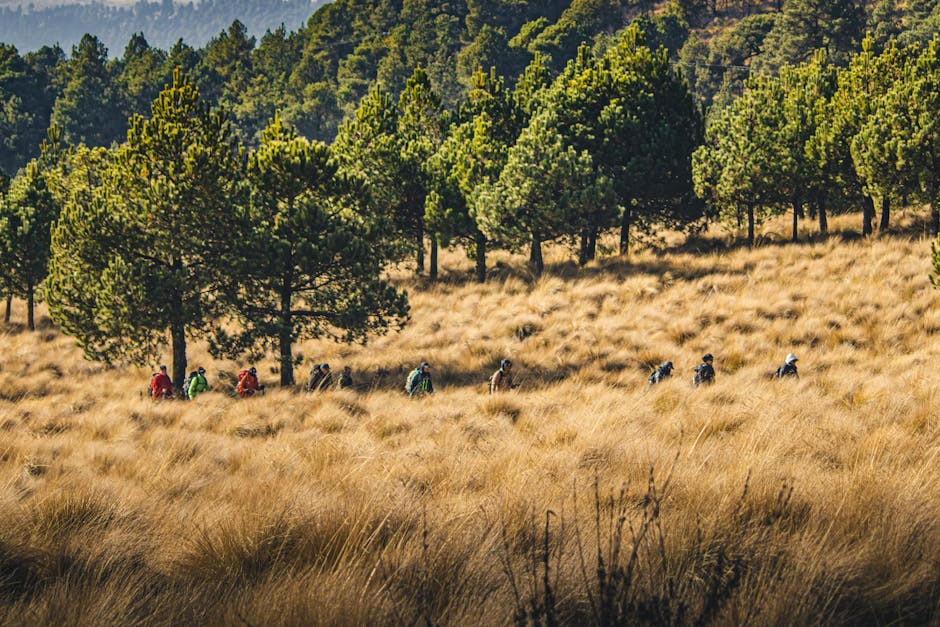
Not all adventure trips are created equal. Some require technical skills, while others are accessible to beginners. Be honest about your physical condition and prior experience.
If you’re new to hiking, start with well-marked trails like those in Maui or the Azores. Experienced climbers might prefer the technical routes on Mount Kinabalu or Iceland’s glaciers.
Consider the Season and Weather
Timing can make or break your trip. Research the best months for your chosen activity. For example, surfing in Lanzarote is best in winter, while trekking in Tasmania peaks in summer.
Avoid monsoon or hurricane seasons. Check historical weather data and travel advisories before booking flights or accommodations.
Evaluate Accessibility and Infrastructure
Some islands require multiple flights, ferries, or long drives. Factor in travel time and costs. Destinations like Queenstown and Maui are well-connected, while remote islands like Palawan may need extra planning.
Look for islands with reliable emergency services, English-speaking guides, and established tour operators. This is crucial for safety, especially in remote areas.
Budget Realistically
Adventure travel can get expensive. Include costs for gear rentals, guided tours, permits, and insurance. Some islands, like the Azores, offer good value, while others, like New Zealand, can be pricey.
Book accommodations and activities early to secure better rates. Consider shoulder seasons for lower prices and fewer crowds.
Essential Gear and Preparation Tips
Pack Smart for Island Conditions
Islands often have microclimates—sunny one minute, stormy the next. Bring layers, waterproof clothing, and quick-dry fabrics. A compact daypack is essential for day hikes and excursions.
Don’t forget reef-safe sunscreen, insect repellent, and a reusable water bottle. Many islands have limited plastic waste facilities, so minimizing single-use items is both eco-friendly and practical.
Get Proper Travel Insurance
Adventure activities increase risk. Standard travel insurance may not cover high-adrenaline pursuits like rock climbing, diving, or mountaineering.
Choose a policy that explicitly includes your planned activities. Check coverage for medical evacuation, trip cancellation, and gear loss. Keep digital copies of your policy and emergency contacts.
Respect Local Culture and Environment
Many island communities rely on tourism and have strong cultural traditions. Learn basic greetings, dress modestly when required, and follow local guidelines.
Practice Leave No Trace principles: pack out all trash, stay on marked trails, and avoid disturbing wildlife. Coral reefs are especially fragile—never touch or step on them.
Safety First: Common Risks and How to Avoid Them
Water Safety
Rip currents, strong waves, and sudden storms are real dangers. Always swim at lifeguarded beaches and heed warning flags. If caught in a rip current, swim parallel to shore until you escape the pull.
For diving and snorkeling, use certified operators and never exceed your certification level. Check equipment before entering the water.
Wildlife Encounters
While rare, encounters with dangerous animals can happen. In Tasmania, avoid dense bush at dusk when Tasmanian devils are active. In Borneo, keep food sealed to avoid attracting monkeys.
Never feed or approach wild animals. Use binoculars for viewing and maintain a safe distance.
Altitude and Terrain Hazards
High-altitude destinations like Mount Kinabalu or Haleakalā can cause dizziness, nausea, or worse. Ascend slowly, stay hydrated, and descend if symptoms worsen.
On rocky or slippery terrain, wear proper footwear with grip. Use trekking poles for stability on steep descents.
Final Thoughts: Make the Most of Your Island Adventure
The best island travel destinations for adventure trips combine natural beauty with diverse, accessible activities. From volcanic hikes in Iceland to jungle treks in Borneo, there’s an island suited to every adventurer’s style and skill level.
Success comes down to preparation: research your destination, pack appropriately, and choose reputable guides. Respect the environment and local communities to ensure these treasures remain vibrant for future travelers.
Start planning early, stay flexible, and embrace the unexpected. Some of the best moments happen off the beaten path—when you least expect them.
FAQ
What is the best time of year to visit adventure islands?
It depends on the destination. Generally, aim for dry seasons with stable weather. For example, visit Palawan from November to May, and Tasmania from December to February. Always check local climate patterns before booking.
Do I need special gear for island adventure trips?
Yes, but much can be rented locally. Essentials include sturdy footwear, weather-appropriate clothing, sun protection, and a reliable backpack. For technical activities like climbing or diving, use certified equipment from trusted providers.
Are island adventure trips safe for solo travelers?
Many are, especially with guided tours. Choose well-established operators, share your itinerary with someone at home, and stay in touch regularly. Avoid remote areas at night and trust your instincts in unfamiliar situations.