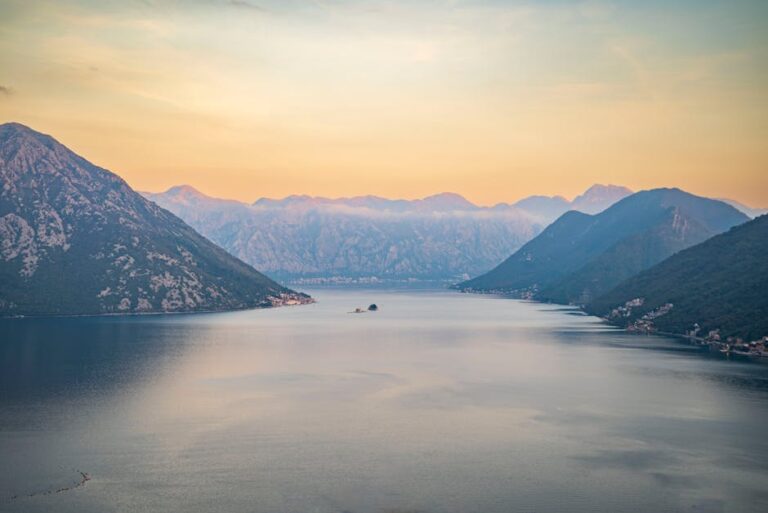
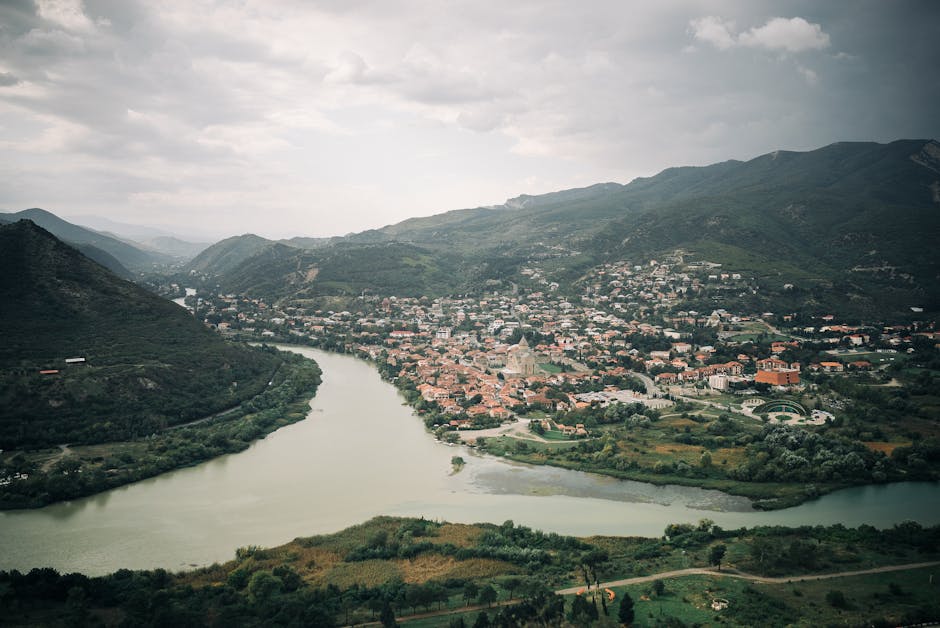
Nature Travel Guide with Scenic Landscapes and Rivers
Looking for a nature travel guide with scenic landscapes and rivers? You’re in the right place. This guide highlights breathtaking destinations where rivers wind through dramatic valleys, forests, and mountains—offering unforgettable outdoor experiences. Whether you’re planning a weekend getaway or a multi-day adventure, these locations combine natural beauty with accessible trails, campgrounds, and viewpoints.
From the misty gorges of the Pacific Northwest to the serene waterways of the Appalachian Mountains, each destination offers something unique. We’ll cover top spots, what to expect, and practical tips to help you plan a safe and rewarding trip. No matter your experience level, these riverside escapes deliver peace, perspective, and plenty of photo opportunities.
Top Destinations for Scenic River and Landscape Travel
Some of the world’s most beautiful travel experiences happen where rivers meet wild landscapes. These locations aren’t just visually stunning—they’re also rich in biodiversity and cultural history. Below are five standout destinations that exemplify the best of nature-based travel.
Columbia River Gorge, Oregon and Washington
Stretching 80 miles along the border of Oregon and Washington, the Columbia River Gorge is a dramatic canyon carved by ancient floods. Waterfalls like Multnomah Falls drop over 600 feet, cascading into the river below. The Historic Columbia River Highway offers scenic overlooks, hiking trails, and picnic areas.
Popular activities include hiking the Eagle Creek Trail, kayaking on the river, and visiting Vista House for panoramic views. The gorge is especially beautiful in spring when wildflowers bloom and waterfalls are at peak flow. Summer brings warm weather ideal for swimming and paddleboarding.
Blue Ridge Parkway, Virginia and North Carolina
Running 469 miles through the Appalachian Mountains, the Blue Ridge Parkway is one of America’s most scenic drives. Rivers like the New River—one of the oldest in the world—flow alongside forested ridges and meadows. The parkway connects Shenandoah National Park to Great Smoky Mountains National Park.
Stop at overlooks like Craggy Gardens or hike to waterfalls such as Linville Falls. The area is known for fall foliage, with vibrant reds and golds painting the hillsides. Campgrounds and lodges provide convenient access for multi-day trips.
San Juan River, Utah
Flowing through red rock canyons in southeastern Utah, the San Juan River offers a desert river experience unlike any other. The river cuts through sandstone formations, creating narrow gorges and sandy beaches perfect for camping. It’s a favorite among rafters and kayakers.
Float trips typically last 3–7 days, with put-in points near Bluff, Utah. The river passes ancient petroglyphs and ruins left by Ancestral Puebloan people. Summer temperatures can exceed 100°F, so early morning launches and sun protection are essential.
Chattooga River, Georgia and South Carolina
Designated a Wild and Scenic River, the Chattooga flows along the border of Georgia and South Carolina. Known for its whitewater rapids and clear water, it’s a top destination for rafting and fishing. The surrounding forest is part of the Sumter National Forest, offering solitude and wildlife sightings.
The river was featured in the film Deliverance, which brought attention to its rugged beauty. Sections range from calm Class I to intense Class IV rapids. Permits are required for certain stretches, so plan ahead if you’re rafting.
Green River, Utah
Winding through Canyonlands National Park, the Green River offers a remote desert river experience. It merges with the Colorado River at the heart of the park, forming one of the most dramatic landscapes in the U.S. Float trips pass towering cliffs, side canyons, and desert wildlife.
Most trips start at Green River State Park and end at the take-out near Mineral Bottom. The journey takes 4–6 days and requires a permit from the National Park Service. This is a true backcountry adventure—bring all supplies and be prepared for isolation.
How to Plan Your Nature Travel Adventure
Planning a trip to a scenic river destination requires more than just picking a spot. You’ll need to consider timing, gear, permits, and safety. A well-prepared trip ensures you enjoy the landscape without unnecessary stress or risk.
Choose the Right Season
Timing affects everything—water levels, weather, and accessibility. Spring often brings higher water flow from snowmelt, ideal for rafting but potentially dangerous for inexperienced paddlers. Summer offers warm weather but can mean crowds and heat in desert areas.
Fall is prime for foliage and cooler temperatures, especially in mountainous regions. Winter may close some roads and trails, but it also offers solitude and snow-draped landscapes. Always check seasonal conditions before you go.
Research Permits and Regulations
Many scenic rivers and parks require permits for camping, boating, or even day use. For example, overnight trips on the San Juan River need advance reservations through a lottery system. Similarly, Canyonlands limits the number of river runners per day.
Check official park websites or contact ranger stations for up-to-date rules. Some areas restrict fires, require bear canisters, or ban drones. Ignoring regulations can result in fines or expulsion.
Pack Smart for River and Trail
Your gear should match the environment. For river trips, a dry bag is essential to protect electronics and clothing. Wear quick-dry clothing and sturdy water shoes—flip-flops won’t cut it on rocky shores.
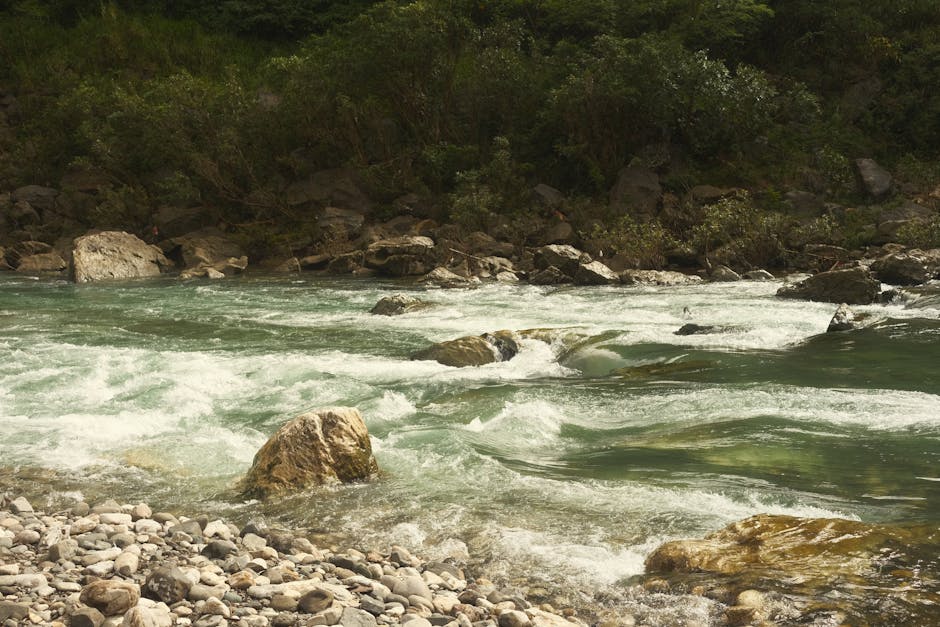
On trails, bring layers, a first-aid kit, and a map or GPS device. Cell service is unreliable in remote areas. A water filter or purification tablets are must-haves, especially if you’re refilling from rivers or streams.
Know Your Skill Level
Not all rivers are created equal. The Chattooga has intense rapids best suited for experienced rafters, while the upper Columbia River is calm and family-friendly. Be honest about your abilities and choose trips accordingly.
If you’re new to river travel, consider a guided tour. Reputable outfitters provide equipment, instruction, and safety briefings. They also know the best routes and hidden gems.
Safety Tips for River and Landscape Travel
Nature travel is rewarding, but it comes with risks. Rivers can change quickly, weather can shift without warning, and trails can be misleading. Staying safe means being prepared and aware.
Check Weather and Water Conditions
Flash floods are a real danger in desert canyons and mountainous areas. A storm miles upstream can send a surge of water down a river in minutes. Always check the forecast and river flow reports before launching.
Use apps like USGS Water Data or local ranger updates to monitor conditions. If the water looks muddy or rising, get off the river immediately.
Tell Someone Your Plans
Always share your itinerary with a friend or family member. Include your route, expected return time, and emergency contacts. If you don’t check in, someone can alert authorities.
This simple step can save lives. Search and rescue operations are costly and dangerous, especially in remote river canyons.
Respect Wildlife and Leave No Trace
Wild animals like bears, snakes, and mountain lions live in these areas. Store food properly and never approach wildlife. Make noise on trails to avoid surprising animals.
Follow Leave No Trace principles: pack out all trash, stay on trails, and minimize campfire impact. These practices protect the landscape for future visitors.
Best Times to Visit Scenic River Destinations
Each destination has an ideal window for travel. Timing affects everything from water clarity to crowd levels. Here’s a quick breakdown by region.
Spring (March–May)
Spring is ideal for waterfall viewing and rafting in the Pacific Northwest and Appalachians. Snowmelt feeds rivers, creating powerful flows and lush greenery. Wildflowers bloom in meadows and along trails.
In desert regions like Utah, spring offers mild temperatures perfect for hiking and floating. Avoid late May in some areas, as summer heat begins to build.
Summer (June–August)
Summer is peak season for most destinations. Days are long, and facilities are fully operational. However, popular spots like the Columbia River Gorge can be crowded on weekends.
Desert rivers like the San Juan and Green require extra caution due to extreme heat. Start early, drink plenty of water, and wear sun protection.
Fall (September–November)
Fall brings cooler weather and stunning foliage, especially in the Blue Ridge Mountains and Pacific Northwest. Crowds thin after Labor Day, making it a great time for solitude.
River levels may be lower, which can affect rafting conditions. Still, the scenery is often at its most dramatic, with golden leaves reflecting off the water.
Winter (December–February)
Winter travel is limited but magical in the right places. The Columbia River Gorge sees fewer visitors, and snow-covered waterfalls are a rare sight. Some trails remain open, but icy conditions require traction devices.
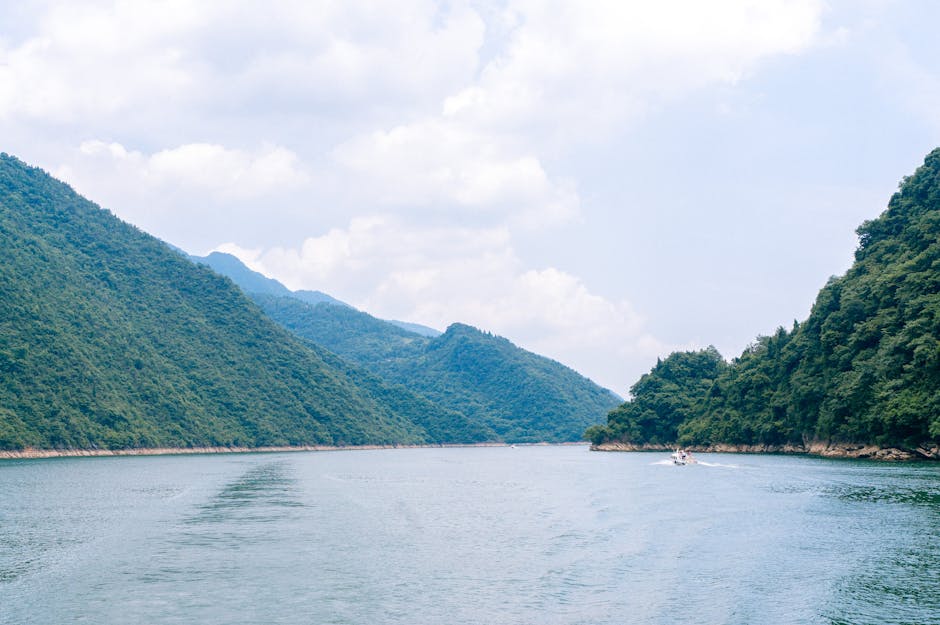
Desert rivers are generally too cold for floating, but hiking in places like Canyonlands can be rewarding with clear skies and minimal crowds.
What to Expect on a Nature Travel Trip
Every trip is different, but most nature travel experiences share common elements. Knowing what to expect helps you pack, plan, and stay safe.
Trail Conditions and Difficulty
Trails vary from paved paths to rugged backcountry routes. Check trail descriptions for distance, elevation gain, and surface type. A 5-mile trail with 2,000 feet of elevation is much harder than a flat 10-mile route.
River access trails can be steep and rocky. Wear proper footwear and consider trekking poles for stability.
Wildlife Encounters
You may see deer, birds, beavers, or even bears. Keep a safe distance and never feed animals. Store food in bear-proof containers where required.
Insect activity peaks in summer. Bring insect repellent, especially near slow-moving water where mosquitoes breed.
Cell Service and Navigation
Don’t rely on your phone for navigation. Download offline maps or carry a paper map and compass. GPS devices like Garmin inReach offer satellite messaging in areas with no service.
Let someone know your route and expected return time. If you’re going off-grid, a personal locator beacon (PLB) is a smart investment.
Essential Gear for Scenic River and Landscape Travel
The right gear makes the difference between a great trip and a miserable one. Focus on essentials that enhance safety, comfort, and convenience.
Clothing and Footwear
Wear moisture-wicking base layers and avoid cotton, which stays wet and causes chafing. A lightweight rain jacket is essential, even in summer.
Footwear should match the terrain. Water shoes with grip are ideal for river crossings. Hiking boots provide ankle support on rocky trails.
Shelter and Sleep System
For overnight trips, a lightweight tent or tarp offers protection from rain and wind. A sleeping pad insulates you from the cold ground, and a sleeping bag rated for the expected lows keeps you warm.
Down bags are lightweight but lose insulation when wet. Synthetic bags are bulkier but perform better in damp conditions.
Cooking and Hydration
A compact camp stove lets you cook hot meals without building a fire. Bring fuel, a pot, and utensils. Freeze-dried meals are lightweight and easy to prepare.
Carry at least 2 liters of water per person per day. Use a filter or purification tablets to refill from rivers and streams. Avoid drinking untreated water.
Safety and Navigation Tools
A headlamp with extra batteries is crucial for nighttime travel. A whistle, fire starter, and basic first-aid kit should be in every pack.
For navigation, a compass and topographic map are reliable backups. Apps like Gaia GPS or AllTrails can help, but don’t depend on them alone.
How to Capture the Beauty of Scenic Landscapes
Photography enhances your travel experience, but it shouldn’t distract from being present. With a few tips, you can capture stunning images without compromising safety or ethics.
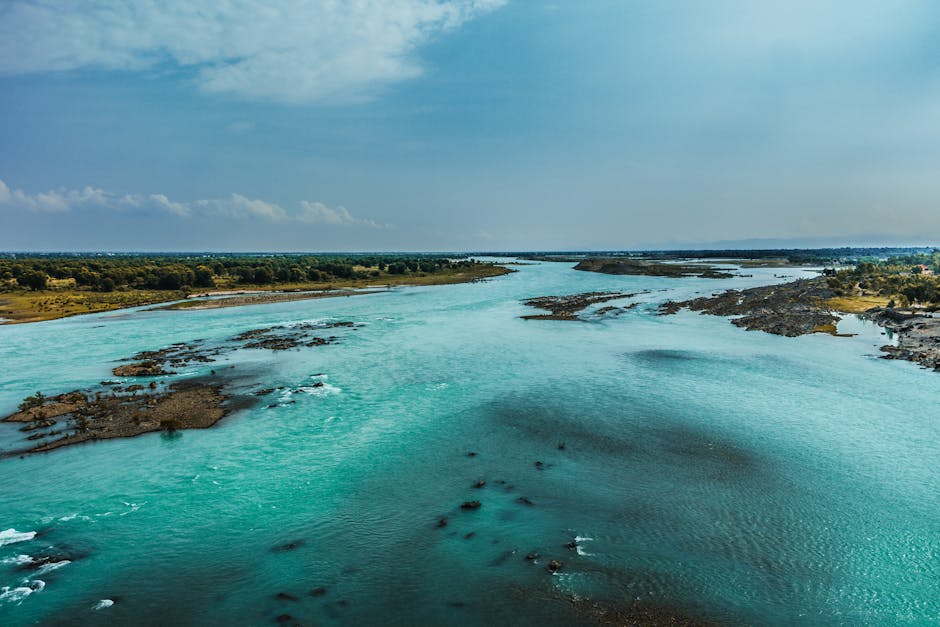
Golden Hour Photography
The hour after sunrise and before sunset offers soft, warm light perfect for landscapes. Rivers glow, and shadows add depth to cliffs and trees.
Arrive early to scout compositions. Use a tripod for sharp images in low light. Avoid using flash, which can wash out natural tones.
Use a Polarizing Filter
A polarizing filter reduces glare on water and enhances sky contrast. It’s especially useful for photographing rivers and reflections.
Rotate the filter to adjust the effect. It can darken skies and make clouds pop, adding drama to your shots.
Respect the Environment
Stay on trails when taking photos. Don’t trample vegetation or disturb wildlife for a better angle. Drones are banned in many national parks—check regulations before flying.
Focus on capturing the moment, not just the image. Some of the best memories aren’t photographed at all.
Eco-Friendly Travel Practices
Protecting these landscapes ensures they remain beautiful for future travelers. Small choices make a big difference over time.
Pack It In, Pack It Out
Carry out all trash, including food scraps and toilet paper. Use a trowel to bury human waste at least 6–8 inches deep and 200 feet from water sources.
Even biodegradable items like orange peels can harm ecosystems. Leave nothing but footprints.
Use Reusable Items
Bring a reusable water bottle, utensils, and food containers. Avoid single-use plastics, which often end up polluting rivers and trails.
Many parks now have refill stations. Use them to reduce waste and save money.
Support Local Conservation
Consider donating to trail maintenance groups or park foundations. Volunteer for clean-up days if you’re able.
Choose local guides and businesses that follow sustainable practices. Your spending supports conservation efforts.
Final Thoughts on Nature Travel
A nature travel guide with scenic landscapes and rivers offers more than beautiful views—it provides connection, reflection, and adventure. These destinations invite you to slow down, observe, and appreciate the natural world.
Whether you’re floating a desert river, hiking a mountain trail, or photographing a waterfall, preparation and respect are key. With the right planning, your trip can be safe, enjoyable, and deeply rewarding.
Start with one destination, learn the basics, and build from there. The rivers and landscapes are waiting.
FAQ
What is the best time of year to visit scenic river destinations?
Spring and fall are ideal for most locations. Spring offers high water flow and blooming flora, while fall brings cooler weather and vibrant foliage. Summer is popular but can be crowded and hot in desert areas.
Do I need a permit for river travel?
Yes, many rivers require permits for camping or boating. Check with the managing agency—such as the National Park Service or Forest Service—before your trip. Some permits are issued via lottery systems.
What should I do if I encounter wildlife on the trail?
Keep your distance and never approach or feed animals. Make noise while hiking to avoid surprising bears or snakes. Store food securely and follow local guidelines for wildlife safety.