Adventure Travel Guide for Exploring Rivers, Lakes and Trails
Planning an outdoor adventure? This adventure travel guide for exploring rivers, lakes and trails covers everything you need to know—from essential gear and route planning to safety tips and hidden gems. Whether you’re paddling a remote river, hiking a forested trail, or discovering a secluded alpine lake, this guide helps you prepare for unforgettable experiences in nature. We focus on practical advice, real-world examples, and actionable steps so you can explore confidently and responsibly.
Why Rivers, Lakes, and Trails Are Perfect for Adventure Travel
Rivers, lakes, and trails offer diverse landscapes and activities that appeal to all levels of adventurers. Rivers provide dynamic water routes for kayaking or canoeing, while lakes offer calm waters ideal for paddleboarding or fishing. Trails connect these waterways, allowing hikers to access remote areas and scenic viewpoints.
These environments support a range of experiences—from day hikes to multi-day expeditions. For example, the Colorado River through the Grand Canyon combines whitewater rapids with breathtaking canyon views. Meanwhile, Lake Tahoe’s Emerald Bay Trail offers a short but stunning hike with panoramic lake views. Whether you seek solitude or group adventure, these natural corridors deliver.
Essential Gear for Water and Trail Adventures
Paddling Equipment
For river and lake adventures, your gear starts with a reliable watercraft. Kayaks are great for solo exploration, while canoes suit pairs or families. Inflatable paddleboards work well on calm lakes. Always wear a properly fitted life jacket, regardless of swimming ability.
Bring a dry bag to protect electronics, food, and extra clothing. A bilge pump and paddle leash are small items that prevent big problems. On longer trips, a waterproof map case and handheld GPS add security.
Hiking and Trail Essentials
Footwear is critical. Choose trail runners for dry, well-maintained paths or hiking boots for rocky or muddy terrain. Pack a lightweight backpack with a hydration system or water bottles.
Include a first-aid kit, headlamp, multi-tool, and emergency whistle. Weather can change quickly near water, so carry a rain jacket and insulating layer even in summer. Navigation tools like a compass and topographic map are must-haves—don’t rely solely on phone GPS.
Clothing and Personal Items
Dress in moisture-wicking layers. Avoid cotton, which retains water and increases hypothermia risk. A wide-brimmed hat and UV-protective clothing help during long days in the sun.
Don’t forget sunscreen, insect repellent, and a personal locator beacon (PLB) for remote areas. If you’re near water, consider quick-dry clothing and water shoes for rocky shorelines.
Planning Your Adventure: Routes, Permits, and Timing
Choosing the Right Route
Start by defining your goals. Are you looking for a peaceful paddle, a challenging hike, or a multi-day expedition? Use online resources like AllTrails, Recreation.gov, or local park websites to research difficulty, distance, and access points.
For rivers, check flow rates and rapids classifications. The American Whitewater website provides real-time data for U.S. rivers. On lakes, note boat launch locations and any motor restrictions. Trails near water often have seasonal closures—verify conditions before you go.
Permits and Regulations
Many popular areas require permits. For example, overnight trips in the Adirondacks need a permit from the New York State Department of Environmental Conservation. Similarly, river floats in Yellowstone often require advance reservations.
Check local rules about campfires, waste disposal, and wildlife interactions. Some lakes ban gas motors, while others limit group size. Respecting regulations protects both the environment and your access.
Best Times to Explore
Timing affects safety and enjoyment. Spring melt can make rivers fast and dangerous—wait until flows stabilize. Summer offers warm weather but also crowds. Early fall often provides ideal conditions: lower water levels, fewer bugs, and vibrant foliage.
In mountainous regions, high-elevation lakes may remain frozen into June. Coastal trails can be foggy in summer but clear in late summer and fall. Always check seasonal patterns for your destination.
Safety Tips for Water and Trail Adventures
Water Safety
Never paddle alone in remote areas. Let someone know your route and expected return time. Cold water is a major hazard—even in summer, mountain lakes can be near freezing. Hypothermia can set in quickly.
Learn basic self-rescue techniques. If you capsize, stay with your boat and swim to shore feet first to avoid underwater obstacles. Carry a throw rope for emergencies.
Trail Safety
Stay on marked trails to prevent erosion and avoid getting lost. If you do stray, stop, assess your location, and retrace your steps. Moving forward without a clear path increases risk.
Wildlife encounters are rare but possible. In bear country, carry bear spray and store food properly. Make noise while hiking to avoid surprising animals. On lakes, be aware of sudden weather changes that can create dangerous waves.
Emergency Preparedness
Carry a fully charged phone, but don’t depend on it. Signal mirrors, whistles, and PLBs work when cell service fails. Know basic first aid, especially for cuts, sprains, and heat-related illness.
If lost, stay put. Moving increases the chance of injury and makes rescue harder. Use bright clothing or a signal fire to attract attention.
Top Destinations for Rivers, Lakes, and Trails
Boundary Waters Canoe Area, Minnesota
This million-acre wilderness offers over 1,000 lakes connected by portages. Paddlers can spend days exploring pristine waters surrounded by pine forests. Permits are required and fill up fast—apply early.
The area is ideal for beginners and experts alike. Rent gear locally or bring your own. Mosquitoes are intense in summer, so pack repellent and a head net.
San Juan Islands, Washington
Kayaking among the San Juan Islands combines calm waters with orca sightings. Trails on San Juan Island lead to lighthouses and coastal bluffs. Launch from Friday Harbor or rent a kayak on-site.
Tides and currents require planning. Use tide charts and avoid narrow channels during peak flow. Camping is limited—reserve sites in advance.
Appalachian Trail Near Shenandoah National Park, Virginia
This section of the AT offers forested trails with views of the Blue Ridge Mountains. Hikers can access Skyline Drive and enjoy waterfalls like Dark Hollow Falls. The trail connects to several streams and small lakes.
Black bears are present—store food in bear-proof containers. Summer brings humidity and thunderstorms; start hikes early to avoid afternoon storms.
Flathead Lake and Swan River, Montana
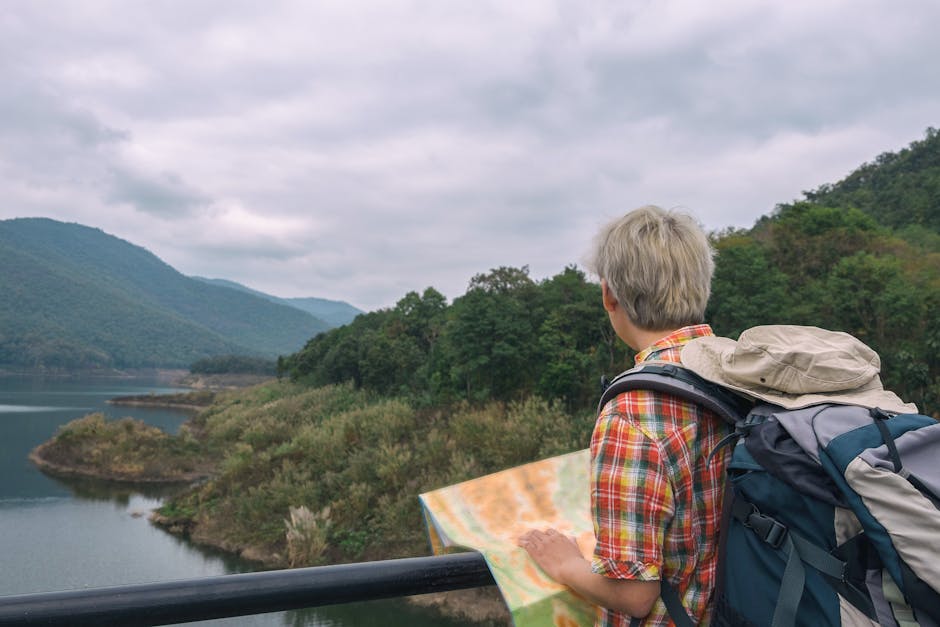
Flathead Lake is one of the cleanest large lakes in the U.S., perfect for swimming and paddleboarding. The Swan River flows from the lake into the Bob Marshall Wilderness, offering remote float trips.
Access points include Bigfork and Condon. Watch for logjams in the river, especially after spring runoff. Wildlife includes moose and bald eagles.
Leave No Trace: Protecting Natural Spaces
Adventure travel means enjoying nature—and preserving it. Follow Leave No Trace principles: pack out all trash, stay on trails, and avoid disturbing wildlife.
Use established campsites and fire rings. If none exist, camp at least 200 feet from water sources. Bury human waste 6–8 inches deep and pack out toilet paper.
Respect quiet hours and other visitors. Loud music or fires can disrupt the experience for others. Teach children and pets to follow the same rules.
Packing Smart: What to Bring and What to Leave Behind
Overpacking slows you down. Focus on essentials: water, food, shelter, navigation, and safety gear. Test your pack weight before departure.
For day trips, a 20–30 liter pack is usually enough. Overnight trips may require 50–70 liters. Use compression sacks to save space.
Avoid single-use plastics. Bring reusable containers and a water filter instead of bottled water. Leave behind items like chairs, speakers, or excessive clothing—they add weight and clutter.
Adapting to Different Environments
Desert Rivers and Lakes
In arid regions like the Southwest, water sources are scarce. Carry extra water—at least one gallon per person per day. Sun exposure is intense; wear long sleeves and seek shade.
Flash floods are a risk in desert washes. Check weather forecasts and avoid narrow canyons during rain. Trails may be rocky and unmarked—navigation skills are essential.
Coastal and Estuary Areas
Tides affect access to beaches and launch points. Plan paddling and hiking around tidal cycles. Saltwater can damage gear—rinse equipment after use.
Coastal winds create choppy water. Beginners should stick to protected bays. Watch for rip currents when swimming near the ocean.
Mountain Lakes and High-Altitude Trails
Altitude sickness can occur above 8,000 feet. Acclimate gradually and stay hydrated. Weather changes rapidly—snow is possible even in summer.
Trails may be snow-covered early in the season. Use trekking poles for stability. Lakes are often fed by glaciers—water is cold and not safe for drinking without filtration.
Family-Friendly Adventures on Water and Trail
Adventure travel isn’t just for experts. Many rivers, lakes, and trails welcome families. Choose calm waters and short, flat trails for young children.
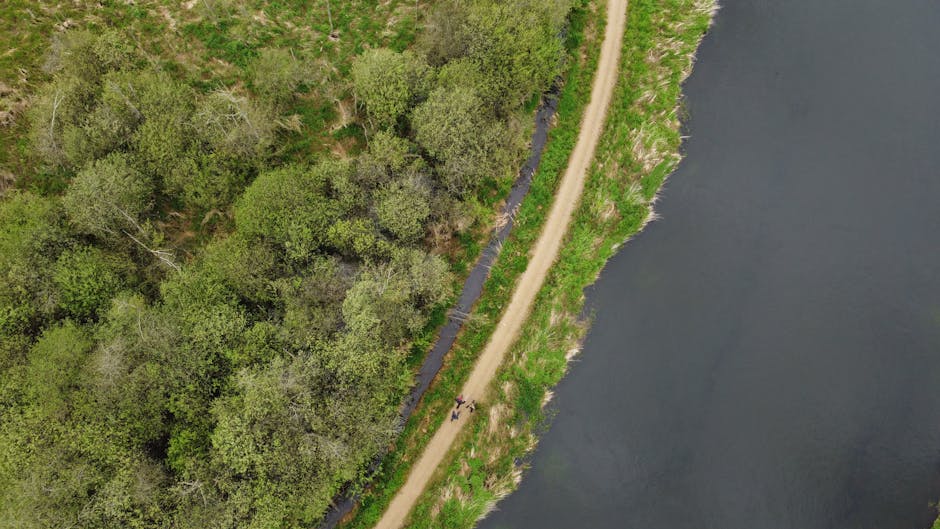
Examples include the Green River in Utah, which offers gentle floats with dinosaur fossil sites, and the Lake McDonald Trail in Glacier National Park, a paved path suitable for strollers.
Bring games, snacks, and extra clothes. Teach kids basic safety rules and let them help with simple tasks like packing or navigation. Positive experiences build lifelong outdoor interest.
Solo vs. Group Travel: Pros and Cons
Solo travel offers freedom and solitude. You set the pace and route. But it increases risk—no one is there to help in an emergency.
Group travel enhances safety and shared enjoyment. More eyes mean better navigation and problem-solving. However, groups move slower and require coordination.
For beginners, joining a guided trip or group is wise. Experienced adventurers may prefer solo trips with proper preparation. Always inform others of your plans, regardless of group size.
Photography and Journaling Your Journey
Capture memories without disturbing nature. Use a waterproof camera or phone case. Avoid approaching wildlife for photos—use a zoom lens instead.
Keep a travel journal to record routes, weather, and reflections. Note trail conditions and wildlife sightings to help future trips. Share experiences responsibly online—avoid tagging exact locations of sensitive areas.
Staying Connected (or Not)
Some adventurers seek total disconnection. Others want emergency access. Satellite messengers like Garmin inReach allow texting when phones fail.
Set boundaries. Designate tech-free times to enjoy nature. Charge devices before departure and carry portable power banks. Remember: the goal is adventure, not constant updates.
Final Tips for a Successful Adventure
Start small. Build experience with short trips before attempting multi-day journeys. Practice skills like map reading and water safety at home or in local parks.
Check gear before each trip. A broken strap or leaky dry bag can ruin an outing. Replace worn items promptly.
Be flexible. Weather, closures, or fatigue may require changes. Have backup plans and know when to turn back. Safety always comes first.
This adventure travel guide for exploring rivers, lakes and trails equips you with the knowledge to explore confidently. With proper preparation, respect for nature, and a spirit of curiosity, your next outdoor journey can be both thrilling and rewarding.
FAQ
What should I pack for a day trip on a river or lake?
Pack a life jacket, dry bag, water, snacks, sunscreen, hat, first-aid kit, and navigation tools. Wear appropriate footwear and clothing for water and weather conditions.
How do I find safe and legal camping spots near trails and water?
Use official park websites or apps like Recreation.gov to locate designated campsites. Check for permits, fire regulations, and distance requirements from water sources.
Is it safe to hike or paddle alone in remote areas?
Solo travel increases risk. If you go alone, carry emergency communication devices, share your itinerary, and stick to well-marked routes. Beginners should travel with others.