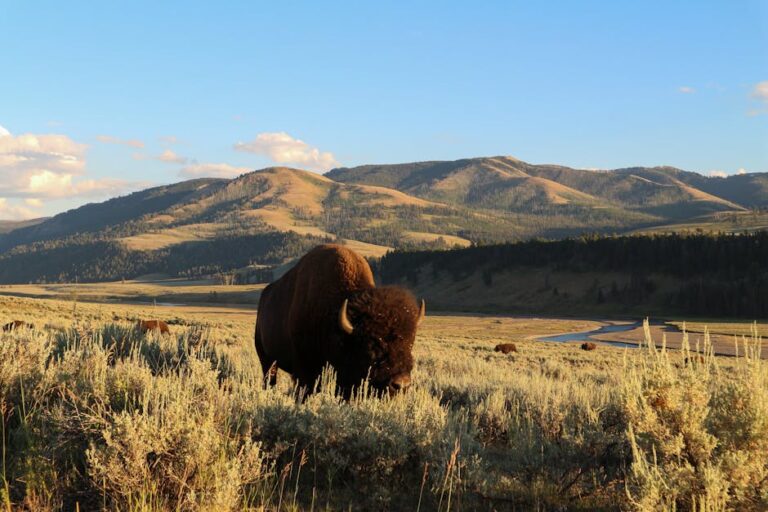
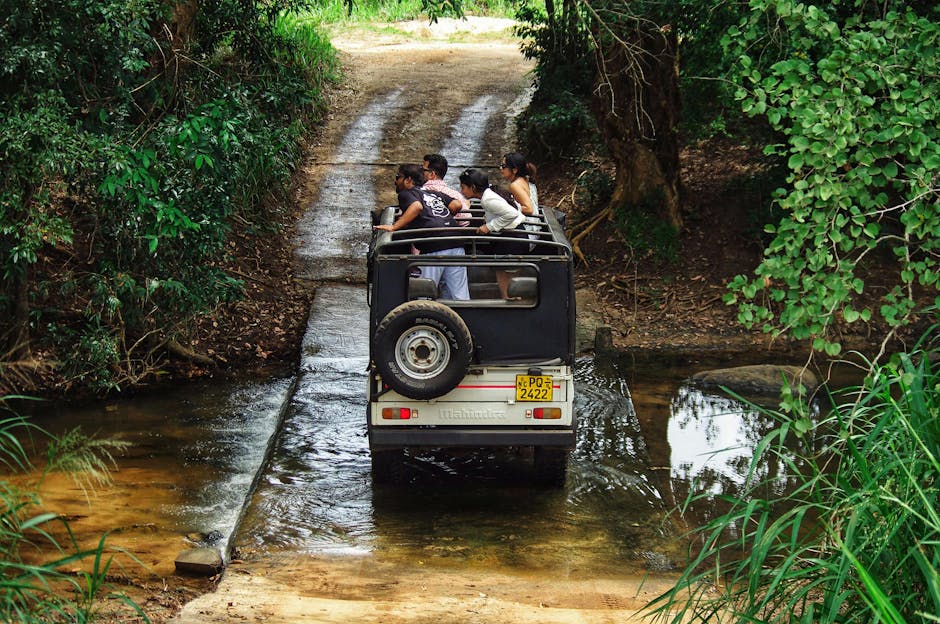
Wildlife Travel Guide with Safari and Jungle Trips
Planning a wildlife adventure? A well-prepared wildlife travel guide with safari and jungle trips ensures you experience nature’s wonders safely and responsibly. Whether you’re tracking lions across the Serengeti or spotting tigers in Ranthambore, understanding destinations, seasons, gear, and local guidelines transforms a trip from ordinary to unforgettable. This guide covers top locations, essential planning steps, packing tips, and ethical travel practices to help you make the most of your journey into the wild.
Top Destinations for Safari and Jungle Adventures
Africa and Asia offer some of the world’s most iconic wildlife experiences. Each region provides unique ecosystems and species, making destination choice a key part of your planning.
African Safari Hotspots
The Serengeti in Tanzania is legendary for the Great Migration, where over a million wildebeest and zebra cross plains in search of fresh grazing. Pair it with the Ngorongoro Crater for a compact, high-density wildlife experience.
Kenya’s Maasai Mara offers open grasslands ideal for spotting the Big Five—lion, leopard, elephant, buffalo, and rhino. Game drives here are frequent and reliable, especially between July and October.
South Africa’s Kruger National Park combines accessibility with diversity. With well-maintained roads and a range of accommodations—from camps to luxury lodges—it’s ideal for first-time safari-goers.
Asian Jungle Expeditions
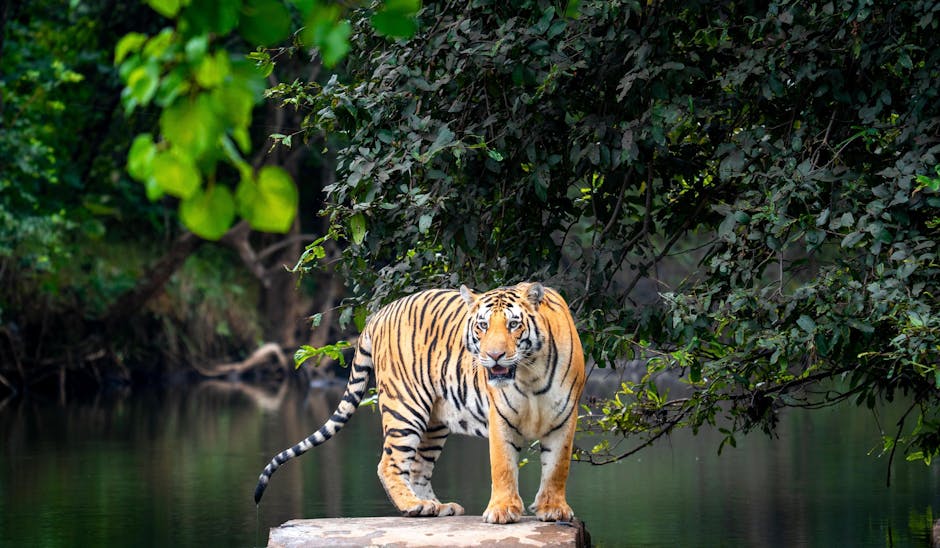
India’s Ranthambore National Park is one of the best places to see Bengal tigers in the wild. Its mix of dry forest and ancient ruins creates a dramatic backdrop for wildlife photography.
In Southeast Asia, Borneo’s rainforests offer encounters with orangutans, pygmy elephants, and proboscis monkeys. Kinabatangan Wildlife Sanctuary is particularly accessible for river-based jungle tours.
Thailand’s Khao Sok National Park features dense jungle, limestone cliffs, and Cheow Lan Lake—a flooded rainforest where guided kayak tours let you glide past gibbons and hornbills.
Best Times to Visit for Wildlife Viewing
Timing affects animal sightings, weather, and crowd levels. Dry seasons generally offer better visibility as animals gather near water sources.
African Safari Seasons
In East Africa, the dry months from June to October are prime for game viewing. The short rains in November can still offer good conditions with fewer tourists.
For the Great Migration, plan around river crossings in the Mara between July and September. These dramatic events draw predators and photographers alike.
Asian Jungle Timing
In India, visit between October and April when temperatures are cooler and tigers are more active. Summers can be extremely hot, reducing animal movement.
Borneo’s dry season runs from March to October. While rain is possible year-round, these months offer more stable conditions for trekking and river safaris.
How to Plan Your Wildlife Adventure
Careful planning ensures safety, comfort, and meaningful wildlife encounters. Start early—some permits and lodges book up a year in advance.
Choose the Right Tour Operator
Look for operators with strong conservation ethics and local guides. Reputable companies provide trained naturalists, support community projects, and follow park regulations strictly.
Read reviews on platforms like TripAdvisor or specialized forums. Ask about group size—smaller groups often mean better access and quieter experiences.
Book Accommodations Wisely
Safari lodges range from basic tented camps to five-star eco-resorts. Consider location: proximity to park gates reduces travel time and increases game drive efficiency.
Mobile camps that move with animal migrations, like those in the Serengeti, offer unique access but require flexible itineraries.
Secure Permits and Vaccinations
Some parks require advance permits, especially for photography or restricted zones. In India, tiger reserves often limit daily entries.
Check health requirements. Yellow fever vaccination is mandatory for entry into several African countries. Malaria prophylaxis is recommended for most jungle destinations.
What to Pack for a Safari or Jungle Trip
Packing light but smart makes a big difference in comfort and mobility. Prioritize function over fashion.
Clothing Essentials
Neutral colors like khaki, olive, and gray help you blend in and avoid startling animals. Avoid bright colors and white, which reflect light.
Layering works best. Mornings and evenings can be chilly, especially in open vehicles. Pack a lightweight fleece, long-sleeve shirts, and convertible pants.
Gear and Gadgets
A good pair of binoculars (8×42 or 10×42) is essential for spotting distant animals. A telephoto lens (300mm or more) enhances wildlife photography.
Bring a power bank and universal adapter. Many lodges have limited charging times. Waterproof bags protect electronics during river crossings or rain.
Health and Safety Items
Pack a basic first-aid kit with antiseptic, bandages, and anti-diarrheal medication. Include insect repellent with DEET or picaridin for mosquito protection.
Water purification tablets or a portable filter are useful in remote areas. Stay hydrated—dehydration can sneak up quickly, especially in dry savannas.
Ethical Wildlife Tourism Practices
Responsible travel protects animals and supports local communities. Your choices as a visitor matter.
Keep Your Distance
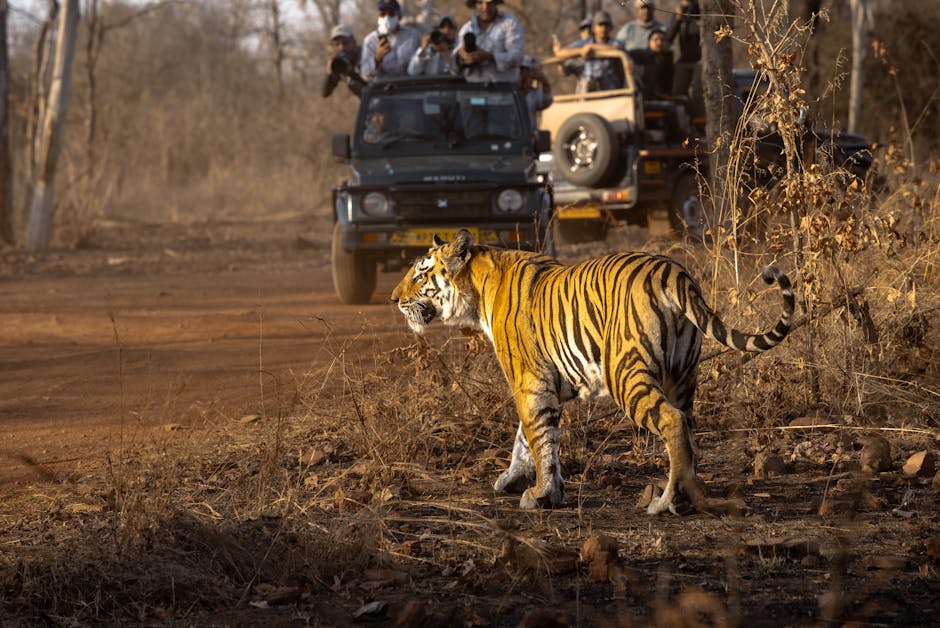
Never approach, feed, or touch wild animals. Use zoom lenses instead of getting closer. Loud noises and sudden movements can stress animals and alter natural behaviors.
Follow your guide’s instructions at all times. They know safe distances and animal patterns.
Support Local Economies
Choose locally owned lodges and guides. Purchasing crafts directly from communities ensures fair compensation and reduces middlemen.
Avoid souvenirs made from animal parts, such as ivory or fur. These products fuel illegal wildlife trade.
Minimize Environmental Impact
Stick to designated trails to prevent soil erosion and habitat disruption. Carry out all trash—even biodegradable items like fruit peels can harm local ecosystems.
Use reef-safe sunscreen in tropical areas. Chemicals in regular sunscreens can damage coral reefs and aquatic life.
Wildlife Viewing Tips for Beginners
New to wildlife travel? These practical tips help you get the most from your experience.
Patience Pays Off
Wildlife doesn’t follow schedules. Some days you’ll see nothing; others, you’ll witness a predator hunt. Embrace the unpredictability.
Early mornings and late afternoons are most active. Animals rest during the heat of the day, so midday drives may be quieter.
Learn Animal Behavior
Understanding signs like alarm calls, tracks, or feeding patterns helps you anticipate sightings. Guides often point out subtle clues beginners miss.
For example, birds flying low or monkeys chattering may signal a nearby predator.
Respect Quiet Zones
Some areas require silence to avoid disturbing sensitive species. Turn off phone ringtones and speak in low voices during these times.
Night drives often have stricter noise rules. Use red-filtered flashlights to preserve night vision and reduce disturbance.
Common Challenges and How to Handle Them
Wildlife travel isn’t always smooth. Being prepared for setbacks improves your experience.
Weather Delays
Rain can close dirt roads or cancel flights to remote airstrips. Build buffer days into your itinerary to accommodate delays.
In monsoon regions, have a backup plan—indoor cultural visits or museum tours can fill unexpected downtime.
Motion Sickness
Bumpy safari vehicles and boat rides can cause nausea. Sit in the front seat, focus on the horizon, and avoid heavy meals before drives.
Ginger tablets or over-the-counter medications like dimenhydrinate can help. Inform your guide if you’re prone to sickness.
Language Barriers
Even with guides, communication can be tricky. Learn a few basic phrases in the local language—it builds rapport and shows respect.
Carry a translation app or phrasebook. Simple gestures and smiles go a long way in bridging gaps.
Photography Tips for Wildlife Encounters
Capturing the perfect shot enhances your memories—but always prioritize animal welfare over the photo.
Use Natural Light
Golden hour—just after sunrise and before sunset—offers soft, warm lighting ideal for portraits and landscapes.
Avoid using flash, especially at night. It can startle animals and damage their eyesight.
Stabilize Your Camera
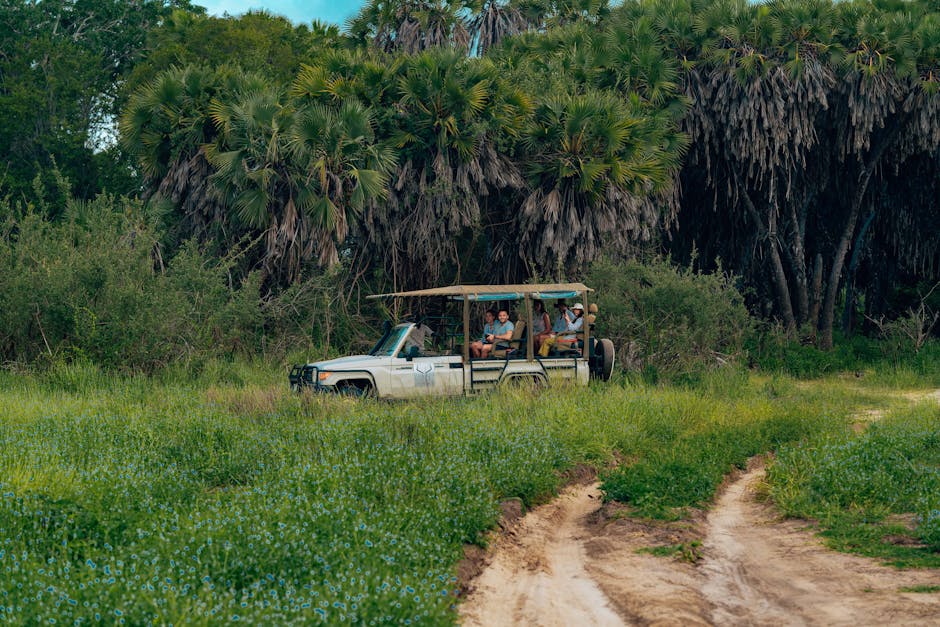
A tripod or bean bag helps reduce blur from vehicle movement. Many lodges provide bean bags for vehicle windows.
Shoot in burst mode for action shots, like a cheetah sprint or bird in flight.
Respect Photography Rules
Some parks ban drones or restrict photography in certain zones. Always ask permission before photographing people or villages.
Commercial photography may require special permits. Check regulations before your trip.
Final Thoughts on Wildlife Travel
A wildlife travel guide with safari and jungle trips is more than a checklist—it’s a commitment to exploration, learning, and conservation. The best experiences come from preparation, respect, and openness to the unexpected. Whether you’re watching elephants at a waterhole or listening to howler monkeys at dawn, these moments connect you to the planet’s wild heart. Plan carefully, travel mindfully, and let nature lead the way.
FAQ
What should I wear on a safari?
Neutral-colored, breathable clothing in layers works best. Avoid bright colors and white. Long sleeves and pants protect against sun and insects.
Is it safe to travel to wildlife areas?
Yes, when you follow guide instructions and park rules. Stick to designated paths, stay in vehicles during drives, and avoid risky behavior like approaching animals.
How far in advance should I book a safari?
Book 6 to 12 months ahead, especially for popular destinations like the Maasai Mara or Ranthambore. Peak seasons fill quickly, and permits are limited.