Top Adventure Travel Spots for Solo Nature Explorers
For solo travelers seeking raw, unfiltered experiences in the wild, the world offers countless destinations where solitude meets adventure. Whether you’re drawn to mountain trails, remote forests, or coastal wilderness, these top adventure travel spots provide safety, natural beauty, and opportunities for self-discovery. From the fjords of Norway to the highlands of New Zealand, each location is chosen for its accessibility, trail infrastructure, and welcoming environment for independent explorers. This guide highlights seven of the best places to travel alone and immerse yourself in nature—without sacrificing comfort or security.
Iceland: A Land of Fire, Ice, and Solitude
Iceland consistently ranks as one of the safest countries in the world, making it ideal for solo travelers. Its well-marked hiking trails, reliable public transport, and widespread English fluency reduce common travel barriers. The island’s dramatic landscapes—glaciers, volcanoes, waterfalls, and black sand beaches—offer endless exploration.
Best Regions for Solo Hikers
The Laugavegur Trail is a 55-kilometer trek from Landmannalaugar to Þórsmörk, passing through rhyolite mountains, hot springs, and glacial rivers. It’s well-maintained and popular, so you’ll meet fellow hikers without losing the sense of solitude. For a quieter experience, head to the Westfjords, where the Arctic Hiking Trail offers remote paths with minimal crowds and stunning coastal views.
Always check weather conditions before setting out. Iceland’s climate can shift rapidly, and sudden storms are common even in summer. Pack waterproof layers and a GPS device, as cell service is limited in rural areas.
Getting Around Safely
Renting a car gives you flexibility, especially along the Ring Road. Many hostels and guesthouses offer luggage transfer services, so you can hike between towns without carrying a heavy pack. The Icelandic Touring Association (FÍH) maintains huts along major trails, providing basic shelter and cooking facilities.
Book accommodations in advance during peak season (June–August). Off-season travel (October–April) offers lower prices and fewer tourists, but daylight hours are limited and some roads may be closed.
New Zealand: The Ultimate Solo Adventure Playground
New Zealand’s reputation for outdoor adventure is well-earned. With two main islands packed with national parks, alpine terrain, and coastal trails, it’s a dream destination for solo nature lovers. The country’s Department of Conservation (DOC) maintains over 1,000 huts and campsites, many accessible by foot or bike.
Great Walks and Beyond
The Milford Track is often called the “finest walk in the world.” This 53.5-kilometer route through Fiordland National Park includes rainforests, waterfalls, and mountain passes. Permits are required and limited to 40 walkers per day, ensuring a peaceful experience.
For a less crowded option, try the Routeburn Track, which connects Mount Aspiring and Fiordland National Parks. It’s shorter at 32 kilometers but equally breathtaking, with views of the Southern Alps and Lake Mackenzie.
Safety and Preparation
New Zealand’s weather can be unpredictable, especially in alpine regions. Always carry a rain jacket, warm layers, and a first-aid kit. Inform someone of your itinerary before heading out, and check in at trailheads when possible.
Public transport between trailheads is limited, so consider joining a guided group or using shuttle services offered by DOC-approved operators. Many solo travelers find companionship through hostels or online hiking forums like Meetup or Backpacker’s Guide.
Patagonia, Chile & Argentina: Wild, Rugged, and Remote
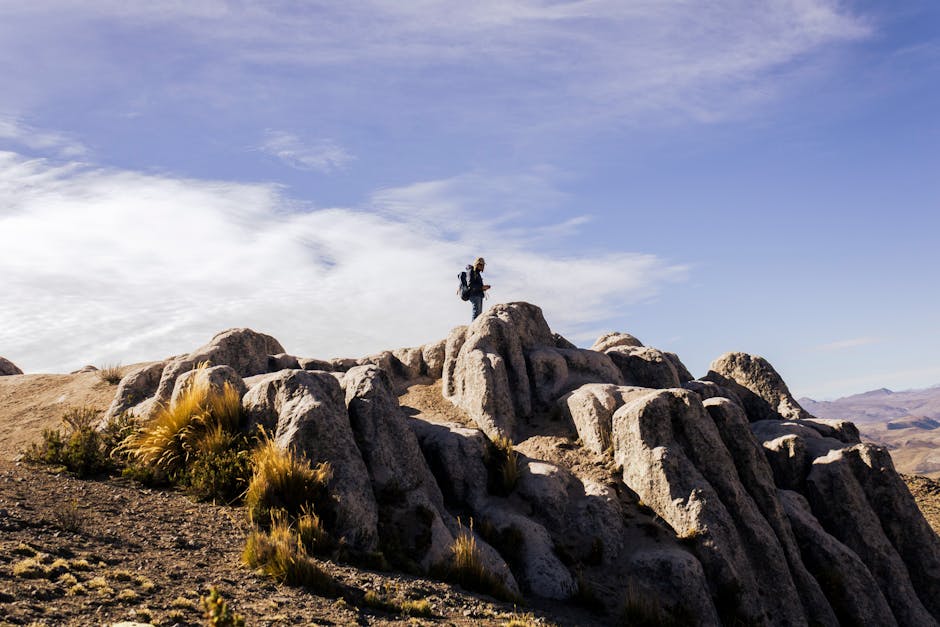
Patagonia spans the southern tip of South America, offering vast open spaces, glacial lakes, and towering peaks. While more challenging than Iceland or New Zealand, it rewards solo travelers with unparalleled wilderness experiences. Towns like El Chaltén (Argentina) and Puerto Natales (Chile) serve as base camps for adventurers.
Must-Do Treks
The Torres del Paine W-Trek in Chile is a 71-kilometer loop through one of the most photographed landscapes on Earth. It includes the iconic granite towers, Grey Glacier, and the French Valley. Well-marked trails and refugios (mountain huts) make it manageable for solo hikers.
In Argentina, the Fitz Roy Trek near El Chaltén offers shorter but equally stunning day hikes. The Laguna de los Tres route leads to a viewpoint directly above Mount Fitz Roy—best attempted in stable weather.
Travel Tips for Patagonia
Strong winds are common, especially in spring and summer. Secure your tent properly and avoid exposed ridges during gusts. Pack extra food and fuel, as services are sparse outside main towns.
Crossing between Chile and Argentina requires border checks. Carry your passport and be aware of seasonal road closures. Spanish is the primary language, so basic phrases or a translation app can be helpful.
Norway: Fjords, Forests, and Midnight Sun
Norway’s extensive trail network and emphasis on outdoor life make it a top choice for solo nature explorers. The concept of friluftsliv—open-air living—is deeply embedded in Norwegian culture, encouraging safe and respectful outdoor recreation.
Top Destinations for Solitude
The Trolltunga hike is legendary, but also crowded. For a quieter alternative, try the Romsdalseggan Ridge in Romsdal. This 10-kilometer ridge walk offers panoramic views of the Romsdalsfjord and is less frequented by tourists.
In the north, Lofoten Islands combine fishing villages with dramatic peaks. The Reinebringen hike is steep but short, delivering iconic views of Reine village and the surrounding fjords.
Seasonal Considerations
Summer (June–August) offers long daylight hours and mild weather, ideal for hiking. Winter brings snow and limited access, but opportunities for cross-country skiing and Northern Lights viewing. Always dress in layers and carry emergency supplies, even on short hikes.
Norway is expensive, but many trails are free and public transport is efficient. Use the NSB train system and local buses to reach trailheads. Hostels and cabins are widely available, though booking ahead is recommended.
Canada: Vast Wilderness and Friendly Communities
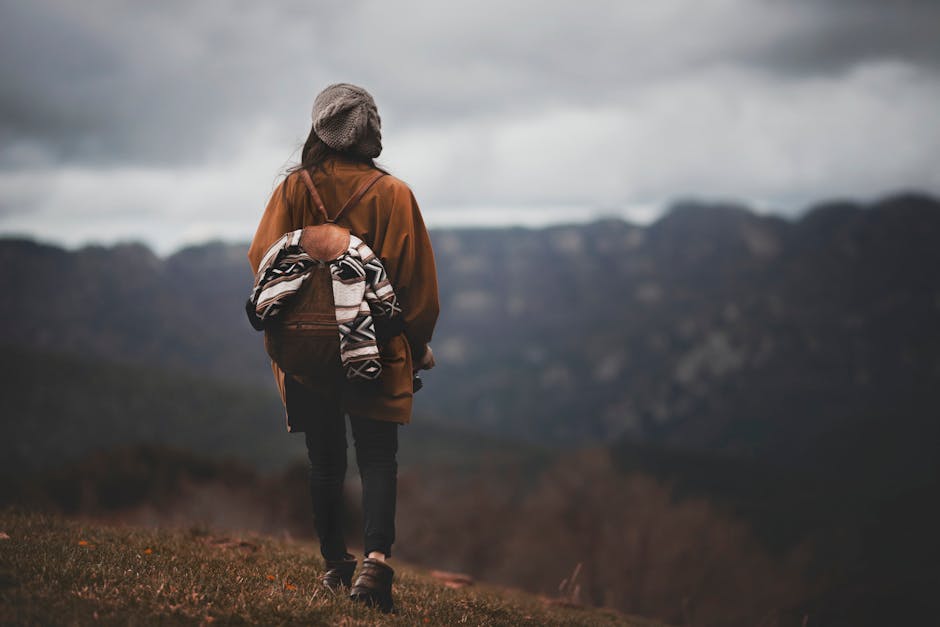
Canada’s national parks are vast, diverse, and well-managed, offering everything from coastal rainforests to Arctic tundra. The country’s low population density means true solitude is possible, even near popular trails.
Best Parks for Solo Travelers
Banff and Jasper National Parks in Alberta are linked by the Icefields Parkway, one of the most scenic drives in the world. Hikes like the Sentinel Pass in Moraine Lake or the Wilcox Pass near the Columbia Icefield offer alpine scenery with moderate difficulty.
For a more remote experience, head to Yoho National Park or Kootenay National Park. Trails like the Lake O’Hara Alpine Circuit require a reservation but reward hikers with turquoise lakes and mountain vistas.
Safety in Bear Country
Bears are present in most Canadian wilderness areas. Carry bear spray, make noise while hiking, and store food properly. Many parks require bear-proof containers for overnight trips.
Cell service is limited in parks. Download offline maps and share your plans with park staff or a trusted contact. Ranger stations often offer free safety briefings and trail updates.
Bhutan: High-Value, Low-Impact Adventure
Bhutan limits tourism through a daily tariff, which includes accommodation, meals, and a guide. While not budget-friendly, this model ensures high-quality experiences and environmental protection. Solo travelers benefit from personalized itineraries and deep cultural immersion.
Trekking in the Himalayas
The Druk Path Trek is a 5-day journey through forests, alpine meadows, and ancient monasteries. It connects Paro to Thimphu, with views of Gangkar Puensum—the world’s highest unclimbed peak.
Permits are required for all treks, and independent hiking is not allowed. However, your guide can tailor the pace and route to your interests, making it feel like a solo adventure within a supported framework.
Cultural Respect and Preparation
Dress modestly, especially near religious sites. Remove shoes before entering temples and avoid pointing your feet at sacred objects. Learn a few Dzongkha phrases—locals appreciate the effort.
Altitude sickness is a risk above 3,000 meters. Acclimatize gradually and stay hydrated. Most tour operators include medical support and emergency evacuation plans.
Japan: Ancient Trails and Modern Convenience
Japan blends ancient pilgrimage routes with modern infrastructure, making it surprisingly accessible for solo travelers. The country’s low crime rate and efficient transit system allow for safe, independent exploration.
The Kumano Kodo Pilgrimage
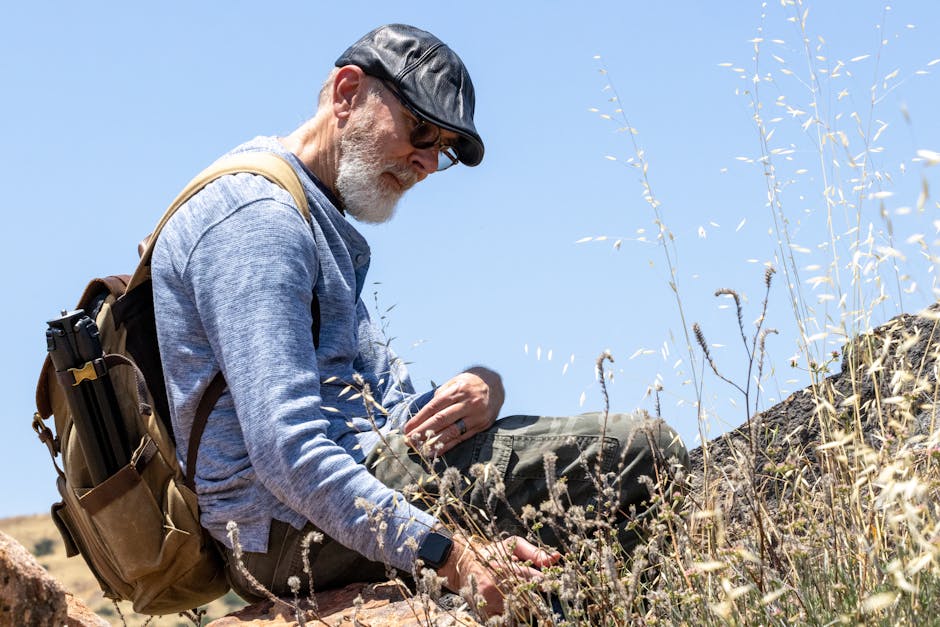
This UNESCO World Heritage trail network in the Kii Peninsula follows paths used for over 1,000 years. The Nakahechi Route is the most popular, linking coastal shrines with mountain temples. It’s well-marked and supported by ryokan (traditional inns) offering hot springs and local cuisine.
For a quieter experience, try the Kohechi Route, which crosses the mountains between Kumano and Koyasan. It’s more rugged and less traveled, but still well-maintained.
Practical Tips
English signage is common on major trails, but learning basic Japanese phrases helps. Carry cash, as many rural inns don’t accept cards. Respect local customs—remove shoes indoors and avoid loud conversations in sacred spaces.
Spring (cherry blossoms) and autumn (fall colors) are peak seasons. Summer is hot and humid, while winter can bring snow to higher elevations. Plan accordingly and check trail conditions.
Essential Tips for Solo Nature Explorers
No matter your destination, preparation is key to a safe and rewarding solo adventure. Start by researching local conditions, trail difficulty, and emergency procedures. Always carry a physical map, first-aid kit, and emergency communication device.
Share your itinerary with someone you trust. Check in regularly if possible, especially in remote areas. Trust your instincts—if a trail feels unsafe, turn back.
Pack light but smart. Include moisture-wicking clothing, a water filter, and high-energy snacks. Test your gear before departure to avoid surprises.
Finally, embrace the solitude. Solo travel in nature isn’t just about the destination—it’s about self-reliance, mindfulness, and connection with the natural world.
FAQ
Is it safe to hike alone in these destinations?
Yes, all the locations listed are generally safe for solo travelers. However, safety depends on preparation. Research trails, check weather, carry emergency gear, and inform others of your plans. Avoid risky behavior like hiking off-trail or ignoring warnings.
Do I need a guide for these adventures?
Not always. In countries like Iceland, New Zealand, and Norway, well-marked trails and infrastructure support independent travel. In Bhutan, a guide is mandatory. In remote areas like Patagonia, a guide can enhance safety and cultural understanding.
What’s the best time of year to visit these spots?
It varies by region. Summer (June–August) is ideal for Iceland, Norway, and Canada. New Zealand’s best months are October–April. Patagonia is best from November–March. Bhutan and Japan are great in spring and autumn. Always check seasonal conditions before booking.