Qatar Travel Guide: Best Attractions and Travel Tips
Qatar blends modern innovation with deep-rooted tradition, offering travelers a unique Middle Eastern experience. From futuristic skylines to vast deserts and cultural treasures, this compact Gulf nation packs a surprising amount into a small area. Whether you’re visiting for a layover or a full vacation, knowing where to go and what to expect makes all the difference. This guide covers top attractions, practical travel tips, and essential advice to help you explore Qatar confidently.
Why Visit Qatar?
Qatar is more than just a stopover on the way to Asia or Africa. It’s a destination in its own right, known for luxury shopping, world-class museums, and desert adventures. The country has invested heavily in tourism infrastructure, especially after hosting the FIFA World Cup in 2022. Today, visitors enjoy safe streets, efficient public transport, and a growing number of attractions that cater to all interests.
Unlike many neighboring countries, Qatar is relatively open to international tourists. Citizens of over 80 countries can enter visa-free or obtain an e-visa online. The climate is hot and dry most of the year, but indoor air-conditioned spaces and seasonal outdoor activities make travel comfortable year-round.
Top Attractions in Qatar
Museum of Islamic Art (MIA)
The Museum of Islamic Art in Doha is one of the finest cultural institutions in the Middle East. Designed by architect I.M. Pei, the building sits on its own island near the Corniche. Inside, you’ll find over 1,000 years of Islamic art, including ceramics, textiles, and manuscripts from Spain to Central Asia.
Entry is free, and the museum offers guided tours in English. Don’t miss the rooftop café with views of Doha’s skyline. The surrounding park is perfect for a quiet walk, especially in the early morning or late afternoon.
Souq Waqif
This restored traditional market is the heart of old Doha. Narrow alleys are lined with shops selling spices, perfumes, textiles, and handicrafts. You’ll also find restaurants serving authentic Qatari dishes like machboos (spiced rice with meat) and harees (wheat and meat porridge).
The souq comes alive at night, with live music and street performers. It’s a great place to shop for souvenirs or simply soak in the atmosphere. Be sure to visit the Falcon Souq nearby—a fascinating look into Qatar’s national bird and its role in local culture.
Katara Cultural Village
Katara is a cultural hub built to resemble a traditional Qatari village. It hosts art exhibitions, theater performances, and international festivals throughout the year. The amphitheater has welcomed global artists, and the beachfront promenade is ideal for evening strolls.
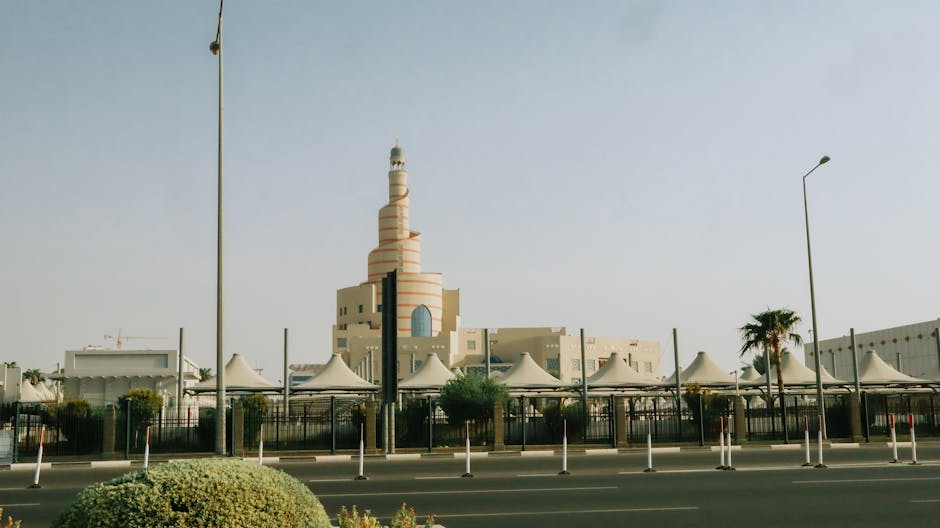
The village also features restaurants, a mosque with stunning architecture, and a dhow boat harbor. It’s a family-friendly destination with something for everyone, from art lovers to foodies.
The Pearl-Qatar
This artificial island is modeled after Mediterranean destinations like Venice and Dubai’s Palm Islands. It’s a residential and leisure complex with luxury apartments, high-end boutiques, and waterfront dining.
While not a traditional tourist attraction, The Pearl offers a glimpse into Qatar’s modern lifestyle. Rent a bike or take a stroll along the marina. Several cafes and restaurants offer outdoor seating with views of yachts and the Doha skyline.
Inland Sea (Khor Al Adaid)
A UNESCO-recognized natural reserve, the Inland Sea is a surreal landscape where desert dunes meet the sea. Located in southern Qatar, it’s accessible only by 4×4 vehicles. Most visitors join a guided desert safari that includes dune bashing, camel rides, and a traditional dinner under the stars.
Permits are required to enter the protected area, and tours typically depart in the late afternoon to catch the sunset. It’s a highlight for adventure seekers and nature lovers alike.
National Museum of Qatar
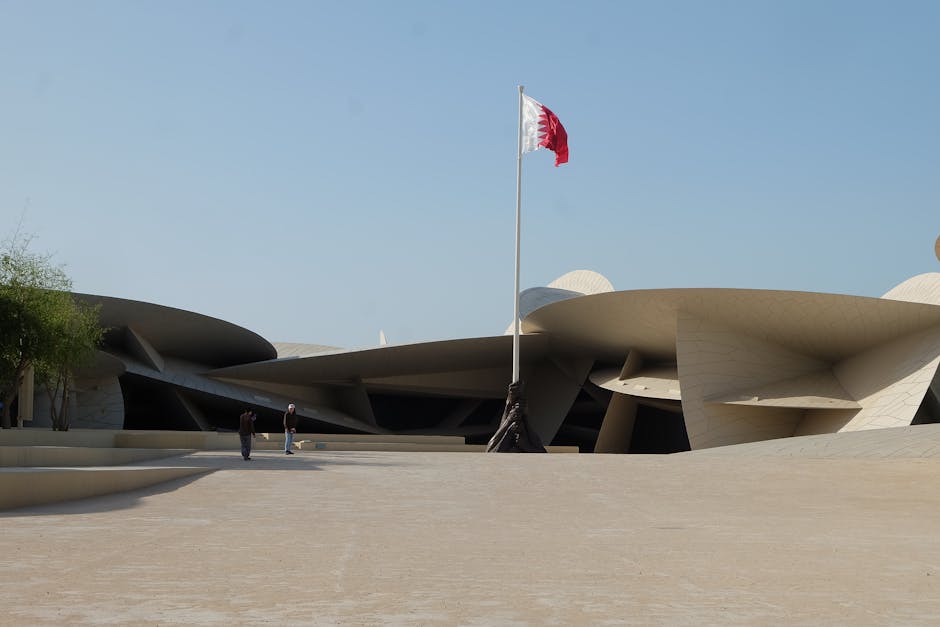
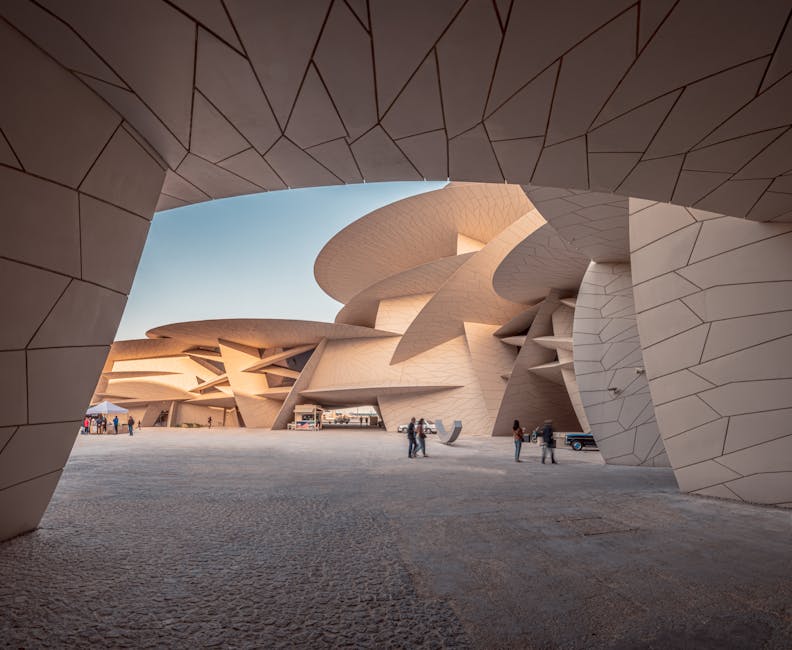
Inspired by the desert rose crystal, this museum tells the story of Qatar’s history, culture, and environment. The building itself is a work of art, designed by Jean Nouvel. Inside, interactive exhibits take you from prehistoric times to the modern era.
The museum’s immersive galleries use light, sound, and film to create a dynamic experience. Plan at least two hours to explore. The on-site café offers light meals with views of the surrounding gardens.
Getting Around Qatar
Public Transportation
Doha has a clean and efficient public transport system. The Doha Metro connects major areas like West Bay, MIA Park, and Hamad International Airport. Trains run frequently and are air-conditioned, making them a comfortable option even in summer.
Buses complement the metro, though routes can be confusing for first-time visitors. The Karwa Smartcard, available at metro stations, works on both buses and trains. Download the Mowasalat app for real-time schedules and trip planning.
Taxis and Ride-Hailing
Karwa is the official taxi service, with metered fares and air-conditioned vehicles. Uber and Careem also operate in Doha and are often cheaper than traditional taxis. Both apps allow cash or card payments.
For short trips within central Doha, taxis are convenient. For longer distances or airport transfers, pre-booking via app ensures a fixed fare and avoids haggling.
Car Rentals
Renting a car gives you freedom to explore beyond Doha, especially for trips to the desert or coastal areas. International driving permits are accepted, and roads are well-maintained. However, parking in central Doha can be limited and expensive.
Note that driving in Qatar requires caution. Speed limits are strictly enforced with cameras, and traffic can be aggressive during rush hours. Always carry your license, passport, and rental documents.
Best Time to Visit Qatar
The ideal time to visit Qatar is between November and March, when temperatures range from 20°C to 30°C (68°F to 86°F). This is peak tourist season, with outdoor festivals, beach activities, and desert excursions in full swing.
From April to October, temperatures often exceed 40°C (104°F), making outdoor sightseeing uncomfortable. Most attractions remain open, but many locals and tourists retreat indoors during the day. If you visit during summer, plan activities for early morning or evening.
Ramadan, the Islamic holy month, shifts each year based on the lunar calendar. During this time, eating, drinking, or smoking in public during daylight hours is prohibited for everyone, including non-Muslims. Many restaurants close during the day but open after sunset for iftar. It’s a unique cultural experience, but travelers should be respectful of local customs.
Cultural Etiquette and Travel Tips
Dress Code
Qatar is a Muslim country with conservative values, especially outside tourist zones. While Doha is modern and cosmopolitan, visitors should dress modestly in public areas. For women, this means covering shoulders and knees. Men should avoid sleeveless shirts and shorts in non-resort areas.
In hotels, malls, and tourist attractions, dress codes are more relaxed. However, when visiting mosques or local neighborhoods, cover up out of respect. The Grand Mosque in Doha offers free abayas for women who need them.
Photography
Always ask before photographing people, especially women. Avoid taking pictures of government buildings, military sites, or private residences. In Souq Waqif and Katara, photography is generally allowed, but be mindful of others’ privacy.
Drone use is strictly regulated and requires government approval. Flying drones without a permit can result in fines or confiscation.
Tipping
Tipping is not mandatory but appreciated in Qatar. In restaurants, a 10% service charge is often included. If service is exceptional, rounding up or leaving an extra 5–10% is common. For hotel staff, tour guides, and drivers, small tips in Qatari riyals are customary.
Language and Communication
Arabic is the official language, but English is widely spoken in business, tourism, and education. Signs in Doha are typically bilingual. Learning a few Arabic phrases like “Shukran” (thank you) or “Marhaban” (hello) is appreciated.
Wi-Fi is widely available in hotels, malls, and cafes. Consider purchasing a local SIM card from Ooredoo or Vodafone for reliable mobile data. Tourist SIMs are available at the airport and include data packages.
Food and Dining in Qatar
Qatari cuisine blends Bedouin traditions with influences from India, Iran, and the Levant. Staples include rice, lamb, fish, and dates. Don’t miss trying machboos, a fragrant dish of spiced rice with chicken or fish, often served at local restaurants.
For a taste of home, Doha has international restaurants from Italian to Japanese. Many hotels offer all-day dining with buffet options. Street food is limited, but food trucks and cafes in Souq Waqif serve shawarma, falafel, and fresh juices.
Alcohol is available only in licensed hotel bars and restaurants. It’s not sold in supermarkets or convenience stores. Public intoxication is illegal, and drinking in public spaces can lead to fines or arrest.
Shopping in Qatar
Qatar is a shopper’s paradise, with everything from luxury brands to traditional crafts. Villaggio Mall in Doha resembles an Italian village, complete with a canal and gondolas. It houses international retailers like Zara, H&M, and high-end boutiques such as Gucci and Prada.
For local products, visit the MIA Park Art Market on Fridays or the Souq Waqif handicraft section. Look for camel wool blankets, Arabic coffee sets, and handmade jewelry. Bargaining is expected in traditional markets but not in malls.
Qatar Duty Free at Hamad International Airport is one of the best in the world. It offers competitive prices on electronics, cosmetics, and alcohol. Arrive early to browse, as queues can be long during peak travel times.
Safety and Health
Qatar is one of the safest countries in the world, with low crime rates and a strong police presence. Petty theft is rare, but keep an eye on your belongings in crowded areas like souqs and metro stations.
Medical care is high-quality and widely available. Public hospitals are free for residents, but tourists should have travel insurance that covers medical expenses. Pharmacies are plentiful, and common medications are available over the counter.
Tap water is safe to drink, but many locals and visitors prefer bottled water. During summer, stay hydrated and avoid prolonged sun exposure. Sunscreen, hats, and light clothing are essential.
Day Trips and Nearby Destinations
Al Zubarah Fort
This UNESCO World Heritage Site is a 90-minute drive from Doha. Once a thriving pearl diving and trading center, the fort ruins offer a glimpse into 18th-century Gulf life. The visitor center has exhibits on archaeology and maritime history.
The site is exposed and can be hot, so visit early in the morning. Bring water, sunscreen, and a hat. Photography is allowed, and the surrounding desert landscape is photogenic.
Fuwayrit and the Northern Coast
This quiet fishing village is known for its white mosque and scenic coastline. It’s a peaceful escape from the city, with seafood restaurants and views of the Persian Gulf. The area is popular with locals for weekend picnics.
Nearby, the Ras Laffan Industrial City is off-limits to tourists, but the coastal road offers views of gas terminals and tankers. Drive carefully and respect restricted zones.
Al Khor
About 50 kilometers north of Doha, Al Khor is a historic town with a working harbor and a small museum. The Al Khor Museum showcases traditional boats, fishing tools, and archaeological finds.
The town has a relaxed vibe and several seafood restaurants. It’s a good stop if you’re driving to or from the north. The Corniche here is less crowded than in Doha.
Travel Tips for a Smooth Trip
- Book accommodations early during peak season (November–March) or major events.
- Download essential apps: Google Maps, Uber/Careem, Mowasalat, and Qatar Airways (for flight updates).
- Carry cash in Qatari riyals for small purchases, tips, and markets. Cards are widely accepted elsewhere.
- Respect local customs, especially during Ramadan or religious holidays.
- Stay connected with a local SIM or international roaming plan.
FAQ
Do I need a visa to visit Qatar?
Citizens of over 80 countries can enter Qatar visa-free for up to 30 days. Others can apply for an e-visa online through the official portal. Check the Qatar Visa Portal for the latest requirements.
Is Qatar safe for solo travelers?
Yes, Qatar is very safe for solo travelers, including women. Crime rates are low, and public spaces are well-lit and monitored. Use common sense, especially at night, and avoid isolated areas.
Can I drink alcohol in Qatar?
Alcohol is available only in licensed hotel bars and restaurants. It is not sold in stores, and public drinking is prohibited. Drinking and driving is strictly enforced with severe penalties.