Adventure Travel Guide with Smart Budgeting and Packing Tips
Planning an adventure trip doesn’t have to drain your wallet or overstuff your backpack. With smart budgeting and strategic packing, you can explore remote trails, rugged mountains, and hidden coastal villages without sacrificing comfort or safety. This adventure travel guide walks you through cost-saving strategies, essential gear choices, and practical preparation steps to help you travel farther on less. Whether you’re trekking through Patagonia, island-hopping in Greece, or road-tripping across Southeast Asia, these tips ensure you’re ready—without overspending.
Why Smart Budgeting Matters for Adventure Travel
Adventure travel often comes with hidden costs—unexpected transport fees, last-minute gear rentals, or pricey meals in tourist-heavy zones. Without a clear budget, even a short trip can spiral. Smart budgeting helps you prioritize experiences over expenses, so you spend on what truly matters: the journey, not the junk.
Start by setting a daily spending limit based on your destination. For example, a week in Nepal might cost $35 per day, while a similar trip in Iceland could run $120. Research local prices for food, lodging, and activities ahead of time. Use apps like Numbeo or Google Travel to compare costs across cities.
Track Every Expense from Day One
Use a simple spreadsheet or a budgeting app like Trail Wallet or Splitwise to log every purchase. Include small items—snacks, SIM cards, bus tickets—because they add up fast. Review your spending every few days to stay on track.
Set aside 10–15% of your total budget as an emergency fund. This covers unexpected delays, medical needs, or gear replacements. It’s not optional—it’s essential.
Save on Accommodation Without Sacrificing Safety
Hostels, guesthouses, and homestays are budget-friendly and often more authentic than hotels. Look for places with kitchen access to cook your own meals. In rural areas, consider camping if permitted and safe.
Avoid booking the cheapest option without reading recent reviews. A $5 room with no lockers or clean water isn’t a deal—it’s a risk. Use platforms like Hostelworld or Booking.com with filters for safety, location, and guest ratings.
Cut Transport Costs with Local Options
Skip private transfers and tours when public transport is reliable. In Vietnam, a $2 local bus can take you farther than a $50 private van. In Peru, colectivos (shared taxis) are fast and cheap between towns.
Walk or bike when possible. Many adventure destinations—like Queenstown, New Zealand, or Banff, Canada—have compact town centers perfect for exploring on foot. Renting a bike for a day often costs less than a single taxi ride.
Smart Packing: Light, Smart, and Ready
Packing light isn’t just about saving space—it’s about moving freely. A heavy backpack slows you down, increases fatigue, and limits your options. The goal is to carry only what you’ll actually use.
Most adventurers overpack by 30–50%. Avoid this by planning outfits around versatility and climate. Stick to a color scheme (neutral tones work best) so pieces mix and match easily.
Choose the Right Backpack
For multi-day trips, a 40–60 liter backpack with a padded hip belt and adjustable straps is ideal. Brands like Osprey, Deuter, and Gregory offer durable, ergonomic designs. Avoid oversized bags—they encourage overpacking.
Test your pack before you go. Load it with your gear and walk around for 20 minutes. If your shoulders ache or the pack shifts, adjust the fit or consider a different model.
Pack Multi-Use Items
Every item should serve at least two purposes. A sarong can be a towel, blanket, scarf, or picnic mat. Merino wool socks work for hiking, sleeping, and casual wear. A bandana doubles as a headband, dust mask, or makeshift sling.
Skip single-use gadgets. A compact headlamp with red-light mode is better than separate flashlight and lantern. A lightweight travel towel dries fast and takes up less space than a regular one.
Clothing: Less Is More
Pack 3–4 tops, 2–3 bottoms, and 1–2 layers for warmth. Choose quick-dry, moisture-wicking fabrics like polyester or merino wool. Avoid cotton—it stays wet and takes hours to dry.
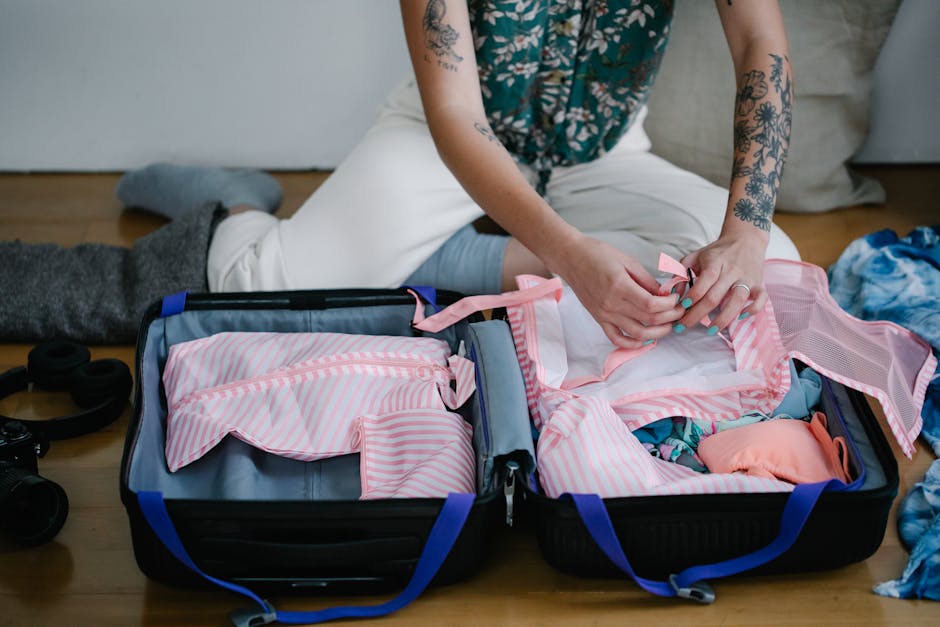
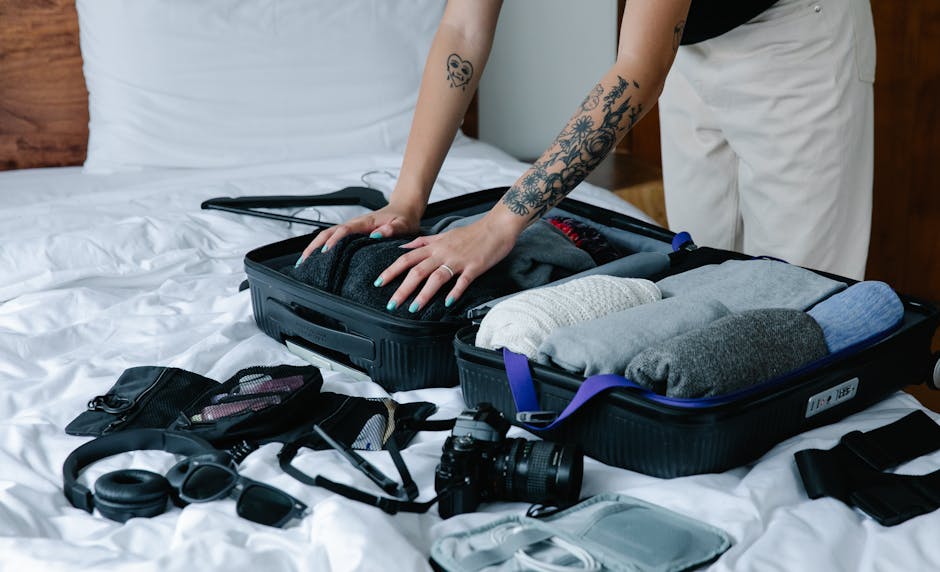
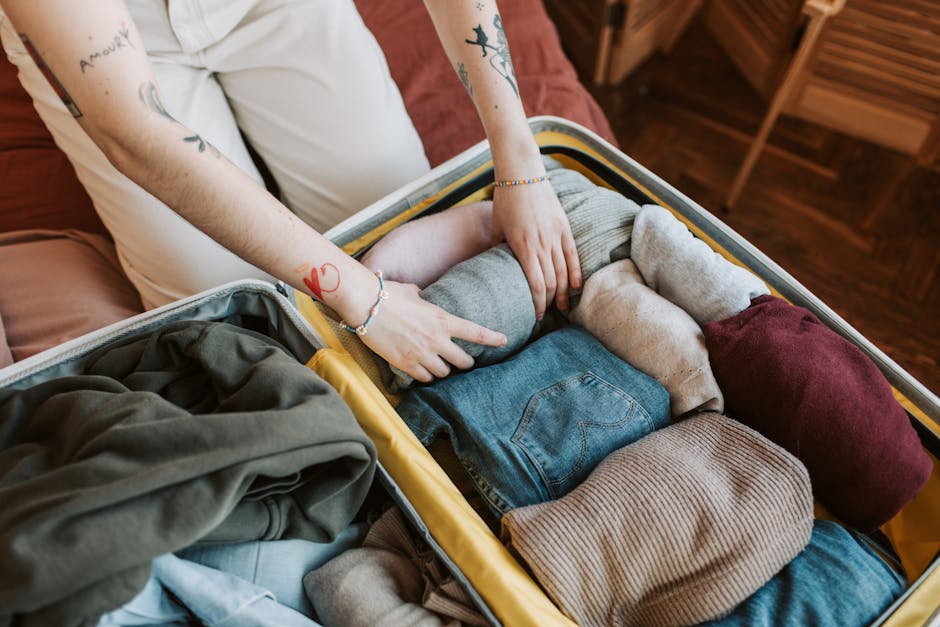
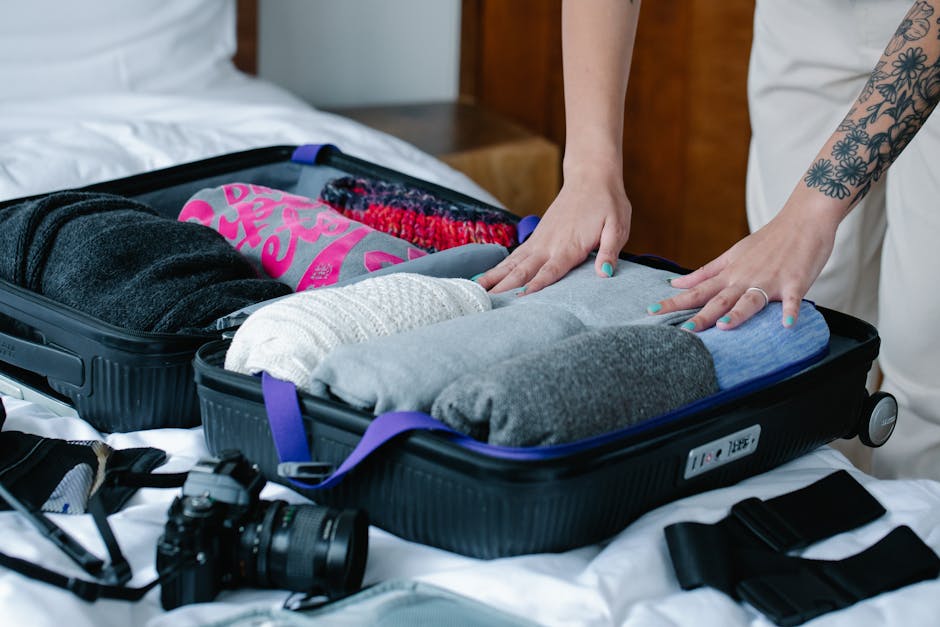
Roll clothes instead of folding to save space and reduce wrinkles. Use packing cubes to organize by category: tops, underwear, sleepwear. This makes finding items faster and keeps your bag tidy.
Footwear: One Solid Pair (Maybe Two)
Bring one reliable pair of broken-in hiking shoes or trail runners. They should grip well, support your ankles, and dry quickly. Avoid new shoes—blisters can ruin a trip.
If you’re visiting beaches or cities, add lightweight sandals or slip-ons. But skip extra sneakers or boots unless absolutely necessary. Every ounce counts.
Essential Gear That Won’t Break the Bank
You don’t need top-tier gear to stay safe. A $20 first-aid kit with bandages, antiseptic, and blister care is enough for minor issues. A $15 water filter like the Sawyer Mini removes bacteria and protozoa from streams and taps.
Invest in a good headlamp ($25–$40) with long battery life. Avoid cheap models that flicker or die quickly. A compact power bank (10,000mAh) keeps your phone charged for navigation and emergencies.
Budget-Friendly Adventure Destinations
Some places offer big adventures for small budgets. These destinations combine low costs with high rewards—stunning landscapes, rich culture, and real adventure.
Nepal: Himalayan Treks on a Budget
The Annapurna Circuit or Langtang Valley trek costs under $40 per day, including teahouse stays and meals. Local guides charge $20–$30 per day—cheaper than Western operators. Fly into Kathmandu and take a local bus to trailheads.
Avoid peak seasons (October–November) if you want lower prices and fewer crowds. Spring (March–April) offers clear skies and moderate temperatures.
Portugal: Coastal Hikes and Hidden Villages
The Rota Vicentina in the Alentejo region offers dramatic cliffs and quiet beaches. Hostels and rural guesthouses cost €20–€35 per night. Local trains connect major trail towns like Sagres and Zambujeira.
Pack a picnic—markets sell fresh bread, cheese, and fruit for under €10. Many trails have water refill stations, so carry a reusable bottle.
Guatemala: Jungle Ruins and Volcanic Lakes
Explore Tikal’s Mayan temples or hike around Lake Atitlán for under $50 per day. Stay in family-run posadas for $15–$25. Local buses (chicken buses) are cheap but slow—plan extra time.
Buy a local SIM card for $5–$10. It gives you data for maps, translation, and emergency calls. Avoid international roaming fees.
How to Save on Food Without Missing Out
Eating out every meal adds up fast. But you don’t have to live on instant noodles. Smart food choices let you enjoy local flavors while staying within budget.
Cook When You Can
Choose accommodations with kitchens. In hostels or guesthouses, cook simple meals like pasta, stir-fries, or oatmeal. Buy ingredients at local markets—they’re cheaper and fresher than tourist cafes.
In Southeast Asia, markets sell rice, vegetables, and spices for pennies. In Europe, supermarkets like Lidl or Aldi offer affordable meal kits.
Eat Where the Locals Eat
Avoid restaurants near major attractions. Walk 5–10 minutes away to find smaller, family-run spots with lower prices and better food. Look for places with long lines of locals—it’s a good sign.
In Morocco, street food like tagine or harira soup costs $1–$3. In Peru, a menu del día (daily set meal) includes soup, main, and drink for under $5.
Stay Hydrated Without Buying Bottles
Carry a reusable water bottle with a built-in filter. In countries with unsafe tap water, this saves money and reduces plastic waste. Brands like LifeStraw or Grayl are reliable and lightweight.
Boil water if no filter is available. A small camping stove lets you purify water anywhere. Just 5 minutes of boiling kills most pathogens.
Safety Tips That Save Money
Preventing problems is cheaper than fixing them. A few smart choices can avoid costly emergencies.
Get Travel Insurance—Seriously
Don’t skip insurance. A single hospital visit can cost thousands. Look for plans that cover adventure activities like hiking, kayaking, or rock climbing. World Nomads and SafetyWing are popular among travelers.
Read the fine print. Some policies exclude high-altitude trekking or water sports. Make sure your plan matches your itinerary.
Share Your Plans
Tell someone your route and expected return time. Use apps like Gaia GPS or Maps.me to share your location. If you’re hiking solo, check in daily via text or messaging app.
Carry a physical map and compass. Phones die, signals drop. Knowing how to navigate manually could save your life.
Avoid Risky Shortcuts
Unmarked trails, unlicensed guides, or overcrowded boats may seem cheaper—but they’re dangerous. Stick to established routes and reputable operators. A $10 safety fee is worth it.
In remote areas, inform local authorities of your plans. In Nepal, register at trail checkpoints. In Chile, check in with park rangers before entering national parks.
Final Tips for a Smooth Adventure
Preparation is the difference between a stressful trip and a great one. These final steps ensure you’re ready for anything.
Test Your Gear Before You Go
Set up your tent, test your stove, and charge all devices at home. Fix any issues before departure. There’s no tech support on a mountain trail.
Break in new shoes with short walks. Nothing ruins a hike like blisters on day one.
Pack a Mini Repair Kit
Include duct tape (wrap around a water bottle), safety pins, zip ties, and a needle with thread. These fix torn packs, broken straps, or loose seams in minutes.
A small tube of super glue can seal cracked water bottles or gear parts. Keep it in a waterproof bag.
Leave Room for Souvenirs
Pack lightly so you have space for local crafts, maps, or photos. Avoid buying bulky items—they’re hard to carry and often break.
Take digital photos instead. They’re free, lightweight, and last forever.
FAQ
How much should I budget per day for adventure travel?
Daily budgets vary by destination. In Southeast Asia or Central America, $30–$50 is realistic. In Europe or North America, expect $70–$120. Include lodging, food, transport, and activities. Always add 10–15% for emergencies.
What’s the most important item to pack for adventure travel?
A reliable water filtration system. Clean water is essential for health and safety. A filter or purification tablets prevent illness and reduce plastic waste. Pair it with a reusable bottle.
Can I adventure travel solo on a tight budget?
Yes. Choose safe, well-traveled routes with good infrastructure. Stay in hostels to meet others and split costs. Use public transport and cook your own meals. Always share your itinerary with someone back home.