Kenya Travel Guide: Best Safari Tours and Travel Tips
Planning a safari in Kenya? This guide covers everything you need to know—from top wildlife reserves and recommended tour operators to essential packing tips and safety advice. Whether you’re seeking the Big Five in the Maasai Mara or a cultural encounter with local communities, Kenya offers unforgettable experiences for every traveler. We’ll help you choose the right safari, avoid common pitfalls, and make the most of your East African adventure.
Why Choose Kenya for Your Safari?
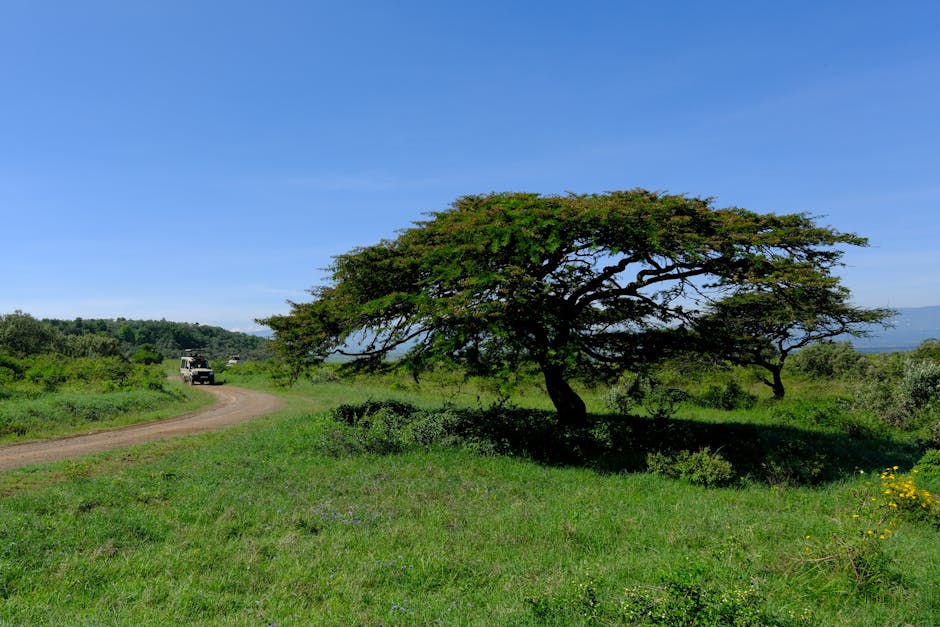
Kenya is one of Africa’s premier safari destinations, renowned for its vast savannas, diverse wildlife, and rich cultural heritage. The country hosts over 50 national parks and reserves, each offering unique landscapes and animal encounters. Unlike some neighboring countries, Kenya’s infrastructure supports smooth travel, with well-maintained roads, reliable guides, and a range of accommodations from luxury lodges to budget camps.
The annual wildebeest migration—often called the greatest wildlife spectacle on Earth—draws thousands of visitors to the Maasai Mara between July and October. But Kenya’s appeal extends beyond migration season. Year-round, parks like Amboseli, Tsavo, and Samburu deliver consistent sightings of lions, elephants, leopards, and more.
Wildlife Highlights
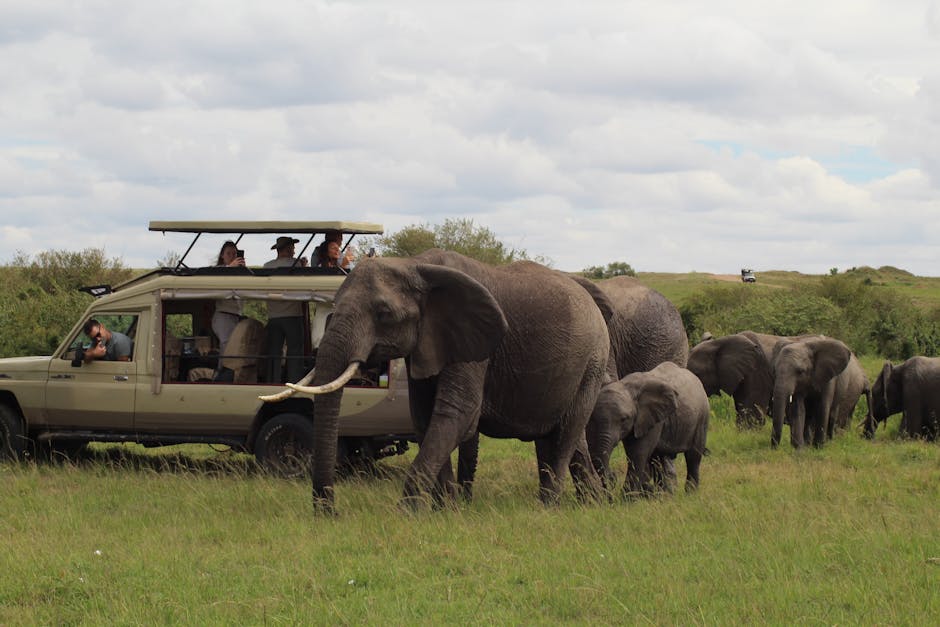
Kenya is home to the Big Five: lion, leopard, rhinoceros, elephant, and Cape buffalo. The Maasai Mara National Reserve is particularly famous for its high density of predators, especially lions and cheetahs. Amboseli National Park offers unparalleled views of elephants with Mount Kilimanjaro as a backdrop. Meanwhile, Lake Nakuru in the Rift Valley is a haven for flamingos and endangered rhinos.
Birdwatchers will find over 1,000 species across Kenya’s varied ecosystems. Coastal regions like Watamu and Malindi are ideal for spotting fish eagles, herons, and migratory birds. Even urban Nairobi hosts the Nairobi National Park, where giraffes and zebras roam just 7 kilometers from the city center.
Top Safari Destinations in Kenya
Choosing the right park depends on your interests, budget, and travel style. Below are five standout destinations that cater to different preferences.
Maasai Mara National Reserve
The Maasai Mara is Kenya’s most famous safari destination. Covering 1,510 square kilometers, it borders Tanzania’s Serengeti and forms part of a larger ecosystem. The reserve is best known for the Great Migration, when over 1.5 million wildebeest, zebras, and gazelles cross the Mara River—often pursued by crocodiles and big cats.
Game drives here are highly productive, with sightings of lions, leopards, and cheetahs common even outside peak season. Many lodges offer night drives and guided walks, though these are restricted in some conservancies. For a more exclusive experience, consider staying in a private conservancy adjacent to the reserve, where vehicle numbers are limited.
Amboseli National Park
Amboseli is celebrated for its large elephant herds and stunning views of Mount Kilimanjaro. The park’s swamps and open plains attract a variety of wildlife, including buffaloes, giraffes, and hippos. Its relatively small size—392 square kilometers—makes it easy to navigate, and sightings are frequent even on short visits.
Unlike the Maasai Mara, Amboseli allows night game drives, giving visitors a chance to see nocturnal species like bush babies and genets. The park is also a great base for cultural visits to nearby Maasai villages, where you can learn about traditional customs and crafts.
Tsavo National Parks (East and West)
Tsavo is Kenya’s largest protected area, split into Tsavo East and Tsavo West. Together, they span over 21,000 square kilometers—larger than Wales. Tsavo East is known for its red elephants, dust-covered landscapes, and the Yatta Plateau, the world’s longest lava flow.
Tsavo West offers more varied terrain, including the Mzima Springs, a natural oasis with underwater viewing hides. Both parks are less crowded than the Maasai Mara, making them ideal for travelers seeking solitude. However, infrastructure is more limited, so self-driving requires careful planning.
Samburu National Reserve
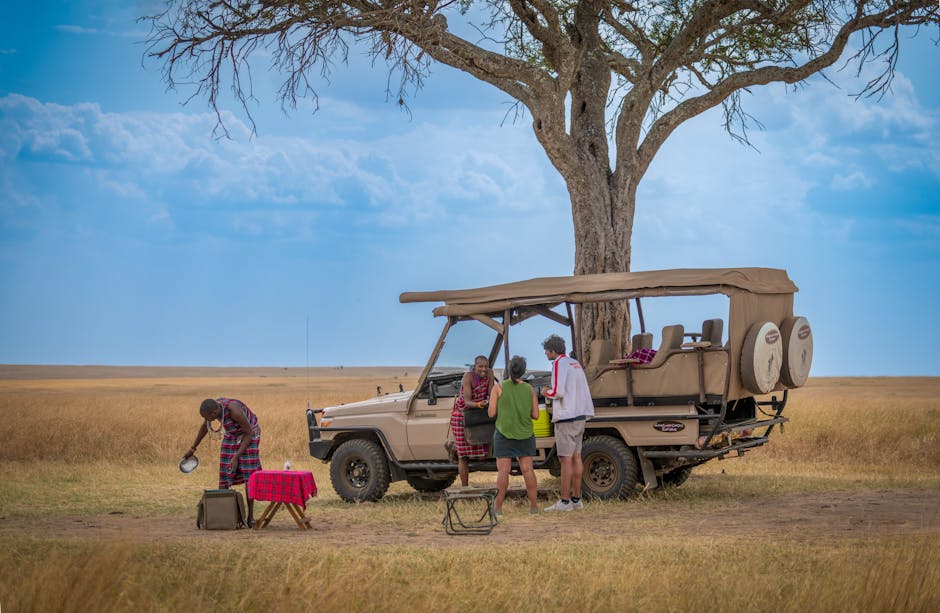
Located in northern Kenya, Samburu is home to species not commonly found elsewhere, such as the Grevy’s zebra, Somali ostrich, and reticulated giraffe. The Ewaso Ng’iro River supports a rich ecosystem, attracting elephants, crocodiles, and hippos.
The arid landscape contrasts sharply with the lush Mara, offering a different safari aesthetic. Lodges here often emphasize conservation and community engagement. It’s also a prime spot for photography, with dramatic lighting and unique wildlife compositions.
Lake Nakuru National Park
Situated in the Rift Valley, Lake Nakuru is famous for its flocks of pink flamingos that line the alkaline waters. The park also protects endangered black and white rhinos, with a successful breeding program in place. Lions and leopards are occasionally spotted along the forested ridges.
Because the park is fenced, night drives are not permitted, but day game drives are highly rewarding. The compact size allows for full coverage in a few hours, making it a popular stop on multi-park itineraries.
Choosing the Right Safari Tour
With so many options, selecting a safari tour can feel overwhelming. Here’s how to narrow down your choices based on your priorities.
Group vs. Private Safaris
Group safaris are more affordable and social, often joining other travelers in shared vehicles. They’re ideal for budget-conscious tourists or those looking to meet new people. However, group size can limit flexibility and photo opportunities.
Private safaris offer personalized itineraries, dedicated guides, and the freedom to linger at sightings. They’re worth the extra cost for families, honeymooners, or photography enthusiasts. Most operators allow customization of activities, from hot air balloon rides to bush dinners.
Lodge vs. Camping Safaris
Lodge safaris provide comfort, amenities, and often gourmet meals. Accommodations range from mid-range hotels to luxury tented camps with en-suite bathrooms and private decks. These are best for travelers who value convenience and relaxation after game drives.
Camping safaris are more immersive and economical. Tents are usually set up in designated campsites within parks, offering a closer connection to nature. While basic, many camps provide hot showers, comfortable beds, and hearty meals. This option suits adventurous travelers and those on a tighter budget.
Duration and Itinerary
Most safaris last between 3 and 7 days. A 3-day trip typically focuses on one park, such as the Maasai Mara. A 7-day itinerary might combine two or three parks, like Amboseli, Nakuru, and the Mara. Longer trips allow for deeper exploration and reduce travel fatigue.
Consider adding a beach extension at the end. Coastal destinations like Diani Beach or Lamu offer relaxation after days in the bush. Some operators bundle safari and beach packages for convenience.
Essential Travel Tips for Kenya
A successful safari depends on preparation. These practical tips will help you avoid common mistakes and stay safe.
Best Time to Visit
The dry season, from June to October, is ideal for wildlife viewing. Animals gather around water sources, making them easier to spot. This period also coincides with the wildebeest migration in the Maasai Mara. However, it’s also peak tourist season, so book accommodations and tours well in advance.
The wet season (November to May) brings lush landscapes and lower prices. While some roads may be muddy, many parks remain accessible. Birdlife is especially abundant during this time. Short rains in November and April are usually brief and don’t disrupt travel significantly.
What to Pack
Pack light but smart. Neutral-colored clothing (khaki, beige, green) helps you blend into the environment and avoid attracting insects. Include a wide-brimmed hat, sunglasses, and a lightweight scarf for dust protection.
Essential gear includes binoculars, a good camera with extra batteries, and a power bank. Don’t forget sunscreen, insect repellent, and any prescription medications. A small first-aid kit with bandages and antiseptic is also wise. Most lodges provide towels and toiletries, but check ahead.
Health and Safety
Malaria is present in most safari areas. Consult your doctor about antimalarial medication before traveling. Vaccinations for yellow fever, typhoid, and hepatitis A are recommended. Carry a copy of your vaccination certificate, as some countries require proof for entry.
Drink only bottled or purified water. Avoid raw vegetables and unpeeled fruits. Stick to cooked meals and sealed beverages. In parks, always follow your guide’s instructions—never approach or feed wild animals.
Kenya is generally safe for tourists, but petty crime can occur in cities. Keep valuables secure, avoid walking alone at night, and use registered taxis or hotel transport. Register with your embassy upon arrival for added security.
Visa and Entry Requirements
Most travelers need a visa to enter Kenya. Citizens of the US, UK, Canada, Australia, and EU countries can obtain an e-visa online before departure. The process is straightforward and typically approved within 3–5 business days.
Your passport must be valid for at least six months beyond your arrival date. You’ll also need proof of onward travel and sufficient funds for your stay. Border officials may ask about your accommodation and itinerary.
Cultural Etiquette and Responsible Tourism
Respecting local customs enhances your experience and supports sustainable travel. The Maasai and other indigenous communities play a vital role in conservation and tourism.
Interacting with Local Communities
When visiting villages, always ask for permission before taking photos. Many communities charge a small fee for cultural tours, which supports local schools and clinics. Avoid giving gifts directly to children, as this can encourage dependency. Instead, donate through reputable organizations.
Dress modestly, especially in rural areas. Women should cover shoulders and knees. Learning a few Swahili phrases—like “Jambo” (hello) and “Asante” (thank you)—goes a long way in building rapport.
Supporting Conservation
Choose tour operators that contribute to wildlife protection and community development. Many lodges fund anti-poaching units, employ local staff, and run education programs. Avoid attractions that exploit animals, such as elephant rides or cub petting.
Minimize your environmental impact by using refillable water bottles, avoiding single-use plastics, and staying on designated tracks during game drives. Even small actions help preserve Kenya’s natural heritage for future generations.
Budgeting for Your Kenya Safari
Safari costs vary widely based on duration, accommodation, and activities. Here’s a realistic breakdown to help you plan.
Cost Ranges
Budget safaris start around $150–$250 per person per day. These typically include camping, shared transport, and basic meals. Mid-range options ($300–$500/day) offer lodge stays, private vehicles, and more comfort. Luxury safaris can exceed $1,000/day, with high-end camps, gourmet dining, and exclusive experiences.
Flights from major cities like Nairobi or Mombasa are usually extra. Domestic flights between parks cost $100–$300 per leg. Self-drive safaris are possible but require a 4×4 vehicle, GPS, and detailed planning.
Hidden Costs to Watch For
Park entrance fees are often not included in tour prices. These range from $50 to $80 per person per day, depending on the reserve. Conservancy fees in private areas can add $100–$150 per night. Always confirm what’s included in your package.
Tips for guides and drivers are customary—typically $10–$15 per person per day. Porter fees at airports and hotels are small but appreciated. Wi-Fi is limited in remote areas, so download maps and entertainment beforehand.
Final Thoughts
A safari in Kenya is more than a vacation—it’s a journey into the heart of wild Africa. With careful planning, you can experience breathtaking wildlife, stunning landscapes, and meaningful cultural exchanges. Whether you’re tracking lions at sunrise or sipping tea under acacia trees, Kenya leaves a lasting impression.
Use this guide to choose the right destinations, tours, and preparations for your adventure. Book early, pack wisely, and travel with respect. Your Kenya safari awaits.
FAQ
When is the best time to see the wildebeest migration in Kenya?
The migration typically peaks in the Maasai Mara from July to October, with river crossings most common in August and September. Exact timing varies yearly based on rainfall and grass conditions.
Do I need a visa to visit Kenya?
Yes, most travelers require a visa. You can apply online for an e-visa, which is usually processed within a few days. Check the official Kenyan immigration website for the latest requirements.
Is it safe to drink tap water in Kenya?
No, avoid tap water. Drink only bottled or purified water, and avoid ice in drinks unless you’re sure it’s made from safe water. Stick to sealed beverages when possible.