
Adventure Travel Tips for Safe and Fun Outdoor Experiences
Planning an outdoor adventure? Whether you’re hiking a mountain trail, kayaking a remote river, or backpacking through the wilderness, safety and enjoyment go hand in hand. The key to a successful trip lies in preparation, awareness, and smart decision-making. This guide covers essential adventure travel tips to help you stay safe while making the most of your outdoor experience. From packing the right gear to understanding weather patterns, these practical strategies will prepare you for the unexpected and keep your journey both thrilling and secure.
Plan Ahead: Research and Preparation
Before stepping onto the trail or into the wild, thorough planning is your first line of defense. Start by researching your destination—know the terrain, elevation, typical weather, and any seasonal hazards. Check official park websites, trail reports, and local advisories for up-to-date information.
Create a detailed itinerary that includes your route, expected travel times, rest stops, and emergency exit points. Share this plan with someone trustworthy who isn’t joining you. If something goes wrong, they’ll know where to send help.
Know Your Limits
Be honest about your fitness level and outdoor experience. Choose activities that match your abilities. A beginner shouldn’t attempt a multi-day alpine trek without prior training or guidance. Overestimating your capacity can lead to exhaustion, injury, or dangerous situations.
Start small. If you’re new to backpacking, try a one-night trip on a well-marked trail before tackling remote areas. Build confidence and skills gradually. Remember, adventure isn’t about pushing limits recklessly—it’s about enjoying nature responsibly.
Check the Weather—Then Check Again
Weather in natural environments can change rapidly. A sunny morning can turn into a thunderstorm by afternoon, especially in mountainous regions. Always check the forecast before you leave, but don’t rely on it completely.
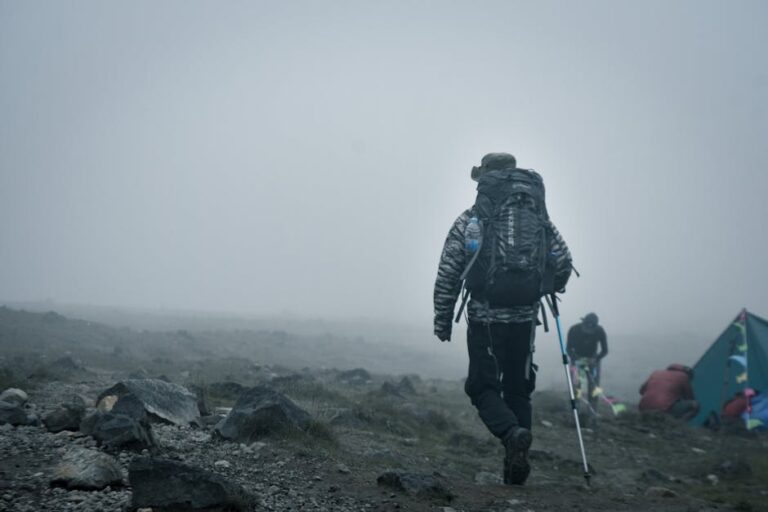
Pack for all conditions. Even in summer, high-altitude areas can drop below freezing at night. Bring layers, rain gear, and sun protection. If severe weather is predicted, consider postponing your trip. No view is worth risking hypothermia or lightning exposure.
Pack Smart: Essential Gear for Every Adventure
The right equipment can make or break your trip. Focus on quality over quantity, but don’t cut corners on safety items. A well-packed bag includes navigation tools, shelter, food, water, and emergency supplies.
Start with the basics: a reliable backpack, sturdy footwear, and weather-appropriate clothing. Choose moisture-wicking fabrics that dry quickly and avoid cotton, which retains water and increases the risk of hypothermia.

Navigation Tools You Can’t Live Without
Even on marked trails, it’s easy to get disoriented. Always carry a map and compass—and know how to use them. GPS devices and smartphone apps are helpful, but they can fail due to battery drain or poor signal.
Download offline maps before you go. Apps like Gaia GPS or AllTrails allow you to save routes without cell service. Mark waypoints for key locations like trailheads, water sources, and campsites.
Shelter and Sleep Systems
Your shelter should match the environment. For summer hikes, a lightweight tarp or bivy sack may suffice. In colder or wetter climates, a four-season tent is essential. Practice setting it up at home to avoid fumbling in the dark or rain.
Pair your shelter with a sleeping bag rated for the expected low temperatures. Add a sleeping pad for insulation from the ground. A good night’s sleep keeps you alert and resilient during the day.
Food and Water: Fuel and Hydration
Pack high-calorie, non-perishable foods like nuts, dried fruit, energy bars, and dehydrated meals. Bring 20–30% more food than you think you’ll need in case your trip takes longer than expected.
Water is critical. Carry at least two liters and a filtration system—pump, gravity filter, or UV purifier. Treat all natural water sources, even if they look clean. Giardia and other pathogens are common in streams and lakes.
Stay Safe: Risk Management in the Wild
Safety isn’t just about gear—it’s about mindset. Stay alert, make informed decisions, and know when to turn back. Many accidents happen because people ignore warning signs or underestimate risks.
Always carry a first-aid kit tailored to your activity. Include bandages, antiseptic, blister treatment, pain relievers, and any personal medications. Learn basic wilderness first aid, including how to treat sprains, cuts, and heat exhaustion.
Wildlife Awareness
Respect wildlife by keeping your distance. Never feed animals—it’s dangerous for both you and them. Store food in bear-resistant containers or hang it properly in bear country.
Know how to react to encounters. With bears, make noise while hiking and carry bear spray. If you see one, back away slowly and avoid direct eye contact. For snakes, watch where you step and place your hands, especially in rocky or brushy areas.
Leave No Trace Principles
Protect the environment by following Leave No Trace ethics. Pack out all trash, including food scraps and toilet paper. Use established campsites and trails to minimize impact.
Dig catholes 6–8 inches deep for human waste, at least 200 feet from water sources. Burn toilet paper only where permitted, or pack it out. These small actions preserve natural spaces for future adventurers.
Communicate and Stay Connected
Cell service is unreliable in remote areas. Don’t assume you’ll be able to call for help. Carry a satellite communicator like a Garmin inReach or SPOT device. These allow two-way messaging and emergency SOS signals.
Set check-in times with your emergency contact. If you miss a check-in, they can alert authorities. Some devices also share your GPS location, so rescuers know exactly where to look.
Even with technology, don’t rely on it entirely. Know basic survival skills like building a fire, signaling for help, and navigating without electronics. Technology supports safety—it doesn’t replace it.
Adapt and Respond to Changing Conditions
Flexibility is a hallmark of experienced adventurers. If conditions change—bad weather, injury, or trail closures—be ready to adjust your plans. Turning back isn’t failure; it’s smart risk management.
Monitor your body. Fatigue, dehydration, and altitude sickness can sneak up quickly. Rest when needed, drink water regularly, and recognize early signs of trouble like dizziness, nausea, or confusion.
If someone in your group is injured, assess the situation calmly. Provide first aid, keep the person warm and calm, and decide whether to self-evacuate or call for help. In serious cases, wait for rescue rather than risking further injury.
Enjoy the Journey: Mindset and Mindfulness
Adventure travel isn’t just about reaching a destination—it’s about the experience. Take time to observe your surroundings, listen to the sounds of nature, and disconnect from daily stress.
Practice mindfulness by focusing on your breath, the feel of the trail under your feet, or the view from a ridge. These moments deepen your connection to the outdoors and enhance your overall enjoyment.
Keep a journal or take photos to remember key moments. But don’t let documentation distract you from being present. Sometimes the best memories aren’t captured—they’re felt.
Post-Trip: Reflect and Improve
After your adventure, take time to reflect. What went well? What could you improve? Review your gear, route choices, and decision-making. This feedback loop makes you a better, safer traveler.
Clean and inspect your equipment. Repair or replace worn items before your next trip. Store gear properly to extend its life. A well-maintained pack is ready when you are.
Share your experience responsibly. If you post photos or stories online, avoid revealing sensitive locations that could lead to overcrowding or environmental damage. Promote ethical outdoor practices.
FAQ
What should I do if I get lost while hiking?
Stay calm and stop moving. Use your map and compass to reorient yourself. If you can’t find your way, stay put, make yourself visible, and use your emergency communication device to call for help.
How much water should I carry on a day hike?
A general rule is one liter per two hours of hiking in moderate conditions. Increase this in hot weather or high elevation. Always have a way to treat natural water sources.
Is it safe to hike alone?
Solo hiking can be safe with proper preparation, but it increases risk. Tell someone your plans, carry emergency gear, and choose familiar trails. Beginners should start with group hikes.