Top Travel Destinations for Backpacking Adventures
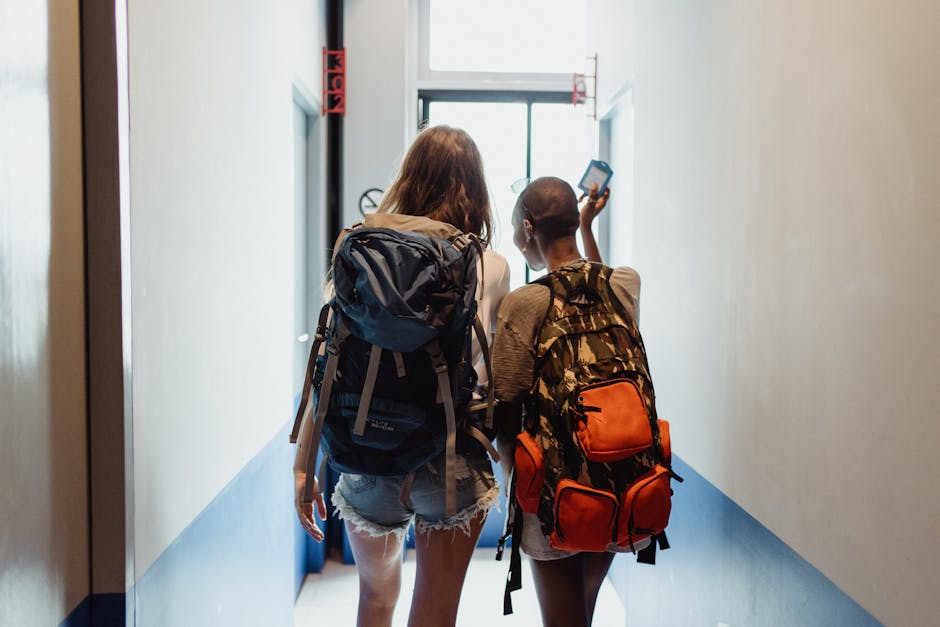
Backpacking offers a unique way to explore the world—on foot, on a budget, and with a sense of freedom that few other travel styles can match. Whether you’re seeking rugged mountain trails, vibrant cities, or remote villages, the best backpacking destinations combine affordability, safety, and unforgettable experiences. This guide highlights the top travel destinations for backpacking adventures, offering practical insights to help you plan your next journey. From Southeast Asia’s well-worn trails to South America’s hidden paths, these locations cater to both first-time and seasoned backpackers.
Why Backpacking Remains a Popular Travel Choice
Backpacking appeals to travelers who value flexibility, cultural immersion, and low-cost exploration. Unlike traditional tourism, backpacking encourages spontaneous decisions—changing routes, extending stays, or meeting locals along the way. It’s also environmentally lighter, often relying on public transport, shared accommodations, and minimal gear.
Many backpackers report deeper connections with the places they visit. Staying in hostels, cooking simple meals, and walking through neighborhoods fosters authentic interactions. For budget-conscious travelers, backpacking stretches every dollar further than resort-based trips.
Safety and accessibility have improved in many regions, making backpacking more viable for a wider audience. Reliable transport networks, traveler-friendly apps, and established backpacker trails reduce the risks once associated with solo or low-budget travel.
How to Choose the Right Backpacking Destination
Selecting the ideal location depends on your experience level, budget, and interests. Beginners may prefer destinations with established backpacker infrastructure, while experienced travelers might seek off-the-beaten-path regions.
Consider climate and seasonality. Trekking in Nepal during monsoon season, for example, can be dangerous and uncomfortable. Research local weather patterns and plan accordingly.
Language barriers, visa requirements, and healthcare access also matter. Countries with English widely spoken or strong tourist support systems—like Thailand or Costa Rica—can ease the transition for new backpackers.
Always check government travel advisories before booking. Political instability, natural disasters, or health outbreaks can affect safety and accessibility.
Budget Considerations
Daily costs vary dramatically between destinations. Southeast Asia remains one of the most affordable regions, with daily expenses often under $30 USD. In contrast, Western Europe or parts of Central America can cost $50–$70 per day.
Accommodation is a major expense. Hostels, guesthouses, and homestays offer the best value. Camping is an option in some areas, but requires proper gear and permits.
Food costs depend on local markets and street vendors. Cooking your own meals saves money, but trying regional dishes is part of the experience. Balance convenience with cultural immersion.
Safety and Preparation
Pack light but smart. Essentials include a durable backpack, weather-appropriate clothing, a first-aid kit, and a reliable water filter. Avoid overpacking—every extra pound slows you down.
Share your itinerary with someone at home. Check in regularly, especially when traveling alone. Use secure luggage locks and keep digital copies of important documents.
Learn basic phrases in the local language. Even simple greetings build rapport and can help in emergencies. Respect local customs—dress codes, photography rules, and social etiquette vary widely.
Top Backpacking Destinations in Asia
Asia offers some of the most diverse and accessible backpacking routes in the world. From bustling cities to serene mountain villages, the continent caters to all types of adventurers.
Thailand: The Backpacker’s Gateway
Thailand consistently ranks among the top travel destinations for backpacking adventures. Its extensive network of buses, trains, and budget airlines makes getting around easy. Hostels are plentiful, clean, and often include free breakfast.
Start in Bangkok for street food and temples, then head north to Chiang Mai for trekking and hill tribes. The islands—Koh Phi Phi, Koh Lanta, and Koh Samui—offer beach camping and snorkeling.
Daily costs average $25–$40. Tuk-tuks and motorbike rentals provide flexible transport. Be cautious with motorbike safety—accidents are common among tourists.
Nepal: The Himalayan Dream
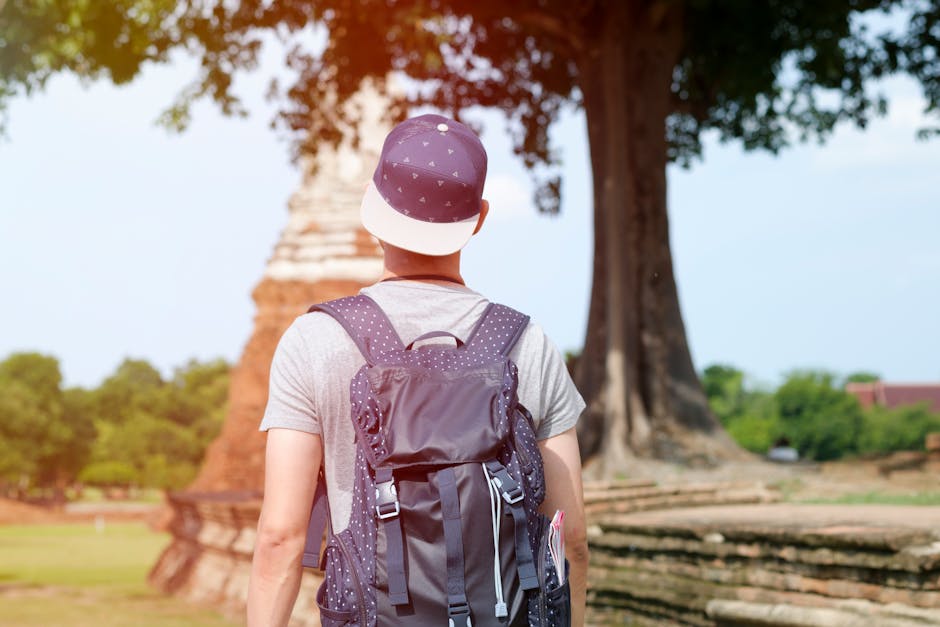
For trekkers, Nepal is unmatched. The Annapurna Circuit and Everest Base Camp trek attract thousands each year. These routes offer stunning views, teahouse lodges, and a strong sense of accomplishment.
Permits are required for most treks. Hire a local guide or porter if you’re inexperienced. Altitude sickness is a real risk—ascend gradually and recognize symptoms like headaches and nausea.
Budget around $30–$50 per day. Meals and lodging along trails are simple but sufficient. Avoid monsoon season (June–September) due to landslides and poor visibility.
Vietnam: Culture and Coastlines
Vietnam blends history, cuisine, and natural beauty. The Ho Chi Minh Trail and Ha Giang Loop are popular overland routes. Backpackers often travel from Hanoi down to Ho Chi Minh City via train or bus.
Street food is safe, delicious, and cheap. Try pho, banh mi, and fresh spring rolls. Homestays in rural areas offer deeper cultural exchange.
Costs range from $20–$35 per day. Scams exist—negotiate prices upfront for tours and transport. Always carry small bills for markets and tips.
Top Backpacking Destinations in Europe
Europe offers well-developed infrastructure and diverse landscapes, though costs are higher than in Asia. Still, smart planning makes backpacking feasible.
Portugal: Affordable and Scenic
Portugal has emerged as a favorite among budget travelers. Lisbon and Porto are walkable, safe, and full of character. The Algarve coast offers hiking and beach camping.
Public transport is efficient and affordable. Trains connect major cities, and regional buses reach smaller towns. Hostels often include free walking tours.
Daily expenses average $40–$60. Tapas-style dining and local markets help stretch your budget. Avoid peak summer months if you prefer cooler weather and fewer crowds.
Romania: Hidden Gem of Eastern Europe
Romania delivers medieval charm, Carpathian Mountains, and low prices. Cities like Brasov and Sibiu are perfect bases for exploring castles and hiking trails.
The Transfagarasan Highway is a scenic drive or bike route. Rural guesthouses offer authentic experiences and home-cooked meals.
Costs are around $30–$45 per day. English is less common in villages, so learn basic Romanian phrases. Winter travel requires warm clothing and snow gear.
Georgia: Caucasus Adventure
Tucked between Europe and Asia, Georgia offers dramatic landscapes, wine culture, and hospitality. Tbilisi is a vibrant capital with affordable hostels and nightlife.
The Svaneti region in the north is ideal for trekking. Stay in family-run guesthouses and try khachapuri (cheese bread) and local wine.
Daily budget: $25–$40. Public marshrutkas (minibuses) connect most towns. Visa-free entry for many nationalities simplifies travel.
Top Backpacking Destinations in South America
South America appeals to adventurers seeking wilderness, ancient ruins, and diverse ecosystems. Backpacking here requires more planning but rewards with unforgettable experiences.
Peru: Machu Picchu and Beyond
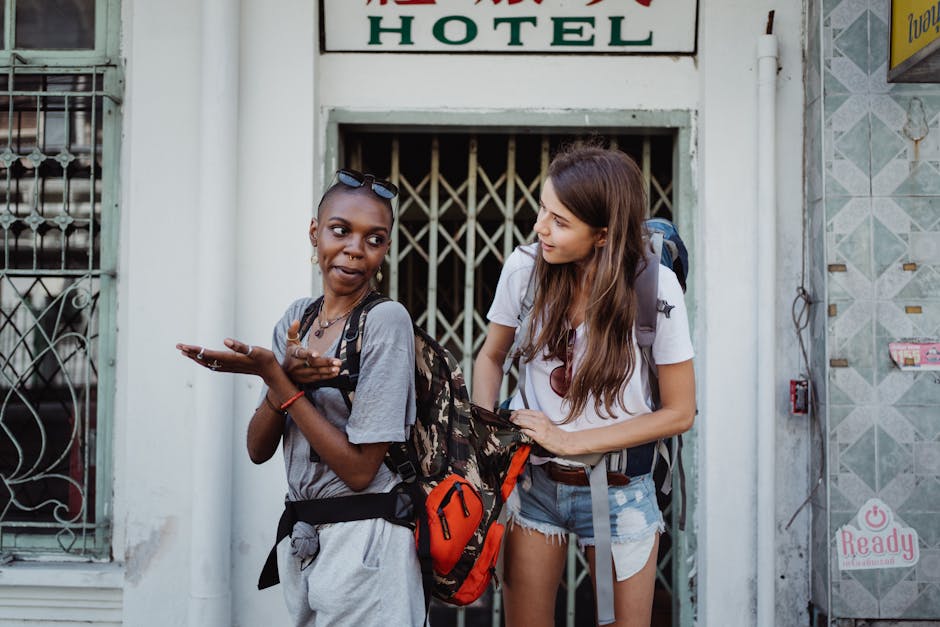
Peru is a classic backpacking destination. The Inca Trail to Machu Picchu is iconic, but permits sell out months in advance. Alternative routes like the Salkantay Trek offer similar beauty with fewer crowds.
Cusco is the main hub, with hostels, tour agencies, and Spanish schools. Altitude sickness is common—spend a few days acclimatizing before trekking.
Budget $35–$55 per day. Street food is safe and tasty. Beware of pickpockets in tourist areas. Always use licensed tour operators.
Bolivia: High Altitude and Salt Flats
Bolivia is one of the cheapest countries in South America. La Paz offers stunning views and a lively backpacker scene. The Salar de Uyuni, the world’s largest salt flat, is a must-see.
4×4 tours are the best way to explore the salt flats and surrounding deserts. Book through reputable agencies to avoid scams.
Daily costs: $20–$35. Altitude affects many travelers—stay hydrated and avoid alcohol. Pack warm clothes—nights are cold even in summer.
Chile: From Desert to Patagonia
Chile offers extreme contrasts—Atacama Desert in the north, Patagonia in the south. Backpackers often travel the length of the country via bus.
San Pedro de Atacama is a base for stargazing and geysers. In Patagonia, Torres del Paine National Park has well-marked trails and refugios (mountain shelters).
Budget $40–$60 per day. Long-distance buses are comfortable and affordable. Book park permits early, especially for peak season (December–February).
Top Backpacking Destinations in Africa
Africa presents unique challenges and rewards. Infrastructure varies, but many regions are safe and welcoming to backpackers.
Morocco: Culture and Camels
Morocco blends Arab, Berber, and French influences. Marrakech and Fes are cultural hubs with medinas, markets, and riads (traditional guesthouses).
The Atlas Mountains offer trekking and Berber village stays. The Sahara Desert near Merzouga is perfect for camel treks and overnight camping.
Daily costs: $25–$40. Bargaining is expected in markets. Dress modestly, especially in rural areas. Avoid traveling alone at night in cities.
Tanzania: Safari and Summits
Tanzania is famous for Mount Kilimanjaro and Serengeti National Park. Backpackers can join group climbs or budget safaris.
Zanzibar offers beaches and spice tours. Stay in beach huts or hostels in Stone Town. Ferries connect the island to the mainland.
Budget $40–$70 per day. Safari costs add up—look for shared tours. Malaria is a risk—use repellent and consider prophylaxis.
South Africa: Diversity and Adventure
South Africa has excellent infrastructure and diverse experiences. Cape Town, Johannesburg, and Durban are major hubs with hostels and transport links.
The Garden Route is a scenic drive or bus route along the coast. Hike, surf, or visit wildlife reserves. Kruger National Park offers budget camping options.
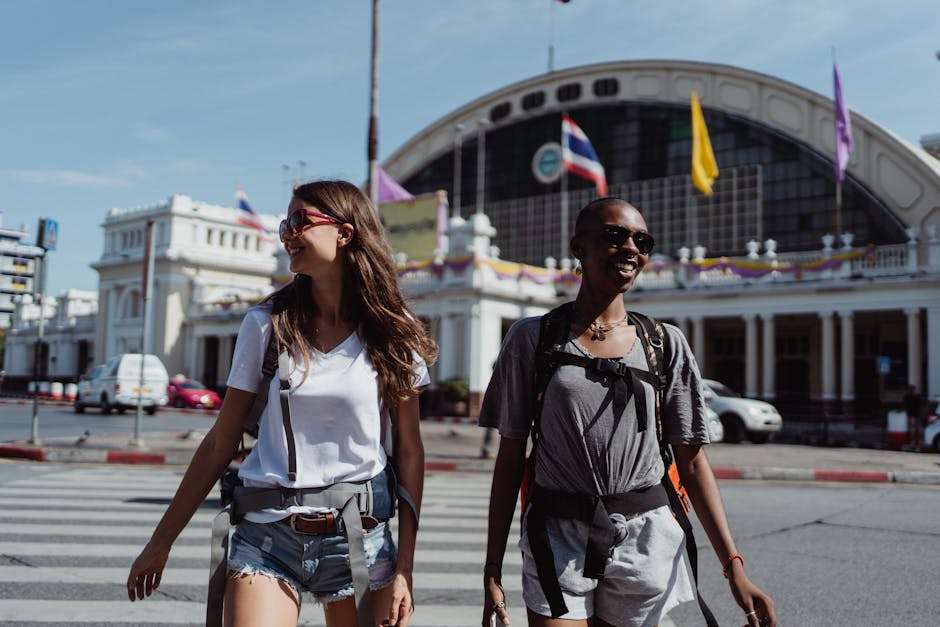
Daily expenses: $35–$55. Crime exists in cities—stay alert and avoid displaying valuables. Use registered taxis or ride-sharing apps.
Top Backpacking Destinations in Oceania
Oceania offers pristine nature and outdoor adventures, though costs are high. Backpacking here requires careful budgeting.
New Zealand: Adventure Capital
New Zealand is a paradise for hikers, bikers, and adrenaline seekers. The Great Walks, like the Milford Track, are world-renowned.
Freedom camping is allowed in many areas, but regulations vary by region. Holiday parks and hostels provide affordable stays.
Budget $50–$80 per day. Hitchhiking is common and generally safe. Rent a campervan for flexibility, but book early in peak season.
Australia: Long Distances, Big Experiences
Australia’s vast size means long travel times. Backpackers often follow the east coast route from Sydney to Cairns.
Work opportunities in agriculture or hospitality help fund travel. The Working Holiday Visa allows extended stays.
Daily costs: $60–$90. Hostels are widespread, especially in cities and tourist areas. Protect yourself from the sun—UV levels are extreme.
Essential Tips for a Successful Backpacking Trip
Preparation is key to a smooth journey. Start by setting a realistic budget and timeline. Overestimating funds prevents stress later.
Pack versatile clothing. Layers work best for changing climates. Quick-dry fabrics are ideal for hiking and washing on the go.
Use travel apps for navigation, translation, and bookings. Offline maps are essential in areas with poor signal. Download guides and phrasebooks in advance.
Stay connected but unplug when needed. Social media can distract from the experience. Journaling or photography helps preserve memories.
Be open-minded. Delays, language barriers, and unexpected changes are part of the adventure. Flexibility turns challenges into stories.
Final Thoughts on Backpacking Adventures
The top travel destinations for backpacking adventures offer more than scenic views—they provide growth, connection, and perspective. Whether you’re crossing continents or exploring a single country, backpacking teaches resilience and curiosity.
Choose a destination that matches your pace and interests. Research thoroughly, prepare wisely, and travel respectfully. The world is vast, but backpacking makes it feel within reach.
With the right mindset, even a simple journey can become a life-changing experience. Start planning, pack your bag, and step into the unknown.
FAQ
What is the cheapest destination for backpacking?
Southeast Asia, particularly Vietnam, Thailand, and Nepal, offers the lowest daily costs—often under $30. Bolivia and Georgia are also very affordable.
Is backpacking safe for solo travelers?
Yes, many backpackers travel solo safely. Choose destinations with good infrastructure, stay in reputable hostels, and share your plans with someone at home.
How much money do I need for a month of backpacking?
Budget $600–$1,500 depending on the region. Southeast Asia and South America are on the lower end; Europe and Oceania cost more.