Argentina Travel Guide: Top Destinations and Tips
Argentina is a country of dramatic contrasts—snow-capped mountains, vast deserts, cosmopolitan cities, and sprawling pampas. From the tango-filled streets of Buenos Aires to the thunderous power of Iguazú Falls, this South American gem offers unforgettable experiences for every traveler. Whether you’re drawn to world-class wine, Patagonian glaciers, or Andean adventures, Argentina delivers with flair. This guide covers the best places to visit, practical travel tips, and essential advice to help you plan a smooth and rewarding trip.
Why Visit Argentina?
Argentina stands out for its cultural richness, natural diversity, and warm hospitality. It’s one of the few countries where you can ski in the morning and sip Malbec in the afternoon. The nation blends European elegance with Latin American passion, visible in its architecture, food, and festivals. With a well-developed tourism infrastructure and affordable prices compared to many Western destinations, Argentina is accessible for a wide range of budgets.
Travelers often cite the country’s safety, especially in major tourist areas, as a key reason to visit. While petty crime exists in cities like Buenos Aires, exercising common sense—like avoiding unlit streets at night—goes a long way. The country also offers excellent public transportation, making it easy to explore independently.
Top Destinations in Argentina
Buenos Aires: The Paris of South America
Buenos Aires is Argentina’s vibrant capital and the ideal starting point for any trip. Known for its European-inspired architecture, the city blends colonial charm with modern energy. Stroll through the cobblestone streets of San Telmo on a Sunday, when the famous antiques market fills the plazas with locals and tourists alike.
Don’t miss a tango show in La Boca or a quiet moment in Recoleta Cemetery, where Eva Perón is buried. The city’s café culture rivals that of Vienna, with sidewalk tables buzzing late into the night. For food lovers, Buenos Aires offers everything from humble empanadas to high-end steakhouses—Argentina is one of the world’s top beef producers.
Iguazú Falls: Nature’s Masterpiece
Located on the border with Brazil, Iguazú Falls is one of the most spectacular waterfalls on Earth. With 275 individual drops spread across nearly two miles, it dwarfs Niagara Falls in scale and power. The Devil’s Throat, a U-shaped cascade, is the most dramatic section—visitors can walk out on platforms just meters above the crashing water.
The surrounding national park is a UNESCO World Heritage site and home to toucans, coatis, and howler monkeys. Most visitors stay in Puerto Iguazú, a small town with hotels ranging from budget hostels to luxury lodges. Plan at least a full day here; the falls are best experienced from multiple angles, including the Brazilian side for panoramic views.
Bariloche: Alpine Charm in the Andes
San Carlos de Bariloche, commonly called Bariloche, is Argentina’s premier mountain destination. Nestled in the Lake District of Patagonia, it’s surrounded by snow-capped peaks, glacial lakes, and dense forests. The town itself feels like a Swiss village, complete with chocolate shops and alpine-style chalets.
In winter, Bariloche transforms into a ski hub with resorts like Cerro Catedral offering world-class slopes. Summer brings hiking, kayaking, and scenic drives along the Circuito Chico. Don’t leave without trying the local chocolate—Bariloche is famous for its artisanal confections, often made with Andean ingredients like calafate berry.
Mendoza: Wine Country Under the Andes
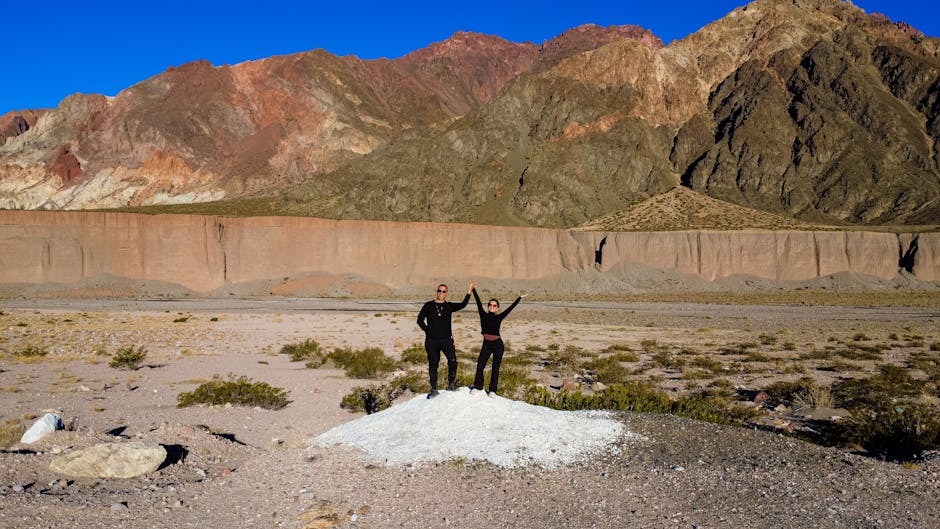
Mendoza is the heart of Argentina’s wine region, producing over 70% of the country’s wine. The city sits at the foot of the Andes, with vineyards stretching across arid plains irrigated by mountain snowmelt. Malbec is the star here—bold, fruity, and uniquely Argentine.
Wine tours are a must. Many bodegas offer tastings, vineyard walks, and gourmet lunches with panoramic mountain views. Rent a bike and explore the vineyards on two wheels, or take a guided tour to learn about sustainable winemaking. Mendoza is also a gateway to Aconcagua, the highest peak in the Americas, attracting climbers from around the globe.
Ushuaia: The End of the World
Ushuaia, located on the island of Tierra del Fuego, calls itself the southernmost city in the world. It’s a base for Antarctic expeditions and a launchpad for exploring Patagonia’s wild southern reaches. The town has a frontier feel, with colorful buildings clinging to steep hillsides and a bustling port.
Take the Tren del Fin del Mundo (Train at the End of the World) into the national park, or hike along the coast for views of the Beagle Channel. In winter, nearby Cerro Castor offers skiing with ocean views—a rare combination. Ushuaia is also a great place to try king crab, a local delicacy served in seaside restaurants.
El Calafate and Perito Moreno Glacier
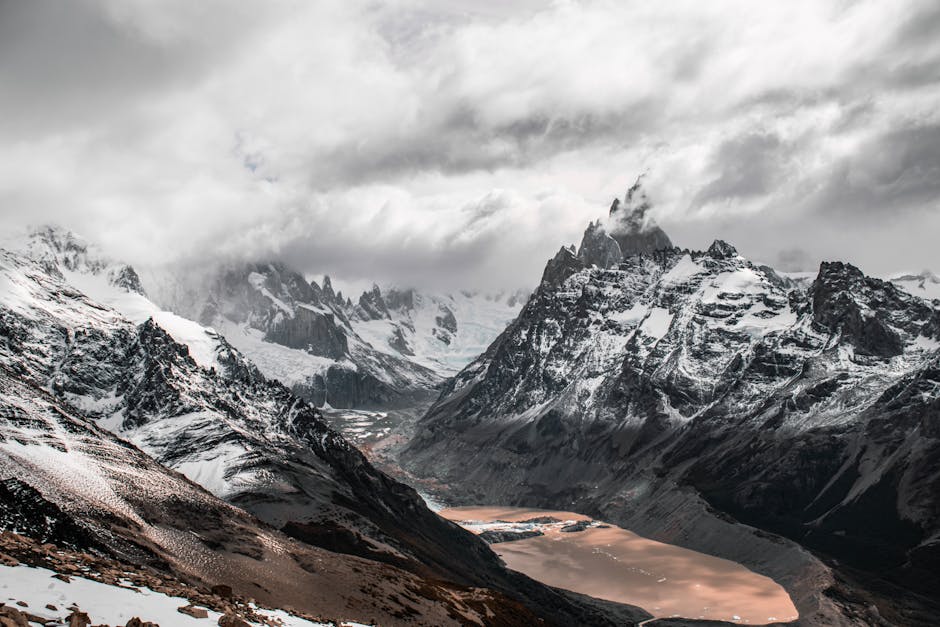
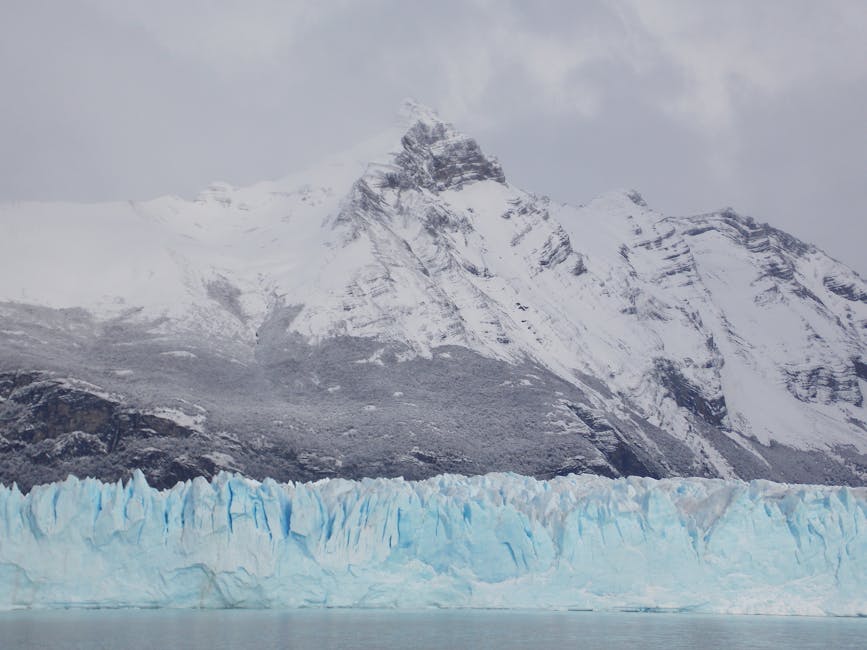
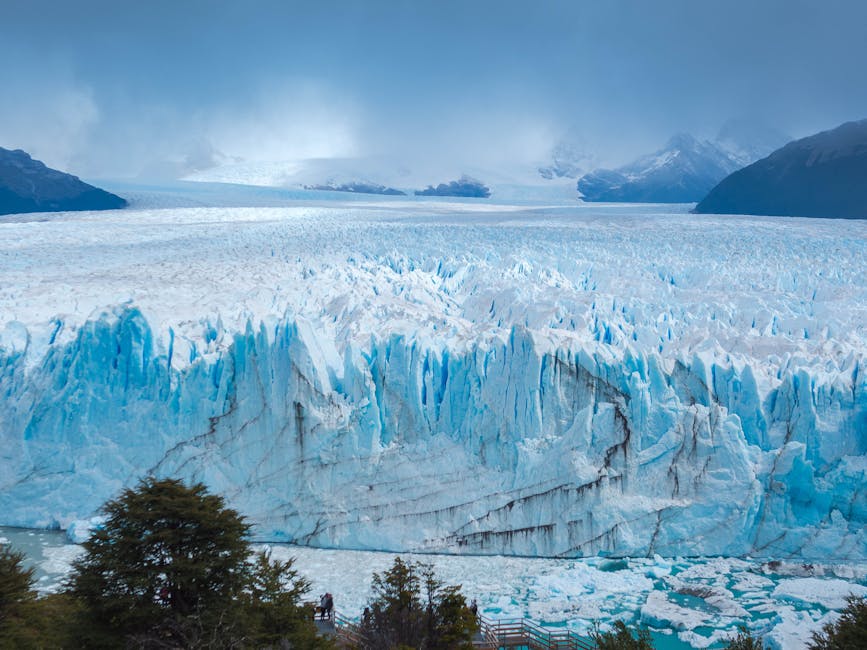
El Calafate is a small town that serves as the gateway to one of Argentina’s most iconic natural wonders: the Perito Moreno Glacier. This massive river of ice is one of the few in the world that is still advancing. It’s also one of the most accessible—visitors can walk on elevated platforms just feet from the glacier’s face.
Boat tours get you even closer, offering views of blue ice calving into Lake Argentino. The glacier is part of Los Glaciares National Park, a UNESCO site with hiking trails and abundant wildlife. Plan to spend at least two days here—one for the glacier and another for optional activities like kayaking or a full-day trek on the ice.
When to Visit Argentina
Argentina’s seasons are opposite those of the Northern Hemisphere. Summer runs from December to February, bringing warm weather and peak tourist crowds. This is the best time for Patagonia and the Lake District, but expect higher prices and booked-out accommodations.
Autumn (March to May) offers mild temperatures and fewer tourists, making it ideal for wine regions like Mendoza. Spring (September to November) is perfect for Buenos Aires and Iguazú Falls, with blooming flowers and comfortable temperatures. Winter (June to August) is ski season in Bariloche and Ushuaia, though some Patagonian areas may be inaccessible due to snow.
Getting Around Argentina
Argentina is a large country—flying is often the most efficient way to cover long distances. Domestic airlines like Aerolíneas Argentinas and Flybondi connect major cities, with flights from Buenos Aires to Mendoza, Bariloche, or Ushuaia taking 1.5 to 3 hours.
For shorter trips, long-distance buses are comfortable, affordable, and widely used. Companies like Andesmar and Chevallier offer reclining seats, Wi-Fi, and onboard meals. Renting a car is practical in regions like Mendoza or the Lake District, but avoid driving in Buenos Aires due to traffic and parking challenges.
Trains are limited but scenic. The Tren a las Nubes in Salta climbs through the Andes with dramatic viaducts and mountain views. It’s more of a tourist experience than a practical transport option, but well worth a day trip.
Money, Language, and Practical Tips
Argentina’s official currency is the Argentine peso (ARS). While credit cards are accepted in cities and tourist areas, cash is king—especially in rural regions. Be aware of the “blue dollar” exchange rate, which can be significantly better than the official rate. Many locals and businesses accept USD or EUR at this parallel rate, particularly for accommodations and tours.
Spanish is the national language. While English is spoken in tourist zones, learning a few basic Spanish phrases will go a long way. “Gracias” (thank you), “por favor” (please), and “¿Dónde está el baño?” (Where is the bathroom?) are useful starters.
Tap water is safe to drink in most areas, but bottled water is widely available. Tipping 10% is customary in restaurants if service is good. Avoid displaying expensive electronics or jewelry, especially in crowded areas.
Food and Drink You Must Try
Argentine cuisine centers on meat, particularly beef. A traditional asado (barbecue) is a social event, with cuts like entraña (skirt steak) and chorizo grilled over wood fires. Don’t miss provoleta—grilled provolone cheese topped with herbs—served as an appetizer.
Empanadas are portable and delicious, filled with meat, cheese, or vegetables. Each region has its own style—Salta’s are spicy, while Tucumán’s are sweeter. For dessert, try dulce de leche, a caramel-like spread used in everything from ice cream to pastries.
Wine is a cornerstone of Argentine culture. Beyond Malbec, explore Bonarda, Torrontés (a fragrant white), and sparkling wine from Mendoza. Mate, a traditional herbal tea, is shared among friends and symbolizes connection—accepting a mate is a sign of goodwill.
Safety and Health Considerations
Argentina is generally safe for travelers, but petty theft—like pickpocketing and bag snatching—is common in crowded areas. Keep your belongings secure, use hotel safes, and avoid flashing valuables. Stick to well-lit, busy streets at night, especially in Buenos Aires neighborhoods like Once or Constitución.
No special vaccinations are required for entry, but routine vaccines should be up to date. Tap water is safe, but if you have a sensitive stomach, stick to bottled water. Medical care in cities is high quality, but travel insurance is recommended for emergencies.
Altitude sickness can be a concern in places like Salta or Aconcagua base camp. Ascend gradually, stay hydrated, and avoid alcohol. If symptoms like headache or nausea persist, descend and seek medical advice.
Packing Essentials for Argentina
Pack layers—Argentina’s weather can change quickly, especially in Patagonia. A waterproof jacket is essential for Iguazú Falls and the south. Comfortable walking shoes are a must for city exploration and hiking.
In summer, bring sunscreen, a hat, and sunglasses—UV levels are high. In winter, pack thermal wear, gloves, and a warm coat for mountain areas. Don’t forget a universal power adapter—Argentina uses Type C and I plugs and 220V electricity.
If you plan to visit national parks, bring binoculars for wildlife spotting and a reusable water bottle. A small daypack is useful for day trips and market visits.
Final Tips for a Great Trip
Book accommodations and popular tours in advance, especially during peak seasons. Many attractions, like the Perito Moreno Glacier, require timed entry tickets. Use official websites or trusted local operators to avoid scams.
Be flexible with your itinerary—weather delays, especially in Patagonia, are common. Allow extra time between destinations, particularly if relying on buses or regional flights.
Engage with locals. Argentines are friendly and proud of their culture. A smile and a few words of Spanish can open doors to authentic experiences, from a home-cooked meal to a hidden viewpoint.
FAQ
What is the best time of year to visit Argentina?
The ideal time depends on your destination. Summer (December–February) is best for Patagonia and the Lake District. Autumn (March–May) is perfect for wine regions, while spring (September–November) offers mild weather in Buenos Aires and Iguazú Falls.
Do I need a visa to travel to Argentina?
Citizens of the U.S., Canada, the EU, Australia, and many other countries can enter Argentina for tourism for up to 90 days without a visa. Check with your local Argentine consulate for the latest entry requirements.
Is Argentina safe for solo travelers?
Yes, Argentina is generally safe for solo travelers, especially in tourist areas. Exercise normal precautions—avoid isolated areas at night, keep your belongings secure, and stay aware of your surroundings. Many solo travelers find Argentines welcoming and helpful.