Island Travel Guide for Exploring Coastal Beauty
Dreaming of turquoise waters, white-sand beaches, and quiet coves? An island travel guide focused on coastal beauty offers the perfect escape from crowded cities and daily routines. Whether you’re drawn to rugged cliffs, coral reefs, or palm-lined shores, islands provide some of the most breathtaking coastal scenery on Earth. This guide walks you through choosing the right destination, planning your trip, and making the most of your time by the sea—without the overwhelm.
From hidden gems in Southeast Asia to well-loved spots in the Mediterranean, we’ll cover practical tips, must-see locations, and how to travel responsibly. You’ll learn what to pack, how to get around, and which experiences truly capture the spirit of island life. By the end, you’ll have a clear plan for your next coastal adventure.
Why Choose an Island for Your Coastal Getaway
Islands offer a unique blend of isolation and natural beauty that’s hard to match on mainland coasts. With limited development and often protected marine areas, many islands preserve their ecosystems and charm. The sense of seclusion enhances the experience—whether you’re snorkeling in calm lagoons or hiking coastal trails with ocean views.
Unlike busy beach resorts, island destinations often emphasize sustainability and local culture. You’re more likely to find family-run guesthouses, fresh seafood, and authentic interactions. This makes island travel not just scenic, but meaningful.
Natural Diversity in a Compact Space
One of the biggest advantages of island travel is the variety packed into a small area. In a single day, you might swim in a sheltered bay, explore a volcanic rock formation, and watch the sunset from a cliffside café. Islands like Santorini, Maldives, or Kauai showcase how diverse coastal landscapes can be within short distances.
This compactness also makes logistics easier. You can cover more ground without long drives or complicated transport. Rent a scooter in Bali, hop on a ferry in the Greek Isles, or walk between villages in the Azores—getting around is part of the adventure.
Ideal for Different Travel Styles
Whether you’re a solo traveler seeking solitude, a couple on a romantic retreat, or a family looking for safe beaches, islands cater to all. Some, like Phuket or Mykonos, buzz with nightlife and luxury resorts. Others, like the Faroe Islands or the Andamans, offer quiet trails and untouched shores.
Your travel style should guide your choice. Adventure seekers might prefer islands with hiking and diving, while relaxation-focused travelers may prioritize spa resorts and calm waters. Matching your personality to the island’s vibe ensures a more satisfying trip.
Top Island Destinations for Coastal Scenery
Not all islands are created equal when it comes to coastal beauty. Some stand out for dramatic cliffs, others for coral reefs or bioluminescent bays. Here are a few top picks that consistently impress travelers.
Santorini, Greece
Famous for its whitewashed buildings and caldera views, Santorini delivers iconic Mediterranean charm. The island’s volcanic origins create steep cliffs that drop into the Aegean Sea, offering panoramic sunsets from Oia and Fira. While popular, early mornings and lesser-known villages like Pyrgos offer quieter moments.
Coastal activities include boat tours to hot springs, swimming at Red Beach, and wine tasting with ocean views. Just be prepared for crowds in peak season—July and August see the highest visitor numbers.
Maldives
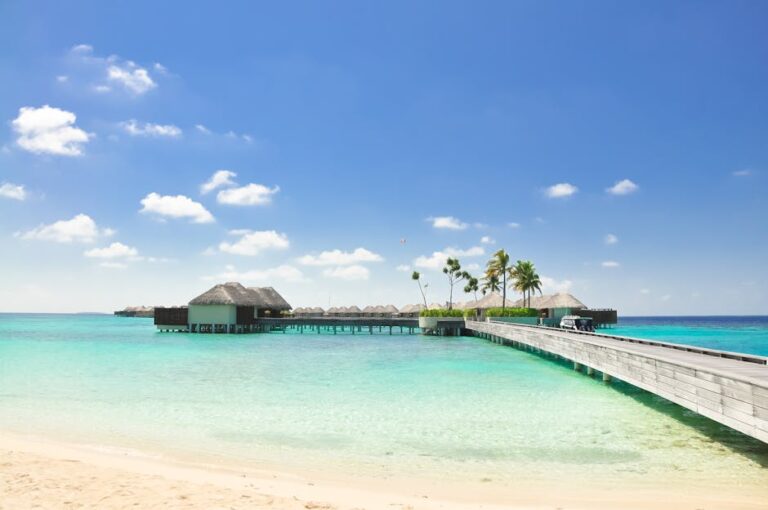
For overwater bungalows and crystal-clear lagoons, the Maldives is the gold standard. This Indian Ocean archipelago consists of 1,192 coral islands, many privately owned by luxury resorts. The shallow waters and vibrant marine life make it a top destination for snorkeling and diving.
Each island is typically small and self-contained, with resorts offering all-inclusive packages. While expensive, the Maldives delivers unmatched tranquility and natural beauty. Travelers should book well in advance and consider local guesthouses on inhabited islands for a more authentic experience.
Kauai, Hawaii
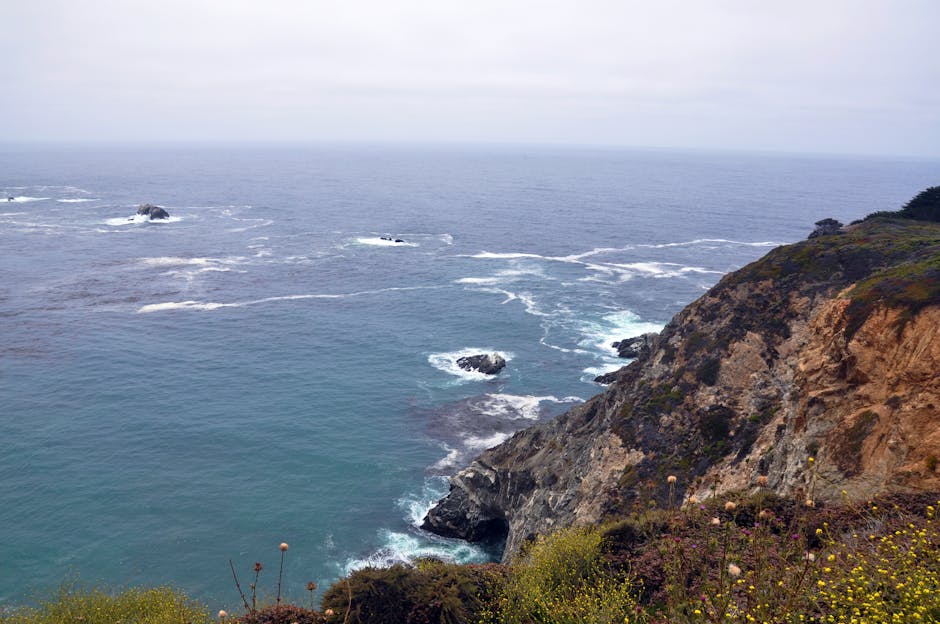
Known as the “Garden Isle,” Kauai blends lush rainforests with dramatic coastlines. The Na Pali Coast, accessible only by boat or helicopter, features 3,000-foot sea cliffs and hidden beaches. Hanalei Bay offers gentle waves and a laid-back surf town vibe.
Unlike Oahu, Kauai has limited development, preserving its wild character. Hiking, kayaking, and helicopter tours are popular ways to experience the island’s coastal grandeur. Renting a car is essential, as public transport is minimal.
Palawan, Philippines
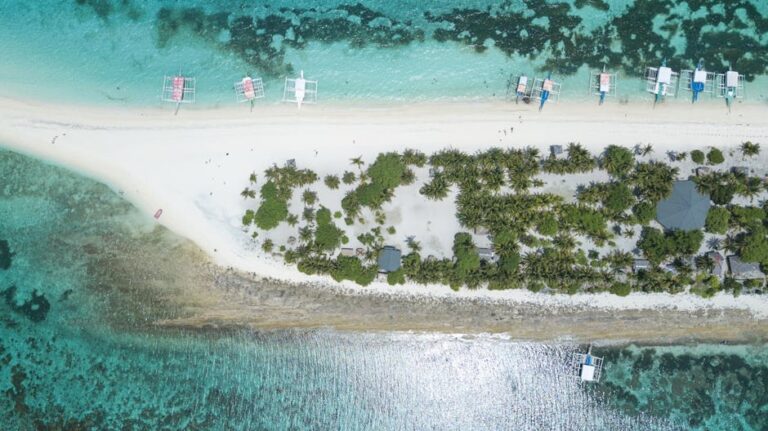
Often called the “Last Frontier” of the Philippines, Palawan is a haven for nature lovers. El Nido and Coron offer limestone karsts, turquoise lagoons, and some of the best diving in Southeast Asia. The waters here are rich in biodiversity, including coral gardens and WWII shipwrecks.
Island-hopping tours are the main way to explore. These multi-day boat trips visit remote beaches, hidden lagoons, and snorkel sites. While tourism has grown, responsible operators help minimize environmental impact.
Faroe Islands
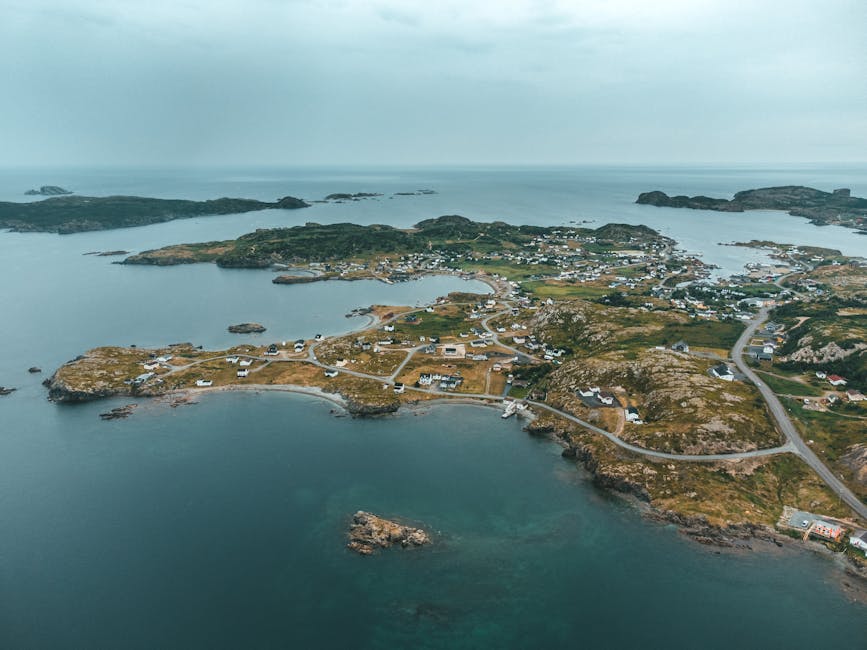
For something completely different, the Faroe Islands in the North Atlantic offer moody cliffs, grass-roof homes, and dramatic weather. This remote archipelago between Iceland and Norway feels like stepping into a Nordic fairy tale.
Hiking trails lead to sea stacks, waterfalls, and puffin colonies. The coastal roads are narrow and winding, but the views are worth the drive. The Faroes are ideal for travelers who enjoy solitude and raw natural beauty.
How to Plan Your Island Trip
Planning an island getaway requires more than just picking a destination. You’ll need to consider timing, transportation, accommodations, and activities. A little preparation goes a long way in avoiding common pitfalls.
Best Time to Visit
Timing affects everything—weather, crowds, and prices. Tropical islands like the Maldives and Palawan have dry and wet seasons. The dry season (November to April in the Maldives, December to May in Palawan) offers calm seas and sunny skies.
Mediterranean islands peak in summer, but shoulder seasons (May–June, September–October) bring fewer tourists and pleasant temperatures. Northern islands like the Faroes are best visited in summer when days are long and trails are accessible.
Always check local weather patterns and avoid hurricane or monsoon seasons. Travel insurance is highly recommended for island trips, especially those involving boat transfers.
Getting There and Around
Most islands require a combination of flights and ferries. Major hubs like Athens, Bangkok, or Honolulu connect to smaller islands via regional airlines. Once on the island, options vary.
In compact destinations like Santorini or the Maldives, walking or short taxi rides may suffice. For larger islands like Kauai or Palawan, renting a car or scooter is practical. Ferries are common in archipelagos—book in advance during high season.
Some islands, like the Faroes, have limited infrastructure. Public buses and car rentals are available, but schedules may be infrequent. Always confirm transport options before arrival.
Choosing Where to Stay
Accommodations range from luxury resorts to budget hostels and homestays. Resorts offer convenience and amenities but can feel isolated. Guesthouses and boutique hotels often provide better local insight and value.
Location matters. Staying near the coast gives easy beach access, but may come with higher prices and noise. Inland areas can be quieter and cheaper, though less scenic. Read recent reviews and check proximity to key attractions.
For eco-conscious travelers, look for properties with sustainability certifications. Many islands now promote green tourism, with initiatives like solar power, water conservation, and waste reduction.
Must-Do Coastal Experiences
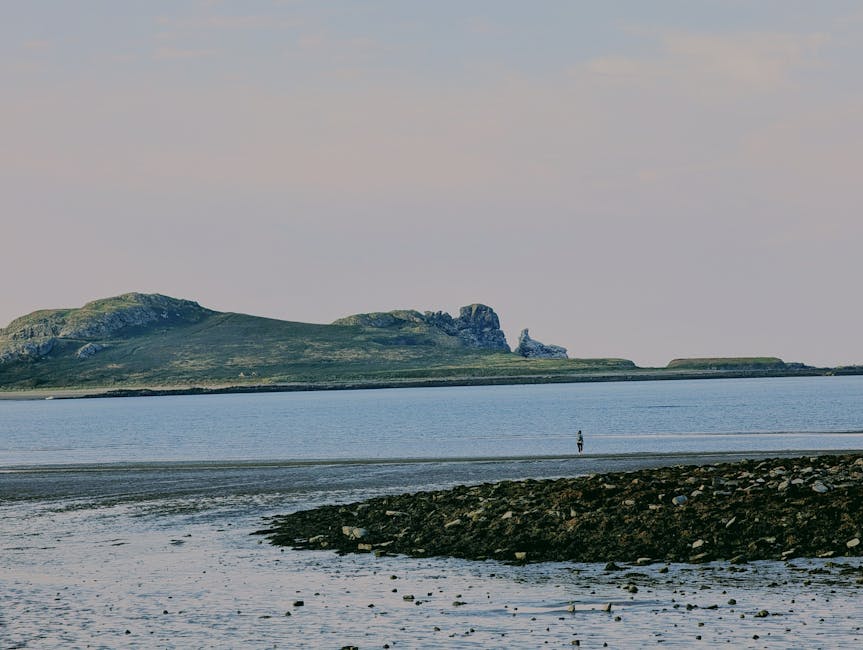
An island trip isn’t complete without immersive coastal activities. These experiences connect you to the landscape and local culture in meaningful ways.
Snorkeling and Diving
Clear waters and rich marine life make islands prime spots for underwater exploration. The Great Barrier Reef near the Whitsunday Islands, the coral atolls of the Maldives, and the reefs around Palawan are world-class destinations.
Beginners can join guided snorkel tours, while certified divers may explore deeper sites. Always use reef-safe sunscreen and avoid touching coral. Responsible operators provide briefings on marine conservation.
Coastal Hiking and Trails
Many islands feature coastal paths that reveal hidden coves, sea caves, and panoramic viewpoints. The Kalalau Trail on Kauai, the cliffs of Santorini, and the Faroe Islands’ hiking network offer varying levels of difficulty.
Wear sturdy shoes, carry water, and check trail conditions. Some paths are exposed and can be slippery after rain. Early starts help avoid heat and crowds.
Boat Tours and Island Hopping
Boat trips are a staple of island travel. Day tours often include snorkeling stops, beach time, and lunch. In the Philippines and Greece, multi-day island-hopping itineraries are popular.
Choose operators with good safety records and local knowledge. Smaller boats offer a more personal experience, while larger vessels may have more amenities. Always confirm departure times and weather policies.
Sunset and Stargazing
With minimal light pollution, islands are ideal for evening views. Sunset spots like Oia in Santorini or Hanalei Bay in Kauai draw crowds, but lesser-known locations offer equally stunning scenes.
After dark, the night sky shines. The Faroe Islands and remote parts of Palawan are great for stargazing. Bring a blanket and enjoy the quiet—many islands have no streetlights near the coast.
Packing Essentials for Island Travel
Packing smart ensures comfort and preparedness. Island climates vary, but certain items are universally useful.
Clothing and Footwear
Light, breathable fabrics work best in tropical heat. Pack quick-dry clothing, swimsuits, and a light cover-up for evenings. In cooler climates like the Faroes, layer with waterproof jackets and warm layers.
Footwear should include water shoes for rocky beaches, sandals for walking, and closed shoes for hiking. Flip-flops are convenient but not always practical on uneven terrain.
Sun and Water Protection
Sunscreen, hats, and UV-protective clothing are non-negotiable. Reapply sunscreen often, especially after swimming. A reusable water bottle with a filter helps reduce plastic waste and ensures safe drinking water.
Waterproof bags protect electronics and documents during boat trips or sudden rain. Dry bags are especially useful for snorkeling or kayaking.
Health and Safety Items
Bring a basic first-aid kit, insect repellent, and any personal medications. In remote areas, medical facilities may be limited. A portable charger keeps devices powered during long days out.
Know emergency numbers and the location of the nearest clinic. Travel insurance with medical coverage is essential, particularly for activities like diving or hiking.
Traveling Responsibly on Islands
Islands are fragile ecosystems. Tourism can strain resources, damage coral, and disrupt communities if not managed carefully. Responsible travel helps preserve these destinations for future visitors.
Respect Local Culture
Many islands have strong traditions and customs. Dress modestly in villages, ask before photographing people, and learn a few basic phrases in the local language. In places like the Maldives, Islamic customs influence daily life.
Support local businesses by eating at family-run restaurants, buying handmade crafts, and hiring local guides. This keeps money in the community and enriches your experience.
Protect the Environment
Avoid single-use plastics—many islands lack waste management systems. Bring reusable straws, utensils, and containers. Don’t take shells, coral, or sand as souvenirs; these are vital to the ecosystem.
Stay on marked trails to prevent erosion. When snorkeling or diving, maintain a safe distance from marine life. Never feed fish or touch coral—even a light brush can harm it.
Minimize Your Footprint
Choose eco-friendly accommodations and tour operators. Look for certifications like Green Globe or EarthCheck. Conserve water and electricity, especially in areas with limited supply.
Offset your carbon footprint by supporting reforestation projects or choosing direct flights when possible. Every small action adds up.
Final Tips for a Smooth Island Adventure
A successful island trip balances planning with flexibility. Over-scheduling can lead to burnout, while too little planning may result in missed opportunities. Find a middle ground that suits your travel style.
Download offline maps and translation apps before you go. Internet access can be spotty on remote islands. Keep digital and paper copies of important documents.
Stay hydrated and take breaks. Island heat and sun can be intense, even in cooler months. Listen to your body and adjust your plans as needed.
Finally, embrace the slower pace. Island life often moves differently—meals take longer, ferries run on island time, and spontaneity is part of the charm. Let go of rigid itineraries and enjoy the moment.
FAQ
What’s the best way to get around an island?
It depends on the island’s size and infrastructure. In compact destinations, walking or scooters work well. Larger islands often require car rentals or public transport. Ferries are common in archipelagos—always check schedules in advance.
How can I avoid crowds at popular island spots?
Visit during shoulder seasons, arrive early in the day, or explore lesser-known areas. Many islands have hidden coves and quiet villages that offer the same beauty without the crowds.
Is it safe to travel to remote islands?
Most islands are safe for travelers, but preparation is key. Research local conditions, have travel insurance, and stay informed about weather and transport. Let someone know your plans and check in regularly.