Best Vegetarian Dishes to Try in Food Travel Guide
Traveling opens doors to new flavors, and vegetarian cuisine offers some of the most vibrant, satisfying meals you’ll find across the globe. Whether you’re a lifelong plant-based eater or simply exploring meat-free options, knowing which dishes to seek out can elevate your culinary journey. This guide highlights the best vegetarian dishes to try, from street food staples to restaurant specialties, ensuring you experience authentic local flavors without compromise.
We’ve curated a list of must-try vegetarian dishes from key food destinations, focusing on taste, cultural significance, and accessibility. Each recommendation includes where to find it, what makes it special, and tips for ordering confidently. With this guide, you’ll navigate menus like a local and discover why plant-based eating is at the heart of many world cuisines.
Why Vegetarian Food Travel Matters
Vegetarian food travel isn’t just for those avoiding meat—it’s a gateway to understanding regional ingredients, traditions, and cooking techniques. In countries like India, Ethiopia, and Thailand, plant-based dishes are deeply rooted in culture and religion, often more flavorful and complex than their meat-based counterparts.
Choosing vegetarian options also supports sustainable travel. Plant-based meals generally have a lower environmental footprint, aligning with eco-conscious tourism. Plus, many local markets and family-run eateries shine brightest with their vegetable-forward offerings.
How to Find Authentic Vegetarian Food Abroad
Start by researching local dietary customs. In India, for example, vegetarianism is widespread due to religious practices, making it easy to find pure veg meals. In contrast, countries like France or Italy may require more careful navigation, though vegetarian options are increasingly common.
Learn a few key phrases in the local language, such as “no meat” or “vegetarian only.” Apps like HappyCow can help locate veg-friendly restaurants, while food tours often offer vegetarian-specific routes.
Top Vegetarian Dishes by Region
India: Dal Tadka and Paneer Tikka
India is a paradise for vegetarians, with entire menus dedicated to plant-based fare. Dal Tadka, a spiced lentil stew tempered with cumin, garlic, and chili, is a comforting staple found in homes and dhabas alike. It’s often served with rice or flatbread.
Paneer Tikka, cubes of marinated cheese grilled or baked, delivers bold flavors from yogurt, turmeric, and garam masala. Look for it in North Indian restaurants or at street stalls in Delhi and Jaipur. Always confirm it’s cooked separately from meat to avoid cross-contamination.
Thailand: Pad Pak Ruam and Som Tum
Thai cuisine balances sweet, sour, salty, and spicy—perfect for vegetarians who crave complexity. Pad Pak Ruam is a stir-fry of mixed vegetables in a light soy-based sauce, often including broccoli, carrots, and mushrooms. It’s quick, fresh, and widely available.
Som Tum, the iconic green papaya salad, can be made vegetarian by omitting fish sauce and shrimp paste. Request “jay” (Thai for strict vegetarian) when ordering to ensure no animal products are used. The result is a crunchy, tangy dish that’s both refreshing and satisfying.
Ethiopia: Misir Wot and Gomen
Ethiopian meals are traditionally served on injera, a spongy sourdough flatbread, and shared from a single platter. Misir Wot is a rich red lentil stew simmered with berbere spice, onions, and garlic. Its deep, smoky flavor pairs perfectly with the tangy injera.
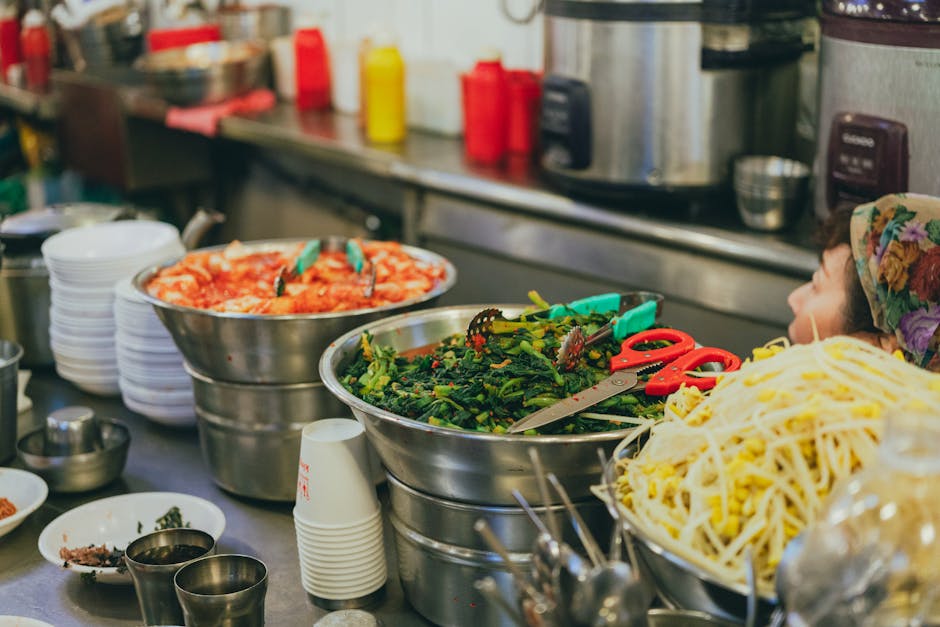
Gomen, made from collard greens sautéed with onions and spices, offers a milder but equally flavorful option. Most Ethiopian restaurants offer a vegetarian platter (ye’abesha gomen) with multiple dishes, ideal for sampling variety.
Italy: Pasta alla Norma and Ribollita
Italian cuisine may seem meat-heavy, but its vegetable dishes are classics for good reason. Pasta alla Norma, from Sicily, features eggplant, tomato sauce, ricotta salata, and basil. The eggplant is fried until tender, creating a meaty texture without any animal products.
Ribollita, a Tuscan bread and vegetable soup, combines kale, cannellini beans, carrots, and stale bread. Originally a peasant dish, it’s now a beloved comfort food. Ask for it without pancetta to keep it vegetarian.
Mexico: Chiles en Nogada and Elote
Mexican food offers bold flavors and colorful presentations. Chiles en Nogada, traditionally made with meat, can be adapted using walnut-based fillings or mushrooms. The dish features poblano peppers stuffed, topped with a creamy walnut sauce, and garnished with pomegranate seeds and parsley—symbolizing the Mexican flag.
Elote, grilled corn on the cob slathered with mayo, chili powder, lime, and cotija cheese, is a street food favorite. Confirm the cheese is vegetarian (some use animal rennet), or substitute with a plant-based alternative.
Japan: Shojin Ryori and Vegetable Tempura
Shojin Ryori is the traditional vegetarian cuisine of Buddhist monks, emphasizing seasonal vegetables, tofu, and seaweed. Served in temples and specialized restaurants, it’s a multi-course experience focused on mindfulness and balance.
Vegetable tempura—lightly battered and fried vegetables like sweet potato, eggplant, and shiso leaves—is widely available. Just confirm the frying oil isn’t shared with seafood or meat. Many izakayas now label vegetarian-friendly options clearly.
Lebanon: Falafel and Tabbouleh
Falafel, deep-fried chickpea balls, is a Middle Eastern staple. Crispy outside, soft inside, and packed with herbs and spices, it’s often served in pita with tahini sauce and pickles. Look for fresh batches at street vendors for the best texture.
Tabbouleh, a parsley and bulgur salad with tomatoes, mint, and lemon juice, is light yet flavorful. It’s a refreshing side or standalone dish, perfect for hot days. Ensure it’s made without added meat or fish stock.
Tips for Ordering Vegetarian Food While Traveling
Communication is key. Even in vegetarian-friendly regions, cross-contamination or hidden ingredients can be an issue. Always clarify how dishes are prepared, especially sauces and broths, which may contain fish sauce, chicken stock, or lard.
Carry a translation card that lists your dietary needs in the local language. These are available online and can be shown to servers or chefs. They reduce misunderstandings and show respect for local customs.
Navigating Menus with Confidence
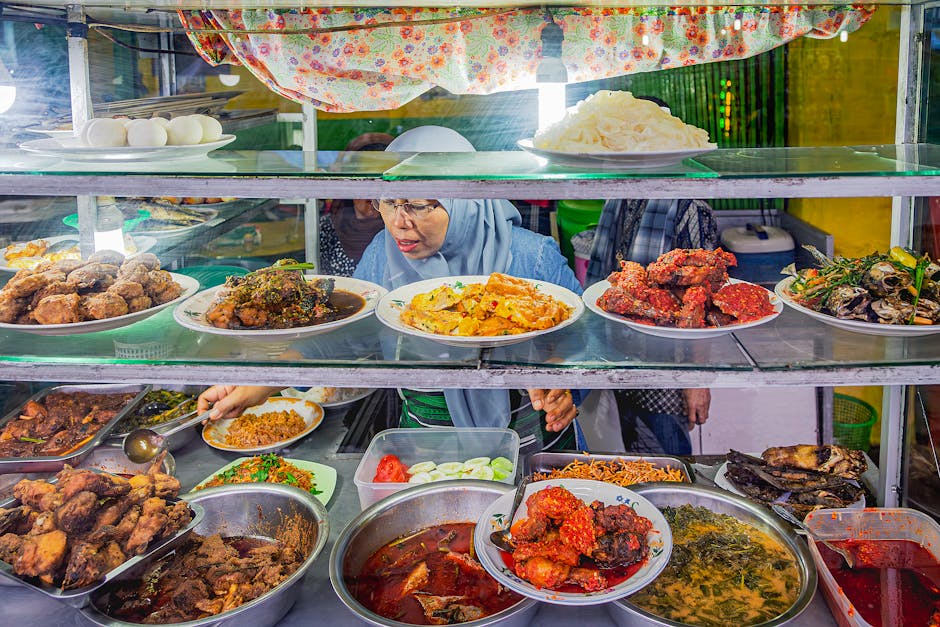
Scan menus for keywords like “vegetariano,” “vegano,” “solo verduras,” or “jay.” In many countries, these terms are well understood. If unsure, ask if a dish contains meat, seafood, or animal broth.
Don’t hesitate to customize. Most chefs are happy to omit meat or substitute ingredients. A simple “Can you make this without chicken?” often leads to a better-tailored meal.
Avoiding Common Pitfalls
Watch out for hidden animal products. Cheese may use animal rennet, sauces might include fish or meat extracts, and bread could contain lard. In Southeast Asia, shrimp paste and fish sauce are common in “vegetable” dishes.
Street food can be risky if hygiene standards are low. Choose stalls with high turnover and visible cooking. Freshly prepared food is less likely to be contaminated.
Vegetarian Food Tours and Experiences
Joining a vegetarian food tour can deepen your culinary experience. These guided walks introduce you to local markets, hidden eateries, and traditional recipes. Guides often share stories behind the dishes, adding cultural context.
Popular destinations for veg food tours include Bangkok, Oaxaca, and Lisbon. Many tours offer cooking classes, allowing you to recreate dishes at home. Check reviews and confirm the tour is fully vegetarian, not just vegetarian-friendly.
DIY Food Exploration
If tours aren’t your style, explore on your own. Visit local markets to see what’s in season. Talk to vendors—many are proud of their produce and happy to recommend dishes. Try regional specialties at family-run restaurants, where recipes are often passed down through generations.
Keep a food journal to note what you loved and where you found it. This helps when revisiting a destination or recommending spots to fellow travelers.
Sustainable and Ethical Considerations
Choosing vegetarian meals supports sustainable agriculture and reduces demand for factory-farmed meat. It also often means eating more locally sourced, seasonal ingredients, which benefits small farmers and reduces carbon emissions from transport.
Ethical eating extends beyond diet. Support restaurants that treat staff fairly, use organic produce, and minimize food waste. Look for certifications or ask about sourcing practices.
Reducing Food Waste While Traveling
Order mindfully to avoid leftovers. Share dishes with travel companions to sample more without excess. In countries where food scarcity is an issue, wasting food can feel especially disrespectful.
Carry a reusable container for leftovers or snacks. Many cafes and markets will fill them if asked politely.
Seasonal and Regional Variations
Vegetarian dishes often change with the seasons. In Japan, spring brings bamboo shoots and wild greens; in Italy, summer means ripe tomatoes and zucchini. Traveling during peak seasons ensures the freshest ingredients and most authentic flavors.
Regional specialties vary even within countries. In India, South Indian dosas differ from North Indian parathas. Research local variations to get the most out of your food journey.
Adapting to Local Ingredients
Embrace what’s available. You might discover new favorites like jackfruit in Thailand or chayote in Mexico. Local ingredients are often more sustainable and flavorful than imported alternatives.
If you have dietary restrictions beyond vegetarianism—like gluten-free or nut allergies—plan ahead. Some regions are more accommodating than others, so research and communicate clearly.
Final Thoughts on Vegetarian Food Travel
Exploring the world through vegetarian cuisine is rewarding, delicious, and accessible. From hearty stews to fresh salads, plant-based dishes offer a window into local culture and culinary artistry. With a little preparation and curiosity, you can enjoy authentic meals wherever you go.
Remember, the best vegetarian dishes to try are often the ones locals eat daily—simple, flavorful, and made with care. Keep an open mind, ask questions, and savor every bite.
FAQ
Q: Is it safe to eat vegetarian street food while traveling?
A: Yes, with precautions. Choose busy stalls with high turnover, ensure food is cooked fresh in front of you, and avoid raw items if you’re unsure about water quality. Stick to hot, cooked dishes for safety.
Q: How can I ensure a dish is truly vegetarian in a foreign country?
A: Learn key phrases like “no meat” or “vegetarian only” in the local language. Use translation apps or cards, and ask about sauces and broths, which often contain hidden animal products.
Q: Are vegetarian options available in every country?
A: Most countries offer vegetarian dishes, especially in regions with strong plant-based traditions like India, Ethiopia, and Thailand. Even in meat-centric cultures, vegetarian options are increasingly common in cities and tourist areas.