
Top Vegan Foods to Try While Traveling Worldwide
Traveling as a vegan doesn’t mean settling for side salads or plain rice. Across the globe, plant-based cuisine thrives in vibrant, flavorful dishes rooted in tradition. From street food in Bangkok to market stalls in Marrakech, the world offers countless vegan foods that are both delicious and culturally authentic. Whether you’re exploring bustling cities or quiet villages, knowing what to look for ensures you enjoy satisfying meals without compromising your values. This guide highlights must-try vegan foods in key destinations, offering practical tips and local insights to help you eat well on any journey.
Why Vegan Travel Is More Accessible Than Ever
The rise of plant-based eating has transformed global food scenes. Cities like Berlin, Tokyo, and Mexico City now boast dedicated vegan restaurants, while traditional cuisines increasingly highlight meat-free options. Even in regions where veganism isn’t widely known, local dishes often rely on vegetables, legumes, and grains by default. Travelers can now find clearly labeled menus, use translation apps to confirm ingredients, and connect with vegan communities online before arriving. With a little preparation, eating vegan abroad is not only possible—it’s often more rewarding than at home.
Asia: Bold Flavors and Plant-Based Staples
Asia is a treasure trove for vegan travelers, with many countries offering naturally plant-forward cuisines. Rice, noodles, tofu, and fermented foods form the backbone of meals across the continent.
Thailand: Street Food Done Right
Thai cuisine shines with its balance of sweet, sour, salty, and spicy. Pad Thai can easily be made vegan by requesting no fish sauce or egg—many street vendors offer this version. Som tam (green papaya salad) is typically vegan when made without dried shrimp. Look for signs reading “jay,” which denotes Buddhist vegetarian food—often fully plant-based and widely available in Bangkok and Chiang Mai.
India: A Vegan Paradise
With a long tradition of vegetarianism, India is one of the most vegan-friendly countries in the world. Dal (lentil stew), chana masala (spiced chickpeas), and aloo gobi (potato and cauliflower curry) are staples. In South India, dosas and idlis—fermented rice and lentil crepes—are naturally vegan and served with coconut chutney and sambar. Just confirm that ghee (clarified butter) isn’t used in cooking, especially in North Indian dishes.
Japan: Mindful and Refined
Japanese food may seem challenging due to dashi (fish-based broth), but vegan options exist. Shojin ryori, the traditional cuisine of Buddhist monks, is entirely plant-based and features seasonal vegetables, tofu, and seaweed. In Kyoto, temples often serve shojin ryori meals. Convenience stores now label vegan items clearly, and cities like Tokyo have growing numbers of vegan ramen shops using mushroom or soy-based broths.
Europe: Tradition Meets Innovation
Europe blends centuries-old recipes with modern plant-based trends. From Mediterranean mezze to Eastern European dumplings, the continent offers diverse vegan experiences.

Italy: Beyond the Pasta
Italian cuisine isn’t just about cheese and meat. Many pasta dishes are vegan when made with olive oil, garlic, chili, and vegetables—like aglio e olio or pasta alla Norma (with eggplant). Pizzerias increasingly offer vegan cheese, and cities like Rome and Milan have dedicated vegan pizzerias. Don’t miss supplì (fried rice balls) filled with tomato and vegan mozzarella, or caponata, a sweet-and-sour eggplant stew.
Germany: Hearty and Hearty Plant-Based
Once known for sausages and schnitzel, Germany now leads Europe in vegan innovation. Berlin is a vegan capital, with vegan doner kebabs, currywurst, and even schnitzel made from seitan. In Munich, look for kartoffelpuffer (potato pancakes) or linseneintopf (lentil stew). Bakeries often sell vegan pretzels and pastries—just ask for “ohne Milch, ohne Ei” (without milk, without egg).
Greece: Mediterranean Simplicity
Greek food relies heavily on olive oil, vegetables, and legumes. Hummus, falafel, and gigantes plaki (giant beans in tomato sauce) are common vegan dishes. Spanakopita (spinach pie) can be made vegan with dairy-free phyllo. In Athens and Thessaloniki, many tavernas offer vegan moussaka made with lentils instead of meat and béchamel.
The Americas: Diverse and Dynamic
From street tacos to Andean grains, the Americas offer rich plant-based traditions and modern vegan twists.
Mexico: Corn, Beans, and Beyond
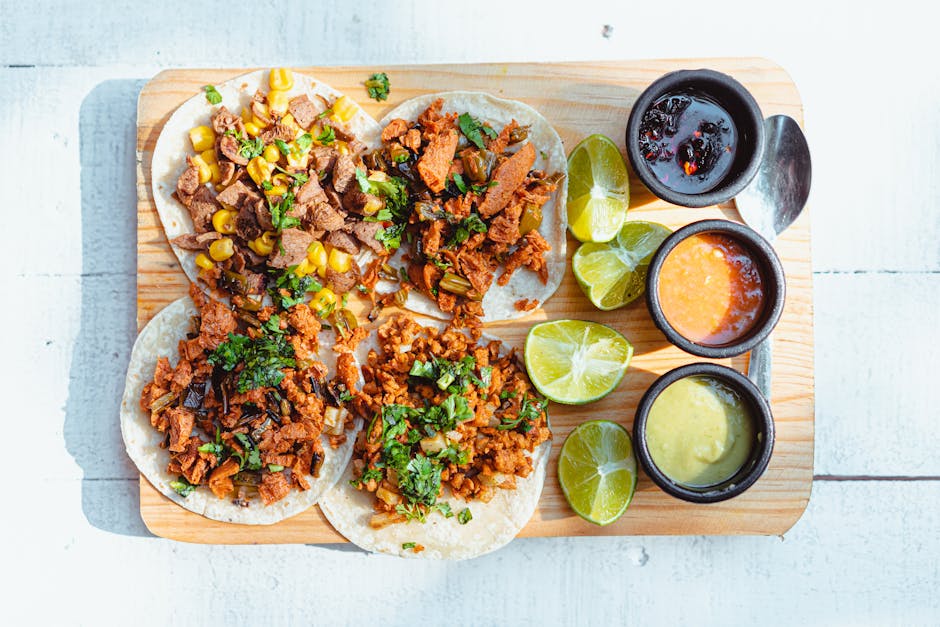
Mexican cuisine is inherently plant-forward. Corn tortillas, black beans, rice, and salsas form the base of many meals. Tacos de frijoles (bean tacos), elote (grilled corn with chili and lime), and guacamole are naturally vegan. In Oaxaca, look for tlayudas—large, crispy tortillas topped with beans, lettuce, and salsa. Just avoid queso fresco and crema unless labeled vegan.
Peru: Ancient Grains and Bold Spices
Peru’s culinary heritage includes quinoa, kiwicha (amaranth), and a variety of potatoes. Causa rellena—a layered potato dish—can be made vegan with avocado and vegetables. Rocoto relleno (stuffed spicy pepper) sometimes uses meat, but vegan versions with quinoa or lentils are available in Lima’s plant-based restaurants. Don’t miss chicha morada, a refreshing drink made from purple corn.
United States: A Vegan Melting Pot
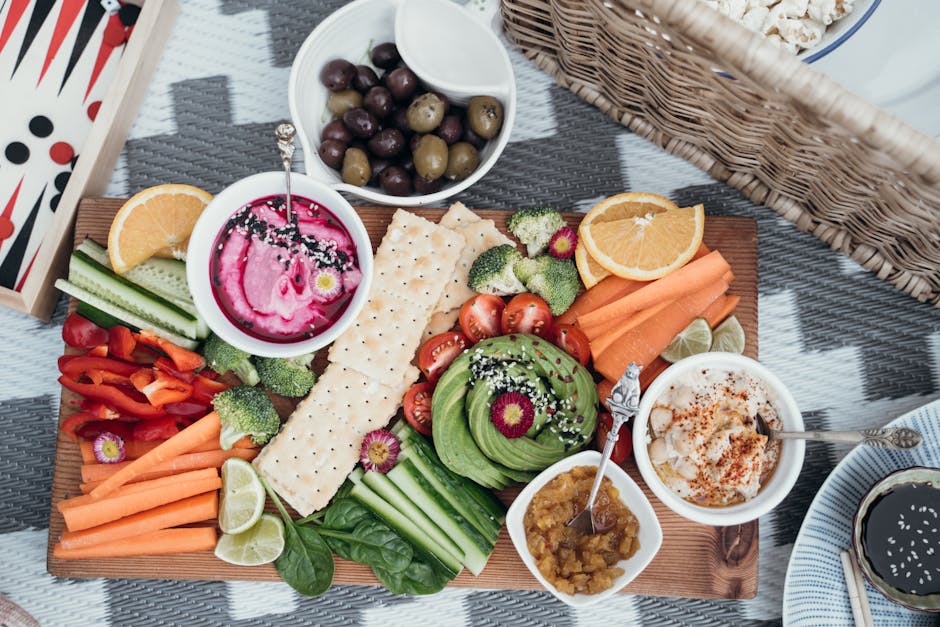
The U.S. offers vegan versions of nearly every cuisine. In California, jackfruit tacos and avocado toast are staples. New York has vegan bagels, pizza, and even cheesesteaks. Southern cities like Atlanta and New Orleans serve vegan gumbo and collard greens. Farmers markets and food trucks often feature creative plant-based dishes, especially in cities like Portland and Austin.
Africa and the Middle East: Rich Traditions and Shared Meals
These regions offer some of the most naturally vegan cuisines, with communal eating and plant-based staples at the heart of culture.
Ethiopia: Injera and Shared Plates
Ethiopian food is ideal for vegans. Injera—a spongy sourdough flatbread—is used to scoop up vegetable stews like misir wot (spiced lentils), gomen (collard greens), and azifa (lentil salad). Most Ethiopian restaurants offer a vegetarian platter (ye’tsebhi beyaynetu), which is typically vegan. Just confirm that no niter kibbeh (spiced butter) is used.
Morocco: Tagines and Street Eats
Moroccan cuisine features vegetables, dried fruits, and spices. Vegetable tagines with carrots, potatoes, and chickpeas are common and often vegan. Couscous can be served with seven vegetables and no meat. Street food like msemen (flaky pancakes) and harira (lentil soup) are usually plant-based. In Marrakech and Fes, many riads offer vegan breakfasts with olives, bread, and mint tea.
Lebanon: Mezze Mastery
Lebanese mezze is a vegan feast. Hummus, baba ghanoush, tabbouleh, and falafel are all plant-based. Fattoush (bread salad) and mujadara (lentils and rice) are filling mains. In Beirut, vegan-friendly cafes are common, and many traditional dishes require no modification. Always ask about yogurt-based sauces, which may contain dairy.
Tips for Finding Vegan Foods While Traveling
Knowing what to look for makes all the difference. Start by researching local dishes before you go. Use apps like HappyCow to find vegan restaurants and read reviews. Learn a few key phrases in the local language—such as “I don’t eat meat, dairy, or eggs”—to communicate clearly. When in doubt, stick to simple dishes with visible ingredients, like grilled vegetables or rice bowls. Carry snacks like nuts or energy bars for long travel days.
What to Avoid and How to Confirm Ingredients
Hidden animal products can sneak into seemingly vegan dishes. Fish sauce is common in Southeast Asia, while ghee appears in Indian and Middle Eastern cooking. In Europe, some breads and pastries contain milk or eggs. Always ask about broth bases—many soups and sauces use meat or fish stock. When dining out, don’t hesitate to ask the server or chef. Most are happy to accommodate dietary needs, especially in larger cities.
How to Stay Healthy and Energized
Travel can disrupt routines, but a balanced vegan diet supports energy and immunity. Focus on protein sources like lentils, tofu, and chickpeas. Include complex carbs such as rice, quinoa, and whole grains for sustained fuel. Stay hydrated and consider a B12 supplement, especially on longer trips. Many destinations offer fresh fruit markets—perfect for quick, nutritious snacks.
Embracing Local Culture Through Food
Eating vegan while traveling isn’t just about sustenance—it’s a way to connect with local culture. Sharing a meal of injera in Addis Ababa or a bowl of ramen in Kyoto creates memories that go beyond taste. Many traditional dishes evolved as plant-based out of necessity or religious practice, offering insight into a region’s history and values. By choosing vegan foods, you’re not missing out—you’re engaging more deeply with the places you visit.
Final Thoughts
The world is full of delicious vegan foods waiting to be discovered. From the spice markets of Marrakech to the night stalls of Bangkok, plant-based eating enriches travel experiences. With a little knowledge and preparation, you can enjoy authentic, satisfying meals wherever you go. The key is to stay curious, ask questions, and embrace the local flavors that make each destination unique.
FAQ
Q: Is it hard to find vegan food in rural areas?
A: It can be more challenging, but not impossible. Focus on simple dishes like rice, beans, and vegetables. Carry snacks and use translation cards to explain your diet. In many rural regions, traditional meals are naturally plant-based.
Q: How do I know if a dish is truly vegan?
A: Always ask about ingredients, especially broths, sauces, and oils. Look for hidden items like fish sauce, ghee, or egg. When in doubt, choose dishes with visible, whole ingredients.
Q: Are vegan options more expensive when traveling?
A: Not necessarily. Street food and local markets often offer affordable vegan meals. In some countries, plant-based dishes are cheaper than meat-based ones. Planning ahead and cooking occasionally can also reduce costs.