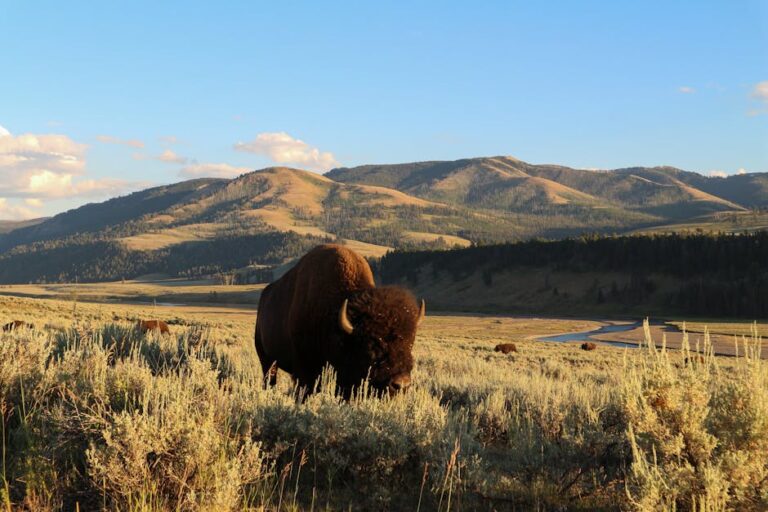

Nature Travel Guide with Forest Trails and Scenic Views
Planning a nature getaway? This guide helps you discover forest trails and scenic viewpoints ideal for hiking, photography, and quiet reflection. Whether you’re seeking a weekend escape or a longer adventure, we highlight accessible routes, essential gear, and safety tips to make your outdoor experience rewarding and safe. From misty mountain paths to sun-dappled woodland loops, these destinations offer natural beauty without requiring expert-level skills.
Why Choose Forest Trails for Your Next Adventure
Forest trails provide a unique blend of physical activity, mental relaxation, and visual reward. Unlike crowded tourist spots, wooded paths often feel peaceful and immersive. The canopy overhead filters sunlight, creating a soft glow that enhances photography and reduces glare.
These environments also support biodiversity. You might spot birds, deer, or wildflowers depending on the region. Trails vary from flat, wheelchair-accessible routes to steep climbs with panoramic outlooks. Choosing the right path depends on your fitness level, time, and interests.
Top Forest Trails with Scenic Views
1. Misty Ridge Loop – Pacific Northwest, USA
This 4.2-mile loop in Washington State winds through old-growth Douglas fir and western red cedar. Elevation gain is moderate at 800 feet, leading to a viewpoint overlooking Puget Sound. The trail is well-marked and rarely crowded on weekdays.
Best visited in late spring when rhododendrons bloom, the path includes boardwalks over wet areas and benches at rest points. Bring a rain jacket—weather changes quickly here. Dogs are allowed but must be leashed.
2. Black Forest Trail – Pennsylvania, USA
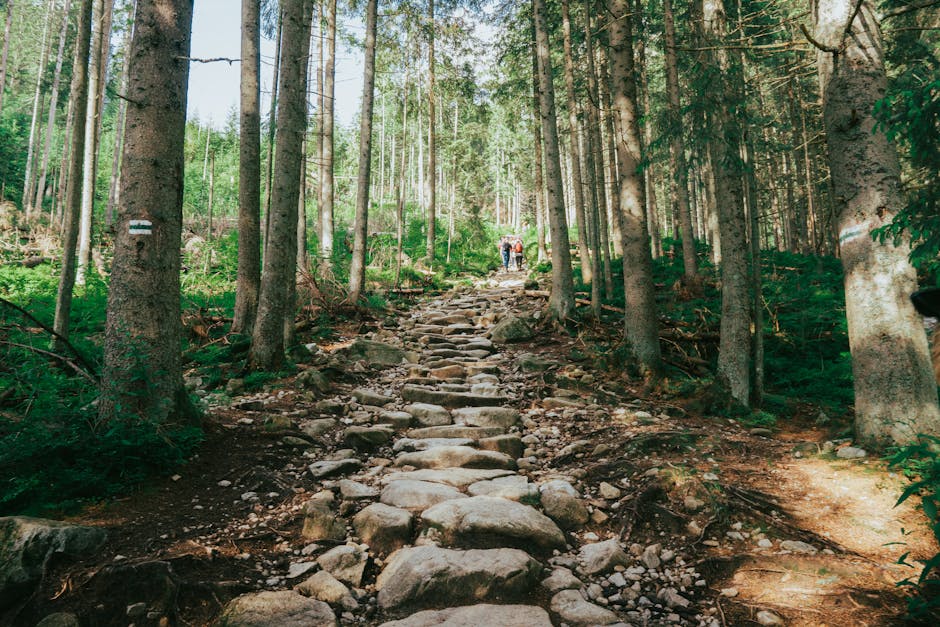
Stretching 32 miles, this trail offers shorter segments perfect for day hikes. The 6-mile stretch from Blue Knob to Tussey Mountain rewards hikers with views of the Appalachian ridges. Dense hemlock and oak forests provide shade even in summer.
Water sources are limited, so carry enough for the full hike. The trail is rocky in places—sturdy boots are recommended. Fall foliage here is exceptional, drawing photographers from across the region.
3. Daintree Rainforest Walk – Queensland, Australia
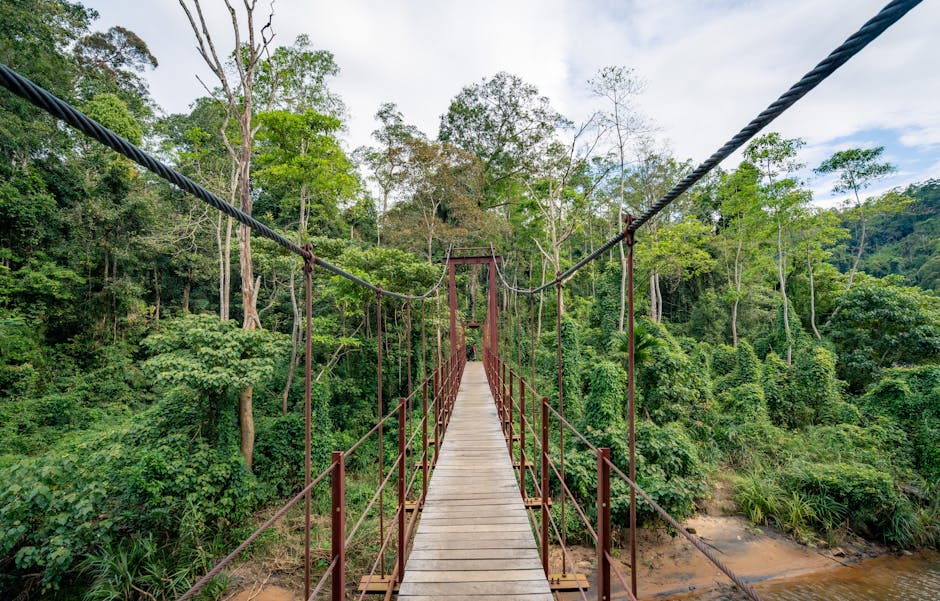
One of the world’s oldest rainforests, Daintree offers guided boardwalk tours and self-guided trails. The 1.2-mile Jindalba circuit is flat and suitable for all ages. Highlights include ancient fan palms and the chance to see cassowaries.
Guided walks explain the ecosystem and cultural history of the Indigenous Kuku Yalanji people. Visit early morning to avoid heat and crowds. Mosquito repellent is essential—sandflies are common near water.
4. Blackwood Forest Path – Devon, England
This circular route near Exeter combines woodland, meadow, and riverbank scenery. At just under 3 miles, it’s ideal for families or a relaxed afternoon. The trail follows the River Yeo and passes remnants of medieval woodlands.
Wildlife includes kingfishers and otters, especially near the water. Benches and picnic areas are spaced along the path. Public transport links make access easy from nearby towns.
How to Prepare for a Forest Trail Hike
Check Trail Conditions and Weather
Always review recent trail reports before heading out. Websites like AllTrails or local park services post updates on closures, mud levels, or wildlife activity. Weather can shift quickly in forests—especially at higher elevations.
Rain turns dirt paths to mud and increases slip risk. Snow or ice may appear unexpectedly in mountain forests, even in spring. Check forecasts the night before and the morning of your hike.
Pack the Right Gear
Essential items include a daypack, water (at least 2 liters for half-day hikes), snacks, a first-aid kit, and a map or GPS device. Wear moisture-wicking clothing and broken-in hiking shoes with grip.
Add layers for temperature changes—forests can be cooler than open areas. A headlamp or flashlight is wise, even for short hikes, in case you’re delayed. Don’t forget sunscreen and insect repellent.
Dress for the Environment
Long sleeves and pants protect against ticks, poison ivy, and sun exposure. Choose light colors to spot ticks easily. In wet climates, waterproof jackets and pants keep you dry and comfortable.
Avoid cotton, which retains moisture. Synthetic or wool blends dry faster and regulate body temperature better. A wide-brimmed hat shields your face and neck from sun and low branches.
Safety Tips for Forest Hiking
Stay on Marked Trails
Wandering off-path increases the risk of getting lost or damaging fragile ecosystems. Trail markers—usually colored blazes or signs—help you stay oriented. If markers are unclear, pause and reassess your route.
Download an offline map or use a GPS app with trail data. Cell service is often unreliable in dense forests. Let someone know your planned route and return time before you leave.
Be Aware of Wildlife
Most forest animals avoid humans, but encounters happen. In North America, black bears and coyotes are common. Make noise while hiking to avoid surprising them. Store food in bear-proof containers where required.

In Australia, watch for snakes and spiders. Stick to open paths and avoid reaching into crevices. If you see wildlife, observe from a distance and do not feed animals—it’s dangerous and often illegal.
Know Basic First Aid
Carry a compact first-aid kit with bandages, antiseptic, tweezers, and blister treatment. Learn how to treat minor cuts, sprains, and insect stings. For serious injuries, stay calm and signal for help if possible.
Hypothermia can occur even in mild weather if you’re wet and windy. Recognize early signs: shivering, confusion, fatigue. Seek shelter and warm up gradually if symptoms appear.
Best Times to Visit Forest Trails
Spring and early fall are ideal for most temperate forests. Flowers bloom in spring, and fall offers vibrant foliage with cooler temperatures. Summer can be hot and buggy, while winter trails may be icy or snow-covered.
In tropical forests like Daintree, dry season (May to October) reduces mud and insect activity. Avoid monsoon periods when trails flood. Always check seasonal advisories for your destination.
Early mornings provide softer light for photography and fewer crowds. Wildlife is often more active at dawn. Sunset hikes offer golden views but require extra caution—carry lights and allow time to return before dark.
Photography Tips for Scenic Forest Views
Use a polarizing filter to reduce glare on leaves and water. Shoot during the “golden hour”—just after sunrise or before sunset—for warm, diffused light. A tripod helps with long exposures in low light.
Focus on layers: foreground foliage, midground trees, and distant hills. This adds depth to your images. Avoid over-editing—natural tones often look best in forest photography.
Respect the environment: don’t trample plants for a better angle. Use existing openings or viewpoints. Leave no trace, including no drone use where prohibited.
Eco-Friendly Hiking Practices
Follow Leave No Trace principles: pack out all trash, stay on trails, and avoid picking plants or disturbing animals. Use biodegradable soap if washing dishes, and do so at least 200 feet from water sources.
Support local conservation efforts by visiting parks that fund trail maintenance. Consider donating or volunteering with trail organizations. Your presence can help protect these spaces for future visitors.
Avoid single-use plastics. Bring reusable water bottles and food containers. Many trailheads now have refill stations. Carry a small trash bag to collect litter you find along the way.
Family-Friendly Forest Trails
Look for trails under 3 miles with minimal elevation gain. Paved or gravel paths are easier for strollers. Trails with interpretive signs or nature scavenger hunts keep children engaged.
Pack extra snacks, water, and a change of clothes. Let kids help choose the route to build excitement. Take breaks at viewpoints or streams. Always supervise children near water or steep edges.
Examples include the Fern Grotto Trail in Hawaii and the Glen Affric Circuit in Scotland—both offer short, scenic walks with educational elements.
Accessible Trails for All Abilities
Many forests now offer wheelchair-accessible paths with smooth surfaces and gentle slopes. These trails often include ramps, railings, and rest areas. Check park websites for accessibility details.
The Cradle Mountain track in Tasmania has a fully accessible boardwalk with views of Dove Lake. In the UK, the New Forest has several flat, surfaced routes suitable for mobility scooters.
Service animals are permitted on most trails. Contact the park in advance if you need special accommodations. Some locations offer audio guides or tactile maps for visually impaired visitors.
What to Do After Your Hike
Clean your gear to prevent spreading invasive species. Brush off mud and seeds from shoes and clothes. Wash packs and check for ticks on yourself and pets.
Rest and rehydrate. Stretch sore muscles and reflect on the experience. Share photos or notes in a journal. Consider joining a local hiking group to stay motivated.
Support the trail by leaving a positive review online or donating to maintenance funds. Your feedback helps others discover safe, beautiful routes.
FAQ
Q: What should I wear for a forest trail hike?
A: Wear moisture-wicking clothing, long sleeves and pants for protection, and sturdy hiking shoes with grip. Add layers for changing weather and a hat for sun or bug protection.
Q: Are forest trails safe for solo hikers?
A: Yes, if you prepare well. Tell someone your route, carry a map and phone, stay on marked trails, and avoid risky areas. Stick to popular, well-maintained paths for added safety.
Q: Can I bring my dog on forest trails?
A: Many trails allow dogs, but they must be leashed and under control. Check local rules, clean up waste, and ensure your dog is fit for the distance and terrain.