Best Wildlife Travel Destinations for Bird Watching Trips
Bird watching offers a unique blend of adventure, education, and tranquility. For enthusiasts and nature lovers, choosing the right destination is key to spotting diverse species in their natural habitats. The best wildlife travel destinations for bird watching trips combine rich biodiversity, accessible trails, and seasonal migrations. From tropical rainforests to coastal wetlands, these locations provide unforgettable experiences. This guide highlights top global destinations, practical tips, and essential planning advice to help you plan a successful birding adventure.
Why Bird Watching Travel Is Worth the Trip
Bird watching isn’t just about ticking species off a list. It’s a chance to connect with nature, improve mindfulness, and support conservation efforts. Traveling to prime birding locations increases your chances of seeing rare or endemic species that aren’t found elsewhere. Many destinations also offer guided tours led by local experts who enhance the experience with knowledge of bird behavior and ecology.
Unlike backyard birding, wildlife travel immerses you in ecosystems where birds thrive. Whether you’re observing flamingos in shallow lagores or tracking eagles through mountain passes, these trips deliver deeper engagement with the natural world.
Top Global Destinations for Bird Watching
1. Costa Rica – A Tropical Birding Paradise
Costa Rica is one of the most biodiverse countries on Earth, home to over 900 bird species. Its varied landscapes—rainforests, cloud forests, mangroves, and coastlines—create ideal habitats for birds. The country’s commitment to conservation ensures protected areas remain intact for wildlife.
Popular spots include Corcovado National Park on the Osa Peninsula, where scarlet macaws and toucans are common. Monteverde Cloud Forest Reserve offers sightings of the resplendent quetzal, a bird revered by ancient Mesoamerican cultures. The Palo Verde Biological Station along the Tempisque River is excellent for waterfowl, including herons, egrets, and jabirus.
2. Kenya – East African Wetlands and Savannas
Kenya’s diverse ecosystems make it a premier destination for bird watchers. Lake Nakuru National Park is famous for its flocks of lesser and greater flamingos, which can number in the millions during peak seasons. The alkaline lake also attracts pelicans, cormorants, and fish eagles.
The Masai Mara supports a wide range of raptors and migratory birds. During the annual wildebeest migration, bird activity increases as predators and scavengers follow the herds. For a quieter experience, visit the Taita Hills or the coastal forests near Mombasa, where rare species like the Sokoke scops owl reside.
3. India – From the Himalayas to the Backwaters
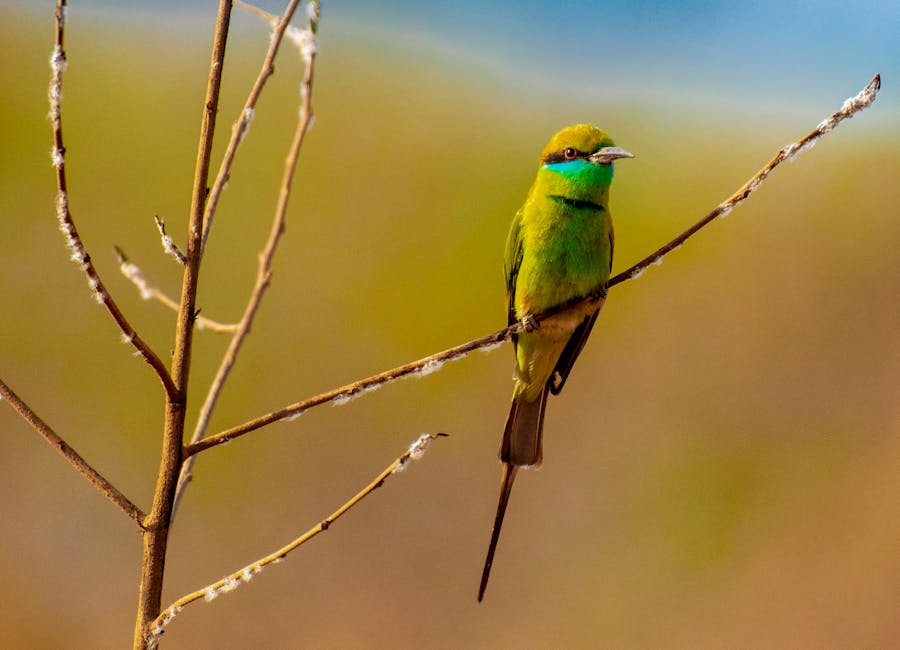
India’s bird diversity is staggering, with over 1,300 species recorded. The country’s varied geography—from high-altitude lakes to tropical wetlands—supports a wide range of avian life. Keoladeo National Park in Rajasthan, a UNESCO World Heritage Site, is a winter haven for migratory birds like the Siberian crane, though the species is now critically rare.
The Western Ghats are rich in endemics, including the Malabar trogon and the Nilgiri flycatcher. In the northeast, Kaziranga National Park offers sightings of the great Indian hornbill and Bengal florican. For high-altitude birding, visit Pangong Lake in Ladakh, where bar-headed geese and brown-headed gulls nest.
4. Australia – Unique Species Down Under
Australia is home to many birds found nowhere else, such as the kookaburra, lyrebird, and cassowary. The Daintree Rainforest in Queensland is one of the oldest rainforests on Earth and a hotspot for bird diversity. Here, you can spot the southern cassowary, a large flightless bird that plays a vital role in seed dispersal.
Kakadu National Park in the Northern Territory offers wetlands teeming with magpie geese, brolgas, and jabirus. The park’s seasonal flooding creates ideal conditions for waterbirds. In Tasmania, the swift parrot and forty-spotted pardalote are among the rare species attracting birders.
5. United States – Diverse Habitats Across the Continent
The U.S. offers accessible birding opportunities across varied landscapes. The Everglades in Florida is a UNESCO site where roseate spoonbills, wood storks, and anhingas thrive. The region’s mangroves and sawgrass marshes support a rich food web.
Point Reyes National Seashore in California is a key stopover on the Pacific Flyway. During migration seasons, thousands of shorebirds, including sandpipers and godwits, rest and feed here. In Alaska, the Pribilof Islands are known for their seabird colonies, with puffins, murres, and kittiwakes nesting on cliffs.
When to Go: Timing Your Bird Watching Trip
Timing is crucial for successful bird watching. Migration periods offer the highest chances of spotting a variety of species. In the Northern Hemisphere, spring (March to May) and fall (September to November) are prime times. Many birds are more active during early mornings and late afternoons.
Some destinations have unique seasonal highlights. In Costa Rica, the dry season (December to April) offers clearer skies and easier trail access. In Kenya, the best time for flamingos at Lake Nakuru is during the rainy season when water levels rise. Always research local conditions before booking.
What to Bring: Essential Gear for Birders
Proper equipment enhances your birding experience without weighing you down. A good pair of binoculars with 8x or 10x magnification is essential. Look for models with waterproofing and image stabilization for use in humid or windy conditions.
A field guide or bird identification app helps with species recognition. Apps like Merlin Bird ID use photos and sounds to assist in identification. A lightweight notebook and pen allow you to record sightings, behaviors, and locations. Don’t forget a camera with a telephoto lens for capturing moments without disturbing birds.
How to Choose a Bird Watching Tour
Guided tours offer expert knowledge and logistical support. Look for operators with certified naturalists or ornithologists on staff. Small group sizes ensure a better experience and less disturbance to wildlife. Check reviews and ask about their conservation policies.
Some tours focus on photography, while others emphasize bird behavior or conservation. Choose one that matches your interests. Reputable companies provide detailed itineraries, including expected species and daily schedules. Avoid operators that promise rare sightings—ethical birding prioritizes observation over disturbance.
Responsible Bird Watching Practices
Bird watching should never harm the birds or their habitats. Always maintain a respectful distance. Use playback calls sparingly and only when permitted, as overuse can disrupt breeding or feeding.
Stay on marked trails to protect vegetation and nesting sites. Never litter or leave food behind. Support eco-lodges and local conservation projects when possible. Your travel choices can contribute to habitat preservation and community development.
Hidden Gems: Lesser-Known Birding Spots
While famous parks attract crowds, quieter locations offer equally rewarding experiences. In Ecuador, the Mindo Valley is a cloud forest haven for hummingbirds, with over 150 species recorded. The area’s butterfly farms and canopy walks add to the adventure.
In South Africa, the iSimangaliso Wetland Park is a UNESCO site with diverse birdlife, including the palm-nut vulture and African fish eagle. The park’s mix of estuaries, coral reefs, and forests supports over 500 bird species.
For a European option, consider the Danube Delta in Romania. This vast wetland is a refuge for pelicans, cormorants, and pygmy cormorants. Boat tours allow close observation without intrusion.
Challenges and How to Overcome Them
Bird watching can be unpredictable. Weather, time of day, and habitat changes affect sightings. Patience is essential—some birds appear only briefly or during specific conditions.
Language barriers may arise in international destinations. Learning a few local phrases or hiring a bilingual guide can improve communication. Always carry identification and emergency contacts when traveling to remote areas.
Health and safety are important. Check vaccination requirements and carry a basic first-aid kit. In tropical regions, use insect repellent to prevent mosquito-borne diseases like malaria or dengue.
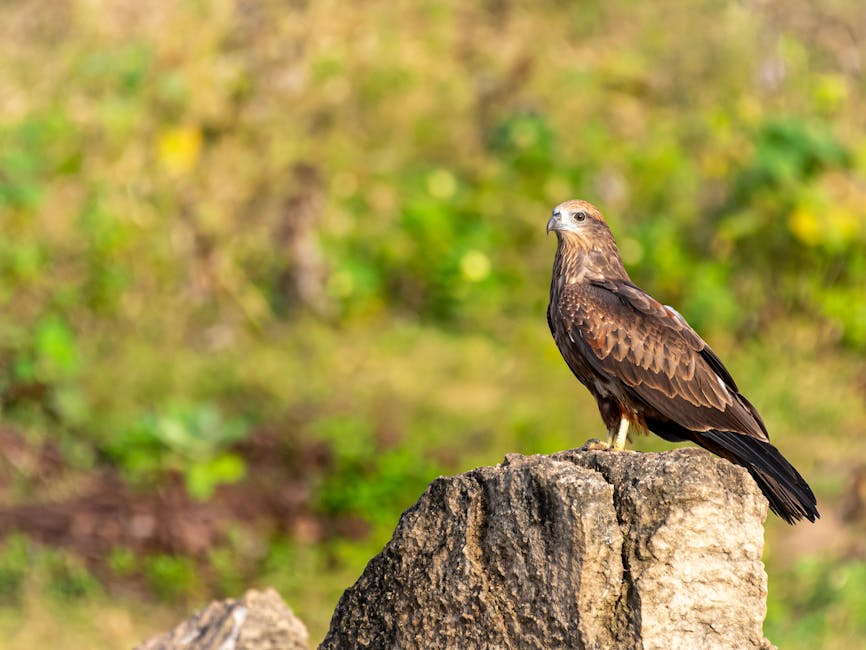
Bird Watching for Beginners: Getting Started
You don’t need to be an expert to enjoy bird watching. Start with local parks or nature reserves to build familiarity with common species. Use a beginner-friendly field guide or app to learn identification basics.
Join a local birding club or online community. Experienced birders often share tips, hotspots, and upcoming events. Many clubs organize group outings, which are great for learning and networking.
When planning your first international trip, choose a destination with good infrastructure and English-speaking guides. Costa Rica and the U.S. are excellent starting points due to accessibility and support services.
Conservation and the Role of Bird Watchers
Bird watchers play a vital role in conservation. Citizen science projects like eBird allow birders to submit sightings that help scientists track populations and migration patterns. Your data contributes to research and policy decisions.
Supporting protected areas through park fees and donations helps fund habitat management and anti-poaching efforts. Many birding tours include a conservation component, such as tree planting or community education.
By choosing responsible travel practices, you help ensure these destinations remain vibrant for future generations.
Final Thoughts: Planning Your Next Adventure
The best wildlife travel destinations for bird watching trips offer more than just sightings—they provide connection, discovery, and purpose. Whether you’re drawn to the rainforests of Costa Rica or the wetlands of Kenya, each location presents unique opportunities to observe and appreciate avian life.
With careful planning, the right gear, and a respectful approach, your birding journey can be both rewarding and sustainable. Start researching, pack your binoculars, and prepare for an adventure that celebrates the beauty of birds in the wild.
FAQ
What is the best time of year for bird watching trips?
The ideal time varies by location, but generally, spring and fall migration seasons offer the most bird activity. In tropical regions, the dry season often provides better visibility and trail access.
Do I need special equipment to start bird watching?
Basic gear includes binoculars, a field guide or app, and a notebook. A camera with a telephoto lens is helpful but not required. Comfortable clothing and sturdy footwear are also important.
How can I ensure my bird watching trip is eco-friendly?
Choose responsible tour operators, stay on marked trails, avoid disturbing birds, and support local conservation efforts. Minimize waste and respect local communities and wildlife habitats.