Finland Travel Guide: Best Places and Travel Tips
Finland offers a unique blend of natural beauty, modern cities, and rich cultural traditions. Whether you’re chasing the Northern Lights, exploring pristine forests, or relaxing in a lakeside sauna, this Nordic gem delivers unforgettable experiences. This guide covers the best places to visit, practical travel tips, and essential advice to help you plan a smooth and rewarding trip to Finland.
Why Visit Finland?
Finland stands out as a destination that balances tranquility with innovation. It’s consistently ranked among the world’s happiest countries, thanks to its high quality of life, clean environment, and strong social systems. From the vibrant streets of Helsinki to the remote wilderness of Lapland, Finland offers diverse experiences for every traveler.
The country’s commitment to sustainability and nature preservation makes it ideal for eco-conscious travelers. With over 70% of the country covered in forests and thousands of lakes, outdoor adventures are always within reach. Whether you’re into hiking, skiing, or simply enjoying silence under the midnight sun, Finland delivers.
Top Destinations in Finland
Helsinki: The Capital of Design and Culture
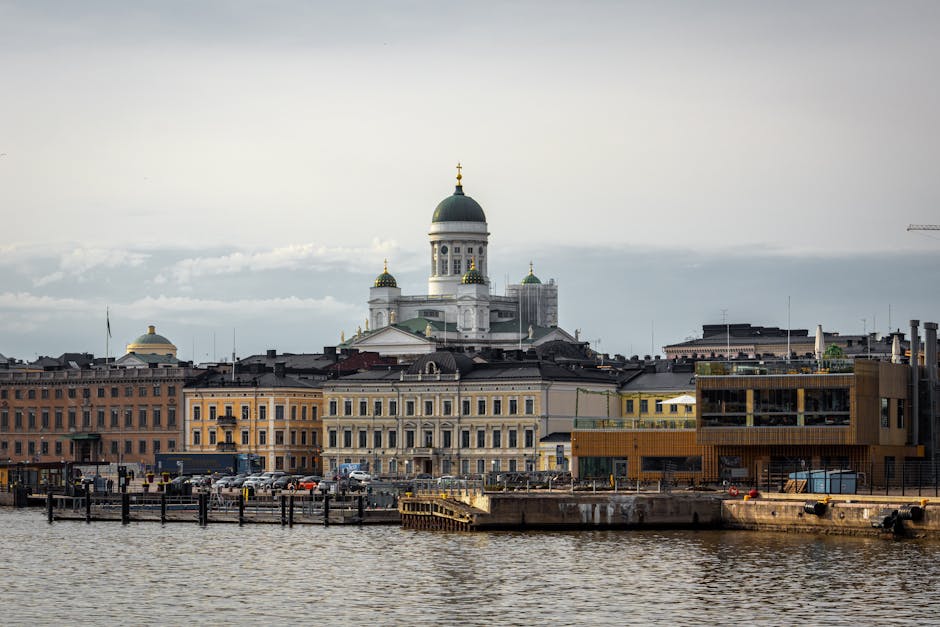
Helsinki, Finland’s capital, is a compact city where modern architecture meets Nordic minimalism. Start your visit at Senate Square, home to the iconic Helsinki Cathedral and neoclassical buildings. The nearby Market Square offers fresh fish, local berries, and handmade crafts—perfect for a quick bite or souvenir.
Don’t miss the Design District, a neighborhood filled with galleries, boutiques, and cafes. The Ateneum Art Museum showcases Finnish masterpieces, while the contemporary Kiasma Museum features bold international works. For a unique experience, take a short ferry ride to Suomenlinna, a sea fortress and UNESCO World Heritage Site.
Rovaniemi: Gateway to Lapland
Rovaniemi, located just above the Arctic Circle, is the official hometown of Santa Claus. It’s a must-visit for families and winter adventurers. The Arctic Circle marks the boundary between the north and south, and crossing it is a fun photo opportunity.
Visit Santa Claus Village for a meet-and-greet with the man in red, send a postcard from the official post office, or ride a reindeer sleigh. In winter, Rovaniemi transforms into a snowy wonderland ideal for husky sledding, snowmobiling, and Northern Lights viewing. The Arktikum Museum offers fascinating insights into Arctic life and Sami culture.
Lapland: Wilderness and the Northern Lights
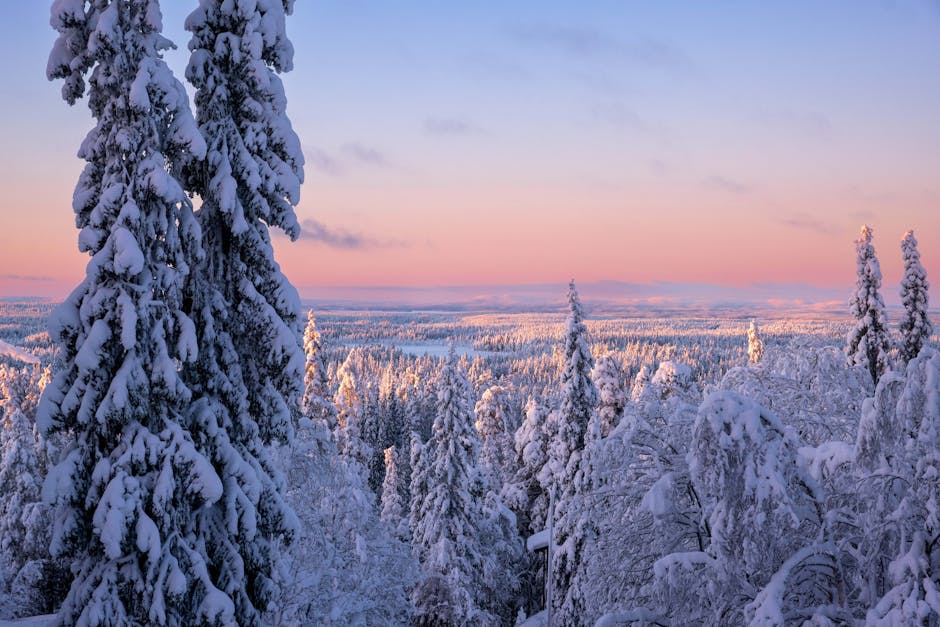
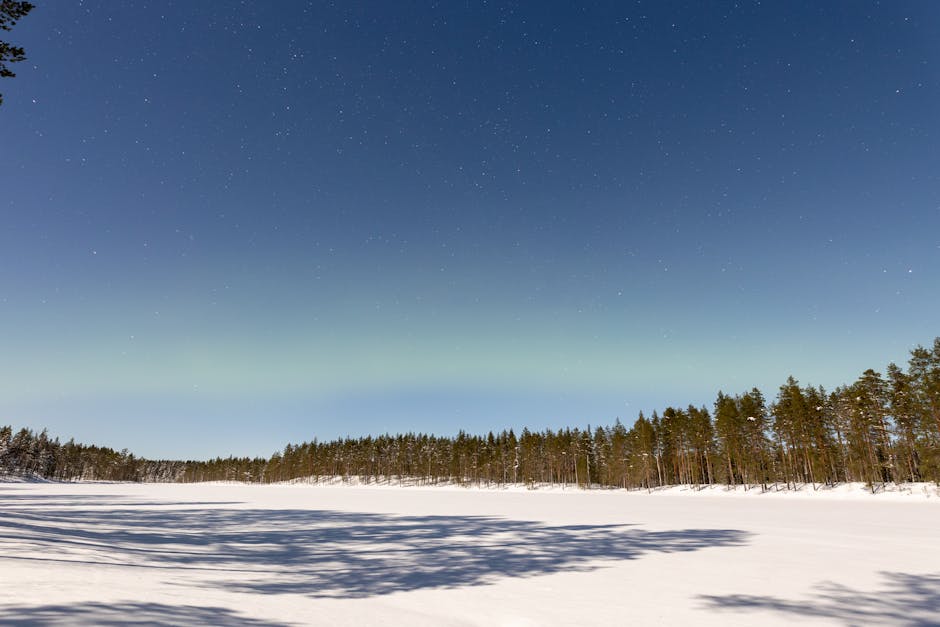
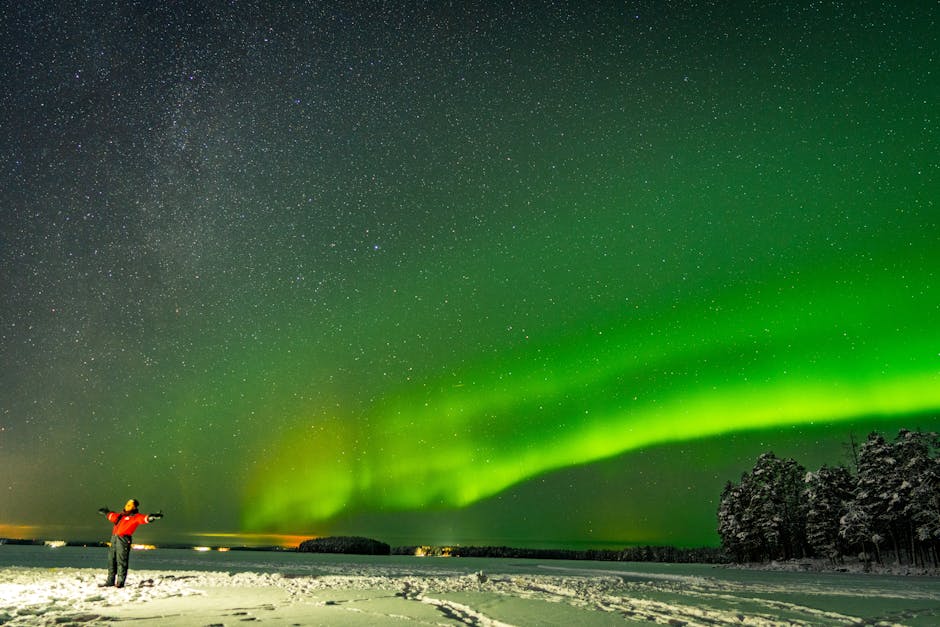
Lapland, Finland’s northernmost region, is synonymous with untouched nature and magical phenomena. In winter, the landscape is blanketed in snow, creating a perfect setting for aurora borealis sightings. The best time to see the Northern Lights is from late September to early March, with peak activity around midnight.
Popular bases include Levi and Ylläs, both offering ski resorts, cozy cabins, and guided aurora tours. For a more remote experience, consider staying in a glass igloo at Kakslauttanen or a wilderness lodge in Urho Kekkonen National Park. These accommodations offer uninterrupted views of the night sky.
Turku: Finland’s Oldest City
Founded in the 13th century, Turku is rich in history and charm. The Turku Castle and Cathedral are key landmarks, offering glimpses into medieval Finland. The city sits at the mouth of the Aura River, and a riverside walk is one of the most scenic ways to explore.
Turku’s archipelago, with over 20,000 islands, is perfect for summer cruises and kayaking. In winter, the city hosts the annual Christmas Peace Declaration, a centuries-old tradition. Turku also serves as a gateway to the nearby Archipelago Sea, ideal for island-hopping adventures.
Savonlinna: Home of the Opera Festival
Nestled in the heart of Finnish Lakeland, Savonlinna is best known for its medieval Olavinlinna Castle. Every summer, the castle hosts the renowned Savonlinna Opera Festival, drawing music lovers from around the world. The event transforms the town into a cultural hub.
The surrounding lakes and forests make it a prime spot for boating, fishing, and hiking. Take a lake cruise to explore the Saimaa region, home to the endangered Saimaa ringed seal. The tranquil waters and pine-lined shores offer a peaceful retreat from city life.
Best Time to Visit Finland
The ideal time to visit Finland depends on your interests. Summer (June to August) offers long days, with the midnight sun visible in the north. It’s perfect for hiking, cycling, and exploring national parks. Temperatures range from 15°C to 25°C (59°F to 77°F), making it comfortable for outdoor activities.
Winter (December to March) is magical for snow sports and Northern Lights. While temperatures can drop below -20°C (-4°F), proper clothing makes it manageable. This is also the best season for visiting Lapland and experiencing Finnish winter traditions.
Spring (April to May) and autumn (September to October) offer fewer crowds and lower prices. Spring brings melting snow and blooming nature, while autumn showcases vibrant fall colors. These shoulder seasons are ideal for budget travelers and those seeking a quieter experience.
Getting Around Finland
Finland has an efficient and reliable public transportation system. Trains, operated by VR, connect major cities like Helsinki, Turku, Tampere, and Rovaniemi. The Pendolino high-speed trains make travel between Helsinki and Rovaniemi in about 8 hours comfortable and scenic.
Buses are a cost-effective option for reaching smaller towns and rural areas. Companies like Onnibus and Matkahuolto offer extensive routes. For flexibility, consider renting a car, especially if you plan to explore national parks or the archipelago.
Domestic flights are available for long distances, such as from Helsinki to Ivalo in northern Lapland. Finnair and Nordic Regional Airlines operate frequent flights. Always book in advance for the best rates.
Accommodation Options
Finland offers a wide range of accommodations to suit every budget. In cities, expect modern hotels, boutique stays, and international chains. Helsinki has everything from luxury suites to budget hostels, many located near public transport.
In rural and natural areas, cabins and cottages are popular. These often include saunas and lake access. Booking in advance is recommended, especially during peak seasons like Christmas and summer. For a unique experience, try a glass igloo, wilderness lodge, or even a traditional smoke sauna stay.
Hostels and guesthouses provide affordable options with communal kitchens and lounges. Many are family-run and offer a personal touch. Always check reviews and amenities before booking, especially in remote locations.
Food and Drink in Finland
Finnish cuisine emphasizes fresh, local ingredients. Staples include rye bread, fish (especially salmon and perch), berries (like lingonberries and cloudberries), and potatoes. Try karjalanpiirakka (Karelian pasties), reindeer stew, and smoked fish at local markets or restaurants.
Helsinki’s food scene is diverse, with options ranging from traditional Finnish fare to international cuisine. The Old Market Hall and Hietalahti Market Hall are great places to sample local delicacies. Don’t miss the chance to enjoy a coffee break—Finland has one of the highest coffee consumption rates in the world.
For drinks, Finnish craft beer and gin are gaining popularity. Sahti, a traditional farmhouse ale, is worth trying in rural areas. In winter, glögi (mulled wine) is a festive favorite. Alcohol is expensive due to high taxes, so consider buying from Alko, the state-run liquor store.
Cultural Etiquette and Tips
Finns value personal space, punctuality, and honesty. Greetings are usually brief—a handshake or nod is common. Avoid loud conversations in public spaces, especially on public transport. Silence is appreciated and not considered awkward.
Tipping is not expected, as service charges are included. However, rounding up the bill or leaving small change in cafes is appreciated. Dress modestly when visiting churches or religious sites.
Finnish is the official language, but English is widely spoken, especially among younger people and in tourist areas. Learning a few basic Finnish phrases, like “kiitos” (thank you) or “anteeksi” (excuse me), is always welcomed.
Packing Essentials for Finland
What to pack depends on the season. In winter, bring thermal layers, a heavy coat, waterproof boots, gloves, and a hat. Layering is key—indoor heating is strong, so you’ll want to adjust easily. Don’t forget a scarf and face protection for extreme cold.
In summer, pack light clothing, a rain jacket, and sturdy walking shoes. Evenings can be cool, so a light sweater is useful. For outdoor activities, bring insect repellent—mosquitoes can be abundant in forested areas during summer.
Always carry a reusable water bottle—Finland’s tap water is safe and delicious. A power adapter is necessary if you’re from outside Europe, as Finland uses the standard European plug (Type F).
Safety and Health
Finland is one of the safest countries in the world, with low crime rates and a reliable healthcare system. Emergency number is 112 for police, fire, or medical assistance. English-speaking operators are available.
EU citizens should carry a European Health Insurance Card (EHIC). Non-EU travelers should have comprehensive travel insurance. Pharmacies (apteekki) are widely available and can provide over-the-counter medications and advice.
When hiking or camping, be aware of ticks and mosquitoes. Use repellent and check for ticks after outdoor activities. In winter, avoid prolonged exposure to cold without proper gear. Frostbite and hypothermia are real risks in extreme conditions.
Budgeting for Your Trip
Finland is relatively expensive, but smart planning can help manage costs. Accommodation, dining, and activities can add up quickly. Budget travelers should consider hostels, self-catering, and free attractions like parks and museums.
Public transport is efficient and often cheaper than taxis. Many cities offer tourist cards that include free entry to attractions and unlimited public transport. Look for combo tickets for museums and tours.
Eating at local markets or grocery stores (like K-Citymarket or S-Market) is more affordable than restaurants. A meal at a mid-range restaurant can cost €15–€25, while a beer in a bar may be €7–€10. Plan accordingly and set a daily budget.
Unique Experiences in Finland
Beyond the usual sights, Finland offers unforgettable experiences. Try an authentic Finnish sauna—there are over 3 million saunas for a population of 5.5 million. Many hotels and public pools have saunas, and some even offer ice swimming afterward.
Visit a reindeer farm in Lapland to learn about Sami herding traditions. In summer, take a midnight sun cruise or go berry picking in the forest. In winter, try ice fishing or snowshoeing in a national park.
For something truly unique, attend a local festival. Events like Vappu (May Day) in Helsinki or the Ruisrock music festival in Turku draw large crowds and offer a taste of Finnish culture. Check local event calendars before your trip.
Environmental Responsibility
Finland takes environmental protection seriously. As a visitor, respect nature by following the “Everyman’s Right” (jokamiehenoikeus), which allows public access to nature but requires leaving no trace. Pack out all trash, stay on marked trails, and avoid disturbing wildlife.
Use public transport, bikes, or electric scooters when possible. Many cities have bike-sharing programs. Support local businesses and buy souvenirs made by Finnish artisans. Avoid single-use plastics and carry a reusable bag.
By traveling responsibly, you help preserve Finland’s pristine landscapes for future generations. Small actions make a big difference in such a nature-focused country.
Final Tips for a Smooth Trip
Book flights and accommodations early, especially for winter holidays and summer festivals. Check visa requirements based on your nationality—EU citizens don’t need a visa, but others may require one.
Download offline maps and translation apps. While English is widely spoken, having a Finnish phrasebook can be helpful in rural areas. Keep digital and physical copies of important documents.
Stay flexible. Weather in Finland can change quickly, especially in the north. Have backup plans for outdoor activities. And most importantly, embrace the Finnish way of life—slow down, enjoy nature, and savor the silence.
FAQ
What is the best time to see the Northern Lights in Finland?
The Northern Lights are visible from late September to early March, with peak activity between 9 PM and 2 AM. Lapland offers the best viewing conditions due to minimal light pollution.
Do I need a visa to visit Finland?
Citizens of EU/EEA countries do not need a visa. Visitors from the US, Canada, Australia, and many other countries can stay up to 90 days without a visa. Check the Finnish Immigration Service website for details.
Is Finland expensive for tourists?
Yes, Finland is one of the more expensive European destinations. However, budget options exist, such as hostels, public transport, and self-catering. Planning ahead and avoiding tourist traps can help reduce costs.