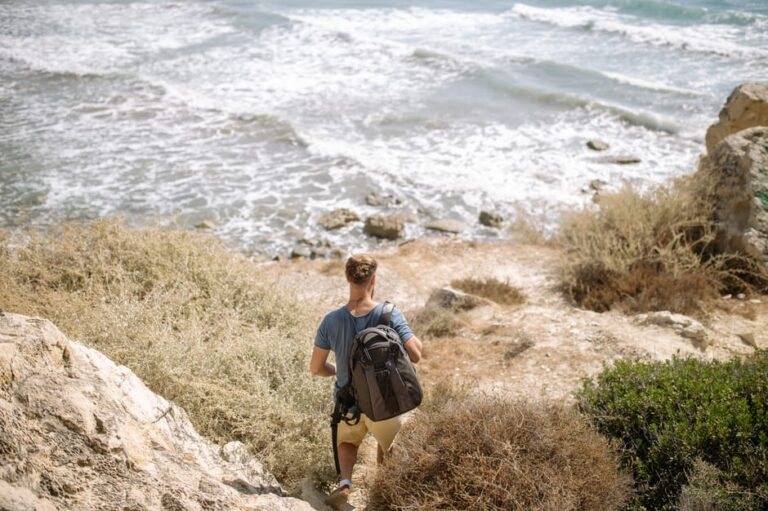

Travel Tips Guide with Budget Travel Planning Tips
Traveling doesn’t have to break the bank. With smart planning and a few insider strategies, you can explore the world without draining your savings. This travel tips guide focuses on practical budget travel planning tips that help you stretch every dollar while still enjoying authentic experiences. Whether you’re backpacking across Europe or taking a weekend trip to a nearby city, these methods work across destinations and travel styles.
From choosing affordable accommodations to finding cheap flights and eating like a local, this guide covers the essentials. You’ll learn how to prioritize spending, avoid common money traps, and make the most of free or low-cost activities. The goal isn’t to travel less—it’s to travel smarter.
Start with a Realistic Budget
Before booking anything, define your total trip budget. Include flights, lodging, food, transportation, activities, and a buffer for emergencies. A clear budget prevents overspending and helps you make informed decisions.
Break your budget into daily spending limits. For example, if your total budget is $1,200 for a 10-day trip, aim to spend no more than $120 per day. Use budgeting apps like Trail Wallet or Splitwise to track expenses in real time.
Estimate Costs by Category
Research average costs for your destination. A meal in Bangkok might cost $3, while the same meal in Paris could be $25. Use travel forums, blogs, and cost comparison sites like Numbeo to get accurate estimates.
Don’t forget hidden costs: visa fees, travel insurance, airport transfers, and tips. These can add up quickly if not accounted for early.
Set Priorities
Decide what matters most. Are you willing to stay in a hostel to afford a guided tour? Or would you rather splurge on food and skip paid attractions? Align your spending with your travel goals.
For example, if cultural experiences are key, allocate more to museum passes or local workshops. If relaxation is the focus, invest in a comfortable hotel near the beach.
Find Affordable Flights
Airfare often takes the biggest bite out of your budget. But with flexibility and the right tools, you can find significant savings.
Use flight comparison sites like Google Flights, Skyscanner, or Momondo. Set price alerts for your route and monitor trends. Mid-week flights (Tuesdays and Wednesdays) are often cheaper than weekend departures.
Be Flexible with Dates and Airports
Shifting your travel dates by just one or two days can save hundreds. Use the “flexible dates” feature on booking platforms to see the cheapest options.
Consider flying into smaller nearby airports. A flight to Oakland instead of San Francisco, or Manchester instead of London, might be cheaper—even after adding ground transportation.
Book in Advance—But Not Too Early
For domestic trips, booking 1–3 months ahead usually yields the best prices. For international travel, aim for 2–6 months in advance.
Last-minute deals exist but are risky. If you’re on a tight budget, avoid waiting until the final weeks unless you’re flexible on destination.
Choose Budget-Friendly Accommodations
Where you stay affects both cost and experience. Hotels aren’t your only option—nor are they always the best value.
Hostels offer clean, safe lodging at a fraction of hotel prices. Many now include private rooms, free Wi-Fi, and communal kitchens. Chains like Generator, Hostelworld, and Meininger are reliable in Europe.
Try Alternative Stays
Platforms like Airbnb and Vrbo can be cheaper than hotels, especially for groups or longer stays. Look for entire apartments with kitchens to save on meals.
House-sitting or home-swapping are free options if you’re open to caring for someone’s home. Sites like TrustedHousesitters connect travelers with homeowners needing pet or plant care.

Stay Outside Tourist Centers
Accommodations near major attractions are convenient but overpriced. Staying a short metro ride away can cut costs by 30–50%.
For example, staying in Brooklyn instead of Manhattan, or in Montmartre instead of the Champs-Élysées, offers better value and a more local feel.
Save on Food Without Sacrificing Flavor
Eating out for every meal adds up fast. But you don’t have to live on instant noodles to save money.
Shop at local markets and grocery stores. In Italy, grab fresh bread, cheese, and fruit for a picnic. In Thailand, street food stalls offer delicious meals for under $2.
Cook When Possible
If your accommodation has a kitchen, cook simple meals. Even reheating leftovers or making sandwiches saves money and reduces food waste.
Breakfast is often the easiest meal to prepare yourself. Skip hotel breakfast buffets, which can cost $20 or more per person.
Eat Where Locals Eat
Avoid restaurants near tourist sites. They charge premium prices for average food. Walk a few blocks away to find authentic, affordable eateries.
Look for lunch specials. Many restaurants offer the same dinner dishes at lower prices during midday hours.
Use Public Transportation
Rental cars, taxis, and ride-shares are convenient but expensive. Public transit is usually the cheapest and most efficient way to get around.
Buy day passes or multi-ride tickets when available. In cities like Berlin or Tokyo, transit passes offer unlimited travel for a fixed price.
Walk or Bike When Possible
Many cities are walkable, especially in historic centers. Walking is free, healthy, and lets you discover hidden gems.
Bike-sharing programs are common in European and Asian cities. A daily bike rental often costs less than a single metro ride.
Avoid Airport Taxis
Airport shuttles or public transit are almost always cheaper than taxis. In London, the Tube costs £6 to central areas, while a taxi can exceed £50.
Check if your destination offers free airport transfers with certain accommodations or travel packages.
Take Advantage of Free Activities
You don’t need to pay to have a great time. Many cities offer free museums, parks, walking tours, and cultural events.
Check municipal websites or tourism boards for “free days” at museums. In Paris, many museums are free on the first Sunday of the month.
Join Free Walking Tours

Companies like Sandemans or Free Tour offer guided walks where you pay what you think it’s worth at the end. These tours provide history, local tips, and a chance to meet other travelers.
Tours typically last 2–3 hours and cover major landmarks. Just tip fairly—guides rely on tips for income.
Explore Nature and Public Spaces
Parks, beaches, and hiking trails are often free and among the best parts of a destination. In New Zealand, national parks charge minimal entry fees or none at all.
Pack a picnic and spend the day outdoors. It’s relaxing, scenic, and budget-friendly.
Travel Off-Season
Prices drop significantly during shoulder or off-peak seasons. You’ll avoid crowds and enjoy better service at lower costs.
For example, visiting Greece in late April or early October means warm weather, fewer tourists, and lower prices than in July or August.
Know the Best Times to Visit
Research climate and events for your destination. Avoid major holidays or festivals if you’re on a budget—accommodations and flights spike in price.
In Japan, cherry blossom season (late March to early April) is beautiful but expensive. Visiting in May or September offers similar weather at lower costs.
Be Mindful of Weather Risks
Off-season travel may come with rain or cooler temperatures. Pack accordingly and have indoor backup plans.
For tropical destinations, avoid hurricane or monsoon seasons. Check historical weather patterns before booking.
Use Travel Rewards and Discounts
Loyalty programs and discount cards can save you money on flights, hotels, and activities.
Sign up for airline and hotel rewards programs. Even occasional travelers can accumulate points for free nights or upgrades.
Get a Travel Credit Card
Many credit cards offer sign-up bonuses, no foreign transaction fees, and travel insurance. Use them responsibly to earn points on everyday purchases.
Cards like the Chase Sapphire Preferred or Capital One Venture are popular among budget travelers for their flexibility and rewards.
Use Student or Youth Discounts
If you’re under 26 or a student, bring an ISIC card. It provides discounts on transport, museums, and accommodations worldwide.
Even non-students may qualify for senior or group discounts. Always ask—many places offer reduced rates if you inquire.
Pack Light to Avoid Fees
Checked baggage fees add up. Many budget airlines charge $30–$50 per bag. Packing light saves money and makes travel easier.

Use a carry-on suitcase or backpack. Stick to versatile clothing that can be mixed and matched. Roll clothes to save space.
Weigh Your Bag Before Leaving
Airline weight limits vary. A bag that’s fine at home might be overweight at the airport. Use a portable luggage scale to avoid surprise fees.
If you must check a bag, compare airline policies. Some include one free checked bag, while others charge for all luggage.
Leave Room for Souvenirs
It’s tempting to buy gifts, but they take up space and add weight. Pack lightly so you can bring home what you love without extra fees.
Choose small, meaningful items like postcards, local spices, or handmade crafts. They’re often cheaper and more authentic than mass-produced souvenirs.
Stay Safe and Insured
Saving money shouldn’t mean skimping on safety. Medical emergencies or trip cancellations can cost far more than prevention.
Buy travel insurance that covers medical care, trip delays, and lost luggage. Compare plans on sites like Squaremouth or InsureMyTrip.
Check What’s Covered
Read the fine print. Some policies exclude high-risk activities or pre-existing conditions. Make sure your plan matches your itinerary.
For long trips or adventure travel, consider comprehensive coverage. It’s a small price for peace of mind.
Keep Digital Copies of Documents
Scan your passport, visa, insurance policy, and itinerary. Store them in cloud storage or email them to yourself.
If your documents are lost or stolen, digital copies speed up replacement and help with insurance claims.
Final Tips for Smart Budget Travel
Budget travel isn’t about deprivation—it’s about making intentional choices. Focus on experiences over things, and you’ll get more value from every dollar.
Stay flexible, do your research, and trust your instincts. The best trips often come from spontaneity and local connections.
Remember: the goal is to see the world, not to spend the most. With these travel tips and budget travel planning tips, you can explore more, worry less, and create lasting memories.
FAQ
How far in advance should I book my trip to get the best prices?
For most destinations, booking flights 2–6 months in advance offers the best balance of availability and price. Accommodations can often be booked closer to departure, especially in less touristy areas.
Is it safe to stay in hostels?
Yes, especially if you choose well-reviewed hostels with secure lockers and 24-hour reception. Read recent guest reviews and check safety ratings on platforms like Hostelworld or Booking.com.
Can I really travel on a tight budget without sacrificing fun?
Absolutely. Many of the best travel experiences—like exploring local markets, hiking, or chatting with residents—are free or low-cost. Prioritizing experiences over luxury lets you enjoy more while spending less.