Best Nature Travel Experiences for Adventure Seekers
For those who crave adrenaline, solitude, and raw natural beauty, the world offers unforgettable outdoor adventures. Whether you’re trekking through misty rainforests, scaling mountain peaks, or diving into remote coral reefs, the best nature travel experiences for adventure seekers combine physical challenge with awe-inspiring landscapes. These journeys aren’t just about thrill—they’re about connection: to the earth, to local cultures, and to your own limits. From Patagonia’s windswept trails to Borneo’s canopy walks, we’ve curated a guide to the most rewarding wild escapes that deliver both excitement and authenticity.
Why Adventure Seekers Choose Nature Travel
Adventure travel in natural settings offers more than just scenic views. It provides a sense of accomplishment, mental clarity, and a break from digital overload. Unlike packaged tours, nature-based adventures often require preparation, resilience, and adaptability—qualities that deepen the experience.
Many travelers seek out these journeys to disconnect from routine and reconnect with the physical world. Whether it’s the silence of a desert at dawn or the rush of whitewater rapids, these moments create lasting memories. For adventure seekers, nature travel is not just a trip—it’s a transformation.
Top Destinations for Thrilling Outdoor Adventures
Patagonia, Chile & Argentina
Patagonia is a mecca for hikers, climbers, and backpackers. The region’s dramatic peaks, glaciers, and windswept plains offer some of the most rugged terrain on Earth. Torres del Paine National Park in Chile features the famous W Trek and the more challenging O Circuit.
Adventure seekers can camp under star-filled skies, cross glacial rivers, and witness the sunrise over the granite towers. The weather is unpredictable—prepare for sudden wind, rain, or snow even in summer. Guided treks are recommended for safety, especially on remote routes.
Nepal’s Himalayan Trails
The Himalayas remain the ultimate destination for high-altitude adventurers. The Annapurna Circuit and Everest Base Camp trek draw thousands each year, but fewer attempt the lesser-known routes like the Manaslu Circuit or Upper Mustang.
These trails pass through remote villages, ancient monasteries, and high mountain passes above 5,000 meters. Acclimatization is critical—altitude sickness can be life-threatening. Most trekkers spend 2–3 weeks on the trail, staying in teahouses and relying on local guides.
Costa Rica’s Rainforests and Volcanoes
Costa Rica blends biodiversity with adventure. Zip-lining through the Monteverde Cloud Forest, hiking active volcanoes like Arenal, and night walks in Corcovado National Park offer diverse thrills.
The country’s well-maintained trails and eco-lodges make it accessible for moderate adventurers. Wildlife sightings—howler monkeys, sloths, toucans—are common. Rainy season (May–November) brings lush scenery but also muddy trails and leeches.
New Zealand’s South Island
Known for its cinematic landscapes, New Zealand’s South Island is a playground for outdoor enthusiasts. Queenstown earns its title as the “Adventure Capital of the World” with bungee jumping, jet boating, and skydiving.
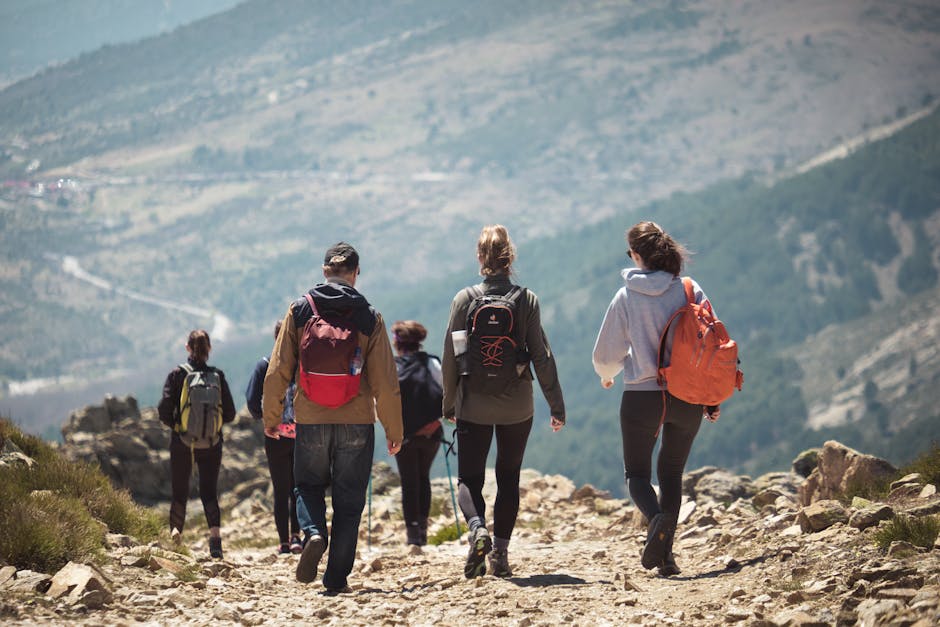
For those preferring self-powered adventure, the Great Walks like the Routeburn Track and Milford Track offer multi-day hikes through fiords, alpine meadows, and waterfalls. The weather changes quickly—pack layers and waterproof gear.
Borneo’s Jungle Expeditions
Borneo’s dense rainforests in Malaysia and Indonesia are home to orangutans, pygmy elephants, and pitcher plants. Multi-day jungle treks in Sabah’s Danum Valley or Gunung Mulu National Park reveal a world untouched by modern development.
Adventurers navigate river crossings, sleep in hammocks, and rely on local guides to spot wildlife. Malaria and dengue are risks—consult a travel clinic before departure. These trips require good fitness and a tolerance for humidity and insects.
Types of Nature Adventures for Every Skill Level
Trekking and Backpacking
Trekking remains one of the most popular forms of nature travel. It ranges from day hikes to multi-week expeditions. Beginners can start with well-marked trails like the Inca Trail to Machu Picchu or the West Highland Way in Scotland.
Experienced trekkers may opt for off-the-beaten-path routes such as the Snowman Trek in Bhutan or the Drakensberg Traverse in South Africa. Proper footwear, navigation tools, and weather-appropriate clothing are essential. Always inform someone of your route and expected return.
Water-Based Adventures
Whitewater rafting, sea kayaking, and scuba diving offer unique ways to explore nature. The Futaleufú River in Chile provides some of the world’s best Class V rapids, while the fjords of Norway are ideal for sea kayaking.
For divers, the Raja Ampat archipelago in Indonesia boasts the highest marine biodiversity on Earth. Cold-water destinations like the Galápagos or the Great Barrier Reef require advanced certification and thermal protection. Always dive with certified operators and check equipment thoroughly.
Climbing and Mountaineering
Rock climbing and mountaineering attract those seeking technical challenges. Yosemite’s El Capitan, Thailand’s Railay Beach, and Spain’s Siurana offer world-class sport and trad climbing.
High-altitude mountaineering, such as climbing Mount Kilimanjaro or Aconcagua, demands physical training and acclimatization. Guided climbs are safer and often required for permits. Avalanche risk, crevasses, and extreme weather are real dangers—never underestimate preparation.
Wildlife Safaris and Eco-Expeditions
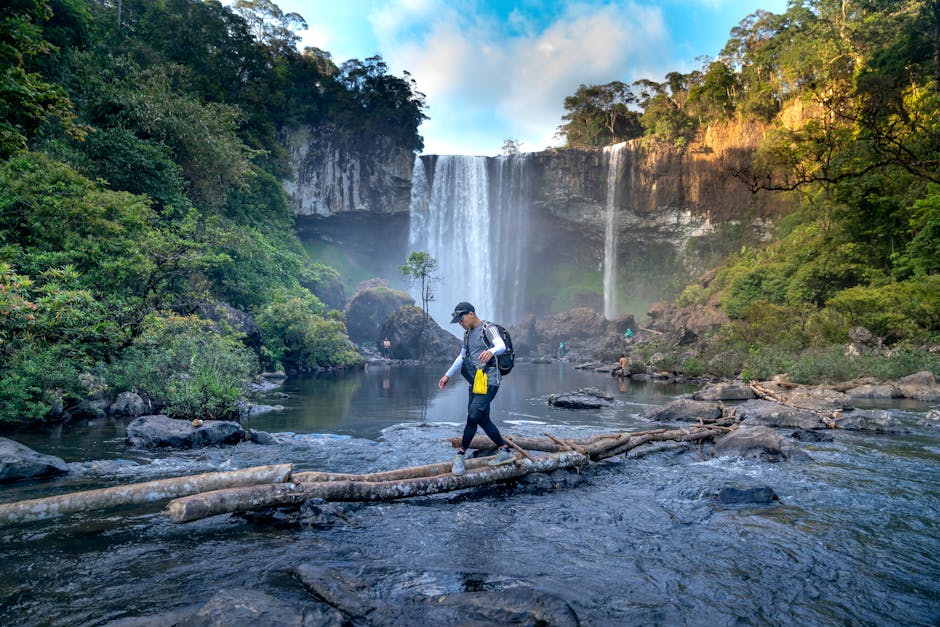
For adventurers who prefer observation over exertion, wildlife safaris offer thrilling encounters. Botswana’s Okavango Delta, Kenya’s Maasai Mara, and India’s Ranthambore National Park are prime spots for spotting big cats and elephants.
Eco-expeditions often include night drives, walking safaris, and stays in tented camps. Responsible operators follow strict guidelines to minimize environmental impact. Binoculars, a good camera, and patience are your best tools.
How to Plan Your Next Nature Adventure
Assess Your Fitness and Experience
Be honest about your physical condition and outdoor skills. A multi-day trek in the Andes is not the same as a weekend hike in the Rockies. Start with shorter, well-supported trips if you’re new to adventure travel.
Consider taking a wilderness first aid course or a navigation workshop. Many national parks offer free or low-cost training. Building foundational skills increases safety and confidence.
Choose the Right Destination and Season
Research climate patterns and peak seasons. The dry season in East Africa (June–October) is ideal for safaris, while Patagonia is best visited from November to March. Monsoon seasons can close trails and increase hazards.
Check travel advisories and local regulations. Some parks require permits months in advance. Overcrowding is a growing issue—consider visiting during shoulder seasons for a quieter experience.
Pack Smart and Light
Every ounce counts on long treks. Invest in quality gear: a lightweight tent, sleeping bag rated for the climate, and a reliable backpack. Avoid overpacking—most items can be rented or bought locally.
Essential items include a water filter, headlamp, first aid kit, and emergency shelter. Test all gear before departure. Leave no trace: pack out all trash, including biodegradable items like fruit peels.
Hire Local Guides When Needed
Local guides enhance safety, provide cultural context, and support conservation. In places like Nepal, Peru, or Madagascar, guides are often required by law. They know the terrain, weather patterns, and hidden trails.
Choose certified guides with good reviews. A good guide can mean the difference between a successful trip and a dangerous situation. Tip appropriately—it’s a significant part of their income.
Safety Tips for Wilderness Travel
Safety should always be the top priority. Even experienced adventurers face risks in remote areas. Always carry a satellite communicator or personal locator beacon (PLB) when traveling off-grid.
Inform someone reliable of your itinerary and check in regularly. Weather can change rapidly in mountains and deserts. Avoid traveling alone in high-risk areas.
Know the signs of hypothermia, heat exhaustion, and altitude sickness. Carry a basic first aid kit and know how to use it. In case of emergency, stay calm, stay put if lost, and signal for help.
Environmental Responsibility in Adventure Travel
Adventure seekers have a responsibility to protect the places they visit. Follow Leave No Trace principles: plan ahead, travel on durable surfaces, dispose of waste properly, and respect wildlife.
Avoid single-use plastics. Bring a reusable water bottle and filter instead of buying bottled water. Support eco-certified tour operators and local conservation projects.
Remember, the goal is to enjoy nature without leaving a footprint. The best nature travel experiences are those that preserve the environment for future adventurers.
Final Thoughts
The best nature travel experiences for adventure seekers are not defined by luxury or comfort, but by authenticity, challenge, and connection. Whether you’re crossing a glacier, paddling through a mangrove forest, or sleeping under the stars in the desert, these moments stay with you long after the trip ends.
With careful planning, respect for nature, and a spirit of curiosity, your next outdoor adventure can be both thrilling and transformative. The world’s wild places are waiting—go explore them wisely.
FAQ
What should I pack for a multi-day trek?
Pack lightweight, moisture-wicking clothing, a quality sleeping bag, a water filter, a first aid kit, and a map or GPS device. Avoid cotton—it retains moisture and increases hypothermia risk.
Is it safe to travel alone in remote nature areas?
Solo travel increases risk, especially in areas with limited communication or medical support. If you go alone, carry a satellite messenger, share your itinerary, and stick to well-traveled routes.
How do I choose a responsible adventure tour operator?
Look for certifications like Leave No Trace or local eco-labels. Read reviews, ask about guide training, and ensure they support local communities and conservation efforts.