Island Travel Guide with Luxury and Budget Options
Planning a trip to an island destination doesn’t have to mean choosing between splurging or scraping by. Whether you’re dreaming of overwater bungalows or backpacking across secluded beaches, this island travel guide offers practical advice for both luxury seekers and budget-conscious travelers. From the Maldives to the Greek Isles, we break down how to experience paradise without compromising your priorities or your wallet.
Why Island Travel Appeals to Every Budget
Islands offer unique experiences—pristine coastlines, rich cultures, and a slower pace of life—that appeal to a wide range of travelers. The key is knowing where and how to book. Some destinations naturally lean toward luxury, while others are ideal for frugal adventurers. With smart planning, you can enjoy high-end amenities or stretch your dollars further without sacrificing quality.
For example, Santorini in Greece features cliffside villas with infinity pools, but nearby islands like Milos offer similar views at a fraction of the cost. Likewise, while the Maldives is known for five-star resorts, nearby Sri Lanka delivers stunning beaches and cultural depth at budget-friendly prices.
Top Island Destinations for Luxury Travelers
Maldives: Overwater Elegance
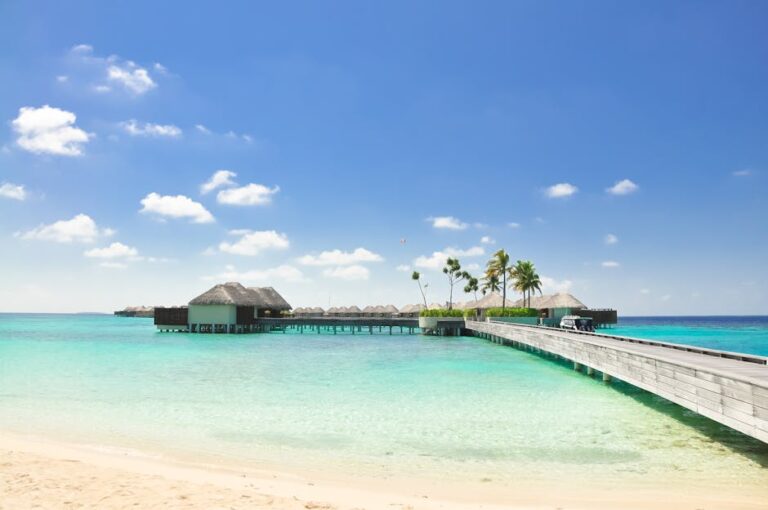
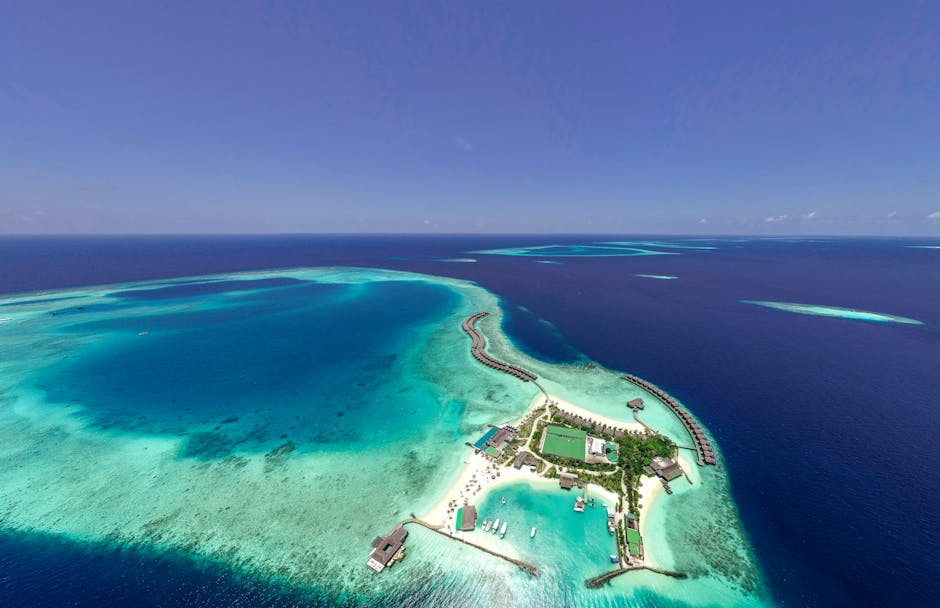
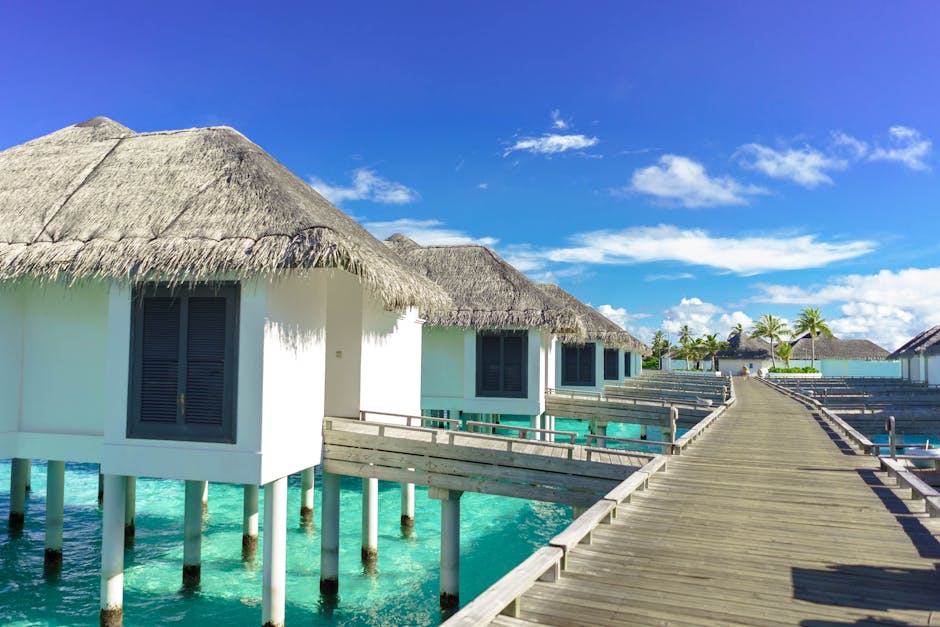
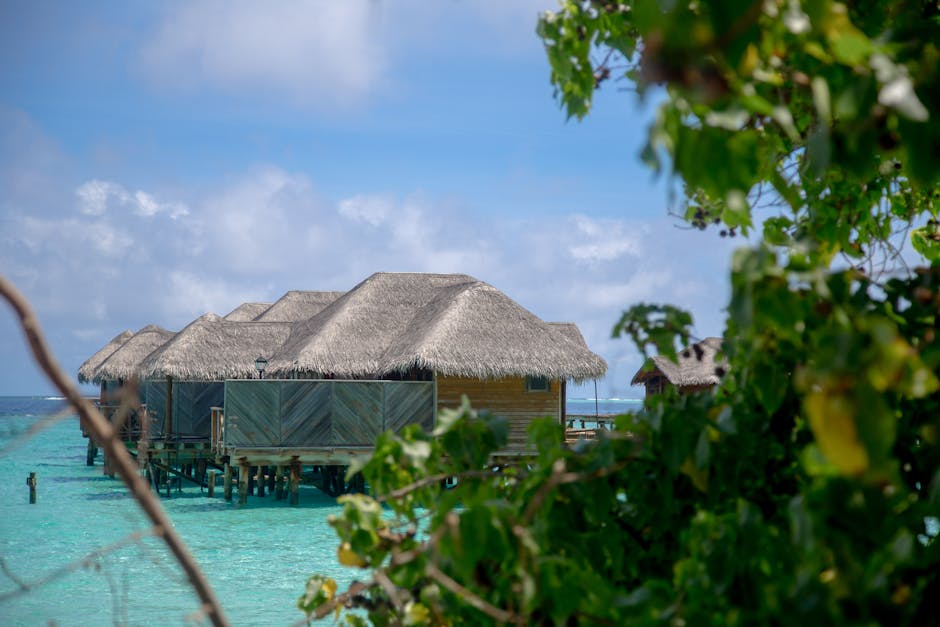
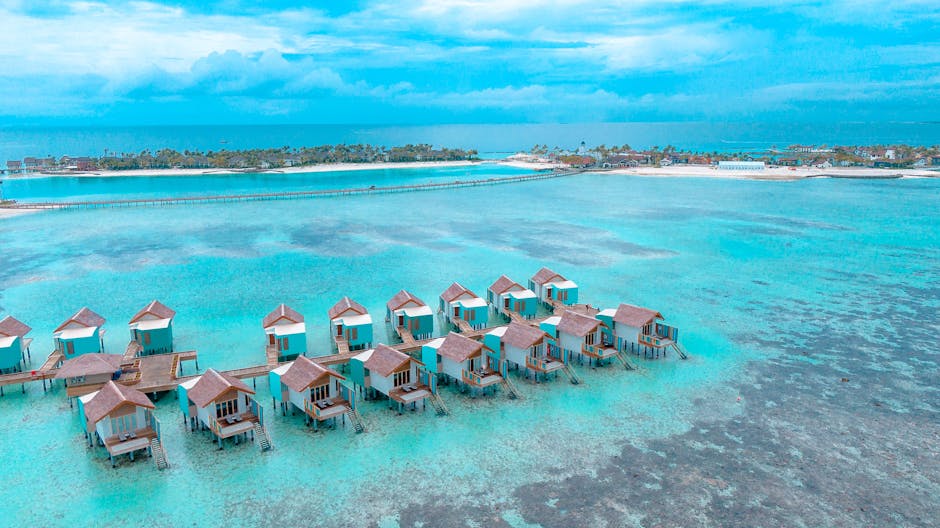
The Maldives is synonymous with luxury island travel. Resorts like Soneva Jani and Conrad Maldives Rangali Island offer private pools, personal butlers, and direct lagoon access. Most accommodations are on exclusive atolls, accessible only by seaplane or speedboat.
Expect gourmet dining, spa treatments, and underwater restaurants. A week-long stay can cost $5,000–$15,000 per person, depending on the resort. Booking during the shoulder season (May to November) can reduce costs slightly, though weather risks increase.
Bora Bora, French Polynesia: Romantic Seclusion
Bora Bora’s turquoise lagoon and Mount Otemanu backdrop make it a honeymoon favorite. Luxury resorts such as The St. Regis Bora Bora and Four Seasons offer overwater villas with glass floors for viewing marine life.
Activities include shark and ray snorkeling, sunset cruises, and Polynesian spa rituals. Flights from the U.S. West Coast start around $1,200 round-trip, and resort stays average $1,000–$2,000 per night. Consider booking a package that includes flights and transfers for better value.
Seychelles: Nature Meets Opulence
With granite boulders, palm-fringed beaches, and rare wildlife, the Seychelles blends natural beauty with refined comfort. Resorts like North Island and Six Senses Zil Pasyon offer eco-luxury with private beaches and conservation-focused experiences.
Prices range from $800 to $2,500 per night. The best time to visit is April–May or October–November, when weather is calm and humidity is low. Direct flights from Europe are available, but connecting through Dubai or Doha is often cheaper.
Best Budget-Friendly Island Destinations
Thailand: Island Hopping on a Budget
Thailand’s islands—Koh Phi Phi, Koh Lanta, and Koh Samui—offer stunning beaches, vibrant nightlife, and affordable lodging. Dorm beds start at $8 per night, while private bungalows range from $25–$60.
Ferries connect most islands for under $20 per trip. Street food costs $1–$3 per meal, and snorkel tours run $15–$30. Avoid peak season (December–February) for lower prices and fewer crowds. July to October offers deals, though rain is more likely.
Philippines: Hidden Gems and Local Culture
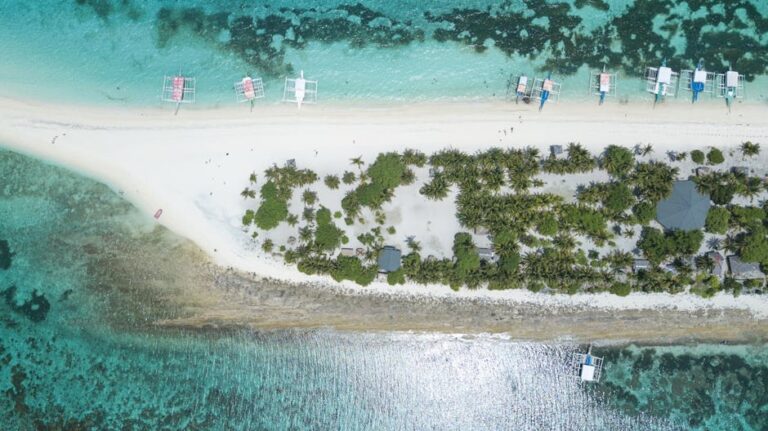
The Philippines boasts over 7,000 islands, many untouched by mass tourism. Palawan, Siargao, and Boracay offer white sand, clear waters, and budget stays from $10–$40 per night.
Local ferries and tricycles keep transport cheap. Eat at carinderias (local eateries) for $1–$2 meals. Island-hopping tours cost $10–$25. Be mindful of typhoon season (June–November); travel insurance is recommended.
Greece: Affordable Island Charm
While Santorini and Mykonos draw luxury crowds, lesser-known Greek islands like Naxos, Paros, and Folegandros offer authentic charm at lower prices. Family-run guesthouses cost $40–$80 per night, and meals at tavernas run $8–$15.
Ferry passes allow multi-island travel for under $100. Visit in late spring or early fall for pleasant weather and fewer tourists. Avoid August, when prices spike and islands are packed.
How to Choose Between Luxury and Budget Options
Your travel style, group size, and trip goals should guide your decision. Luxury travelers prioritize privacy, service, and exclusivity. Budget travelers value flexibility, local immersion, and cost control.
Ask yourself: Do you want to unwind in a private villa or explore on foot? Are you celebrating a milestone or seeking adventure? A mix of both is possible—splurge on one luxury night for a special occasion, then stay in hostels or guesthouses.
For families, mid-range resorts with kids’ clubs offer a balance. Solo travelers may prefer hostels with social atmospheres. Couples might opt for a luxury resort with inclusive packages.
Practical Tips for Booking Island Accommodations
Compare All-Inclusive vs. À La Carte
All-inclusive resorts simplify budgeting but can limit local experiences. They’re ideal for families or those seeking convenience. À la carte stays offer more flexibility and often better value for food and activities.
In the Caribbean, all-inclusives like Sandals or Beaches include meals, drinks, and entertainment. In Southeast Asia, paying as you go lets you sample street food and local markets.
Book Flights and Ferries Early
Island destinations often have limited flight and ferry capacity. Book international flights 3–6 months ahead for the best fares. For inter-island travel, reserve ferries or domestic flights early, especially during peak seasons.
Use flight comparison tools like Google Flights or Skyscanner. For ferries, check local operator websites—many don’t appear on major booking platforms.
Read Reviews and Check Cancellation Policies
Look beyond star ratings. Read recent guest reviews on platforms like TripAdvisor or Booking.com. Pay attention to comments about cleanliness, staff, and value.
Choose accommodations with free cancellation when possible. Island weather can be unpredictable, and plans may change due to storms or ferry delays.
Transportation: Getting to and Around Islands
Flights: Direct vs. Connecting
Direct flights to major islands (e.g., Hawaii, Bali, Malé) are convenient but often expensive. Connecting through hubs like Dubai, Doha, or Istanbul can save hundreds. Use multi-city search options to compare routes.
For remote islands, expect small planes or seaplanes. These may have strict baggage limits—pack light and confirm weight allowances in advance.
Ferries and Local Boats
Ferries are the most common way to travel between islands in Greece, Thailand, and the Philippines. Prices vary by route and class. First-class cabins offer more comfort on long crossings.
Local boats (longtails in Thailand, bancas in the Philippines) are cheaper but less predictable. They may not run in bad weather. Always wear a life jacket and confirm departure times.
Rental Cars, Scooters, and Bikes
On larger islands, renting a car or scooter offers freedom. In Santorini or Maui, scenic drives enhance the experience. In smaller islands like Koh Phangan, motorbikes are popular but require caution—roads can be narrow and poorly lit.
Check local driving laws. In Greece, an international permit is required. In Thailand, helmets are mandatory. Always inspect the vehicle before renting.
Food and Dining: From Street Eats to Fine Dining
Luxury Dining Experiences
High-end island resorts often feature world-class chefs and themed restaurants. Think beachfront seafood grills, wine cellars, and private dining under the stars. Reservations are usually required.
In the Maldives, many resorts offer dine-around plans, allowing guests to eat at multiple venues. In Bora Bora, private beach dinners can be arranged for anniversaries or proposals.
Budget-Friendly Local Cuisine
Eating like a local saves money and enhances your trip. In the Greek islands, try grilled octopus, spanakopita, and fresh tzatziki at seaside tavernas. In Thailand, pad thai, mango sticky rice, and coconut curries are staples.
Avoid restaurants near major tourist attractions—they often charge premium prices. Walk a few blocks inland for better value. Street food is safe in most island destinations if it’s freshly cooked and popular with locals.
Activities and Excursions: Maximizing Your Island Experience
Luxury Experiences Worth the Splurge
Private yacht charters, helicopter tours, and submarine dives offer unforgettable moments. In the Seychelles, a private island picnic on a deserted beach is a romantic highlight. In Hawaii, a sunset helicopter ride over Kauai reveals hidden waterfalls.
Book through your resort for added convenience and safety. Many luxury properties offer exclusive excursions not available to the public.
Budget Adventures That Deliver
Snorkeling, hiking, and cultural tours can be enjoyed affordably. In the Philippines, join a group island-hopping tour for $15–$25. In Greece, hike the Samaria Gorge in Crete for under $20.
Free activities include beachcombing, exploring villages, and watching sunsets. Download offline maps and guidebooks to navigate without data.
Packing Essentials for Island Travel
Pack light, breathable clothing, reef-safe sunscreen, and water shoes. A waterproof phone case and dry bag protect electronics during boat trips. For luxury stays, bring elegant resort wear; for budget travel, quick-dry fabrics and a reusable water bottle are key.
Don’t forget adapters for international outlets, a basic first-aid kit, and any prescription medications. Check visa requirements and vaccination recommendations before departure.
Health, Safety, and Travel Insurance
Island destinations may have limited medical facilities. Carry a copy of your insurance policy and know the location of the nearest clinic. In remote areas, evacuation can be costly.
Travel insurance with medical coverage and trip interruption protection is strongly advised. Look for policies that cover natural disasters, ferry cancellations, and lost luggage.
Stay hydrated, avoid excessive sun exposure, and be cautious with raw seafood. Use insect repellent in tropical regions to prevent mosquito-borne illnesses.
Sustainable Island Travel Practices
Islands are especially vulnerable to environmental damage. Choose eco-certified accommodations, avoid single-use plastics, and support local businesses. Never touch coral reefs or feed wildlife.
Participate in beach cleanups or conservation tours when available. Offset your carbon footprint by contributing to verified programs. Responsible travel ensures these destinations remain beautiful for future visitors.
Final Thoughts: Finding Your Perfect Island Escape
Whether you’re booking a five-star overwater villa or a beachfront hammock, island travel offers something for everyone. The key is aligning your destination and style with your budget and interests. With careful planning, you can enjoy luxury without overspending or experience adventure without sacrificing comfort.
Use this island travel guide as a starting point. Research specific destinations, compare options, and book with confidence. Paradise is closer than you think—and it doesn’t have to cost a fortune.
FAQ
What’s the best time of year to visit tropical islands?
The ideal time varies by region. Generally, aim for the dry season: April–October in the Maldives, November–April in the Caribbean, and May–October in Southeast Asia. Avoid monsoon or hurricane seasons for safer, more enjoyable travel.
Can I mix luxury and budget options on one trip?
Absolutely. Many travelers stay in a luxury resort for a few nights and switch to budget accommodations for the rest. This lets you experience high-end amenities while keeping overall costs manageable.
Are island destinations safe for solo travelers?
Most popular islands are safe for solo travelers, especially in well-touristed areas. Stick to reputable accommodations, avoid isolated areas at night, and share your itinerary with someone you trust. Research local customs and emergency contacts before you go.