Best Singaporean Foods to Try in Food Travel Guide
Singapore is a food lover’s paradise, blending Chinese, Malay, Indian, and Peranakan influences into a vibrant culinary scene. If you’re planning a trip, knowing the best Singaporean foods to try is essential. From street food hawker centers to Michelin-starred stalls, the city offers unforgettable flavors at every corner. This guide highlights must-try dishes that define Singapore’s unique food culture, with practical tips on where to find them and what to expect.
Why Singaporean Food Is a Must-Experience
Singapore’s food scene reflects its multicultural heritage. The result is a diverse menu where each dish tells a story of migration, adaptation, and innovation. Unlike many destinations where dining is reserved for restaurants, Singapore celebrates food in open-air hawker centers, making it accessible and authentic.
Dishes are often prepared with generations-old recipes, using fresh ingredients and bold spices. Whether you’re a first-time visitor or a seasoned traveler, trying local fare is one of the best ways to understand the city’s identity.
Top 10 Must-Try Singaporean Dishes
1. Hainanese Chicken Rice
This national dish features poached chicken served with fragrant rice cooked in chicken broth and garlic. It’s typically accompanied by chili sauce, ginger paste, and dark soy sauce. The chicken should be tender, the rice flavorful, and the skin slightly gelatinous.
Try it at Tian Tian Hainanese Chicken Rice in Maxwell Food Centre, which earned a Michelin Bib Gourmand. Arrive early—lines form quickly during lunch hours.
2. Laksa
Laksa is a rich, creamy noodle soup made with coconut milk, chili, and spices. The Katong laksa version includes thick rice noodles cut into short pieces, making it easy to eat with a spoon. Prawns, cockles, and fish cake are common toppings.
365 Katong Laksa and 328 Katong Laksa are local favorites. The broth should be aromatic and slightly spicy—don’t be shy with the lime and chili.
3. Char Kway Teow
This stir-fried noodle dish combines flat rice noodles with shrimp, cockles, Chinese sausage, eggs, and bean sprouts. It’s cooked over high heat in a wok, giving it a smoky “wok hei” flavor.
Hill Street Fried Kway Teow in Bedok is a top choice. Look for a version that’s not overly oily and has a balanced mix of ingredients.
4. Chilli Crab
A Singaporean classic, chilli crab features whole crabs stir-fried in a sweet, spicy tomato-based sauce. The dish is messy but worth it—locals eat it with their hands and use mantou (fried buns) to soak up the sauce.
Jumbo Seafood and Long Beach Seafood are well-known spots. Opt for Sri Lankan crab for the best texture and flavor.
5. Bak Kut Teh
Literally “pork bone tea,” this herbal soup is made by simmering pork ribs with garlic, star anise, and other spices. It’s traditionally eaten with rice, youtiao (fried dough sticks), and dark soy sauce.
Found in Chinatown and Tiong Bahru, it’s a comforting dish often enjoyed for breakfast. Be prepared for a strong garlic flavor.
6. Rojak
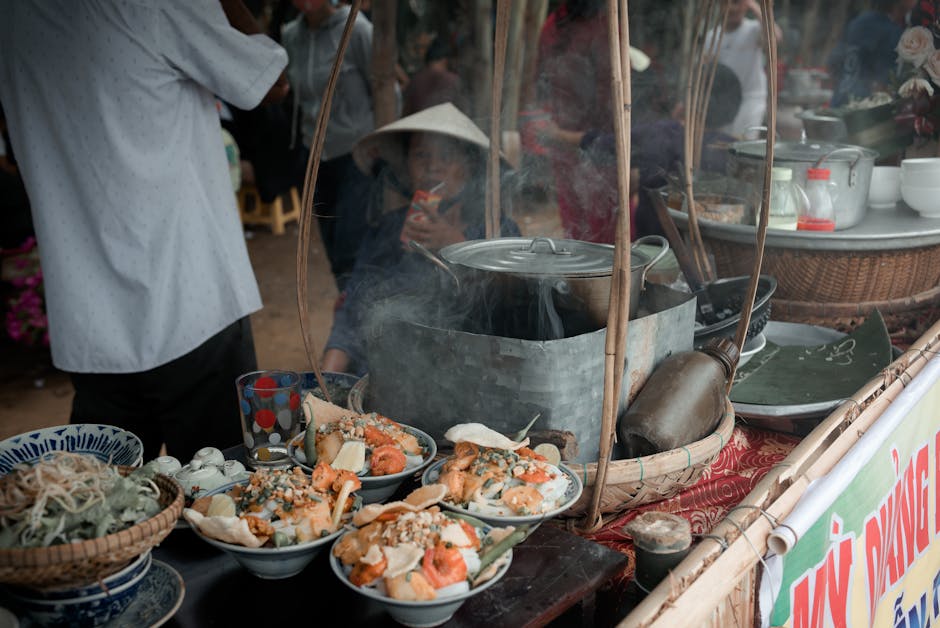
Rojak is a fruit and vegetable salad tossed in a tangy, spicy peanut sauce. Ingredients may include cucumber, pineapple, bean curd, and fried dough fritters. The dressing is made from ground peanuts, tamarind, sugar, and chili.
Try it at Rojak & Mee Sua in Tiong Bahru Market. It’s an acquired taste but a true local favorite.
7. Popiah
Popiah is a fresh spring roll filled with julienned vegetables, tofu, and sometimes prawns or pork. Wrapped in a thin crepe and served with a sweet, garlicky sauce, it’s light yet satisfying.
Look for stalls that make the crepes fresh on-site. The filling should be crisp, not soggy.
8. Kaya Toast
A breakfast staple, kaya toast consists of toasted bread spread with kaya (a coconut and egg jam) and a slab of butter. It’s often served with soft-boiled eggs and kopi (local coffee).
Ya Kun Kaya Toast and Killiney Kopitiam are iconic chains. Eat it while the toast is still warm for the best experience.
9. Satay
Satay are skewered and grilled meats—usually chicken, beef, or mutton—served with a peanut dipping sauce, cucumber, and ketupat (rice cakes). The meat should be charred on the outside and juicy inside.
Lau Pa Sat is a popular destination, especially at night when the satay street opens. Go before 8 PM to avoid the biggest crowds.
10. Ice Kachang
This shaved ice dessert is topped with red beans, jelly, corn, and syrups in vibrant colors. A scoop of ice cream or attap chee (palm seed) adds extra texture. The best versions use condensed milk and evaporated milk for richness.
Found in most hawker centers, it’s a refreshing treat on hot days. Ask for “less syrup” if you prefer less sweetness.
Where to Eat: Hawker Centers vs. Restaurants
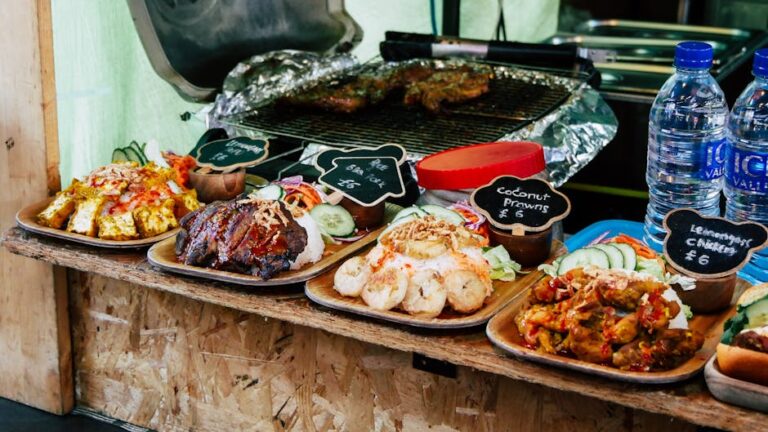
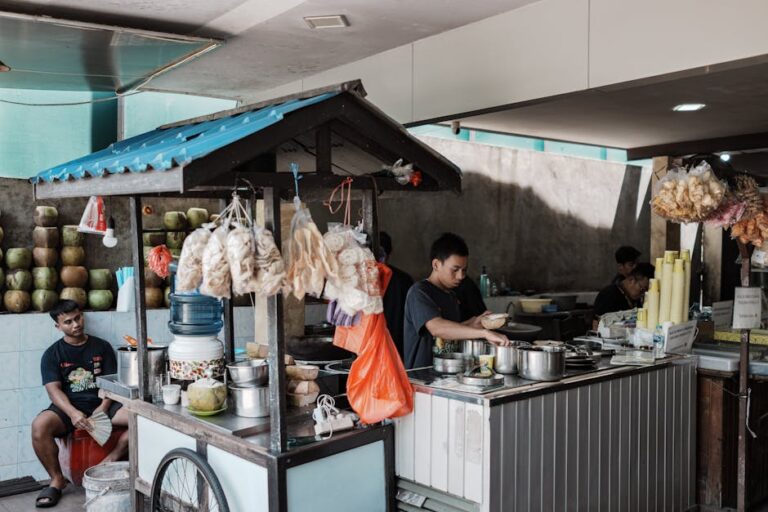
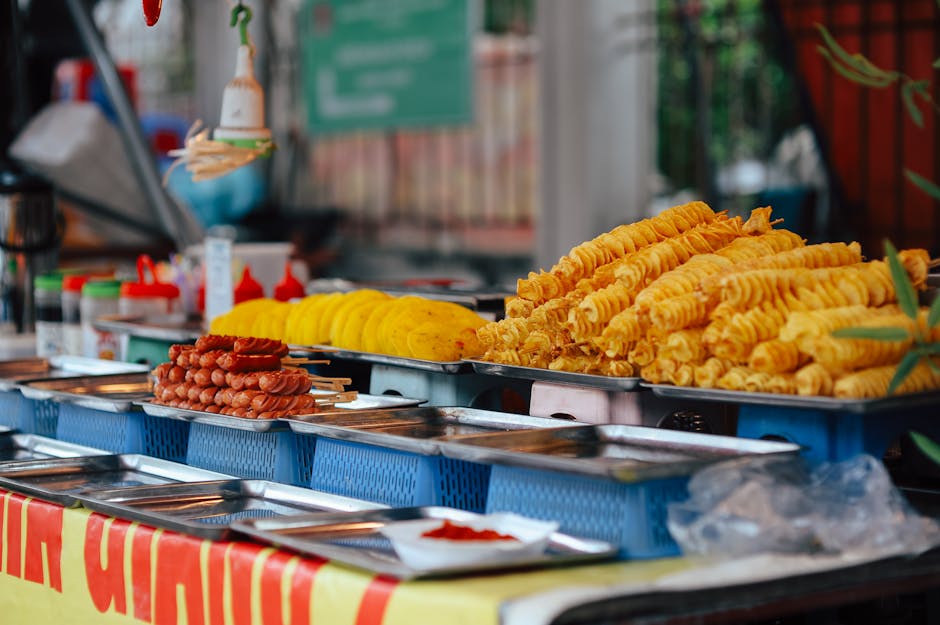
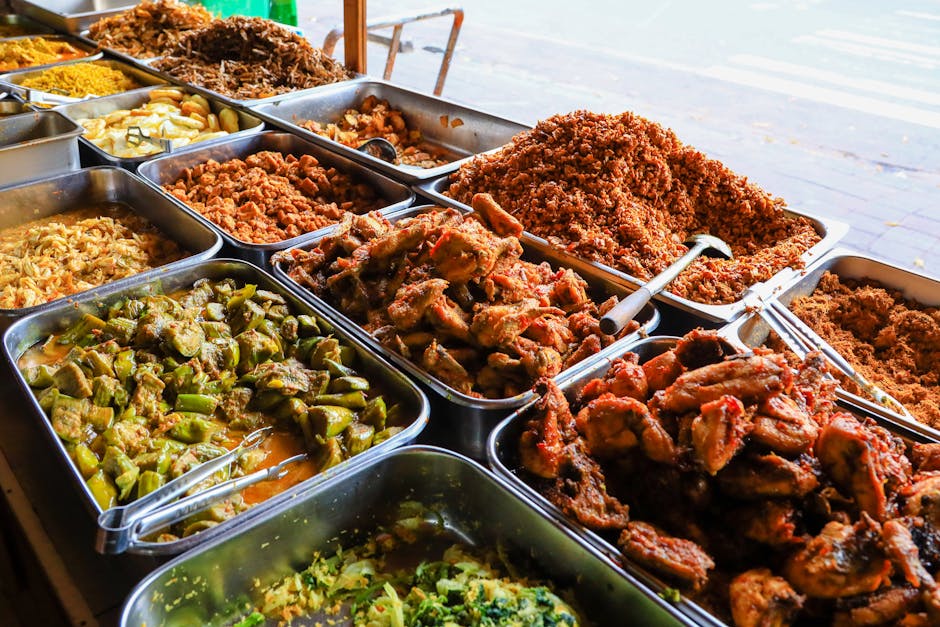
Hawker centers are the heart of Singapore’s food culture. These open-air food courts offer dozens of stalls under one roof, serving everything from curry to noodles at affordable prices. Meals typically cost between SGD 3 to SGD 8.
Popular centers include Maxwell Food Centre, Tiong Bahru Market, and Old Airport Road Food Centre. They’re cash-only in many cases, so bring small bills. Stools are shared, and seating can be limited during peak hours.
Restaurants offer a more formal experience but at higher prices. While they serve excellent versions of local dishes, they often lack the authenticity and atmosphere of hawker centers. For first-time visitors, starting at a hawker center is recommended.
Tips for First-Time Food Travelers in Singapore
Know the Etiquette
At hawker centers, diners are expected to return trays and used crockery to designated collection points. It’s considered polite to clear your space after eating. Tipping is not customary.
Avoid pointing with your chopsticks or leaving them upright in your rice—these are seen as disrespectful. Use serving chopsticks or spoons when sharing dishes.
Stay Hydrated and Cool
Singapore’s tropical climate means high humidity and temperatures. Drink plenty of water, especially when eating spicy dishes like laksa or rojak. Many stalls sell bottled drinks, and some offer freshly squeezed sugarcane juice.
Carry a small towel or napkins—meals like chilli crab can get messy. Wear breathable clothing and consider visiting food centers in the early morning or late afternoon to avoid the midday heat.
Be Mindful of Allergies
Many dishes contain shellfish, peanuts, or eggs. If you have allergies, learn key phrases in Mandarin or Malay, such as “Saya alergi udang” (I’m allergic to prawns). Stalls are usually happy to accommodate, but cross-contamination can occur in busy kitchens.
Always ask about ingredients if unsure. Some stalls display allergen information, but it’s not universal.
Regional Variations and Lesser-Known Gems
While the dishes above are widely available, regional versions offer unique twists. Katong laksa, for example, is distinct from the curry laksa found in other parts of Southeast Asia. Similarly, the chicken rice in Singapore uses a different poaching method than in Malaysia.
For something off the beaten path, try oyster omelette (hu jiak), a crispy yet gooey dish made with eggs, starch, and fresh oysters. It’s best eaten hot and slightly charred. Lim Kee Fried Oyster Omelette in Geylang is a local secret.
Another hidden gem is mee goreng, a Malay-style fried noodle dish with a tangy, slightly sweet sauce. Unlike Indian mee goreng, the Singapore version often includes potatoes and is less spicy. Try it at Haji Lane food stalls.
Vegetarian and Halal Options
Singapore is generally accommodating to dietary restrictions. Many hawker stalls are halal-certified, especially those run by Malay or Indian Muslim vendors. Look for the halal sign displayed at the stall entrance.
Vegetarian options are available but less common. Dishes like rojak, popiah (without meat), and some noodle soups can be made vegetarian. Indian stalls often serve thosai, idli, and vegetable curries that are naturally meat-free.
For guaranteed vegetarian meals, visit Indian vegetarian restaurants like Komala Vilas or A1 Samosa. Always confirm ingredients, as some sauces may contain shrimp paste or fish sauce.
Seasonal and Festival Foods
During Chinese New Year, look for yusheng, a raw fish salad tossed for prosperity. The ritual of “lo hei” (tossing high) is believed to bring good luck. It’s usually served at restaurants but can be found at select hawker stalls during the season.
During Hari Raya Puasa, Malay stalls offer kueh (traditional cakes) and rendang. These are rich, slow-cooked dishes perfect for festive gatherings. Visit Geylang Serai during the festival for the best selection.
Christmas and Deepavali also bring special treats, though they’re less food-centric than local festivals. Still, bakeries and cafes often offer limited-edition local-inspired desserts.
How to Plan Your Food Itinerary
Start with a food map of Singapore’s neighborhoods. Chinatown, Little India, and Kampong Glam each have distinct culinary identities. Allocate one meal per area to sample specialties.
Use apps like Burpple or Google Maps to find highly rated stalls. Check opening hours—many hawker stalls close by 3 PM or operate on rotating schedules. Avoid Mondays and public holidays when some stalls take breaks.
Don’t over-plan. Leave room for spontaneous discoveries. Some of the best meals come from unmarked stalls with long queues—a sign of local approval.
Common Mistakes to Avoid
Don’t assume all “Singaporean food” is the same. Dishes vary by region and ethnicity. What’s popular in one area may not be in another.
Avoid eating only at tourist-heavy spots like Clarke Quay. While convenient, they often serve overpriced, less authentic versions of local dishes. Venture into residential areas for better value and flavor.
Never skip breakfast. Many iconic dishes like kaya toast and bak kut teh are traditionally morning meals. Arriving late may mean missing out.
Final Thoughts
Exploring Singapore through its food is one of the most rewarding parts of any visit. The best Singaporean foods to try are not just about taste—they’re about culture, history, and community. From the smoky wok hei of char kway teow to the comforting warmth of bak kut teh, each dish offers a window into the city’s soul.
Come hungry, stay curious, and embrace the chaos of the hawker center. You’ll leave with full stomachs and richer memories.
FAQ
What is the most iconic Singaporean dish?
Hainanese chicken rice is widely considered Singapore’s national dish. It’s simple, flavorful, and available at nearly every hawker center. Its balance of protein, rice, and sauces makes it a favorite among locals and visitors alike.
Is Singaporean street food safe to eat?
Yes. Singapore has strict food safety regulations, and hawker centers are regularly inspected. Look for stalls with high turnover and clean cooking areas. Avoid raw or undercooked items if you have a sensitive stomach.
How much should I budget for food in Singapore?
Budget around SGD 15–25 per day for meals at hawker centers. This allows for three meals and a snack or two. Fine dining or restaurant meals will cost significantly more, starting at SGD 30 per person.