Best Adventure Travel Destinations for Extreme Sports Lovers
For thrill-seekers craving adrenaline-pumping experiences, the world offers a handful of destinations that stand out as true meccas for extreme sports. Whether you’re into high-altitude mountaineering, white-knuckle whitewater rafting, or heart-stopping free-fall jumps, these locations deliver world-class terrain, reliable conditions, and expert infrastructure. From the Himalayas to Patagonia, this guide highlights the top adventure travel destinations where extreme sports aren’t just possible—they’re perfected.
Why These Destinations Stand Out
Not every rugged landscape qualifies as a top-tier spot for extreme sports. The best adventure travel destinations combine natural diversity, consistent weather windows, safety protocols, and local expertise. These factors ensure that whether you’re a seasoned pro or a skilled enthusiast, you can push your limits with confidence.
Accessibility matters too. The ideal location offers reliable transport, certified guides, and emergency support—without sacrificing remoteness or raw challenge. Below, we break down the most compelling options across continents, each offering a unique mix of terrain and sport-specific opportunities.
Chamonix, France: The Birthplace of Alpine Adventure
Nestled beneath Mont Blanc, Chamonix has long been a pilgrimage site for climbers, skiers, and mountaineers. Known as the cradle of modern alpinism, it offers everything from technical ice climbs to steep off-piste skiing and BASE jumping from iconic cliffs.
The Aiguille du Midi cable car delivers climbers to 3,842 meters in minutes, providing access to some of Europe’s most demanding routes. Meanwhile, the valley’s glacial rivers support world-class whitewater kayaking during spring melt.
Top Activities in Chamonix
- Ice climbing on the Glacier du Tacul
- Heli-skiing in untouched powder fields
- Paragliding from the Brévent summit
- Via ferrata routes with exposed ridge walks
Safety is paramount here. Always hire certified IFMGA guides for technical climbs and check avalanche forecasts before venturing into backcountry zones. The local mountain rescue team is highly trained, but prevention is always better than response.
Queenstown, New Zealand: The Adventure Capital of the Southern Hemisphere
Queenstown earned its reputation through innovation and variety. It was here that commercial bungee jumping began in 1988 at the Kawarau Bridge, and the town hasn’t slowed down since. Today, it hosts everything from jet boating through narrow canyons to skydiving over Lake Wakatipu.
The Southern Alps provide a dramatic backdrop for year-round activities. Winter brings heli-skiing and snowboarding; summer opens up rock climbing, mountain biking, and open-water swimming in glacial lakes.
Must-Try Extreme Sports in Queenstown
- Bungee jumping at the historic Kawarau Bridge
- Skydiving from 15,000 feet with views of Fiordland
- Jet boating on the Shotover River at speeds over 85 km/h
- Whitewater rafting on the Grade V Kawarau River
Operators here are regulated and experienced, but always verify certifications. The weather can change rapidly—pack layers and confirm bookings in advance, especially during peak season from December to February.
Moab, Utah, USA: Desert Playground for Thrill-Seekers
Moab’s red rock landscapes aren’t just scenic—they’re engineered for adventure. With two national parks nearby (Arches and Canyonlands), the area offers some of the most technical mountain biking trails, rock climbing routes, and off-roading challenges in North America.
The Colorado River cuts through the region, creating Class III–IV rapids ideal for multi-day rafting expeditions. Meanwhile, the desert heat demands preparation: dehydration and heat exhaustion are real risks between May and September.
Top Extreme Activities in Moab
- Mountain biking the Slickrock Trail—a 10.5-mile loop of sandstone
- Technical rock climbing on Indian Creek’s crack systems
- 4×4 off-roading on Hell’s Revenge trail
- Whitewater rafting through Cataract Canyon
Permits are required for many backcountry areas. Start early to avoid midday heat, and carry at least one gallon of water per person per day. Guided tours are recommended for first-time visitors due to the technical nature of many routes.
Interlaken, Switzerland: Where Mountains Meet Lakes
Straddling two pristine lakes and surrounded by the Bernese Alps, Interlaken is a hub for airborne and water-based extreme sports. It’s one of the few places where you can skydive in the morning and canyon swing in the afternoon—all within a 30-minute radius.
The region’s stable weather patterns and well-maintained infrastructure make it ideal for both beginners and experts. Tandem jumps, guided canyoning, and glacier hikes are all available with reputable local companies.
Signature Adventures in Interlaken
- Tandem skydiving from 13,000 feet over the Alps
- Canyoning in the Saxeten Gorge with jumps up to 15 meters
- Paragliding from Beatenberg with lake and mountain views
- Ice climbing on the frozen Trümmelbach Falls
Book activities through licensed operators only. Many require medical clearance for high-impact jumps. Winter conditions can limit access—check seasonal availability before planning your trip.
Patagonia, Chile & Argentina: The Ultimate Wilderness Challenge
Patagonia’s remote, wind-scoured landscapes offer some of the most demanding conditions on Earth. This is where elite climbers test themselves on granite spires like Cerro Torre and Fitz Roy, while kiteboarders harness relentless winds across glacial lakes.
Access is limited and logistics are complex. Most expeditions require weeks of planning, including permits, gear transport, and local guides. But for those willing to commit, the rewards are unparalleled.
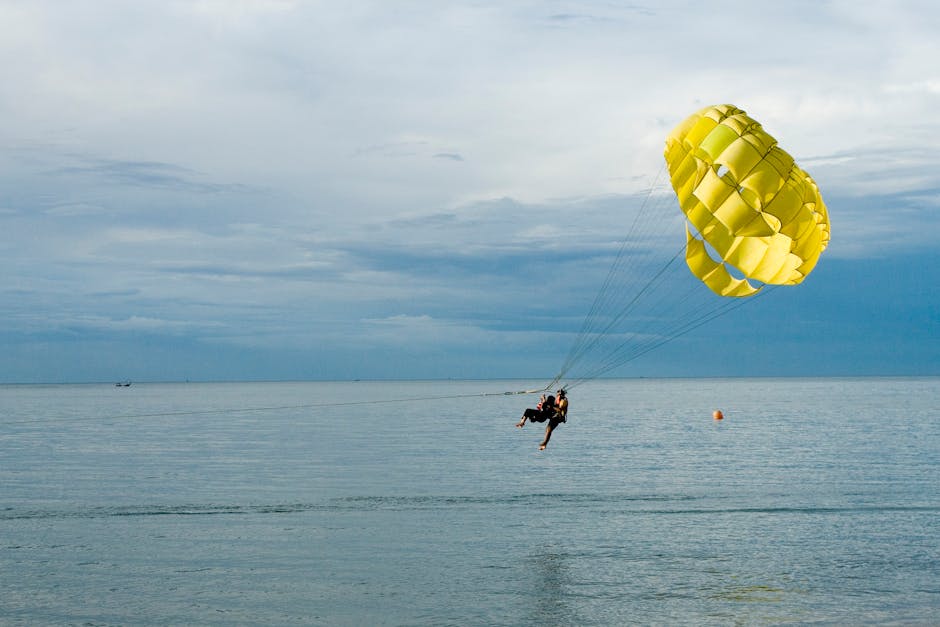
Extreme Sports Highlights in Patagonia
- Multi-day alpine climbs in Torres del Paine National Park
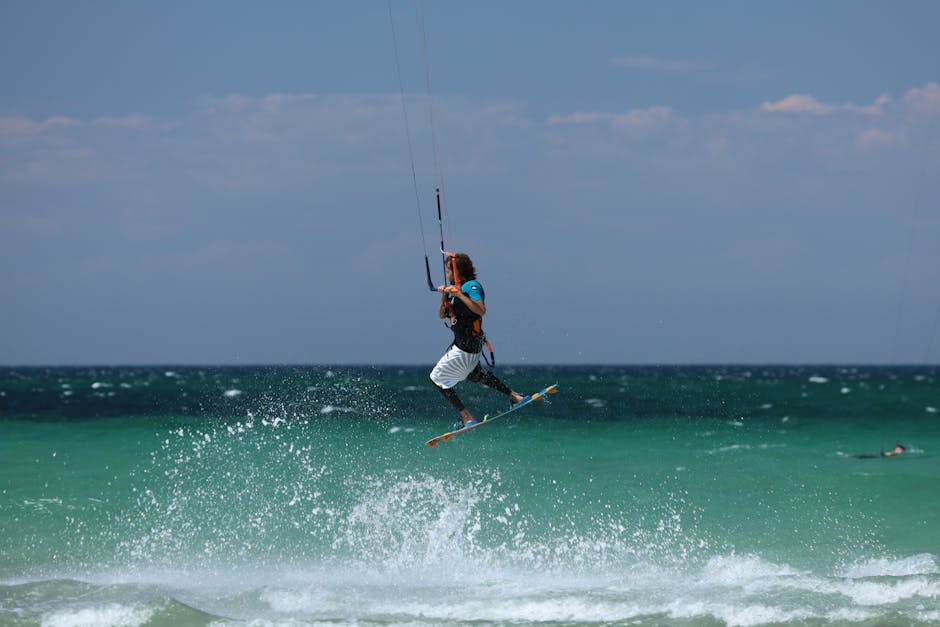
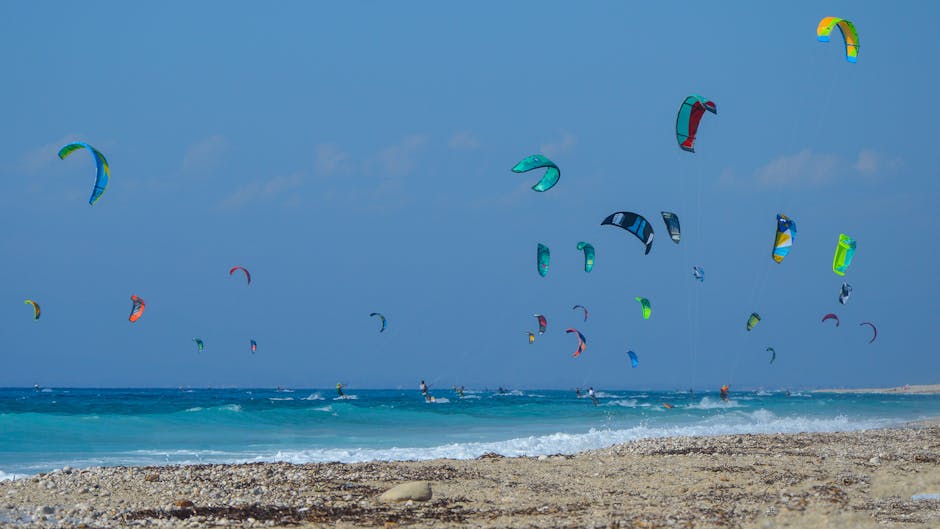
- Kiteboarding on Lago Argentino with 40+ km/h winds
- Trekking across the Southern Ice Field—one of the longest glaciers outside polar regions
- Whitewater kayaking in the Futaleufú River (Class IV–V)
Weather is unpredictable—be prepared for sudden storms even in summer. Satellite communication devices are strongly advised. Partner with local outfitters who understand the terrain and climate intimately.
Nepal: High-Altitude Thrills in the Himalayas
For mountaineers and paragliders alike, Nepal offers the ultimate high-altitude playground. Everest Base Camp isn’t just for climbers—trekkers, ultramarathon runners, and BASE jumpers all converge here for life-changing challenges.
The country’s infrastructure has improved significantly, with certified guides, helicopter evacuations, and established trekking routes. Still, altitude sickness remains a serious concern above 3,000 meters.
Adventure Options in Nepal
- Summiting Island Peak (6,189m)—a non-technical but high-altitude climb
- Paragliding in Pokhara with views of the Annapurna range
- Ultra-running the Everest Marathon (one of the world’s highest)
- Whitewater rafting on the Trishuli River
Acclimatize properly—spend at least two days in Kathmandu or Pokhara before ascending. Use only government-licensed guides and avoid monsoon season (June–September) due to landslides and poor visibility.
How to Choose the Right Destination for You
With so many incredible options, selecting the best adventure travel destination depends on your skill level, preferred sport, and risk tolerance. Beginners should prioritize locations with strong safety records and guided programs, like Queenstown or Interlaken.
Experienced adventurers may prefer raw, unstructured environments such as Patagonia or the Himalayas—but only with proper preparation. Always assess your physical condition, research seasonal conditions, and invest in quality gear.
Key Considerations Before You Go
- Skill Level: Match the destination’s typical challenges to your experience.
- Seasonality: Some sports are only viable in specific months.
- Local Regulations: Permits, guide requirements, and restricted zones vary widely.
- Emergency Support: Know the nearest medical facilities and evacuation options.
- Environmental Impact: Practice Leave No Trace principles, especially in fragile ecosystems.
Travel insurance that covers extreme sports is non-negotiable. Standard policies often exclude high-risk activities—verify coverage for things like skydiving, mountaineering, or whitewater rafting before departure.
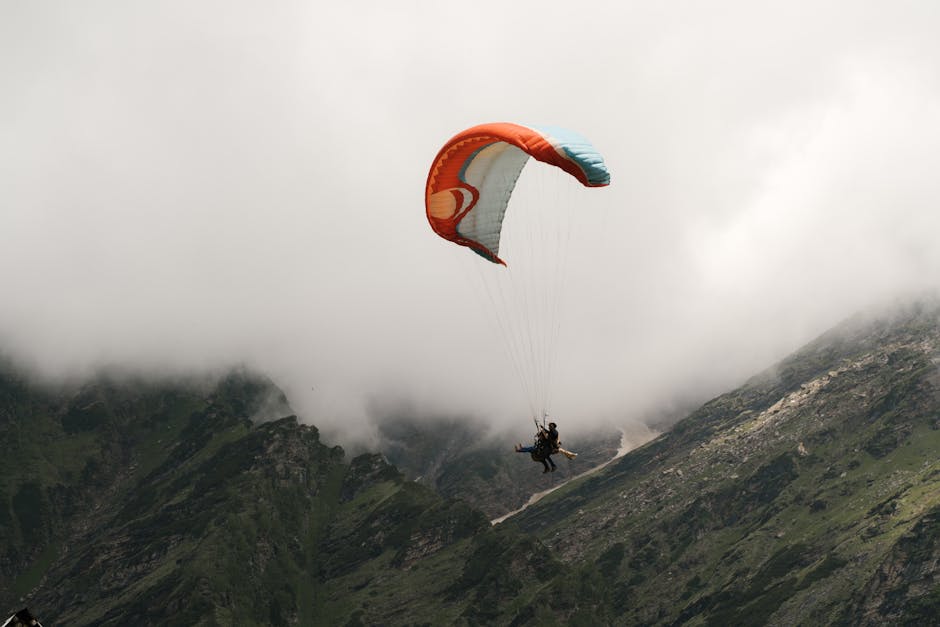
Safety First: Essential Tips for Extreme Adventure Travel
Even in the most prepared environments, extreme sports carry inherent risks. The best way to enjoy these destinations is to respect the limits of both the terrain and your own abilities.
Always use certified equipment and inspect it before each use. Helmets, harnesses, and communication devices should meet international standards. Never attempt technical climbs or water routes alone.
Pre-Trip Checklist
- Complete a medical check-up if attempting high-altitude or high-intensity activities
- Train specifically for the demands of your chosen sport
- Inform someone of your itinerary and expected return time
- Carry a first-aid kit, emergency blanket, and GPS locator
- Learn basic rescue techniques relevant to your activity
Weather apps and local forecasts are essential. In mountain and desert regions, conditions can shift in minutes. When in doubt, postpone—no summit or jump is worth compromising safety.
Final Thoughts
The best adventure travel destinations for extreme sports lovers aren’t just about adrenaline—they’re about transformation. These places challenge your body, sharpen your focus, and connect you with nature in its most powerful forms.
Whether you’re soaring over the Swiss Alps, navigating Patagonian glaciers, or biking Utah’s red rock trails, each destination offers a unique blend of risk, reward, and raw beauty. With proper planning and respect for the environment, your next extreme adventure could be the most memorable journey of your life.
FAQ
What is the safest extreme sports destination for beginners?
Queenstown, New Zealand, and Interlaken, Switzerland, are among the safest for beginners due to their regulated operators, English-speaking guides, and structured programs. Both offer tandem and introductory options with strong safety records.
Do I need special insurance for extreme sports travel?
Yes. Most standard travel insurance policies exclude high-risk activities like skydiving, mountaineering, or whitewater rafting. Purchase adventure-specific coverage that includes emergency evacuation and medical treatment.
When is the best time to visit Patagonia for extreme sports?
The ideal window is from November to March (austral summer), when temperatures are milder and daylight is longest. Avoid winter months (June–August) due to extreme cold, high winds, and limited access to remote areas.