
Sweden Travel Guide: Top Cities and Travel Tips
Sweden offers a blend of vibrant cities, stunning nature, and rich cultural heritage. Whether you’re exploring the historic streets of Stockholm, the creative energy of Malmö, or the northern lights in Kiruna, this Sweden travel guide covers the essentials. You’ll find practical tips on transportation, budgeting, weather, and must-see attractions to help you plan a smooth and memorable trip.
Why Visit Sweden?
Sweden consistently ranks among the world’s most livable countries, and its appeal extends far beyond quality of life. The country boasts clean cities, efficient public services, and a deep respect for nature and sustainability. Travelers are drawn to its mix of urban sophistication and untouched wilderness.
From the archipelago of Stockholm to the midnight sun above the Arctic Circle, Sweden delivers diverse experiences. It’s a destination where design, food, and outdoor adventure come together seamlessly. Whether you’re a first-time visitor or returning for more, Sweden rewards curiosity and planning.
Top Cities to Visit in Sweden
Stockholm: The Capital on Water
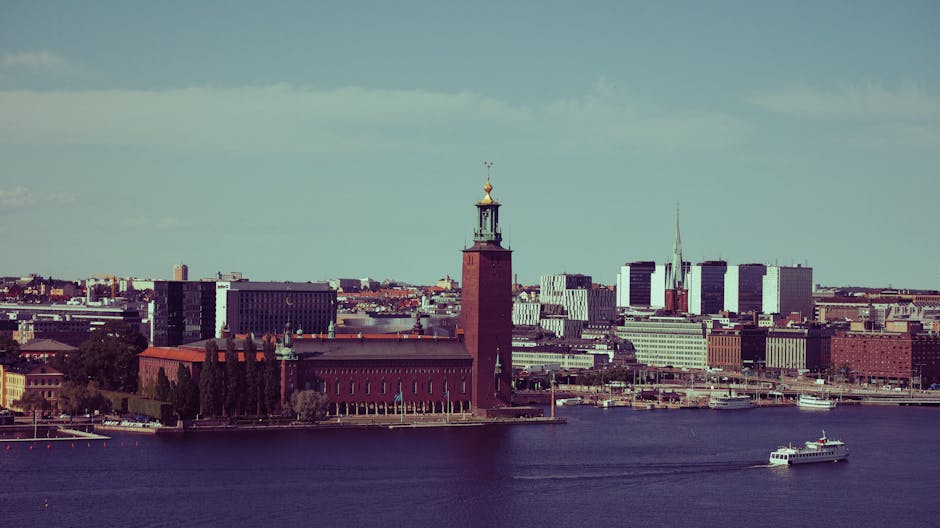
Stockholm, built across 14 islands, is Sweden’s cultural and political heart. The city combines medieval charm with modern innovation. Gamla Stan, the old town, features cobblestone streets, colorful buildings, and the Royal Palace.
Don’t miss the Vasa Museum, home to a 17th-century warship salvaged from the seabed. The ABBA Museum and Skansen open-air museum offer deeper dives into Swedish culture. For a quieter escape, take a ferry to the Stockholm Archipelago and explore islands like Vaxholm or Sandhamn.
Stockholm is walkable, but the metro system—known for its art-filled stations—makes getting around easy. Public transit is reliable and clean, with options like the SL travel card for seamless travel.
Gothenburg: Sweden’s Coastal Gem
Gothenburg, Sweden’s second-largest city, sits on the west coast and offers a laid-back vibe with maritime flair. Known for its canals, seafood, and green spaces, it’s a favorite among locals and visitors alike.
Liseberg, one of Scandinavia’s largest amusement parks, is a top draw, especially in summer. The Haga district, with its wooden houses and cozy cafés, is perfect for a leisurely stroll. Foodies will appreciate the city’s thriving restaurant scene, particularly its focus on fresh seafood and New Nordic cuisine.
Gothenburg is also a gateway to the scenic Bohuslän coast, where rocky shores and fishing villages invite exploration. Rent a bike to explore the city efficiently—cycling is safe and well-supported.
Malmö: A Modern Crossroads
Malmö, in southern Sweden, is a dynamic city shaped by its proximity to Denmark and the Öresund Bridge. Just a 35-minute train ride from Copenhagen, it’s a hub for innovation, design, and multiculturalism.
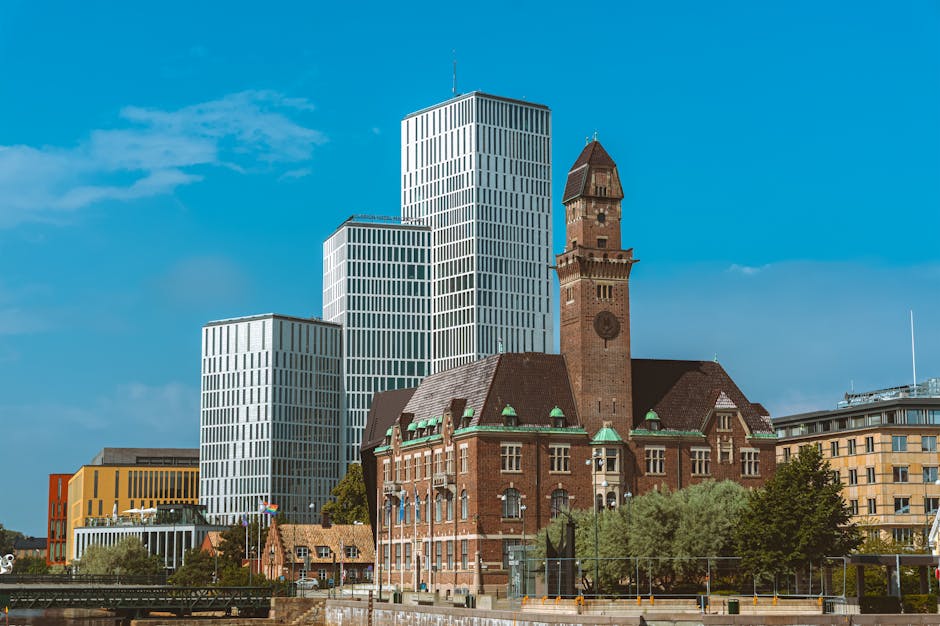
The Turning Torso skyscraper dominates the skyline, while the historic Lilla Torg square buzzes with outdoor dining. Visit the Malmö Konsthall for contemporary art or relax in the expansive Kungsparken. The city is also known for its sustainable urban planning and green rooftops.
Malmö is compact and easy to navigate on foot or by bike. Its international vibe and affordable prices compared to Stockholm make it an appealing stop for budget-conscious travelers.
Uppsala: Historic and Academic
Just 70 kilometers north of Stockholm, Uppsala is Sweden’s fourth-largest city and a center of learning and history. Home to Uppsala University, founded in 1477, it has a youthful energy and rich heritage.
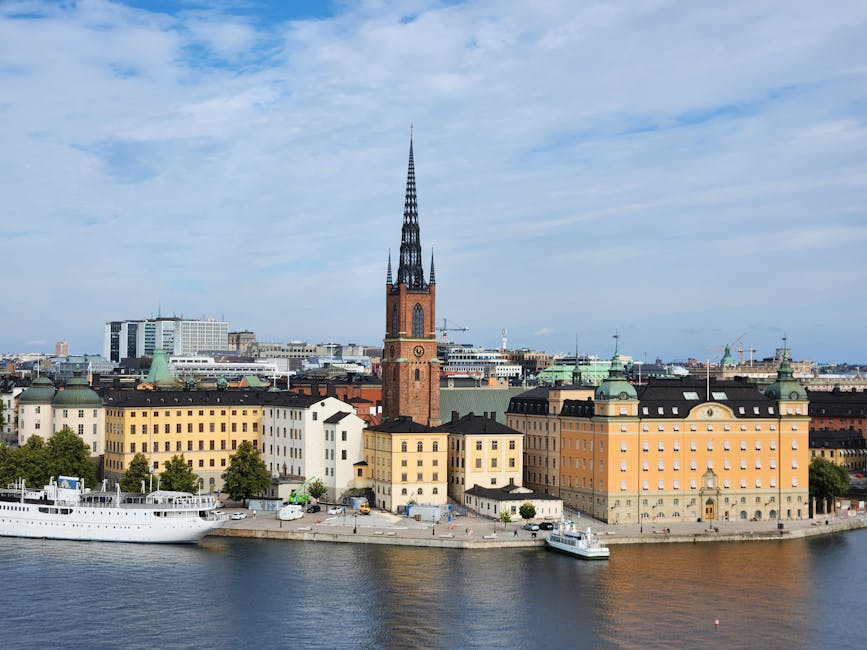
The Uppsala Cathedral, Scandinavia’s largest church, and the Gustavianum Museum are key attractions. Don’t miss the Linnaeus Garden, once tended by the famous botanist Carl Linnaeus. The city also hosts lively student traditions, including the annual Walpurgis Night celebrations.
Uppsala is ideal for a day trip from Stockholm, with frequent commuter trains making the journey under an hour. It’s a quieter alternative for those seeking culture without the capital’s crowds.
Kiruna: Gateway to the Arctic
In the far north, Kiruna offers a completely different Sweden. This mining town is the starting point for Arctic adventures, including dog sledding, snowmobiling, and viewing the northern lights.
The Icehotel in nearby Jukkasjärvi is a bucket-list experience—built entirely from ice and snow each winter. Kiruna is also undergoing a unique relocation due to ground subsidence from mining, making it a city in motion.
Winter visits require warm clothing and preparation for sub-zero temperatures. Summer brings the midnight sun, ideal for hiking in Abisko National Park. Fly into Kiruna Airport or take an overnight train from Stockholm for a scenic journey.
Best Time to Visit Sweden
Sweden’s climate varies dramatically by region and season. The best time to visit depends on your interests. Summer, from June to August, offers long days, mild weather, and peak tourism. It’s ideal for city exploration, hiking, and archipelago trips.
Winter, from December to February, transforms Sweden into a snowy wonderland. Northern regions are perfect for winter sports and aurora viewing, while southern cities host festive markets. Spring and fall offer fewer crowds and lower prices, though weather can be unpredictable.
Avoid major holidays like Midsummer (late June) and Christmas if you prefer quieter travel. These periods see high demand and limited availability.
Getting Around Sweden
Public Transportation
Sweden has an excellent public transportation network. Trains, operated by SJ, connect major cities efficiently. The high-speed X2000 trains make the Stockholm–Gothenburg route in about three hours.
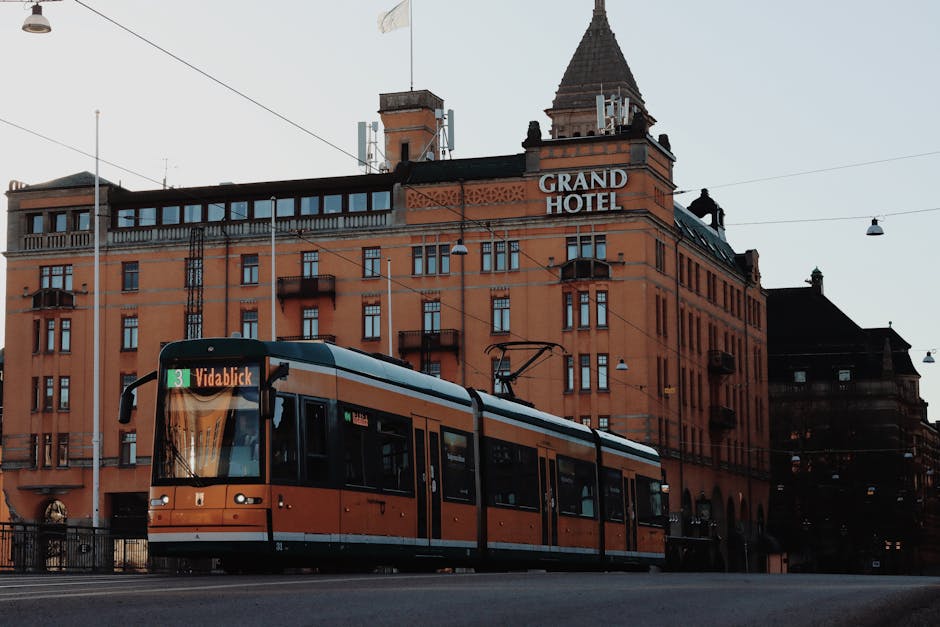
Buses cover rural areas and smaller towns. In cities, metro, tram, and bus systems are integrated. Purchase regional travel cards or use contactless payment where available.
For long-distance travel, consider a rail pass if visiting multiple cities. Booking train tickets in advance can save money, especially during peak seasons.
Domestic Flights and Ferries
Domestic flights are useful for reaching northern destinations like Kiruna or Luleå quickly. Airlines such as SAS and Norwegian operate frequent routes from Stockholm Arlanda.
Ferries are essential for island access, especially in the Stockholm and Gothenburg archipelagos. Companies like Waxholmsbolaget offer scenic routes with regular schedules.
Renting a car gives flexibility, particularly in rural areas. However, driving in winter requires winter tires and caution on icy roads. International driving permits are recommended for non-EU visitors.
Money and Budgeting
Sweden is a cashless society. Credit and debit cards are accepted almost everywhere, even in small shops and public transit. Mobile payments like Swish are common among locals.
ATMs are widely available, but inform your bank of travel plans to avoid card blocks. Tipping is not expected, as service charges are included. Rounding up the bill is appreciated but not required.
Budget travelers can save by using public kitchens in hostels, cooking meals, and taking advantage of free attractions like parks and museums on certain days. Mid-range travelers should budget €80–€120 per day, while luxury stays can exceed €200 daily.
Food and Drink in Sweden
Swedish cuisine emphasizes fresh, local ingredients. Traditional dishes include meatballs, herring, and crispbread. New Nordic cuisine, focusing on seasonal and foraged foods, is gaining global recognition.
Fika—the Swedish coffee break—is a cultural ritual. Cafés serve pastries like cinnamon buns and cardamom rolls. Try a kanelbulle with your coffee for an authentic experience.
Alcohol is expensive and regulated. Beer under 3.5% alcohol can be bought in grocery stores. Stronger drinks are sold in Systembolaget, the state-owned liquor store, which has limited hours. Always bring ID.
Vegetarian and vegan options are widely available in cities. Look for plant-based dishes at cafés and restaurants, especially in Stockholm and Malmö.
Language and Communication
Swedish is the official language, but English is widely spoken, especially in cities and among younger people. Most signs are bilingual, and service staff are typically fluent.
Learning a few basic Swedish phrases—like “tack” (thank you) or “ursäkta” (excuse me)—can enhance your experience. Locals appreciate the effort, even if your pronunciation isn’t perfect.
Free Wi-Fi is available in hotels, cafés, and public spaces. Consider purchasing a local SIM card or an international data plan for consistent connectivity.
Safety and Etiquette
Sweden is one of the safest countries in the world, with low crime rates and high public trust. Petty theft can occur in tourist areas, so keep valuables secure.
Swedes value personal space and quiet. Avoid loud conversations in public transport or residential areas. Recycling is taken seriously—follow local sorting rules.
Dress modestly when visiting religious sites. Punctuality is important; arrive on time for tours, meetings, or restaurant reservations.
Packing Essentials
Pack layers, even in summer. Weather can change quickly, especially near water or in the north. A waterproof jacket and sturdy shoes are must-haves.
In winter, thermal wear, insulated boots, and gloves are essential. In summer, bring sunscreen and insect repellent for hiking trips.
Don’t forget a universal power adapter. Sweden uses Type F outlets with 230V. A reusable water bottle is practical—tap water is safe and high quality.
Sustainable Travel in Sweden
Sweden leads in sustainability. Travelers are encouraged to minimize waste, use public transport, and support eco-friendly businesses.
Many hotels and tours are certified by environmental programs like the Nordic Swan Ecolabel. Choose accommodations with green practices and avoid single-use plastics.
When hiking or camping, follow the right to public access (allemansrätten) responsibly. Leave no trace, respect wildlife, and stay on marked trails.
Final Travel Tips
Book accommodations and popular attractions in advance, especially in summer. Use official tourism websites for accurate information and deals.
Download offline maps and translation apps. Google Maps and Duolingo are helpful tools. Keep digital copies of important documents.
Be flexible with plans. Weather or strikes can affect schedules. Having backup options ensures a smoother trip.
Respect local customs and the environment. Sweden’s beauty lies in its balance of progress and preservation. Travel with awareness and leave a positive impact.
FAQ
What is the best way to get from Stockholm to Gothenburg?
The fastest option is the SJ X2000 high-speed train, taking about 3 hours. Buses and domestic flights are also available, but trains are more comfortable and eco-friendly.
Do I need to speak Swedish to travel in Sweden?
No. English is widely spoken, especially in cities and tourist areas. Most Swedes are fluent, and signage is often bilingual.
Is Sweden expensive for tourists?
Yes, Sweden is relatively expensive, but budget options exist. Use public transport, cook meals, and visit free attractions to manage costs. Mid-range travelers should budget €80–€120 per day.