Top Malaysian Foods to Try for Food Travelers
Malaysia is a paradise for food lovers, blending Malay, Chinese, Indian, and indigenous influences into a vibrant culinary tapestry. For food travelers, the country offers unforgettable flavors—from spicy curries to smoky street noodles—that reflect its multicultural heritage. Whether you’re wandering through Penang’s hawker centers or exploring Kuala Lumpur’s night markets, these top Malaysian foods deliver authentic taste and cultural depth. This guide highlights must-try dishes that showcase the best of Malaysia’s diverse cuisine.
Iconic Malaysian Dishes You Can’t Miss
Malaysian cuisine stands out for its bold spices, complex flavors, and regional variety. While every state has its specialties, certain dishes have become national icons. These are the ones every food traveler should seek out.
Nasi Lemak
Often called Malaysia’s national dish, nasi lemak features coconut rice served with sambal (spicy chili paste), fried anchovies, roasted peanuts, boiled egg, and cucumber. The creamy, fragrant rice is the star, absorbing the rich flavors of the accompaniments.
Best enjoyed for breakfast or as a midday meal, it’s widely available at street stalls and kopitiams (traditional coffee shops). Look for versions with fried chicken or squid for extra indulgence.
Char Kuey Teow
This stir-fried flat rice noodle dish is a staple in Penang and Kuala Lumpur. Cooked over high heat in a wok, it combines shrimp, cockles, bean sprouts, eggs, and chives with a savory-sweet sauce and a hint of smokiness from the wok hei (breath of the wok).
Authentic versions use fresh noodles and minimal soy sauce to avoid overpowering the delicate balance. Avoid overly oily or bland renditions—quality varies widely.
Satay
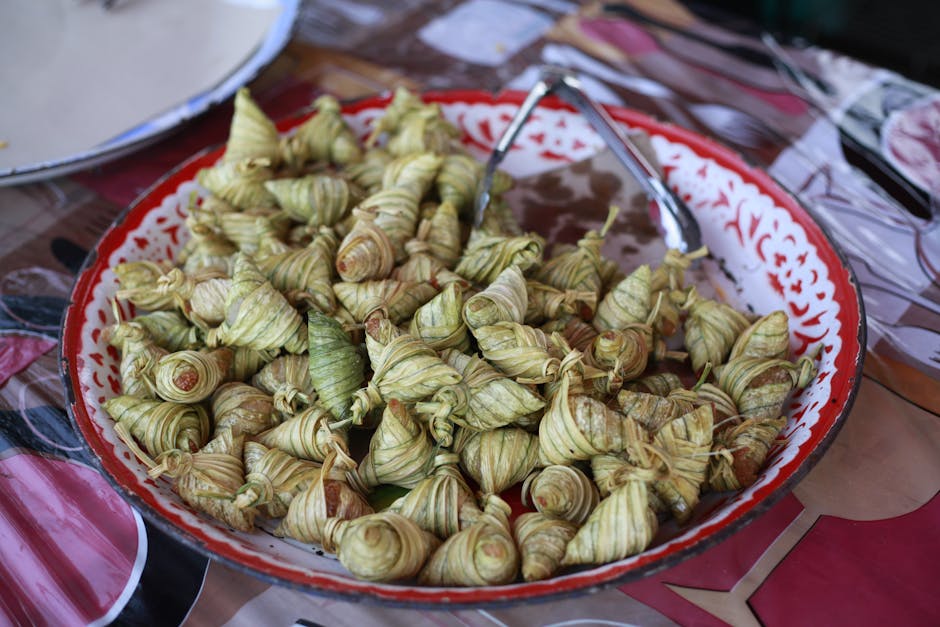
Skewered and grilled meat—usually chicken, beef, or mutton—satay is marinated in turmeric and spices before being charred over charcoal. Served with a rich peanut sauce, cucumber, and ketupat (rice cakes), it’s a favorite at night markets.
For the best experience, choose stalls where the meat is grilled to order. The peanut sauce should be thick, slightly sweet, and not overly watery.
Rendang
Originating from the Minangkabau community, rendang is a slow-cooked dry curry made with beef, coconut milk, and a blend of lemongrass, galangal, garlic, and chilies. It simmers for hours until the liquid evaporates and the meat becomes tender and deeply spiced.
Often served during festivals like Hari Raya, it’s also available year-round in Malay restaurants. Authentic rendang should be dark brown, not red, and have a slightly caramelized texture.
Laksa
Malaysia’s laksa comes in many forms, but the two most famous are Penang Asam Laksa and Sarawak Laksa. Penang’s version features a tangy, fish-based broth with mackerel, tamarind, and pineapple, while Sarawak Laksa uses a creamy coconut and prawn broth.
Both are served with rice noodles and topped with herbs, shallots, and chili. Try both to appreciate the regional differences in flavor and preparation.
Regional Specialties Worth the Trip
While national dishes are essential, Malaysia’s true culinary gems often lie in its regional offerings. Each state brings unique ingredients and techniques to the table.
Hainanese Chicken Rice (Penang & KL)
Though of Chinese origin, this dish is a Malaysian favorite. Poached chicken is served with fragrant rice cooked in chicken broth, accompanied by chili-ginger sauce and dark soy.
Penang’s version often includes a side of steamed vegetables, while Kuala Lumpur’s tends to focus on the chicken and rice. Look for stalls where the chicken is silky and the rice is moist.
Mee Goreng Mamak (Nationwide)
A staple of Mamak stalls (Indian-Muslim eateries), mee goreng mamak is a spicy, savory fried noodle dish made with yellow noodles, potatoes, tofu, eggs, and sometimes prawns or squid.
The sauce—a blend of tomato ketchup, chili, and soy—gives it a distinctive orange hue. It’s customizable: ask for less spice if you’re sensitive to heat.
Roti Canai (Nationwide)
This flaky, layered flatbread is a breakfast favorite. Made by stretching and frying dough on a griddle, it’s crispy on the outside and soft inside. Served with dhal (lentil curry) or spicy chicken curry for dipping.
Best eaten fresh and hot, roti canai is a staple at Mamak stalls. Try roti bom (a stuffed version with egg or banana) for a sweet twist.
Ipoh White Coffee (Ipoh)
Originating in Ipoh, this smooth, mild coffee is roasted with margarine and sugar, then brewed with condensed milk. Served in kopitiams, it’s a comforting accompaniment to toast and soft-boiled eggs.
Don’t confuse it with Western white coffee—this is a distinctly Malaysian experience. Pair it with kaya toast (coconut jam and butter on toast) for the full effect.
Kuih (Nationwide)
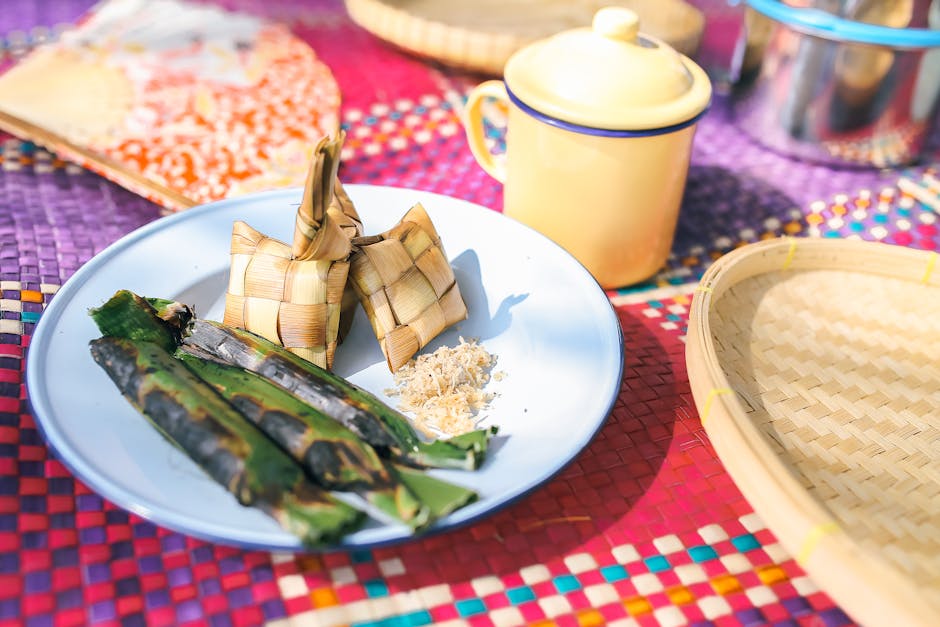
These bite-sized desserts come in countless varieties—steamed, baked, or fried—and are often colorful and mildly sweet. Popular types include onde-onde (pandan-flavored rice balls with palm sugar), kuih lapis (layered steamed cake), and pulut inti (sticky rice with coconut filling).
Found at markets and traditional bakeries, kuih offers a gentle introduction to Malaysian sweets without the heaviness of Western desserts.
Street Food Essentials for Adventurous Eaters
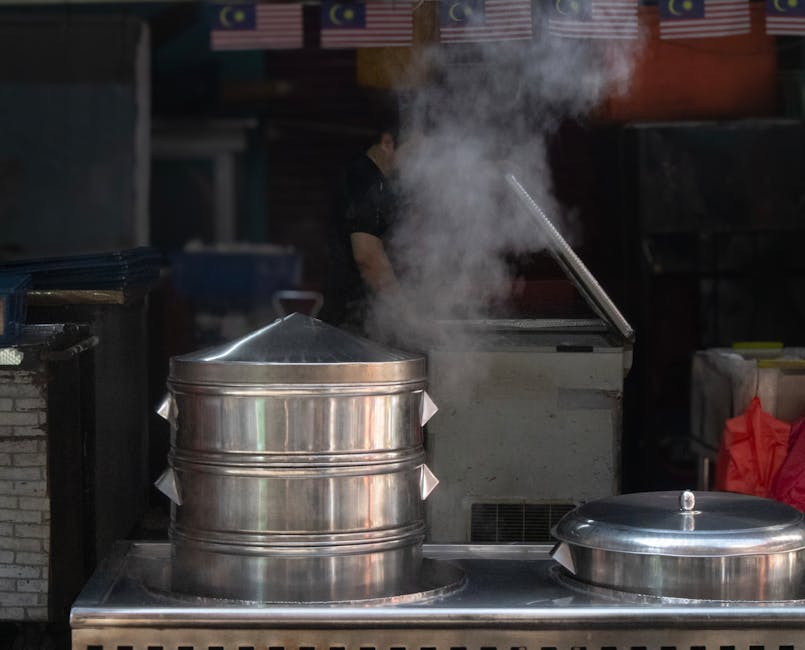
Malaysia’s street food scene is legendary, offering bold flavors at affordable prices. While hygiene standards vary, sticking to busy stalls with high turnover usually ensures freshness.
Popiah (Spring Rolls)
These fresh spring rolls are filled with jicama, carrots, tofu, and sometimes shrimp, wrapped in a thin wheat skin. Served with a sweet, nutty sauce, they’re light yet satisfying.
Penang’s version is especially popular, often made to order at roadside carts. Choose stalls where the wrapper is soft and not dried out.
Apam Balik (Peanut Pancake)
A popular street snack, apam balik is a thick pancake cooked on a griddle, filled with crushed peanuts, sugar, and sometimes corn, then folded in half. The result is crispy edges with a soft, sweet center.
Available at night markets and pasar malam (night markets), it’s best eaten warm. Some vendors add chocolate or condensed milk for extra indulgence.
Oyster Omelette (Orh Luak)
Common in Penang and coastal areas, this dish combines fresh oysters with a starchy egg batter, fried until slightly crispy. Topped with a tangy chili sauce, it’s rich and umami-packed.
Look for stalls using live oysters and minimal oil. The texture should be slightly chewy, not rubbery.
Cendol (Dessert Drink)
This refreshing dessert drink features green rice flour jelly, coconut milk, palm sugar, and shaved ice. Often served in a bowl or glass, it’s a cooling treat in Malaysia’s tropical heat.
Popular during Ramadan and hot afternoons, cendol is widely available at food courts and street stalls. Some versions include red beans or durian.
Vegetarian and Vegan Options
While Malaysian cuisine is meat-heavy, vegetarian and vegan travelers aren’t left out. Many dishes can be adapted, and some regions offer plant-based specialties.
Vegetarian Char Kuey Teow
Some hawker stalls offer a vegetarian version of char kuey teow using tofu, mushrooms, and extra vegetables. Request no shrimp paste or oyster sauce to keep it vegan.
Check with the vendor—some use fish sauce in the base, even in “vegetarian” versions.
Popiah with Tofu
Ask for popiah without meat or shrimp. Many stalls will substitute tofu or extra vegetables. The sweet sauce is usually vegan, but confirm if it contains shrimp paste.
Kuih and Traditional Sweets
Most kuih are naturally vegetarian, and many are vegan. Avoid versions with egg or dairy if needed. Pandan-flavored kuih are usually safe choices.
Indian-Style Thali Meals
Mamak restaurants often serve vegetarian thali—platters with rice, dhal, vegetables, and pickles. These are typically vegan if ordered without yogurt or ghee.
Tips for Food Travelers in Malaysia
Navigating Malaysia’s food scene is part of the adventure. With a few smart strategies, you can enjoy the best meals safely and authentically.
Choose Busy Stalls
High customer turnover usually means fresher ingredients and better hygiene. Avoid stalls with food sitting uncovered for long periods.
Drink Bottled Water
While tap water is treated, it’s safer to drink bottled water, especially in rural areas. Avoid ice in drinks unless you’re sure it’s made from purified water.
Carry Hand Sanitizer
Street food is often eaten with hands. Keep sanitizer handy, especially before meals.
Learn Basic Food Phrases
Simple Malay phrases like “Saya tak makan daging” (I don’t eat meat) or “Tidak pedas” (not spicy) can help communicate dietary needs.
Try Local Markets
Pasar pagi (morning markets) and pasar malam (night markets) offer the freshest produce and most authentic street food. Visit early for the best selection.
Where to Find the Best Malaysian Food
Great food is everywhere in Malaysia, but some locations stand out for quality and variety.
Penang
Known as the food capital of Malaysia, Penang offers legendary street food. Visit Gurney Drive, New Lane, and Chulia Street for top-rated stalls.
Kuala Lumpur
The capital boasts diverse dining options. Jalan Alor is famous for its night food scene, while Petaling Street offers traditional Chinese-Malaysian fare.
Malacca (Melaka)
This historic city blends Peranakan (Straits Chinese) cuisine with Malay and Portuguese influences. Try chicken rice balls and nyonya laksa.
Ipoh
Famous for its white coffee and bean sprouts, Ipoh’s food scene is laid-back and authentic. Visit the old town for traditional kopitiams.
Final Thoughts
Exploring Malaysia through its food is one of the most rewarding ways to experience the country. From fiery curries to delicate desserts, every dish tells a story of cultural fusion and local pride. The top Malaysian foods to try for food travelers offer not just flavor, but a deeper connection to the people and traditions behind the plate.
Whether you’re a first-time visitor or a seasoned traveler, let your taste buds guide you. Seek out family-run stalls, ask locals for recommendations, and embrace the unexpected. Malaysia’s culinary landscape is as diverse as it is delicious—and it’s waiting to be discovered.
FAQ
Is Malaysian street food safe to eat?
Generally, yes—especially at busy stalls with high turnover. Look for clean cooking areas, fresh ingredients, and hot food served immediately. Avoid raw or undercooked items if you have a sensitive stomach.
What’s the best time to visit Malaysia for food?
Food is available year-round, but visiting during Ramadan offers unique experiences like bazaars and special iftar meals. Avoid monsoon season in certain regions (November–February on the east coast) for easier travel.
Can I find halal food easily in Malaysia?
Yes. As a Muslim-majority country, most local food is halal. Look for the halal certification logo on restaurants and stalls. Non-halal options (like pork) are clearly marked and usually found in Chinese establishments.