Adventure Travel Guide to the World’s Best Outdoor Escapes
Looking for an unforgettable outdoor adventure? This adventure travel guide highlights the world’s most breathtaking escapes—from rugged mountain trails to remote jungle lodges. Whether you’re a seasoned trekker or a weekend explorer, these destinations offer real thrills, stunning landscapes, and authentic experiences. We’ve curated a list of top spots based on accessibility, safety, natural beauty, and adventure variety. Each location includes practical tips, ideal seasons to visit, and essential gear advice to help you plan with confidence.
Why Choose Adventure Travel?
Adventure travel isn’t just about adrenaline—it’s about connection. It’s stepping off the beaten path, immersing yourself in nature, and challenging your limits in meaningful ways. Unlike conventional tourism, adventure travel emphasizes sustainability, local culture, and personal growth.
Studies show that people who engage in outdoor adventures report higher levels of mental well-being and life satisfaction. Whether it’s hiking through Patagonia or kayaking in Norway, these experiences foster resilience and mindfulness. They also encourage responsible travel practices that protect fragile ecosystems.
Top Destinations for Outdoor Adventure
Patagonia, Chile & Argentina
Patagonia is a dream for hikers, climbers, and photographers. Spanning southern Chile and Argentina, it offers dramatic glaciers, wind-swept plains, and the iconic Torres del Paine National Park.
The W Trek is a five-day hike that takes you past turquoise lakes, granite towers, and glacial rivers. For a less crowded option, consider the Dientes de Navarino Circuit in Chilean Tierra del Fuego—the southernmost trek in the world.
Best time to visit: November to March (austral summer). Pack layers, a waterproof jacket, and sturdy boots. Weather changes fast—be prepared for wind and rain even in summer.
Torres del Paine National Park
This UNESCO Biosphere Reserve is one of the most photographed parks in South America. Its centerpiece—the three granite towers—rises over 2,500 meters above the Patagonian steppe.
Permits are required for all multi-day hikes. Book refugios (mountain huts) or campsites well in advance. Guided tours are available but self-guided trips offer more flexibility.
Wildlife includes guanacos, condors, and the elusive puma. Keep a safe distance and store food properly to avoid attracting animals.
The Himalayas, Nepal
Nepal is synonymous with high-altitude adventure. The Annapurna and Everest regions draw thousands of trekkers each year, but lesser-known routes like the Langtang Valley offer solitude and raw beauty.
The Everest Base Camp trek takes about 12–14 days and reaches 5,364 meters. Altitude sickness is a real risk—ascend slowly, stay hydrated, and recognize symptoms like headaches and nausea.
Tea houses along the route provide basic lodging and meals. Bring a reusable water bottle and water purification tablets to reduce plastic waste.
Annapurna Circuit
This classic trek circles the Annapurna massif, passing through subtropical forests, alpine meadows, and high mountain passes. The Thorong La Pass sits at 5,416 meters—one of the highest trekking passes in the world.
The route takes 15–20 days and crosses diverse cultural zones, from Hindu villages to Tibetan Buddhist monasteries. Teahouses are plentiful, but services become sparse at higher elevations.
Permits are mandatory: the Trekkers’ Information Management System (TIMS) card and Annapurna Conservation Area Permit (ACAP). Hire a local guide or porter for support and cultural insight.
The Canadian Rockies, Canada
Banff, Jasper, and Yoho National Parks form a rugged wilderness of snow-capped peaks, glacial lakes, and dense forests. This region is ideal for hiking, climbing, and wildlife spotting.
Lake Louise and Moraine Lake are iconic photo stops, but arrive early to avoid crowds. For solitude, explore the less-visited Icefields Parkway or the Tonquin Valley in Jasper.
Best time to visit: June to September. Winter offers skiing and snowshoeing, but many trails are inaccessible. Bear safety is critical—carry bear spray and make noise on trails.
Jasper National Park
As the largest national park in the Canadian Rockies, Jasper offers vast wilderness and dark sky preserves. It’s a prime spot for stargazing, hiking, and spotting elk, moose, and black bears.
The Skyline Trail is a seven-day backpacking route with panoramic views and alpine camping. Reservations for backcountry sites are competitive—apply early.
Cell service is limited. Download offline maps and carry a satellite communicator if traveling alone.
Norwegian Fjords, Norway
Norway’s fjords—deep, glacially carved inlets surrounded by steep cliffs—are a kayaker’s and hiker’s paradise. The Sognefjord and Geirangerfjord are UNESCO-listed and easily accessible.
Kayaking allows intimate access to waterfalls, seals, and quiet coves. Guided tours are available, but experienced paddlers can rent equipment and explore independently.
The Trolltunga hike is legendary—a 28-kilometer round trip with a jaw-dropping cliff ledge photo op. Start early, wear proper footwear, and check weather conditions.
Preikestolen (Pulpit Rock)
This flat-topped cliff rises 604 meters above Lysefjord. The hike takes 3–4 hours round trip and is well-marked, but the final ascent involves steep sections and exposure.
Best visited from May to September. Avoid in rain or wind—the rock can become slippery. Bring water, snacks, and a camera with extra batteries.
New Zealand’s South Island
From alpine peaks to turquoise rivers, New Zealand offers some of the most diverse landscapes on Earth. The South Island is a hotspot for hiking, bungee jumping, and glacier walks.
Milford Track is often called the “finest walk in the world.” This 53-kilometer trail takes four days and passes through rainforests, waterfalls, and Sutherland Falls—one of the tallest in the world.
Great Walks require bookings, especially in peak season (October to April). Huts provide beds and cooking facilities, but bring your own sleeping bag and food.
Abel Tasman National Park
For a milder adventure, Abel Tasman offers coastal hiking, kayaking, and golden beaches. The Abel Tasman Coast Track is a 60-kilometer trail with water taxi access at multiple points.
Kayak tours allow you to explore sea caves and seal colonies. Rentals are available in Marahau and Kaiteriteri. Tides affect access—check local charts before launching.
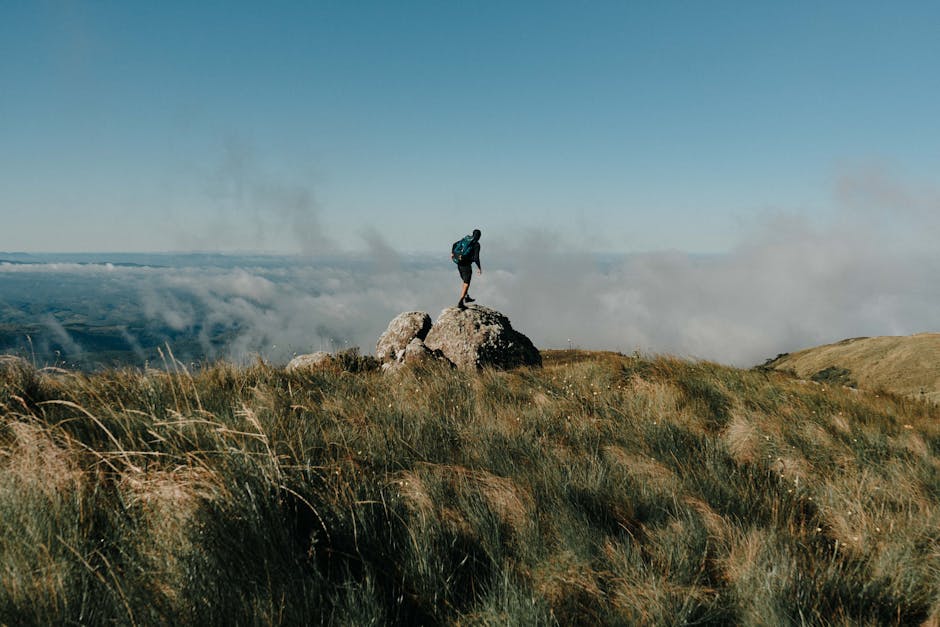
Pack light, wear quick-dry clothing, and apply reef-safe sunscreen to protect marine life.
Essential Gear for Adventure Travel
Proper gear can mean the difference between a great trip and a dangerous one. Start with the basics: a reliable backpack, weather-appropriate clothing, and sturdy footwear.
Invest in a high-quality sleeping bag rated for the coldest expected temperatures. A lightweight tent or bivy sack is essential for overnight trips. Don’t forget a headlamp, first-aid kit, and multi-tool.
Navigation tools are critical. Carry a map and compass—even if you use GPS. Batteries die, and signals drop in remote areas. Learn basic orienteering before you go.
Clothing Layers
Use the layering system: base layer (moisture-wicking), insulating layer (fleece or down), and outer shell (wind and waterproof). Avoid cotton—it retains moisture and increases hypothermia risk.
Merino wool and synthetic fabrics are ideal. Pack extra socks and gloves. In cold climates, consider a balaclava and insulated boots.
Footwear
Hiking boots should be broken in before your trip. Choose ankle support for rough terrain and waterproofing for wet conditions. Trail runners are lighter but offer less protection.
Always carry gaiters to keep debris out of your boots. Blisters are common—use moleskin or blister pads at the first sign of irritation.
Safety Tips for Outdoor Adventures
Safety starts with preparation. Research your destination, understand the risks, and share your itinerary with someone at home.
Check local weather and trail conditions before departing. Avalanches, flash floods, and rockfall are real hazards in mountainous areas. Avoid hiking during storms.
Carry a personal locator beacon (PLB) or satellite messenger in remote areas. These devices can send distress signals when cell service is unavailable.
Wildlife Encounters
Know how to react to local wildlife. In bear country, make noise, store food in bear canisters, and never run. In snake-prone regions, watch where you step and avoid tall grass.
Respect animals—observe from a distance. Feeding wildlife is dangerous and often illegal.
Hydration and Nutrition
Dehydration impairs judgment and increases injury risk. Drink water regularly, even if you don’t feel thirsty. Use purification methods like filters, tablets, or boiling.
Pack high-calorie, lightweight foods: nuts, dried fruit, energy bars, and dehydrated meals. Eat frequently to maintain energy levels.
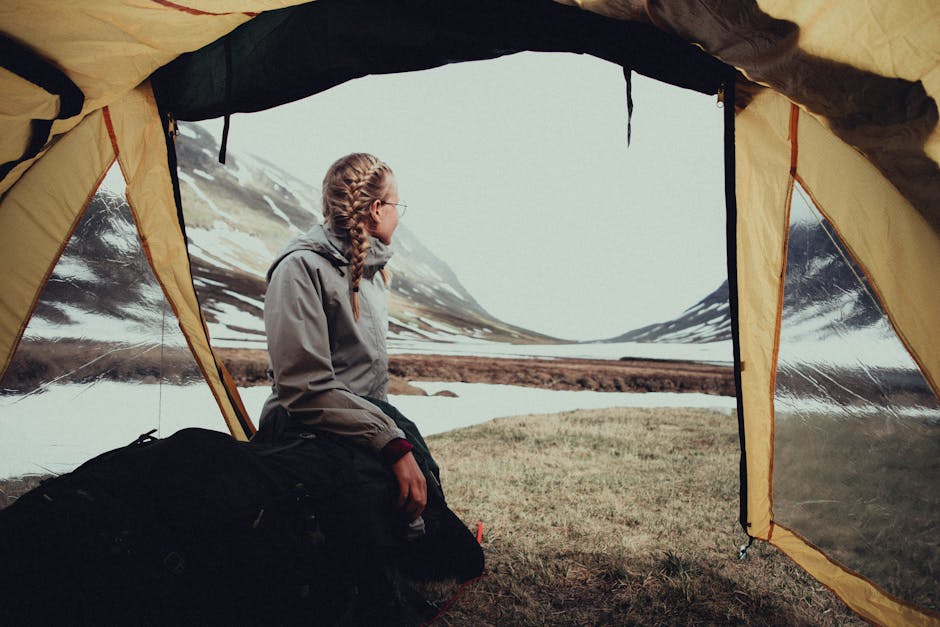
Planning Your Adventure Trip
Start by defining your goals. Are you seeking solitude, physical challenge, or cultural immersion? Choose a destination that matches your fitness level and experience.
Create a detailed itinerary with daily distances, elevation gains, and rest days. Build in flexibility for weather delays or unexpected closures.
Book accommodations and permits early, especially for popular trails. Many parks limit daily entries to protect the environment.
Budgeting
Adventure travel can be affordable with careful planning. Costs include gear, transportation, permits, food, and lodging. Rent or borrow equipment if you’re new to the activity.
Consider group travel to split costs. Some countries offer budget-friendly options—Nepal and Peru are cheaper than Norway or New Zealand.
Travel Insurance
Standard travel insurance often excludes high-risk activities. Purchase a policy that covers adventure sports, emergency evacuation, and trip cancellations.
Read the fine print. Some insurers require proof of experience or certification for certain activities like rock climbing or mountaineering.
Sustainable Adventure Travel
Leave No Trace principles are essential: pack out all trash, stay on marked trails, and minimize campfire impact. Use established campsites to reduce soil erosion.
Support local communities by hiring local guides, buying local food, and respecting cultural norms. Avoid single-use plastics—bring a reusable water bottle and utensils.
Choose eco-certified tour operators when possible. Many organizations now offer carbon-offset programs for flights and transportation.
Final Thoughts
This adventure travel guide showcases some of the world’s most inspiring outdoor escapes. From the fjords of Norway to the peaks of Patagonia, these destinations offer more than scenery—they offer transformation.
With the right preparation, gear, and mindset, you can safely explore these wild places and return with stories that last a lifetime. Adventure travel isn’t about conquering nature—it’s about connecting with it.
FAQ
What is the best time of year for adventure travel?
It depends on the destination. In general, summer months (June–August in the Northern Hemisphere, December–February in the Southern Hemisphere) offer the best weather and trail access. Always check seasonal conditions for your specific location.
Do I need a guide for adventure travel?
Not always, but guides are recommended for remote or high-risk areas. They provide local knowledge, safety support, and cultural context. For popular trails, independent travel is often safe with proper preparation.
How much does an adventure trip typically cost?
Costs vary widely. Budget options in countries like Nepal or Peru can cost $50–$100 per day. In Norway or New Zealand, expect $150–$300 per day. Include gear, flights, permits, food, and insurance in your budget.
Related keywords: Adventure Travel Guide to the World’s Best Outdoor Escapes.